
Language:


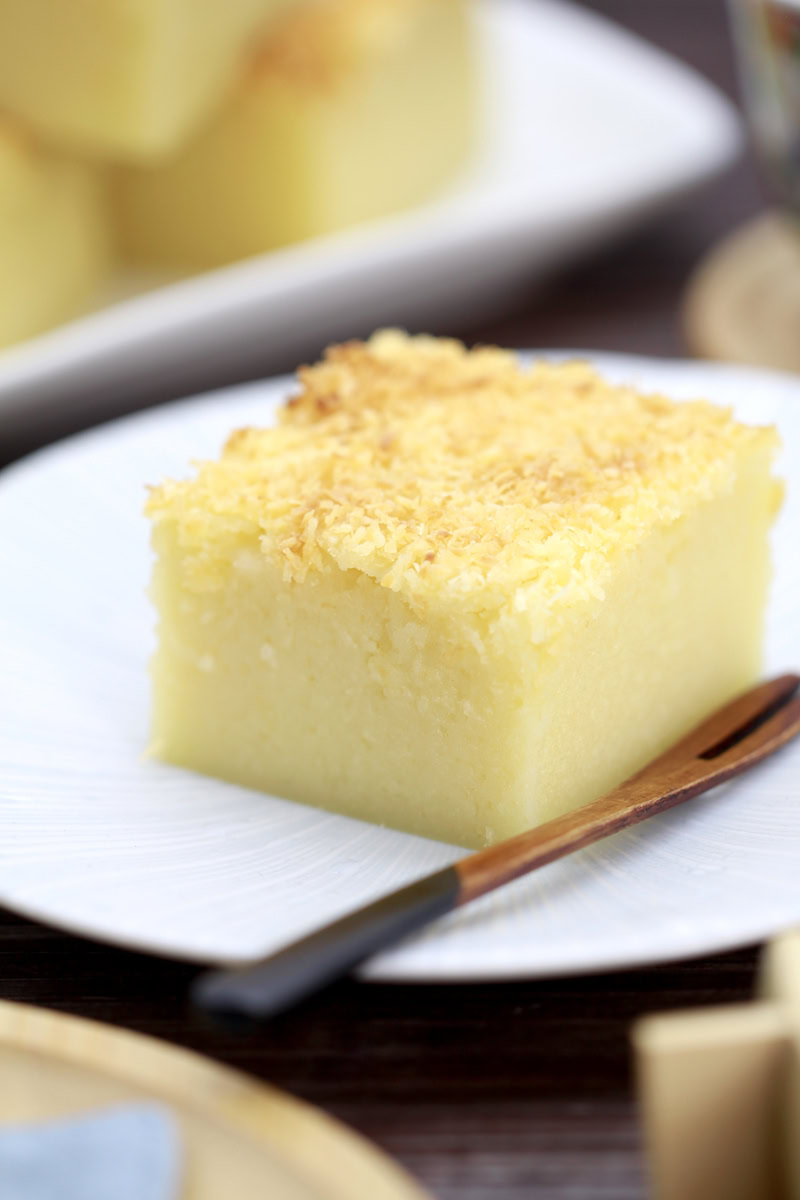
Butter Mochi is one of those recipes that’s hard to pigeonhole. It looks like a simple tray bake, but has little in common with a traditional cake. The golden-brown top becomes slightly crispy during baking, whilst the inside remains soft, moist and pleasantly chewy. It is precisely this unique texture that makes butter mochi a popular dessert in Hawaii and an exciting alternative for anyone who likes Mochi or wants to try something new.
Incidentally, I came across this recipe thanks to a long-standing reader. She kept asking me if I could try making butter mochi. To be , to be honest, I’d seen the treat quite often, but’d never really looked into it. It was only when I started researching and comparing different recipes that I realised why butter Mochi has so many fans.
I find the story behind it particularly fascinating. Butter Mochi originates from Hawaii and combines various culinary influences. The base is glutinous rice flour, which is also used for many Japanese Mochi. Added to this are butter and coconut milk, which give it its characteristic flavour and moist texture. The result is a dessert that has now become almost a staple at family celebrations, potlucks and celebrations.
After a few attempts at baking it, I was finally convinced. Butter Mochi is surprisingly easy to make, requires just a few ingredients and delivers a texture that many have probably never experienced before. If you like Mochi, coconut and straightforward recipes, you should definitely give this Hawaiian dessert a go.
What is butter mochi?
Butter mochi is a popular dessert from Hawaii that combines the soft, slightly chewy texture of mochi with the flavours of a moist cake. The key ingredient is glutinous rice flour, which gives the treat its characteristic texture. Unlike traditional Japanese Mochi, however, the dough isn’t steamed or shaped, but baked in a tin in the oven.
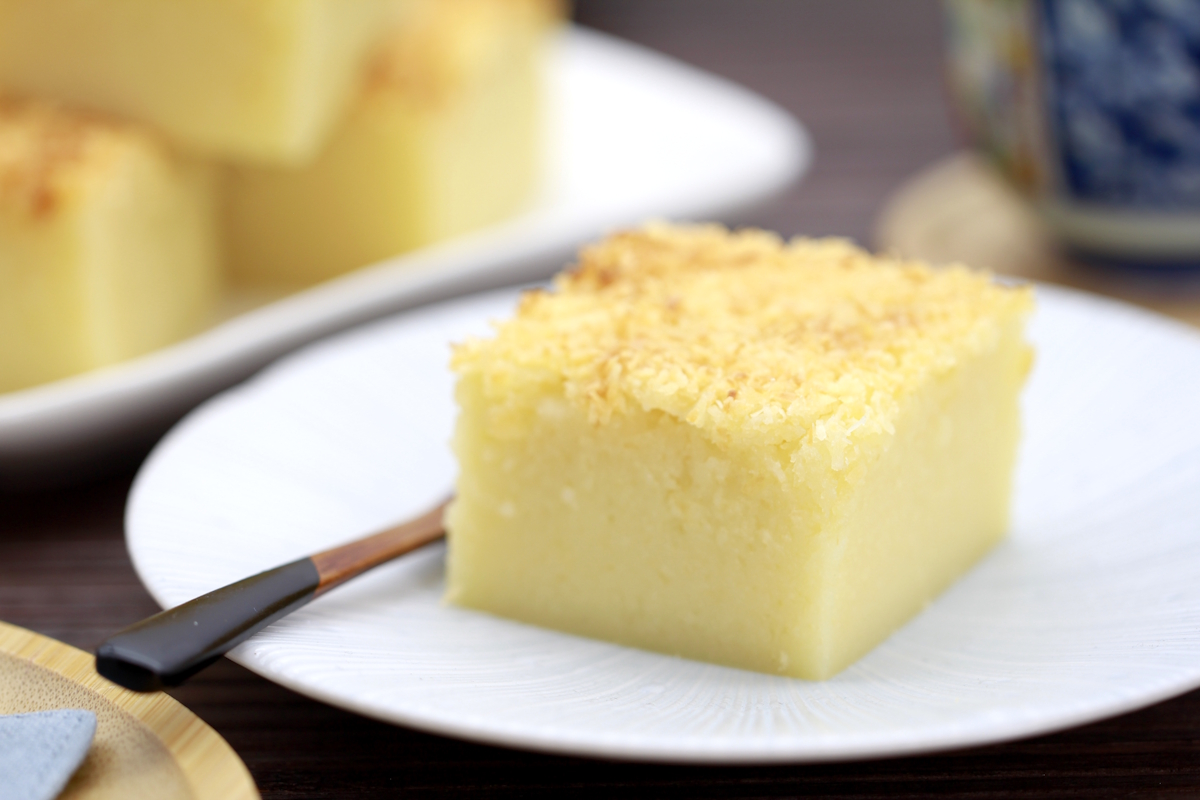
The result is a dessert with two very different sides: whilst the surface and edges caramelise slightly to form a delicate crust, the inside remains soft, moist and pleasantly chewy. Many therefore describe butter Mochi as a cross between a cake, a pudding and Mochi.
In Hawaii, butter Mochi has been one of the best-known homemade desserts for many decades. It can be found at family gatherings, school events, picnics and so-called potlucks, where everyone contributes something to the communal buffet. It is often cut into small squares and served with coffee or tea.
Although butter mochi is closely linked to the Japanese Mochi tradition, it is not a classic Japanese wagashi. Rather, it is a distinct Hawaiian recipe that emerged from the influences of various immigrant cultures and is now considered an integral part of Hawaiian cuisine.
Good to know: The connection between Japan and Hawaii
Butter Mochi originated in Hawaii, where many Japanese immigrants had been living and working since the late 19th century. They brought their cooking and baking traditions with them, including the use of glutinous rice flour for Mochi. In Hawaii, these recipes were combined with local ingredients such as butter and coconut milk. This is how butter Mochi came into being – a distinctive dessert that is now considered an integral part of Hawaiian cuisine.
How to make butter Mochi yourself
Butter Mochi is one of the simplest recipes in Hawaiian cuisine. The list of ingredients is short and the batter is quickly mixed together. That’s precisely why it’s less about elaborate techniques and more about a few basic details. The most important factors are using the right flour, mixing the batter gently and having enough patience whilst it cools.
Glutinous rice flour takes centre stage. Unlike in traditional cakes, it doesn’t create a light, airy crumb, but rather the typical Mochi texture. Whilst the surface turns golden brown and caramelises slightly in the oven, the inside remains soft, moist and pleasantly chewy. It is precisely this contrast that makes butter Mochi so special.
The key ingredients for Butter Mochi:
- Glutinous rice flour: Glutinous rice flour, often referred to as mochiko or sweet rice flour, is the most important ingredient in the recipe. It gives the pastry its characteristic texture and ensures the typical ‘Mochi bite’. Ordinary rice flour is not suitable for this, as it lacks the necessary starch.
- Coconut milk: Coconut milk adds moisture, flavour and a subtle sweetness to the batter. At the same time, it ensures that butter Mochi remains pleasantly moist even after baking. For many, the subtle hint of coconut is an integral part of the classic flavour.
- The butter: Butter gives the pastry its golden-brown crust and slightly caramelised flavour. During baking, the crispy edges form particularly around the sides, which many butter Mochi fans consider to be the best bits.
CUSTOMER FAVOURITE
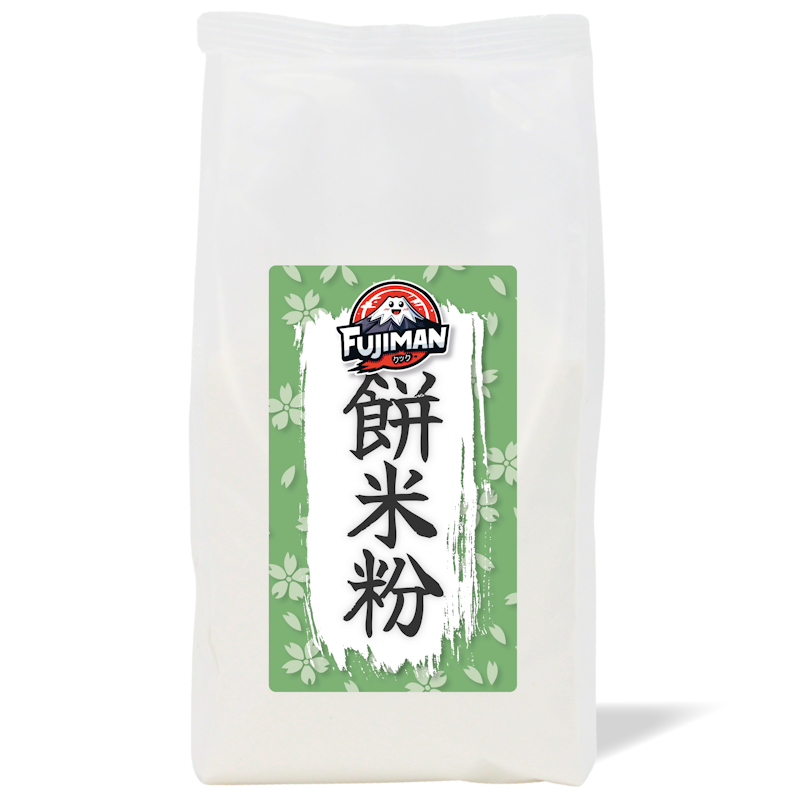
Klebreismehl 940g (glutinous), Fujiman
Klebreismehl für Mochi, Dango & japanische Desserts . Dieses Klebreismehl von Fujiman besteht aus fein gemahlenem Rundkornreis und sorgt für die typische weiche, elastische Textur…
In stock
Here’s how it works:
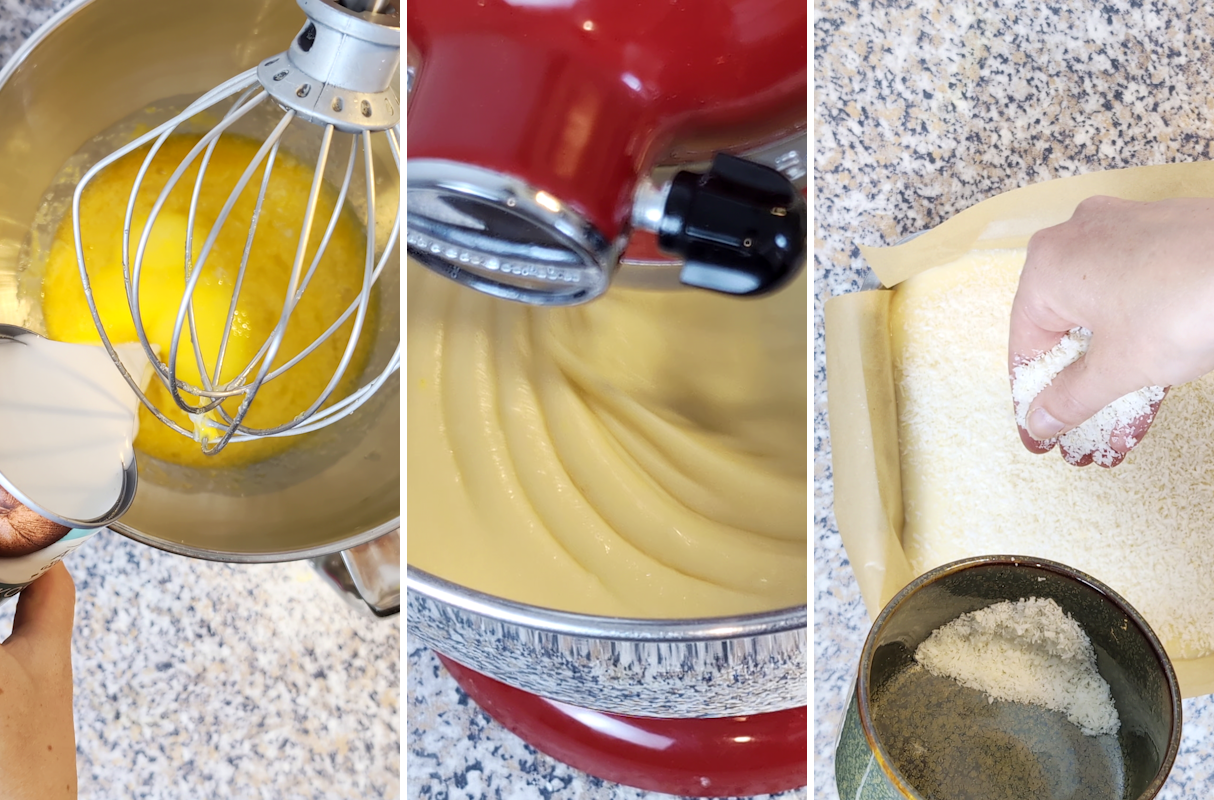
First, whisk together the eggs, sugar, coconut milk, milk and melted butter until smooth. Then add the glutinous rice flour in batches until a thick batter forms. It’s important not to overbeat the batter, but simply to stir it gently.
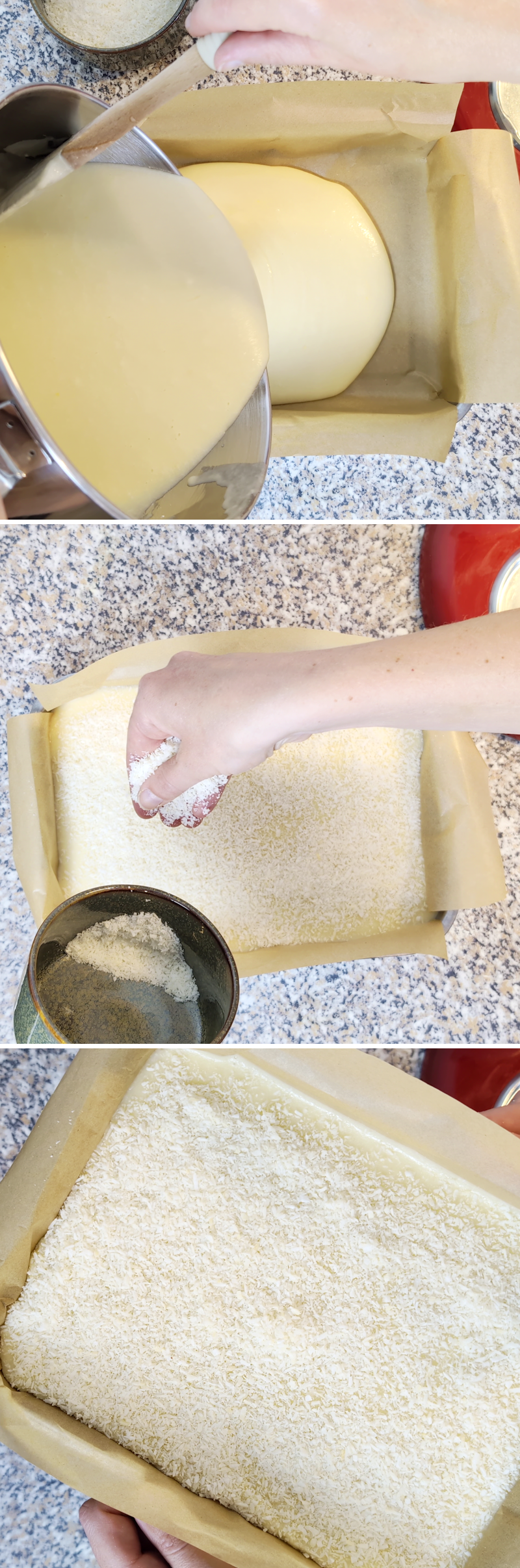
The batter is then poured into a tin lined with baking paper and sprinkled with desiccated coconut. During baking, the characteristic combination of a golden-brown surface and a soft centre develops. After baking, butter Mochi should be left to cool completely, as its final consistency only develops during this time.
Immediately after baking, butter Mochi often still feels very soft and almost pudding-like. This is completely normal. As it cools, the texture firms up and develops the typical springy Mochi consistency. If you cut it too soon, you often won’t get neat pieces. With a little patience, butter Mochi can later be easily cut into even squares and served.
Popular variations of butter Mochi
Butter Mochi is very easy to adapt and is often baked in a variety of flavours in Hawaii. The basic recipe almost always remains the same: glutinous rice flour, coconut milk, butter and eggs. Adding extra ingredients constantly gives rise to new variations.
- Matcha Butter Mochi
- Black Sesame Butter Mochi
- Chocolate Butter Mochi
- Ube Butter Mochi
- Macadamia Butter Mochi
What goes well with butter Mochi?
In Hawaii, butter Mochi is usually served quite simply. The combination of crispy edges, a moist centre and a subtle hint of coconut makes this pastry a special treat in its own right. It’s particularly perfect with an afternoon coffee or as a sweet snack between meals.
Typical accompaniments include:
- Coffee or Cold Brew Mugicha
- Hojicha (roasted Japanese green tea)
- Genmaicha (green tea with roasted rice)
- Iced Matcha Latte
- Fresh fruit such as strawberries, pineapple or mango
Do you have any questions or would you like to share your experiences? How do you like this butter Mochi? Have you baked the classic version with desiccated coconut, or perhaps tried your own version with Matcha, black sesame or chocolate? I look forward to your comments and hope you enjoy baking and savouring this treat.
Butter Mochi
16 pieces | 90 minutes | 295 kcal
🖨️ Print PDF 📌 Save this pinGolden brown and slightly crispy on the outside, soft, moist and pleasantly chewy on the inside: it’s precisely this special combination that makes butter mochi so popular. This Hawaiian treat combines glutinous rice flour, coconut milk and butter to create a dessert that’s somewhere between Mochi and cake – and is surprisingly easy to make at home.
Ingredients (1 cake = 16 pieces)
4 eggs (M)
250 g sugar
400 ml coconut milk (full-fat)
200 ml milk
100 g butter
450 g glutinous rice flour (im Shop ansehen)
1 pinch salt
50 g desiccated coconut (for the topping)
Method (90 minutes)
Step 1
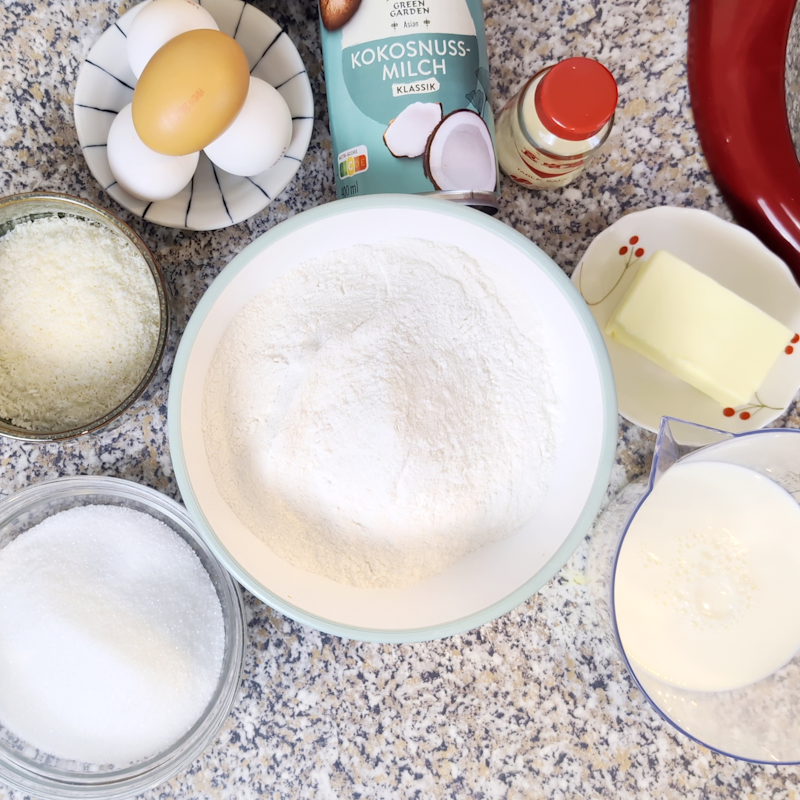
Gather the ingredients for the butter Mochi and preheat the oven to 180°C (top and bottom heat) .
Step 2
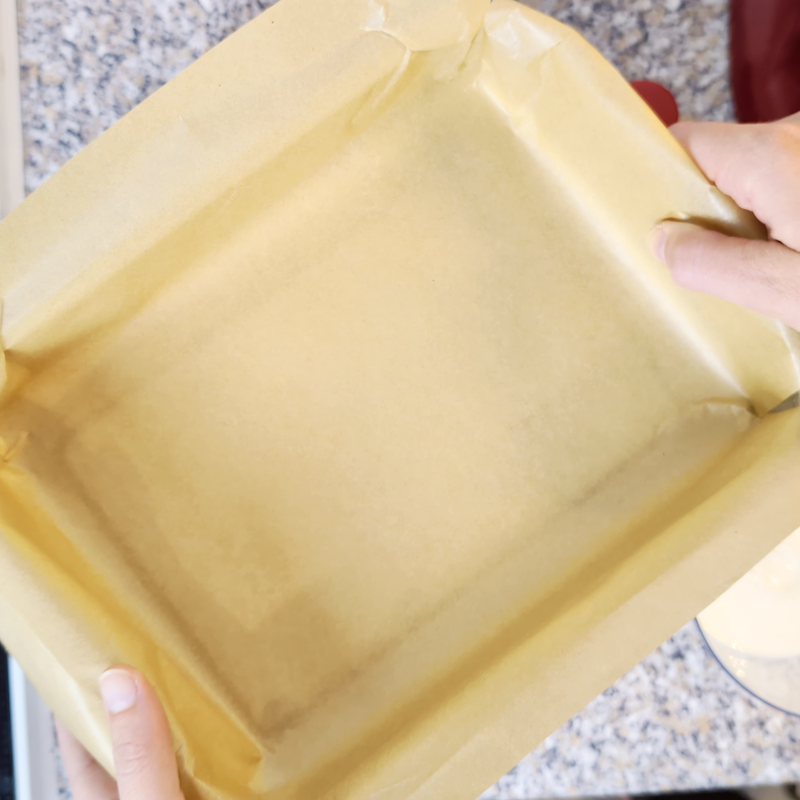
Line a rectangular baking dish or baking tin (approx. 20 × 30 cm) with baking paper. Make small cuts in the sides of the baking paper so that it fits snugly against the tin and does not crease.
Step 3
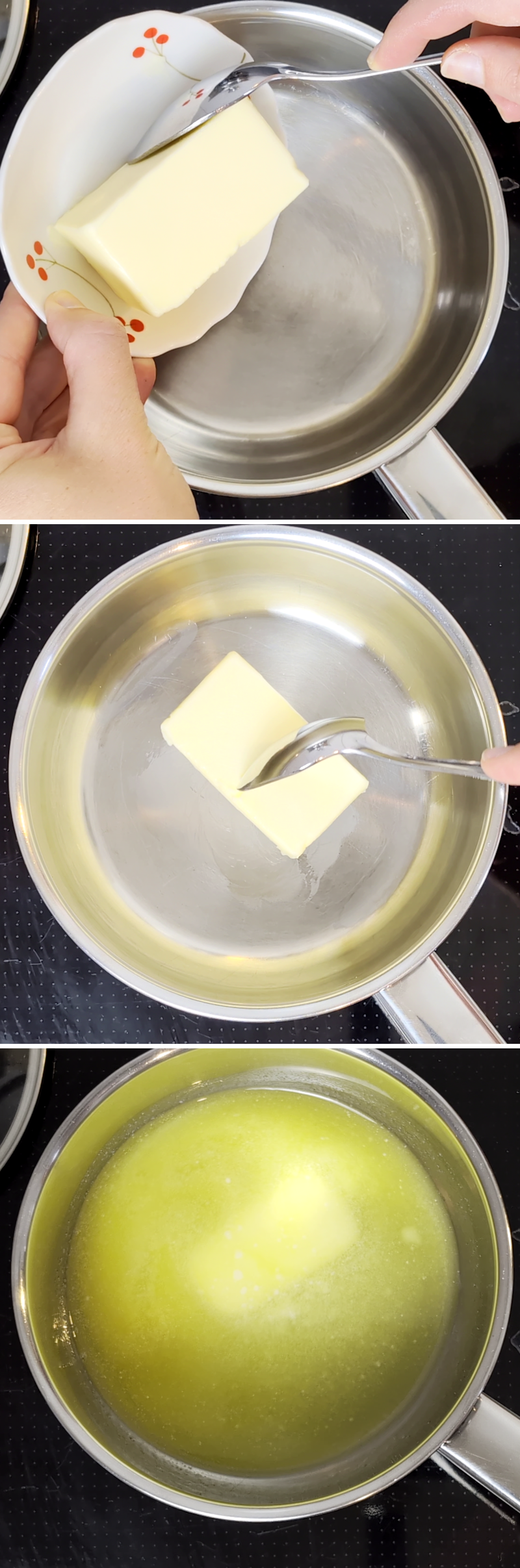
Melt the 100 g butter in a small saucepan over a low heat. The butter should be liquid but not hot. If it has become too warm, leave it to cool briefly.
Step 4
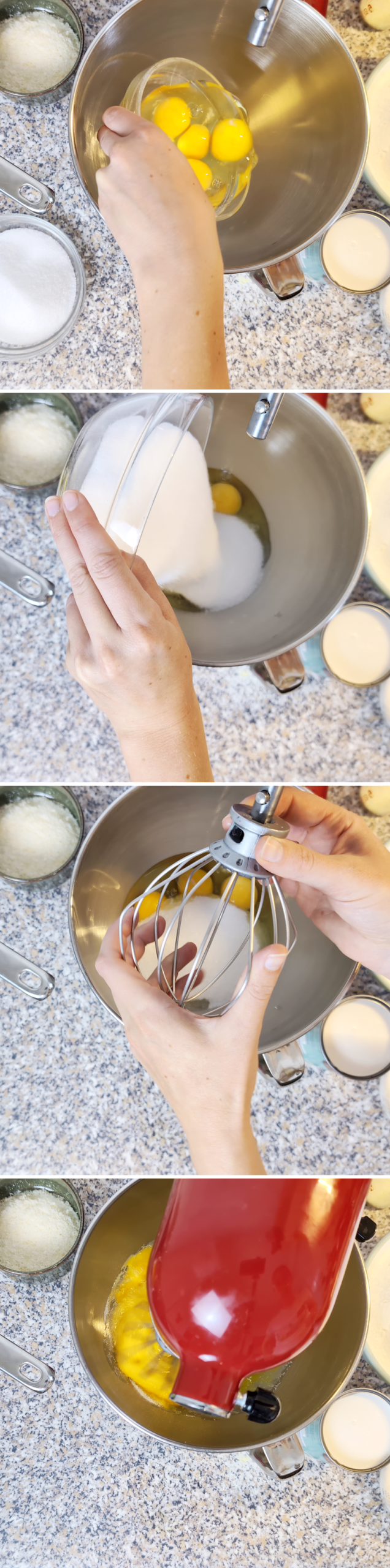
Mix the 4 eggs with the 250 g sugar in a large bowl. Just mix them together – do not whisk until frothy.
Step 5
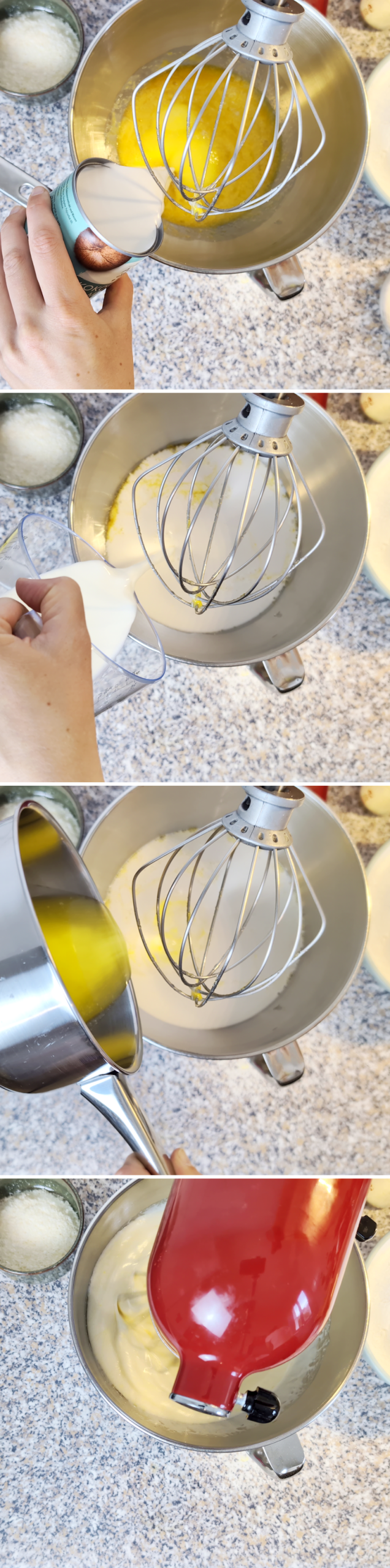
Add the 400 ml coconut milk, 200 ml milk and the melted 100 g butter, then gently stir until smooth. Important: Do not whisk until frothy and incorporate as little air as possible into the batter.
Step 6
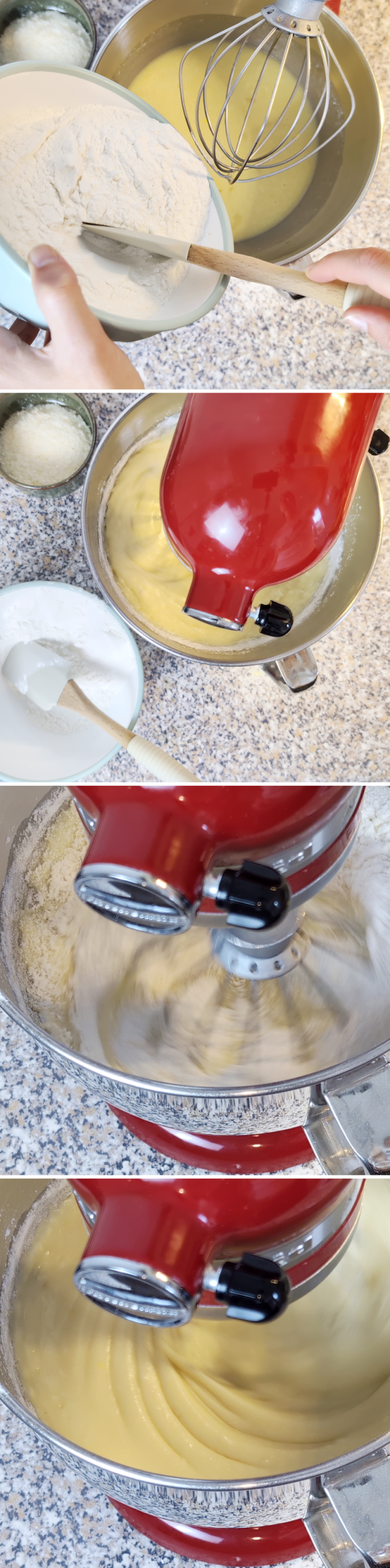
Add the pinch of salt. Then gradually stir in the 450 g of glutinous rice flour in three portions. First work the first portion in completely, then the second and finally the third. This will produce a smooth, thick batter without any lumps.
Step 7
Pour the batter into the prepared tin. Spread the 50 g of desiccated coconut evenly over the surface. Gently tap the tin a few times on the work surface to release any trapped air bubbles.
Step 8
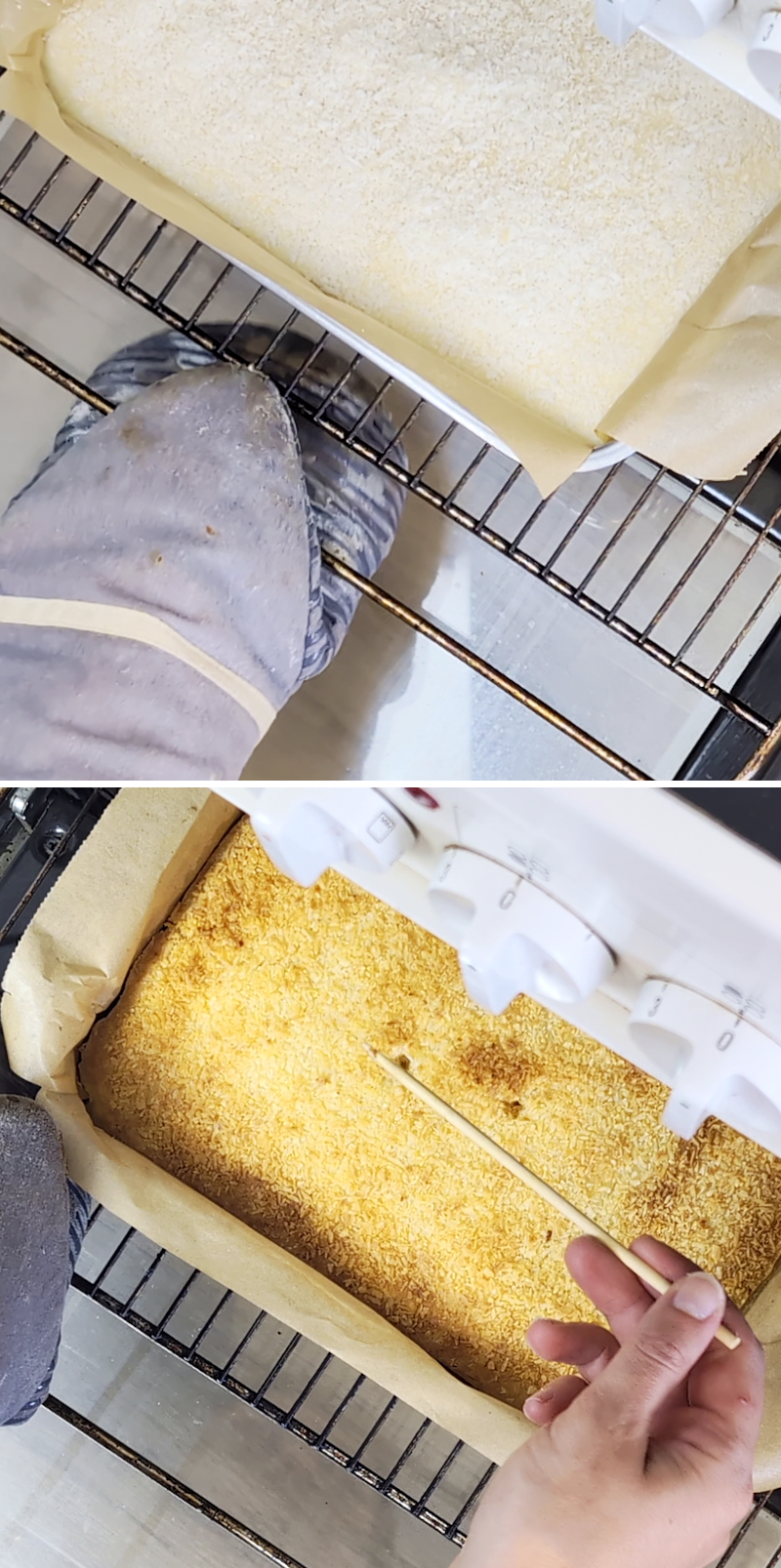
Bake the butter Mochi in a preheated oven for about 60 minutes, until the surface is golden brown and the edges are lightly caramelised. When testing with a skewer, a few moist crumbs may still stick to the skewer, but there should be no liquid batter left.
Step 9
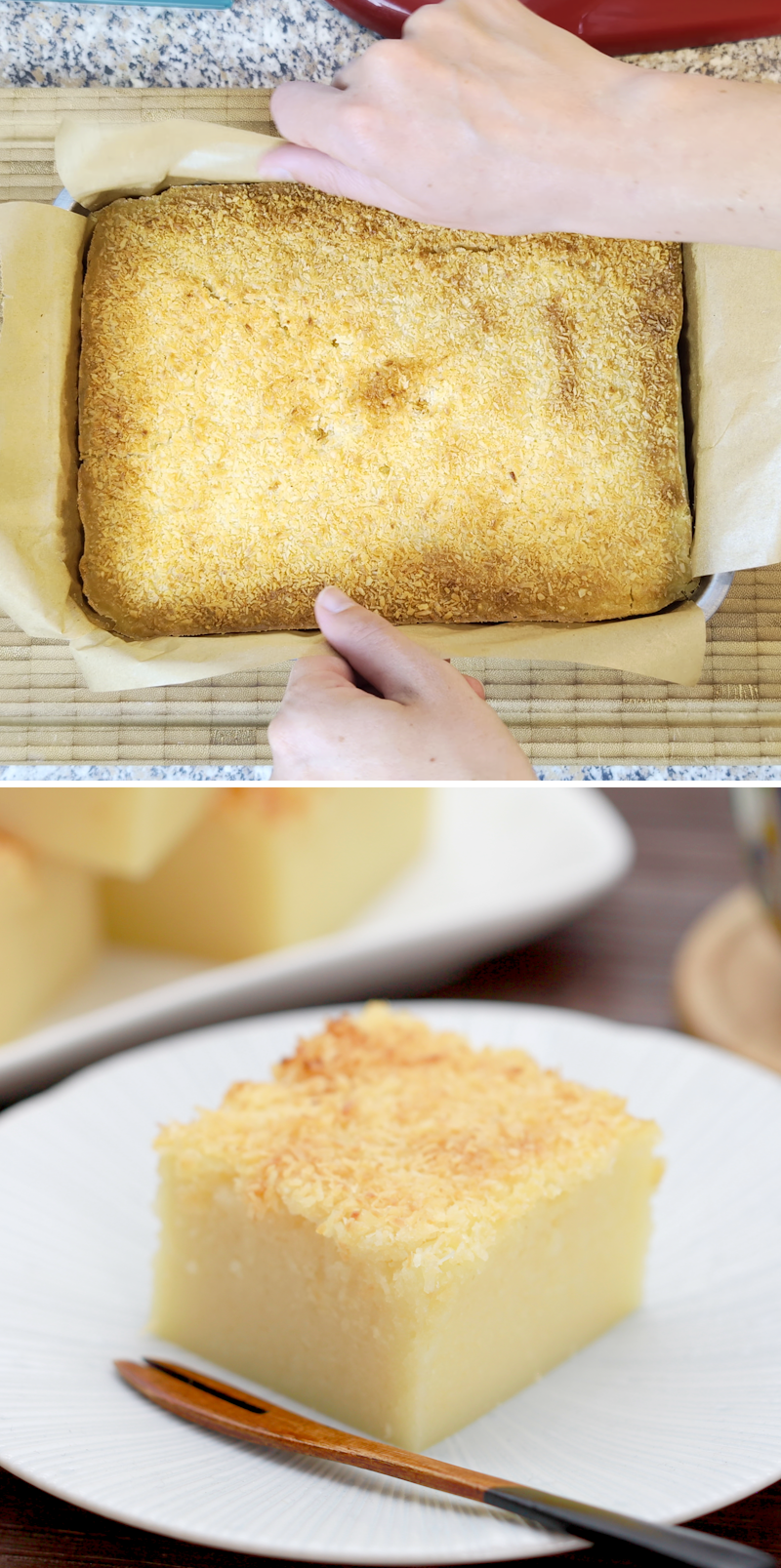
After baking, leave the butter Mochi to cool in the tin for about 10 minutes. Then lift it out of the tin using the baking paper and leave it to cool completely on a wire rack. The baking paper can remain on the cake for the time being. Immediately after baking, the butter Mochi is still very soft and difficult to cut. Only once it has cooled completely should you cut it into 16 equal pieces, remove the baking paper and serve.
Fancy some more sweet inspiration from Japan, perfect for an afternoon treat or as a dessert?
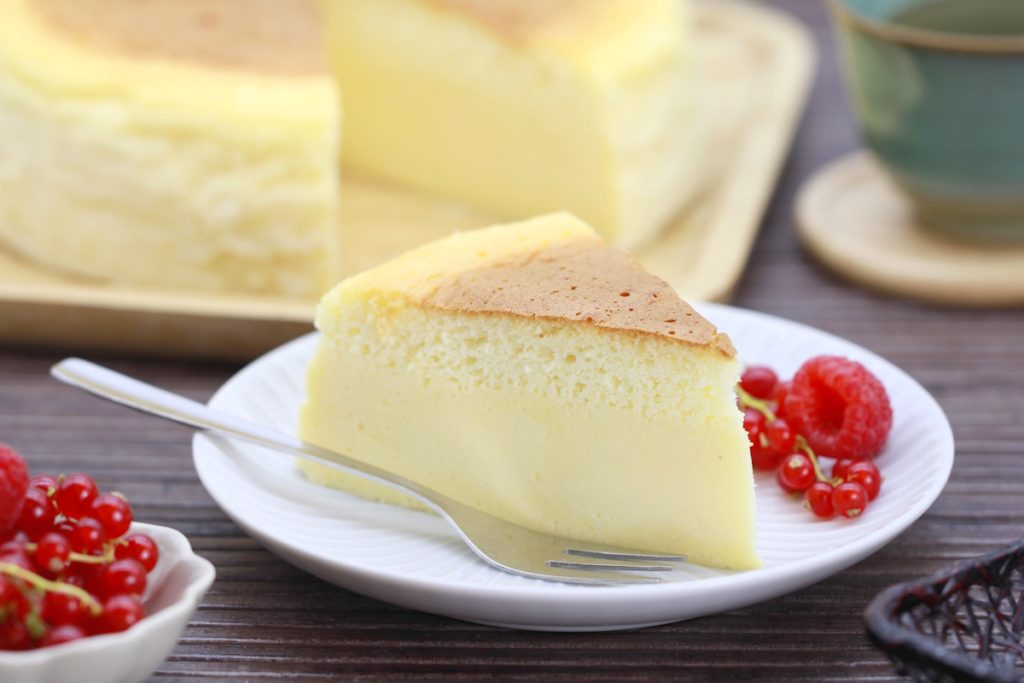
Japanese cheesecake: The best recipe for a fluffy soufflé-style cheesecake just like in Japan
Japanese cheesecake is one of Japan’s most popular desserts and delights with its exceptionally light…
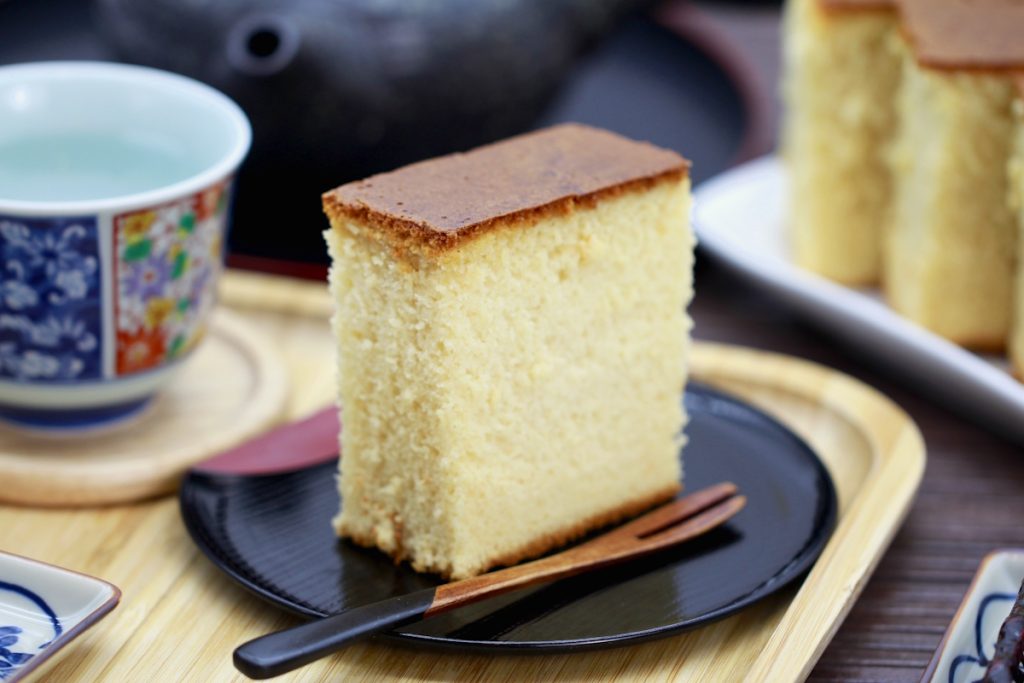
How to make Castella (Kasutera) yourself: How to make this Japanese honey cake
Why is Castella often described as Japan’s moistenest cake? Although Kasutera consists of just a…
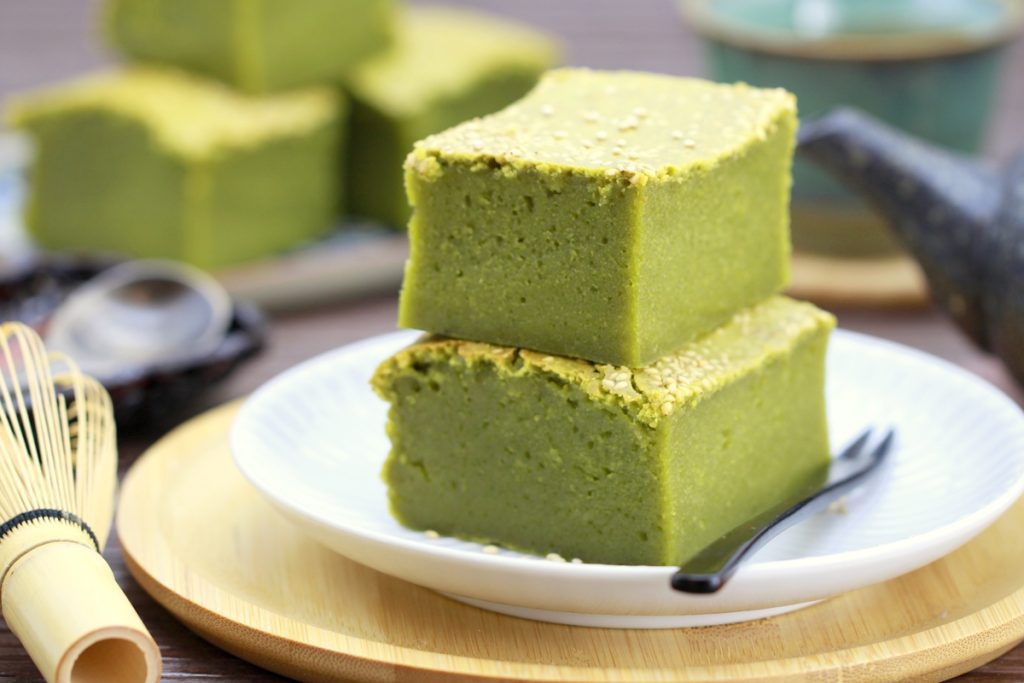
Make your own Matcha butter Mochi: Hawaiian Mochi cake with green tea
If you drink Matcha regularly, you might be familiar with this: at some point, you…
Warabi Mochi: Make your own delicate summer dessert with Kinako & Kuromitsu syrup
When the weather warms up, the appetite for light, refreshing sweets grows in Japan –…
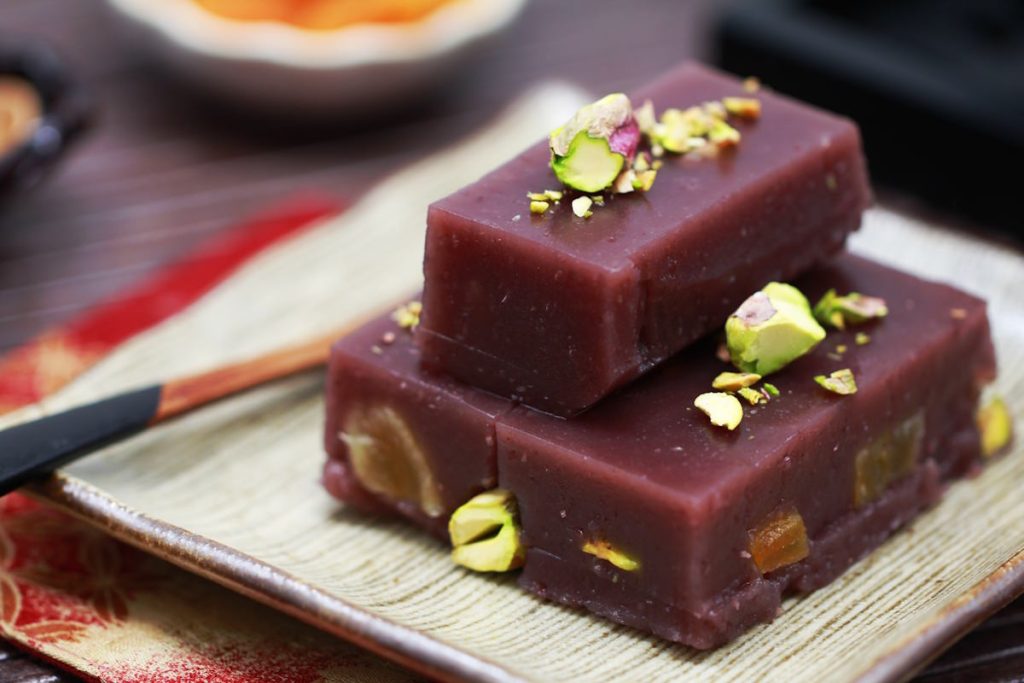
Make your own Yokan: Japanese jelly with red bean paste, apricot & pistachio filling
Yokan is a classic Japanese jelly made from red bean paste and agar-agar, which captivates…
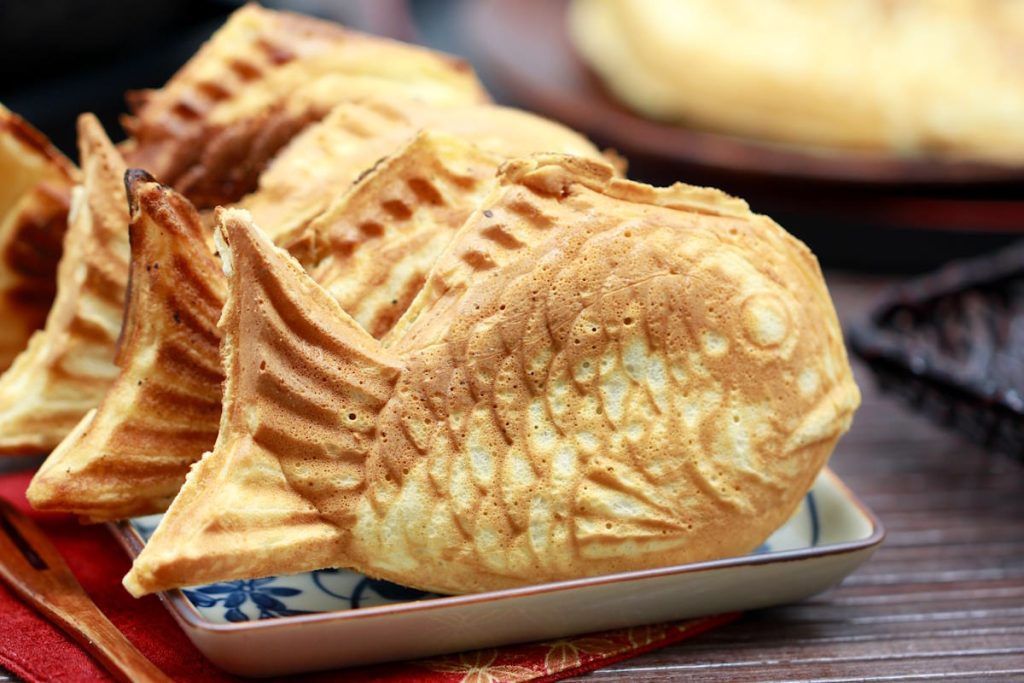
Make your own taiyaki: Japanese fish-shaped waffles with sweet anko filling – easy & so delicious!
Taiyaki is a classic of Japanese street food and delights with its charming fish shape…
Have you tried the recipe yet? Let me know in the comments – I can’t wait to hear from you.