
Language:


Soba noodles hold a special place in the world of Japanese cuisine. They are not only a culinary delicacy, but also an expression of tradition and craftsmanship. With this guide, you’ll learn how to make authentic Teuchi soba noodles in just 20 minutes – a simple recipe for an authentic Japanese experience.
What are soba noodles?
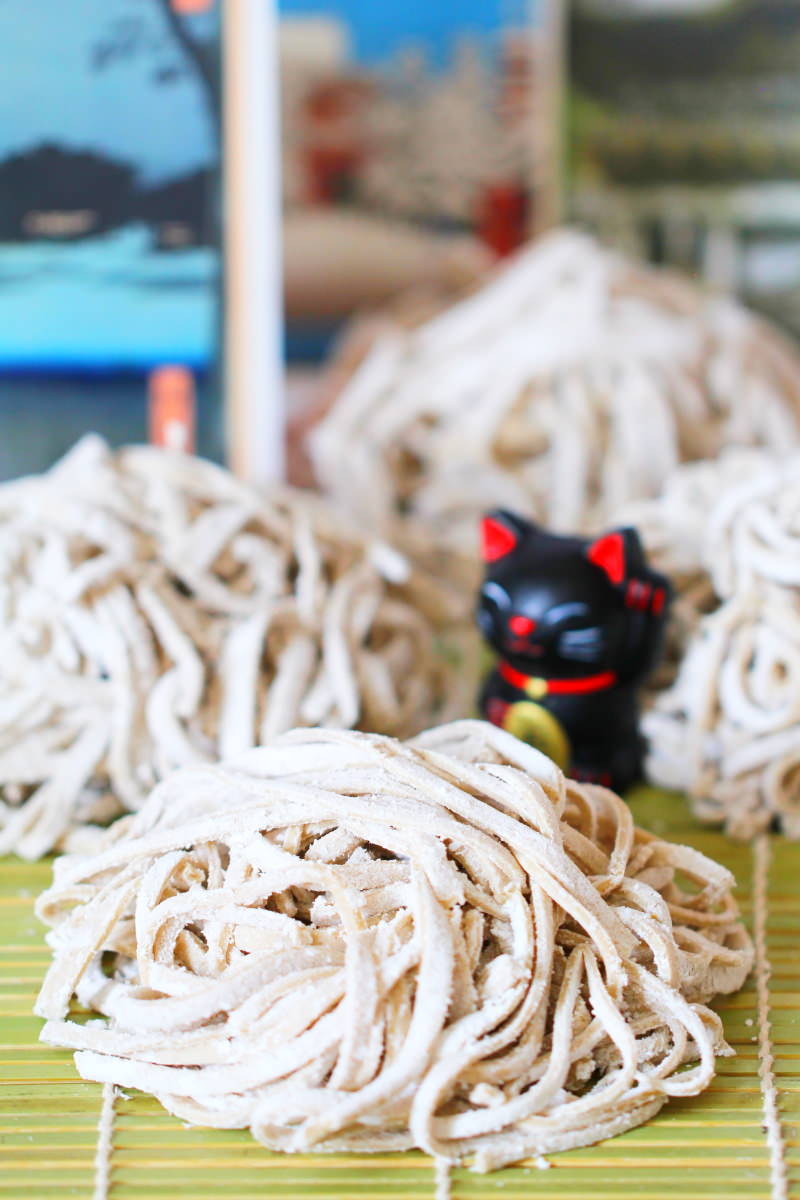
Soba, made from buckwheat flour, is a staple of Japanese cuisine. Unlike most noodles, which are mainly made from wheat, soba offers a unique, nutty flavour and a darker colour.

Tip
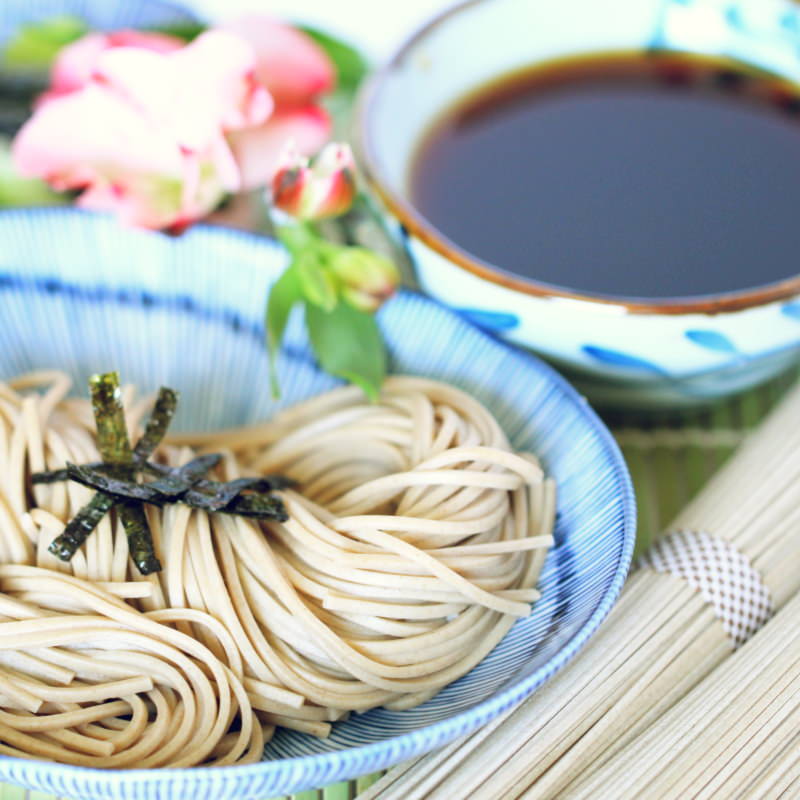
Soba noodles are extremely versatile and pair well with a wide variety of flavours. Whether served cold with tsuyu dip – a mixture of soy sauce, Mirin and Dashi – or warm in a hearty broth, they provide the perfect base for creative dishes. Be bold and try different toppings such as spring onions, grated daikon, wasabi or even pieces of Tempura to take your soba noodles to the next level.
Historically, soba noodles served not only as an important source of protein but were also a symbol of longevity and prosperity. Their popularity in Japan ranges from simple households to gourmet restaurants, with each region maintaining its own special method of preparation.
OUR RECOMMENDATION
Cookbook ‘Dashi to Dango’
Discover the fascinating world of Japanese cuisine with my cookbook “Dashi to Dango” – simple and enjoyable in your own kitchen.
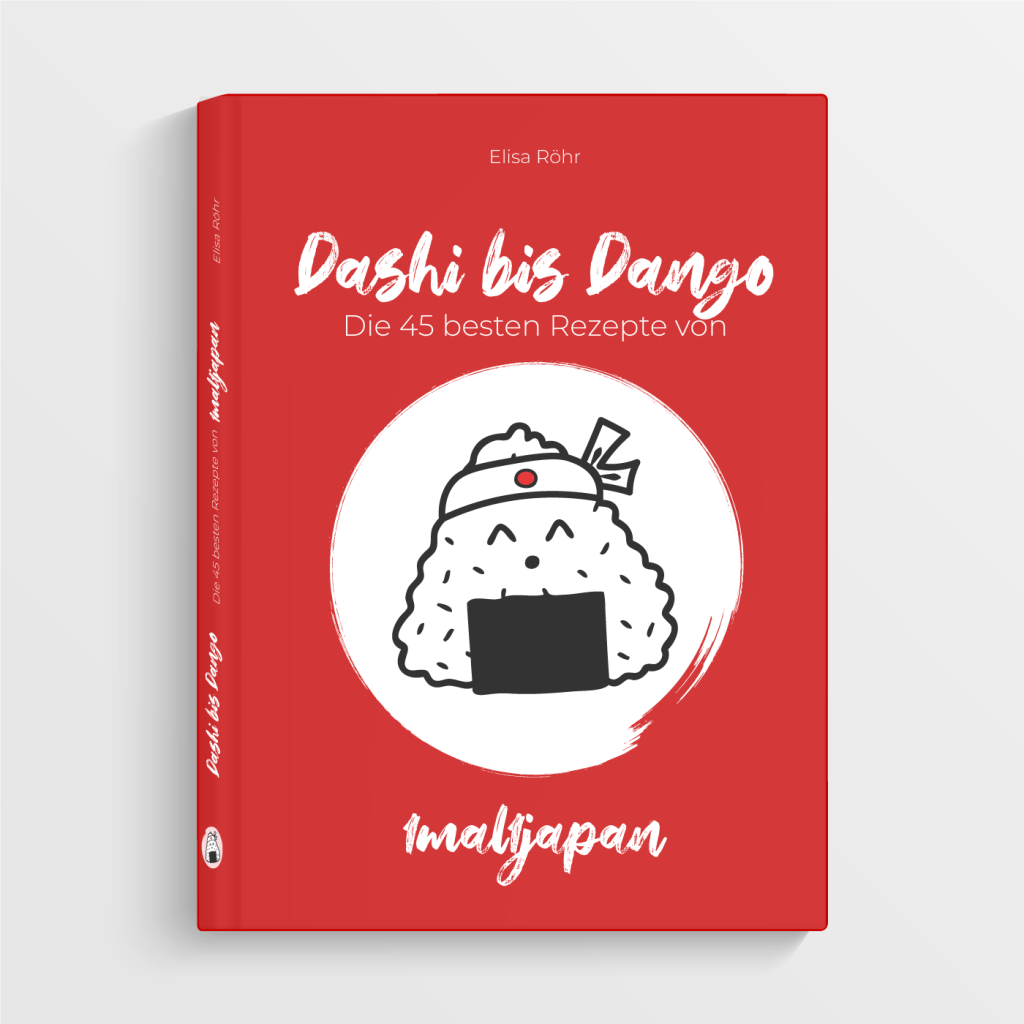
With loving attention to detail and exquisite recipes, you’ll become a master of traditional dishes that will enchant your palate. Don’t wait any longer – start your culinary adventure and bring the magic of Japan into your kitchen!
Why make your own soba noodles?
Homemade soba noodles far surpass their shop-bought counterparts. By combining buckwheat and wheat flour and adding starch, you achieve a perfect balance between smoothness and firmness.
This process, although demanding, is not as time-consuming as one might think and is rewarded with an incomparable taste experience. There is an old Japanese proverb that describes soba noodle making: “Four years for the dough, four years for rolling it out, and two years for cutting the noodles.” This highlights the traditional appreciation of the craft, but don’t worry, our recipe won’t take you ten years!
How to make homemade soba!
Making soba at home is a rewarding challenge that is not only fun but also offers deep insights into Japanese culture. Start by carefully selecting your ingredients.
Mix the buckwheat flour, wheat flour and starch in the correct proportions and slowly work in the water until the dough has reached the perfect consistency. The key to success lies in patience and attention to detail.
Once the dough has been rolled out and cut into thin strips, cook the noodles briefly in boiling water. The result? Delicate soba noodles that absorb any broth or sauce wonderfully and are a feast for the senses.
Homemade soba noodles are not only a way to hone your culinary skills, but also offer an authentic taste experience that you and your loved ones will never forget. This recipe opens up a world of flavour and tradition, inviting you to discover the depth and diversity of Japanese cuisine.
Whether as part of a festive feast or a simple, nutritious meal – soba noodles embody the heart of Japanese food culture. Immerse yourself in Japan’s heritage and let yourself be enchanted by the simplicity and elegance of soba noodles.
Find out how to make really delicious homemade soba noodles from just a few basic ingredients in this recipe! Have fun and good luck making your homemade buckwheat noodles:
Soba noodles
serves 2 | 20 minutes | 616 kcal
🖨️ Print PDF 📌 Save pinTo make homemade soba noodles, you only need 3 ingredients and it takes just 20 minutes! With their particularly aromatic buckwheat scent and handmade texture, they are the perfect base for both cold and hot soba noodle dishes.
Ingredients (2 servings)
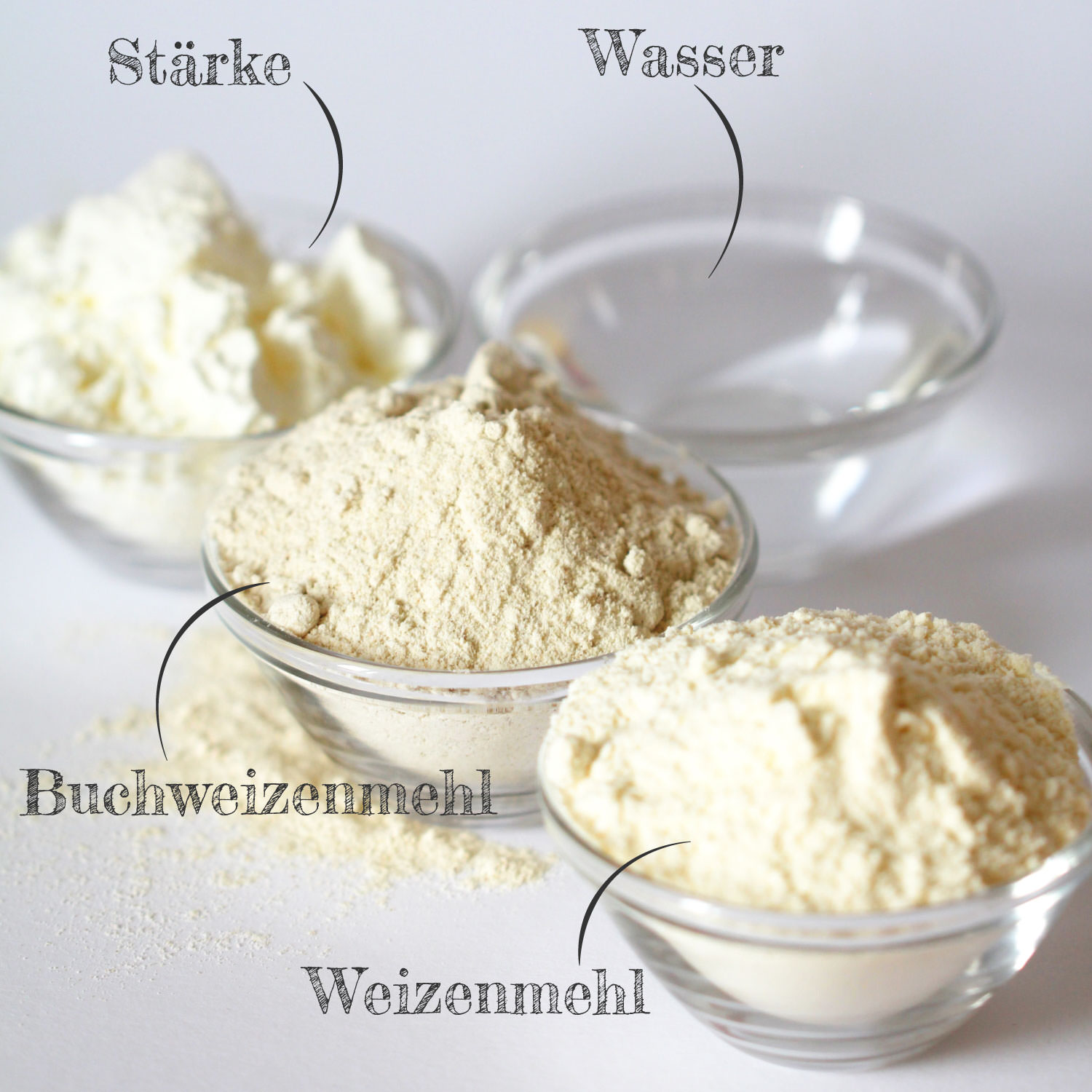
280 g buckwheat flour
70 g wheat flour
150 ml water
80 g katakuriko (potato starch) (im Shop ansehen)
or buy soba noodles 😉 (im Shop ansehen)
Preparation (20 minutes)
Step 1
Prepare the ingredients for the homemade soba noodles.
Step 2
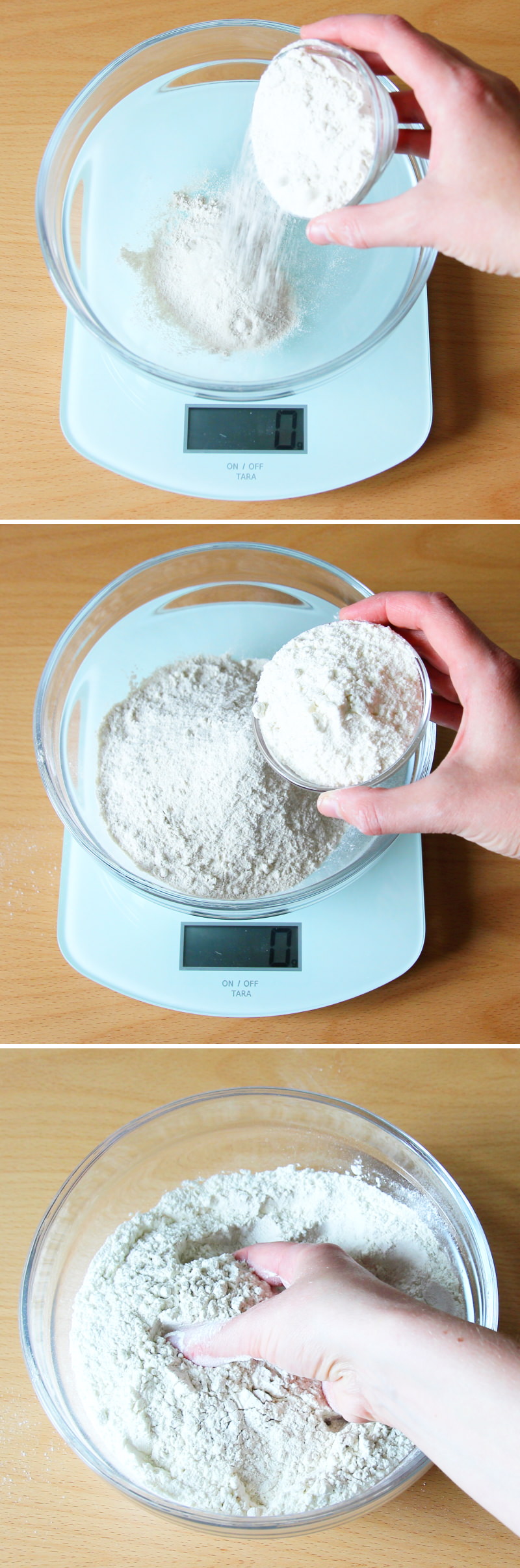
Place the buckwheat and wheat flour in a large bowl and mix briefly.
Step 3
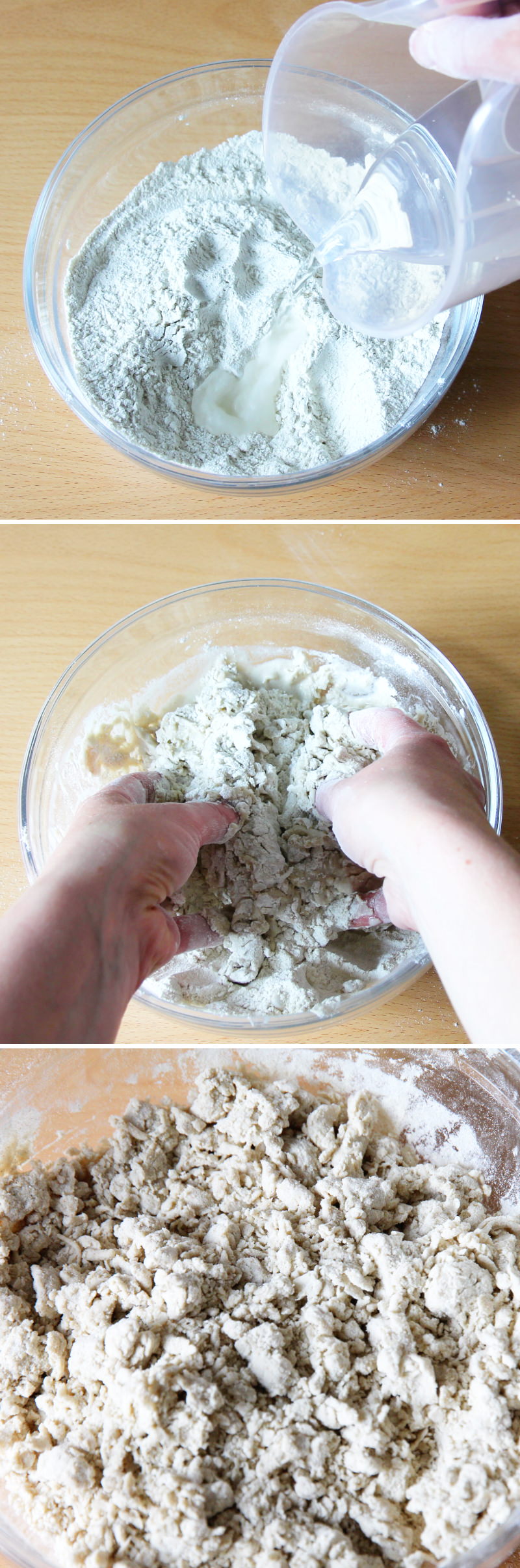
Pour the water into the flour and first mix the dough with your fingers in the bowl to form small lumps, so that the water combines perfectly with the flour. If the dough seems either too dry or too wet, gently knead in a little water or flour.
Step 4
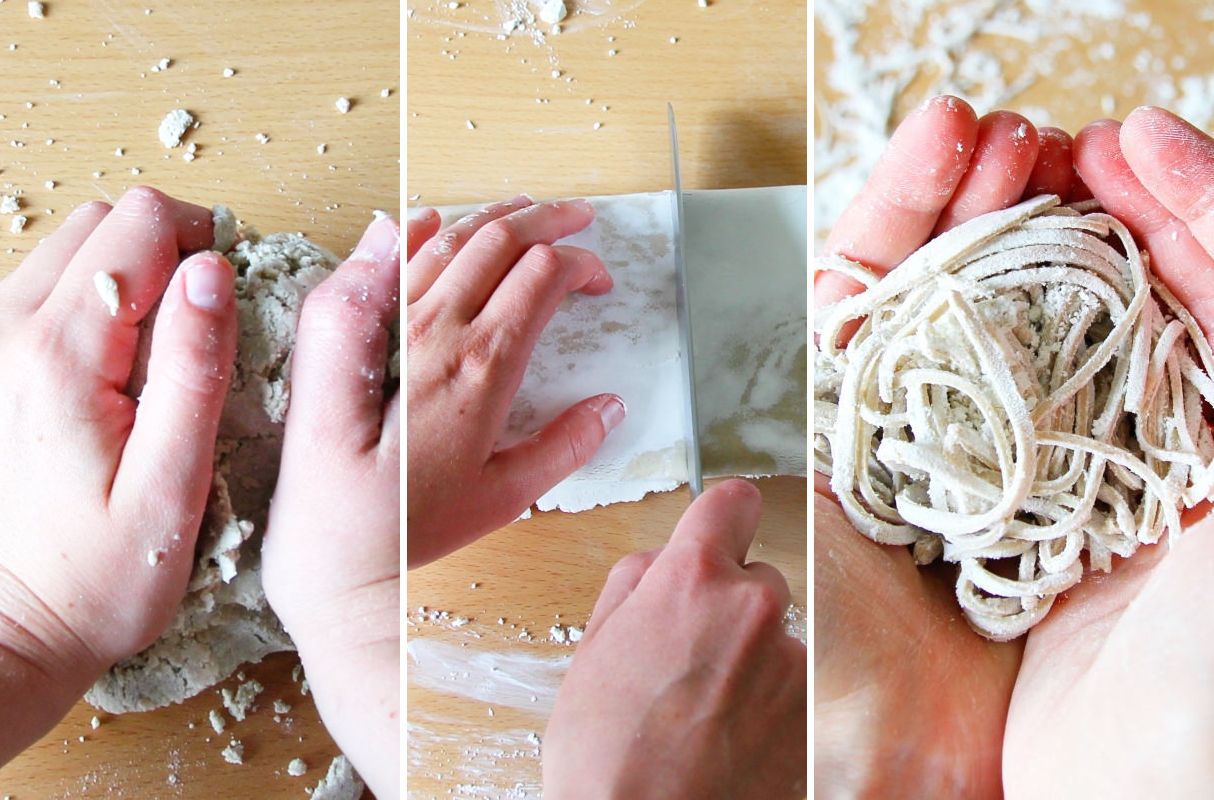
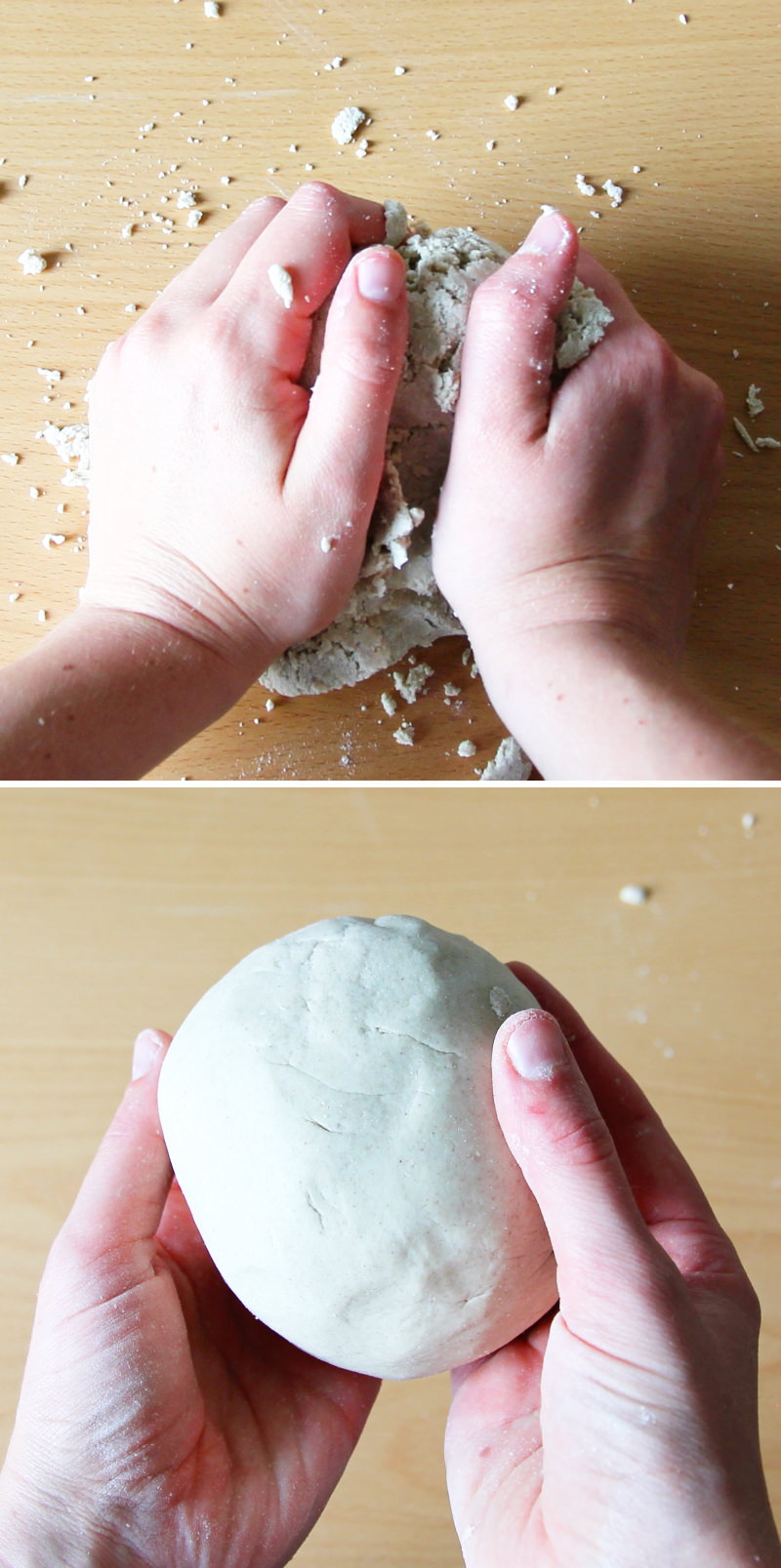
Then knead the dough with your hands for about 5 minutes on the work surface to form a firm ball.
Step 5
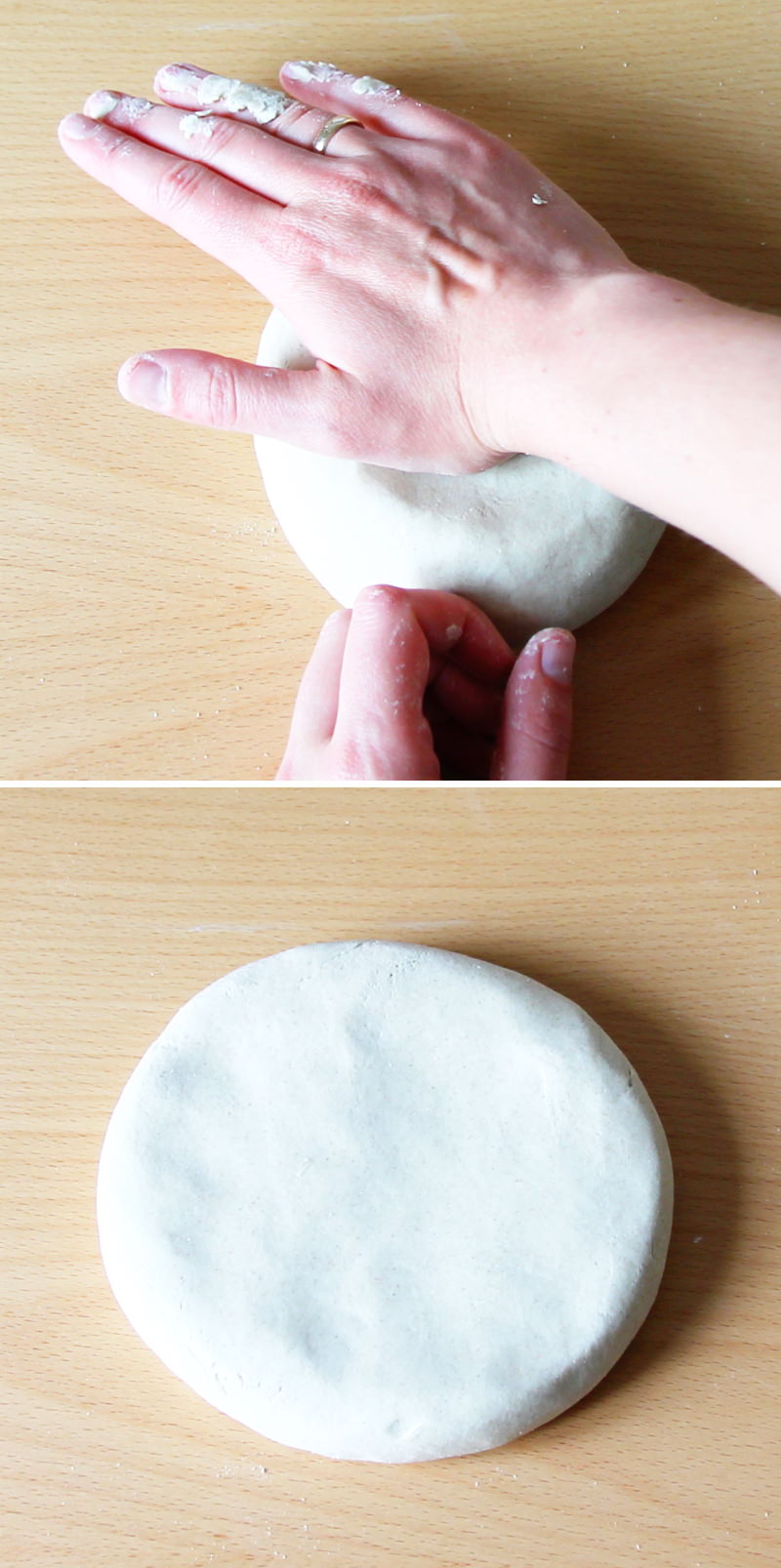
Press the dough ball with the palms of your hands into a flatter disc and place it on a surface dusted with starch. Sprinkle the dough disc with a little starch as well.
Step 6
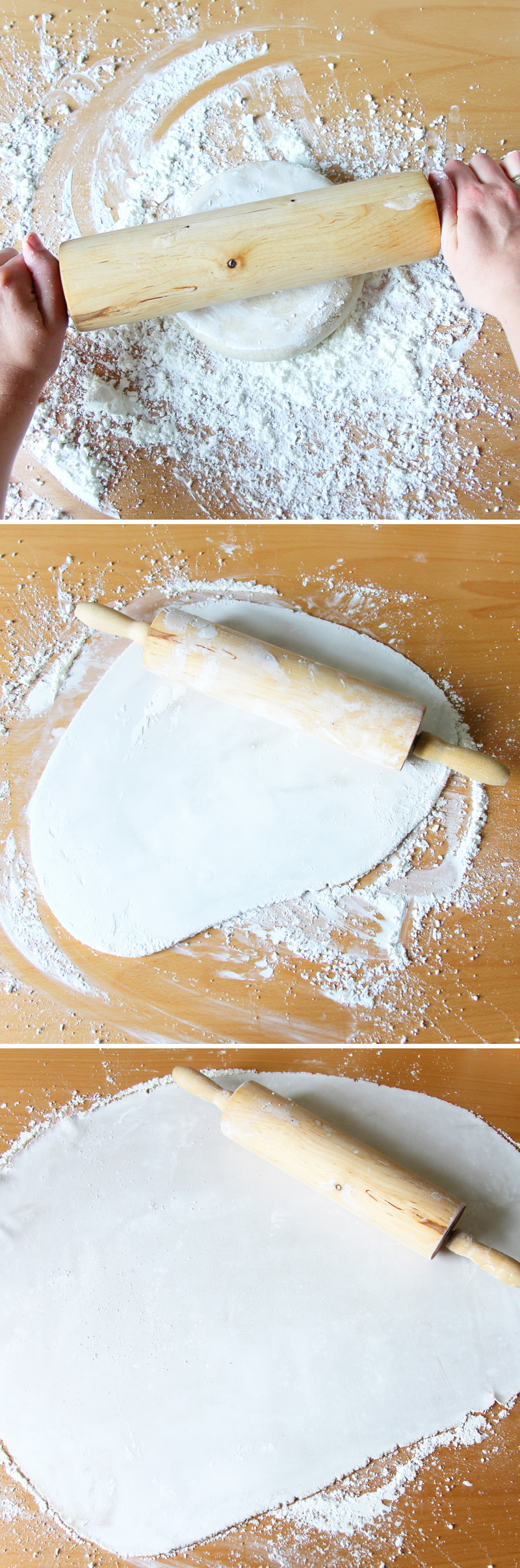
Roll out the dough with a rolling pin to a maximum width of 3 mm (i.e. very thin) – ideally, you should end up with a rectangle so that as little waste as possible is produced when cutting the noodles. If you’re unsure about the thickness of the dough, it’s better to leave it a little thicker and cook the noodles for a bit longer later on!
Tip: If you have a pasta machine, follow the passages in my Ramen Noodle Recipe for rolling out and cutting!
Step 7
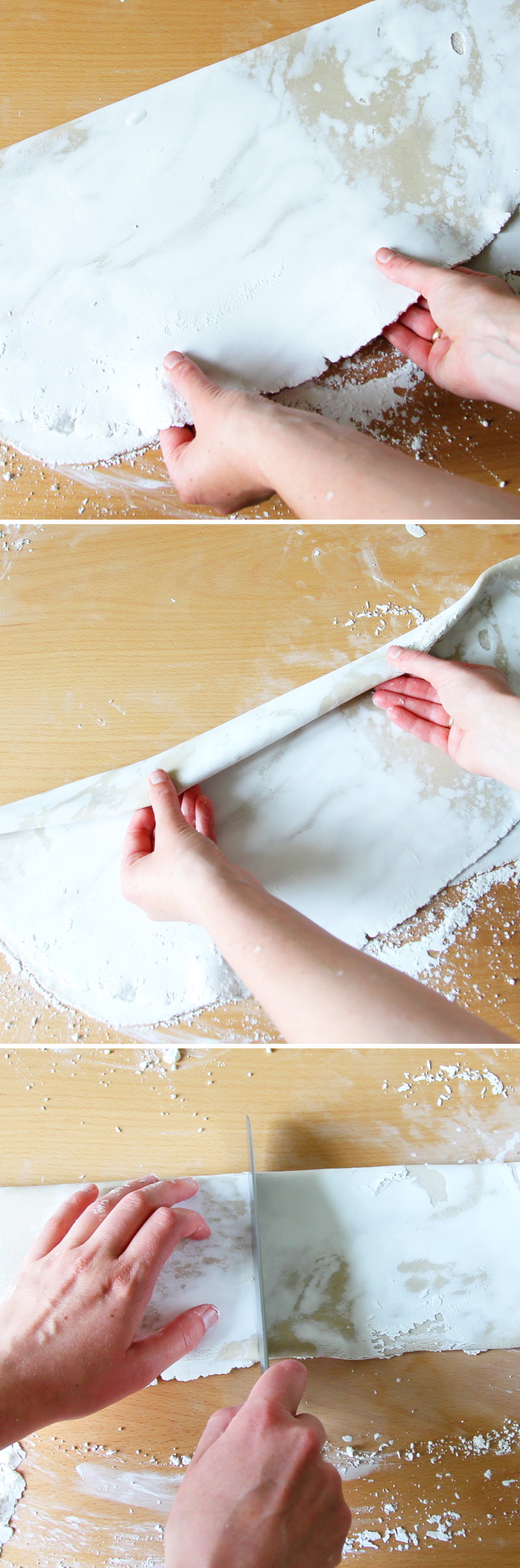
Dust the rolled-out dough with starch once more and fold it carefully twice: Pick up the dough at the top end and place it on the bottom end. Then take the top end (where the fold is) and place it on the bottom end.
You can now cut the folded dough in half, so that it is easier to handle when cutting.
Step 8
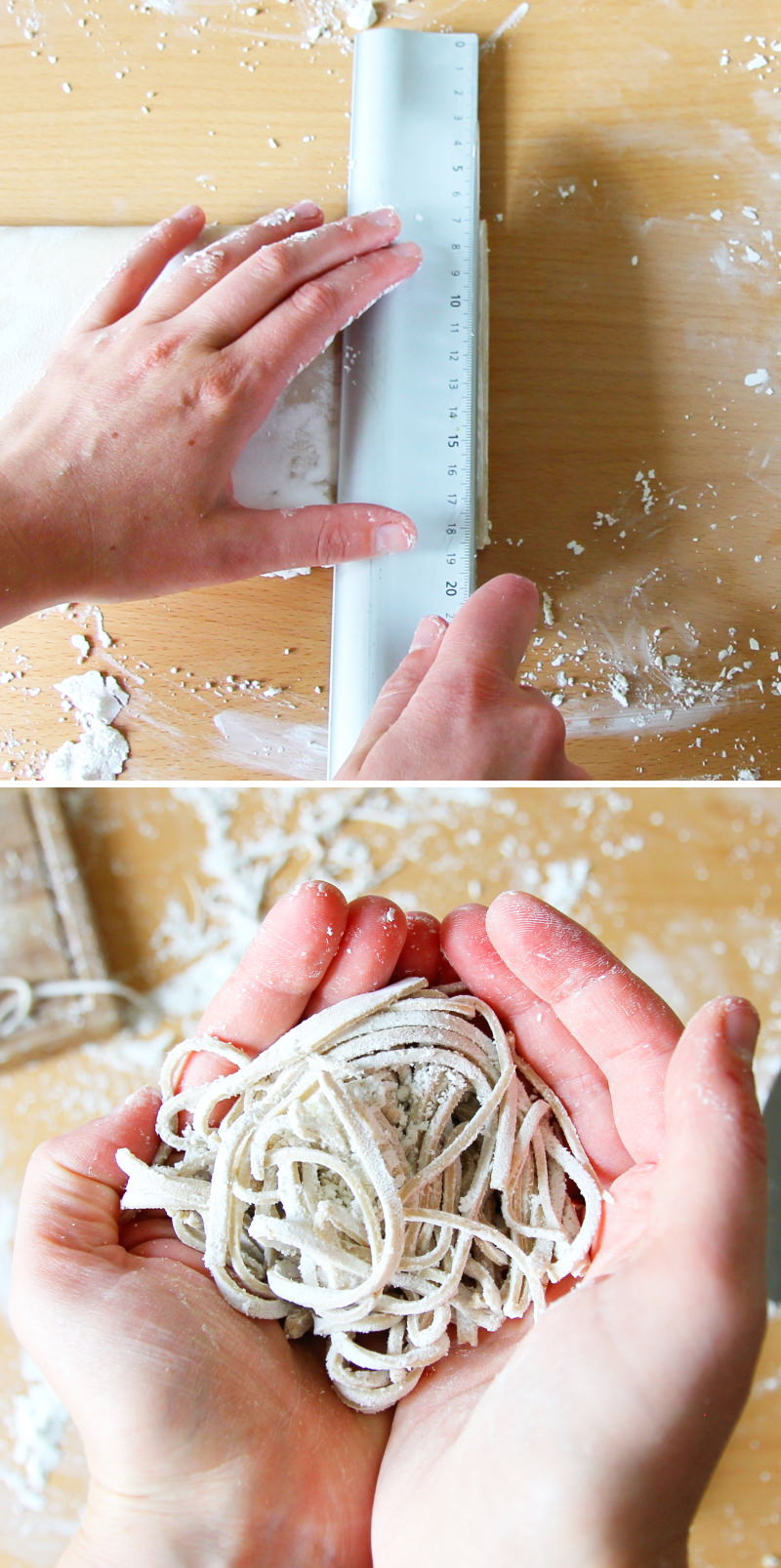
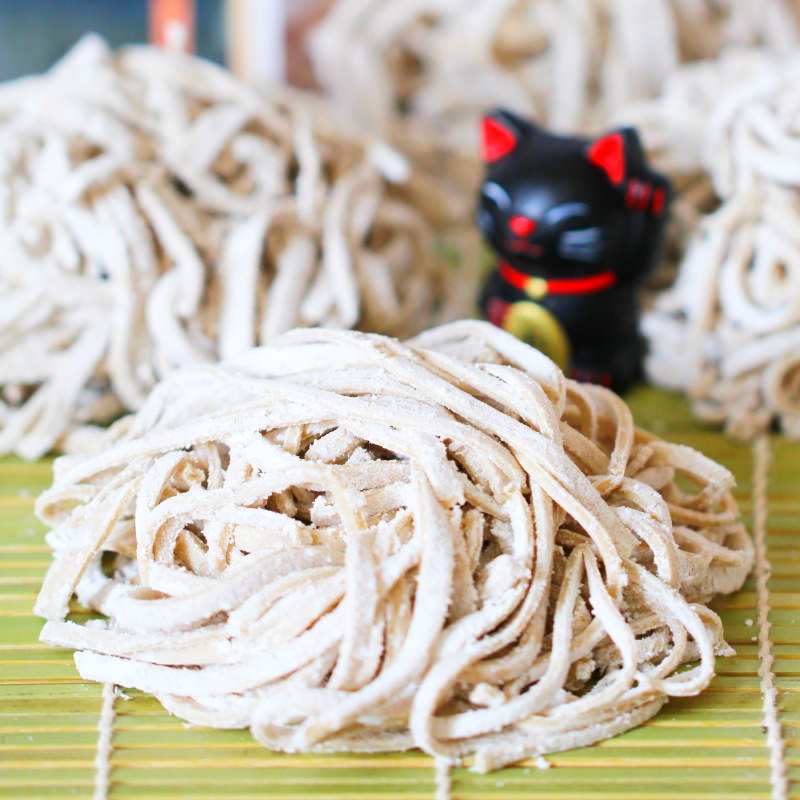
Now, using a large sharp knife, cut 1–2 mm wide noodles (I use a long ruler as a guide). After a few cuts, release the noodles and move them gently in your hand, then set them aside covered with a small amount of starch.
Step 9
Now the noodles can be boiled in slightly salted water in a large pot for 4 to 5 minutes (slightly longer for thicker noodles) boiled and then drained and rinsed under cold water (for example, for Zaru Soba). Done – Itadakimasu!
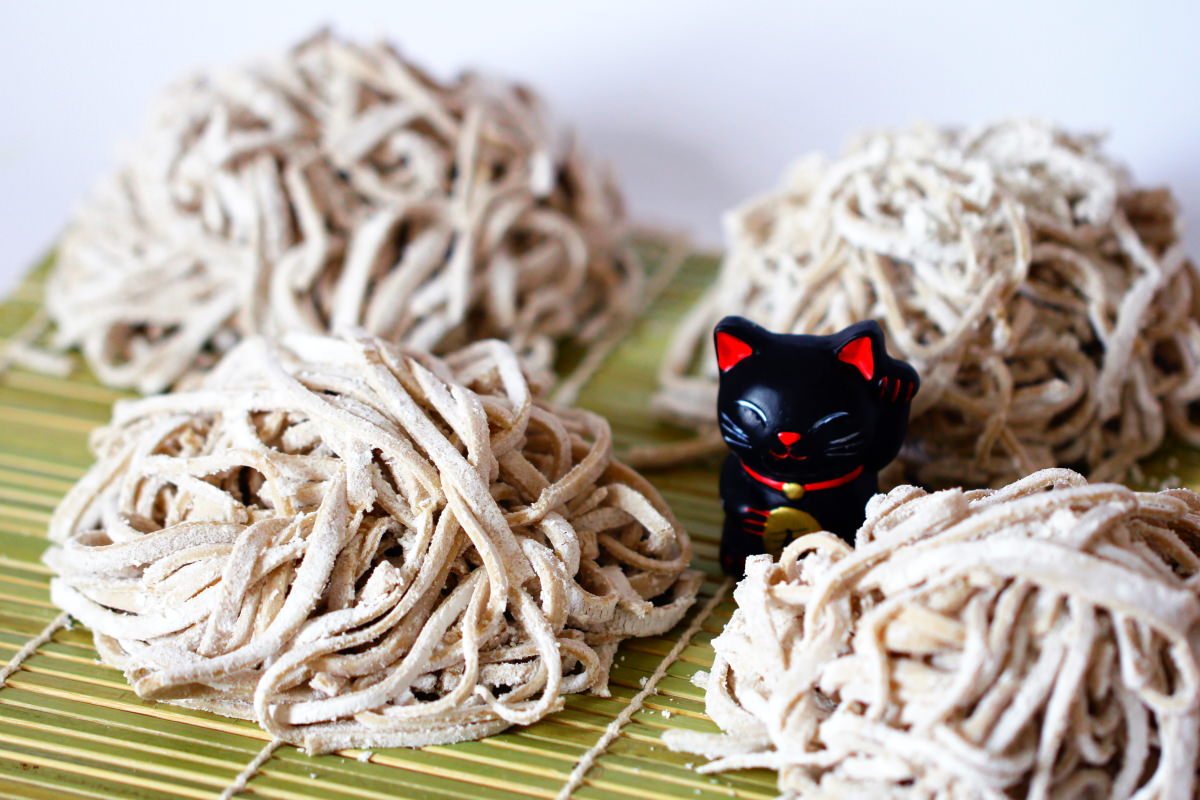
Your homemade soba noodles are now ready! Wondering what you can cook with them? Here are my favourite soba recipes:
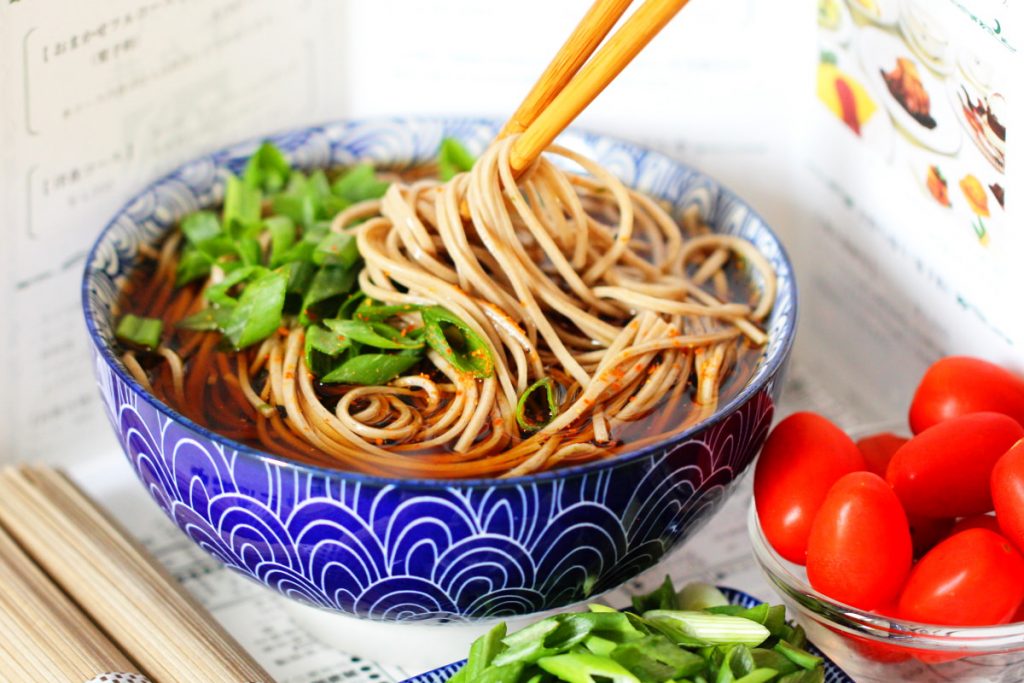
Kake Soba – soup with buckwheat noodles in a light broth
This recipe for a light kake soba noodle soup is a wonderfully simple dish from…
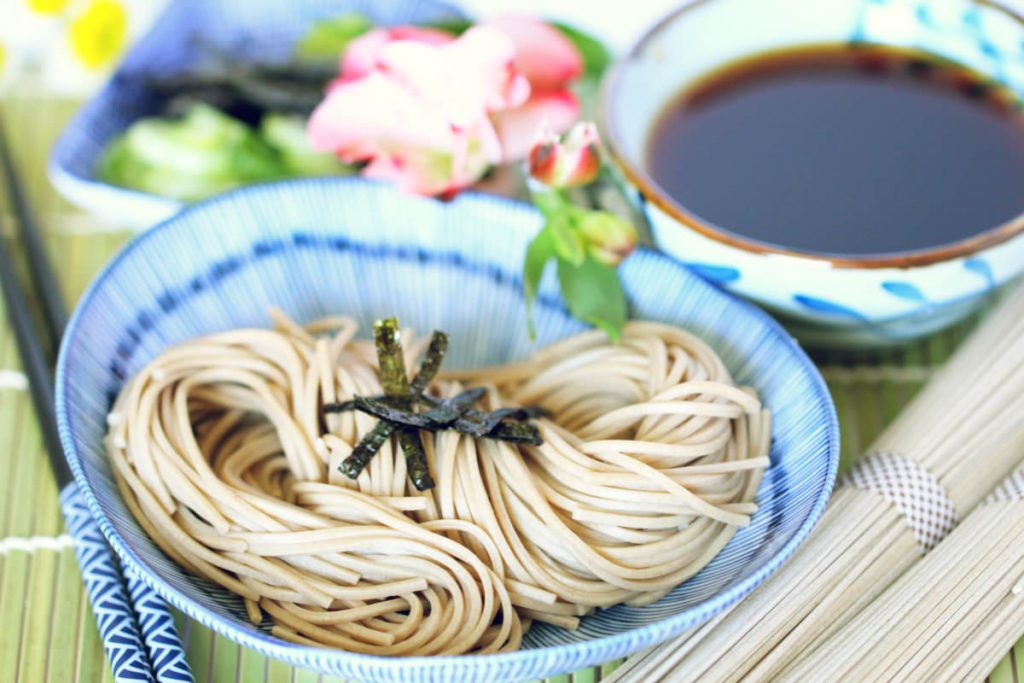
Zaru Soba – cold soba noodles with sauce & toppings
Light and refreshing – the ideal summer dish from Japan is called Zaru Soba. This…