

Language:


Feel the joy and beauty of Japanese spring with every bite of traditional Hanami Dango! These colourful rice balls are more than just a sweet treat – they are a feast for the senses and a symbol of the renewal and joy that spring brings.
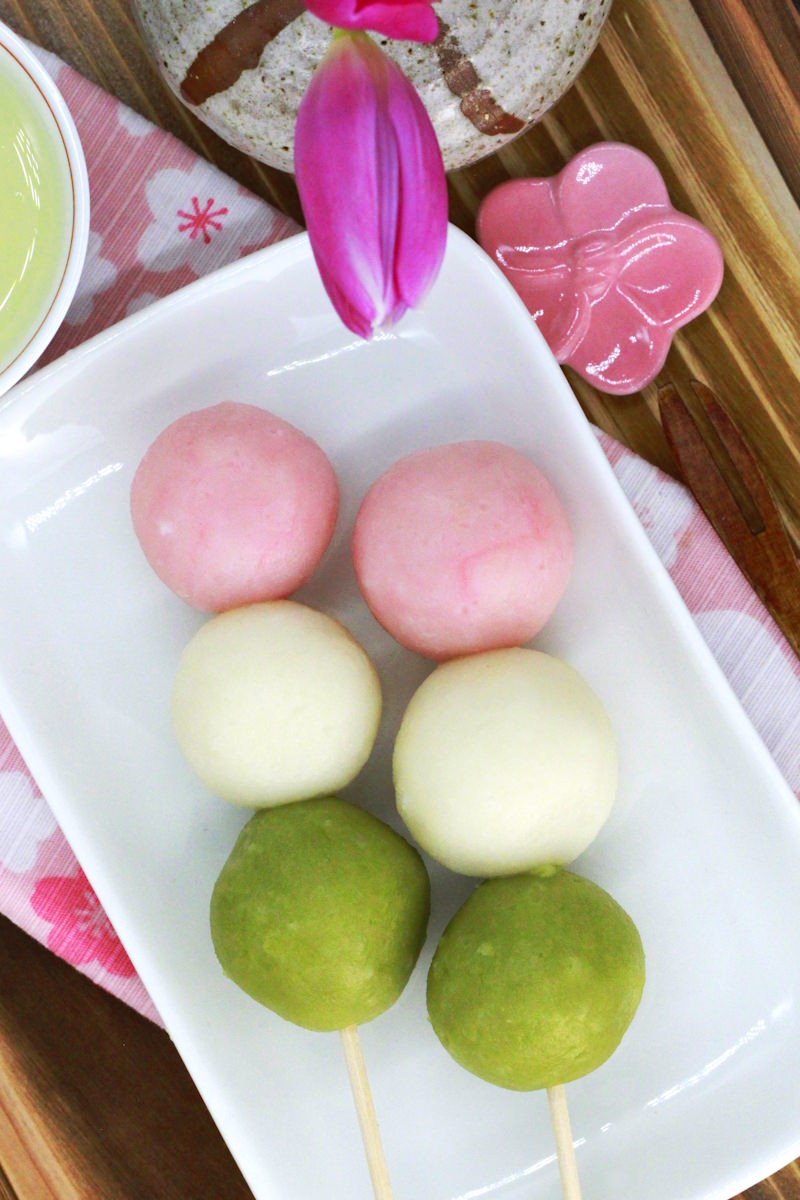
Whilst the cherry blossoms (Sakura) are in full bloom, families and friends gather beneath the blossoming trees to enjoy the beauty of nature and share these delicate delicacies strung on skewers.
The three colours – pink for the blossoms, white for the melting snow and green for nature reawakening – reflect the essence of spring. Join me on a culinary journey through Japan with this simple recipe for Hanami Dango, and let yourself be inspired by the lightness and joy of the Sakura season.
What exactly are Dango?
Dango are a quintessential element of traditional Japanese confectionery, known collectively as wagashi. For centuries, these small, round balls made from glutinous rice flour have symbolised Japan’s connection to nature and seasonal festivals. They are popular not only for their variety of flavours, but also for their close ties to Japanese culture and history.
Making Dango is relatively simple: a mixture of glutinous rice flour (im Shop ansehen) and regular rice flour (im Shop ansehen) is kneaded into a dough, shaped into small balls and then cooked in hot water until they float and are thoroughly cooked. Unlike Mochi, which is made from steamed glutinous rice and then kneaded into a sticky mass, the preparation of Dango offers a different textural delight.
OUR RECOMMENDATION
Cookbook ‘Dashi to Dango’
Discover the fascinating world of Japanese cuisine with my cookbook “Dashi to Dango” – simple and enjoyable in your own kitchen.
With loving attention to detail and exquisite recipes, you’ll become a master of traditional dishes that will enchant your palate. Don’t wait any longer – start your culinary adventure and bring the magic of Japan into your kitchen!
In Japan, Dango is prepared with various ingredients and flavours, ranging from sweet bean pastes to the famous soy sauce glaze and seasonal variations, which reflect the changing seasons. Hanami Dango are particularly popular in spring, when the cherry blossoms are in full bloom. The three colours of Hanami Dango – pink, white and green – symbolise this beautiful season and are often eaten during the traditional cherry blossom viewing, known as hanami.
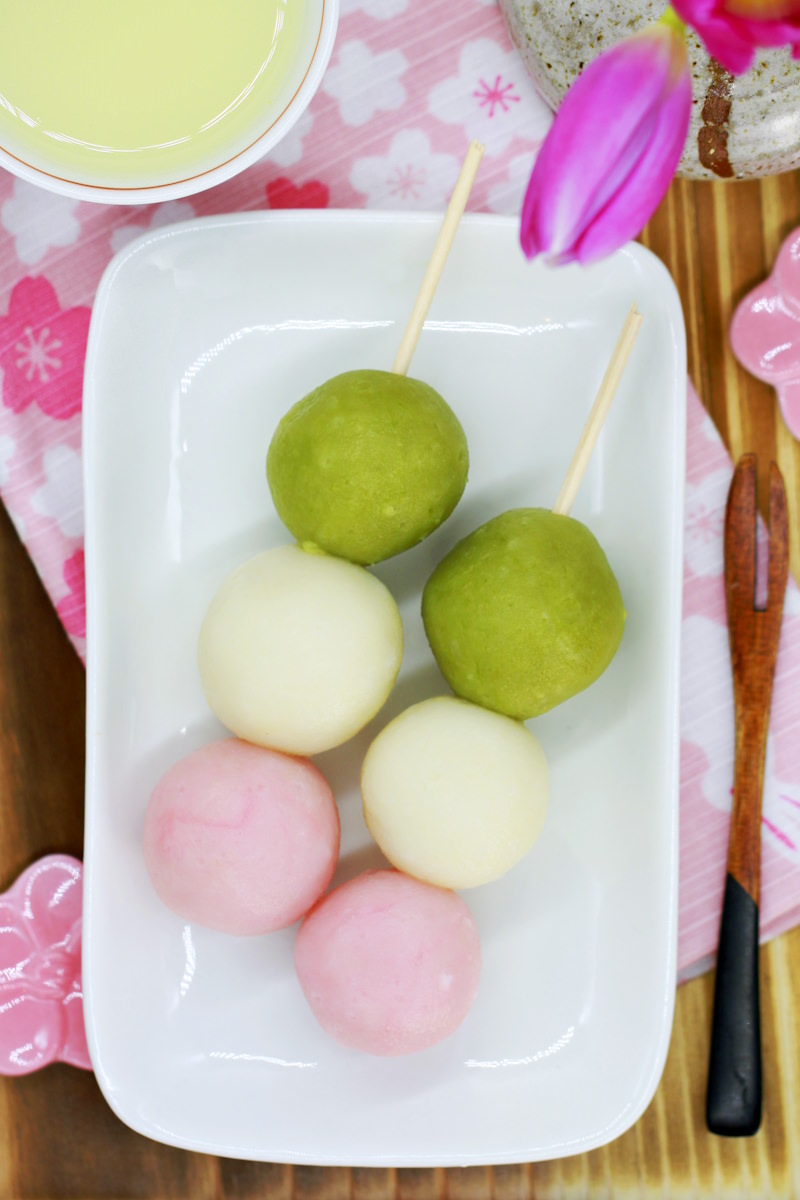
Dango are truly more than just a sweet treat – they are a living piece of Japan’s history and culture. From street vendors in the bustling streets of Tokyo to quiet, traditional teahouses, they offer a glimpse into the country’s cultural heritage. Their simple yet versatile nature makes them a staple of Japanese cuisine and a must-try for anyone wishing to explore the flavours of Japan.

Tipp
Making Dango isn’t difficult and is essential if you want to make traditional Japanese sweets at home. Here you’ll find even more favourite recipes for homemade dango desserts: → Make your own dango: 7 really delicious recipes for sweet rice balls
What makes Hanami Dango so special?
Hanami Dango, a symbolic dish of Japanese spring cuisine, embodies the essence of the cherry blossom season. These Sanshoku Dango, or three-coloured dango, are prepared especially to celebrate Hanami, the cherry blossom festival, an event that welcomes the arrival of spring and celebrates life in its various stages.
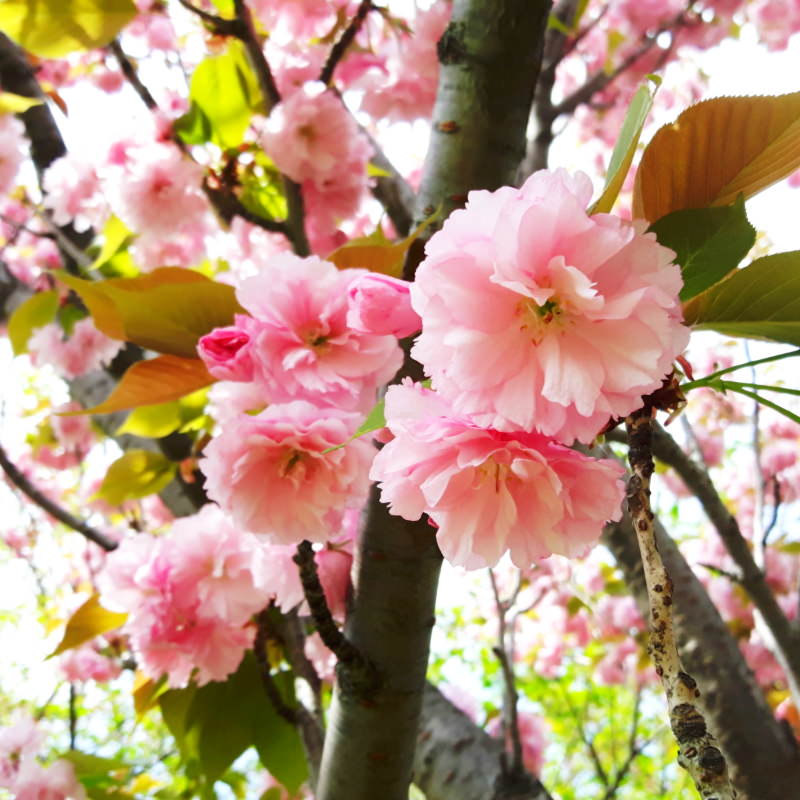
The tradition of Hanami, which dates back to the 8th century, invites people to marvel at the fleeting beauty of the sakura, or cherry blossoms, a symbol of the transient nature of life.
The three colours of Hanami Dango – pink, white and green – have profound meanings. Pink symbolises the buds, representing the beginning of the cherry blossom’s life cycle; white stands for the full blossoms, representing the purity and beauty of nature in all its splendour; green represents the leaves, a symbol of the new life and growth that follows the flowering season. This colour scheme makes Hanami Dango a visual and culinary delight that celebrates spring in Japan.
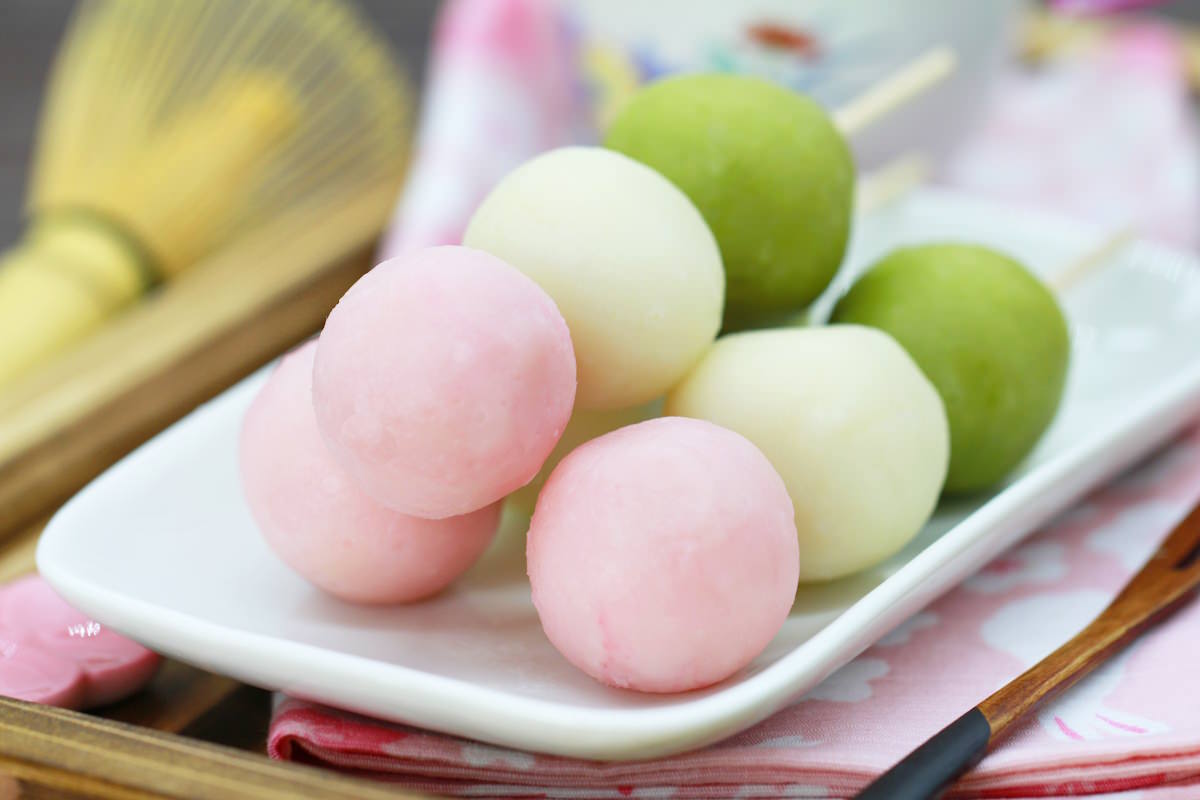
My favourite variety is actually the green rice balls :D. These are coloured with Matcha and, unlike the red food colouring used in the pink glutinous rice balls, add an extra flavour that I simply find irresistible! Hanami Dango are therefore not only a feast for the eyes, but also a culinary link to traditional Japanese culture and the celebration of life.
CUSTOMER FAVOURITE
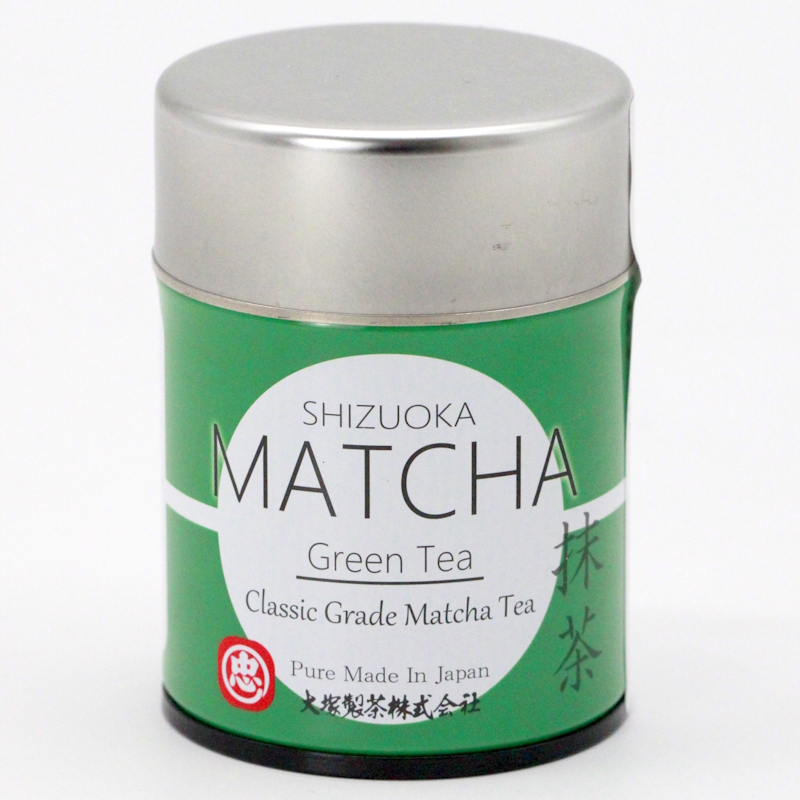
Matcha 30g (japanisches Grünteepulver, für Tee & Küche)
Japanisches Matcha Pulver für Tee, Desserts & Backen. Dieser Matcha von Otsuka Seicha ist ein fein gemahlenes Grünteepulver aus Japan mit intensivem Aroma und leuchtend…
In stock
Make your own Hanami Dango!
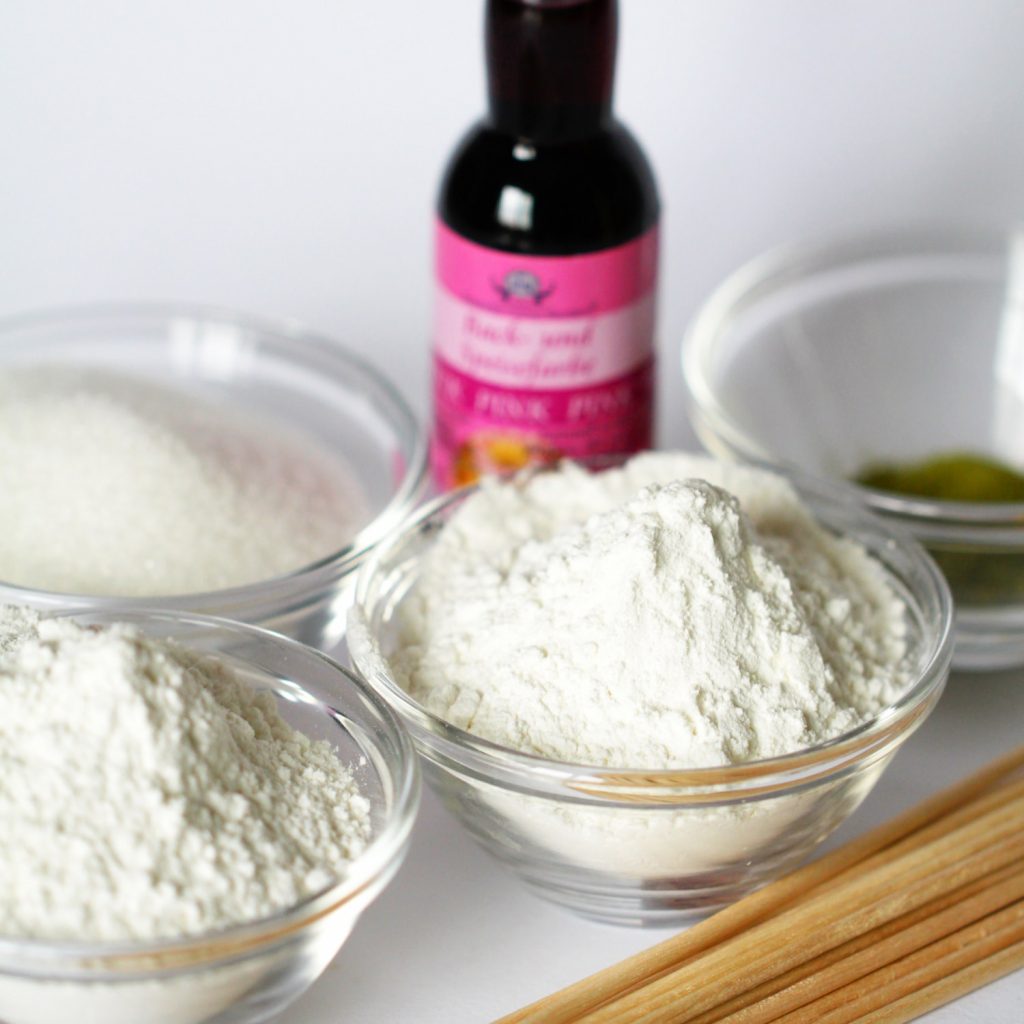
For your homemade Hanami Dango, you will need:
- Glutinous rice flour (im Shop ansehen)
- Rice flour (im Shop ansehen)
- Sugar
- Water
- Food colouring (red)
- Matcha (im Shop ansehen)
- Bamboo skewers
Prepare a dough using glutinous rice flour, sugar and water, and divide it into three portions to shape traditional Hanami Dango in the spring colours of white, pink and green. Colour one portion of the dough with red food colouring and another with matcha powder, whilst leaving the last portion plain.
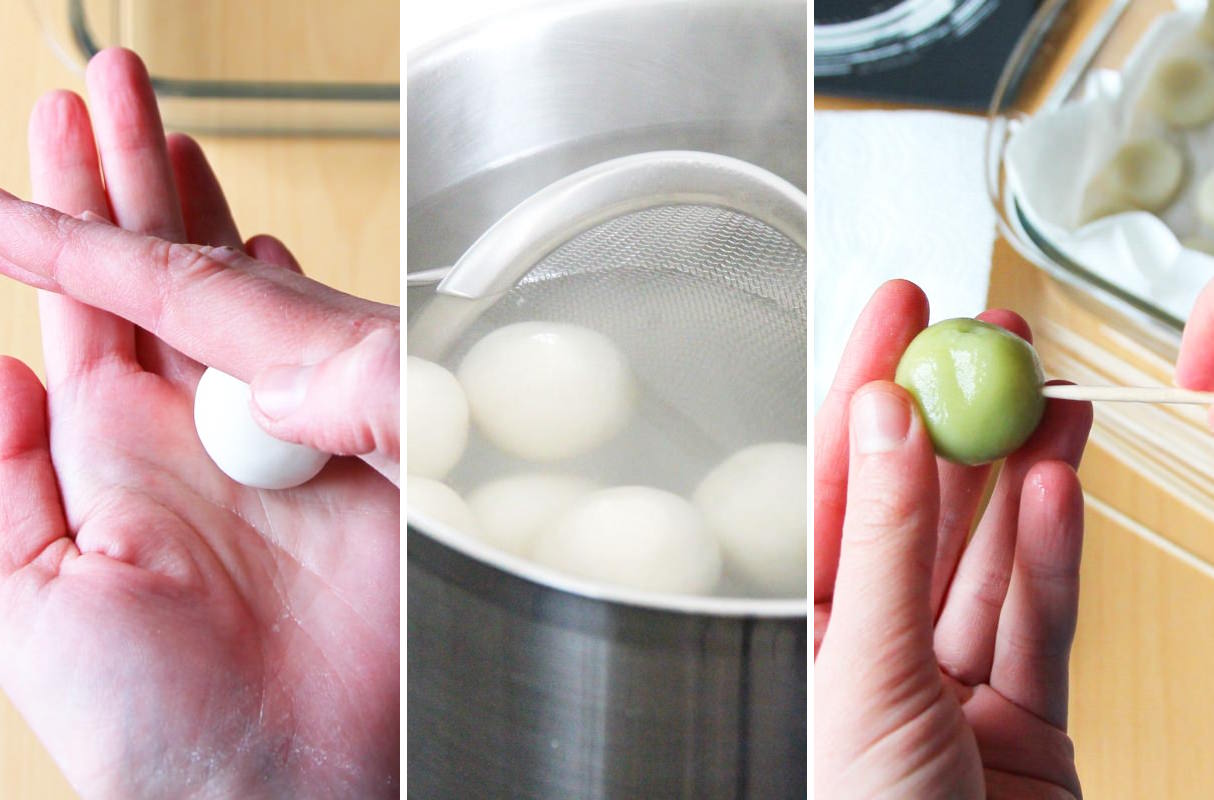
Cook the shaped balls, sorted by colour, in boiling water until they rise to the surface, then cool them in ice water and thread them onto skewers in the order green, white and pink. Serve the Dango at room temperature to enjoy the essence of Japanese spring. Store any leftover Dango in an airtight container at room temperature for up to two days. The step-by-step instructions follow next!
If you have any questions or would like to share your own experiences, please feel free to leave a comment below the recipe. I hope you enjoy making and eating them!
Hanami Dango
serves 12 | 45 minutes | 234 kcal
🖨️ Print PDF 📌 Save pinFeel the joy and beauty of Japanese spring with every bite of traditional Hanami Dango! These colourful rice balls are more than just a sweet treat – they are a feast for the senses and a symbol of the renewal and joy that spring brings.
Ingredients (12 skewers)
200 g glutinous rice flour (im Shop ansehen)*
370 g rice flour (im Shop ansehen)*
120 g sugar
350 ml water
8 drops food colouring (red)
2 tsp Matcha (im Shop ansehen)*
12 skewers
Useful tools:
Japanese Yukihiara saucepan
Fine-mesh sieve (im Shop ansehen)
Preparation (45 minutes)
Step 1
Preparation of the ingredients for the homemade version of Hanami Dango.
Bring the water to a boil and then let it cool to about 96ºC.
Step 2
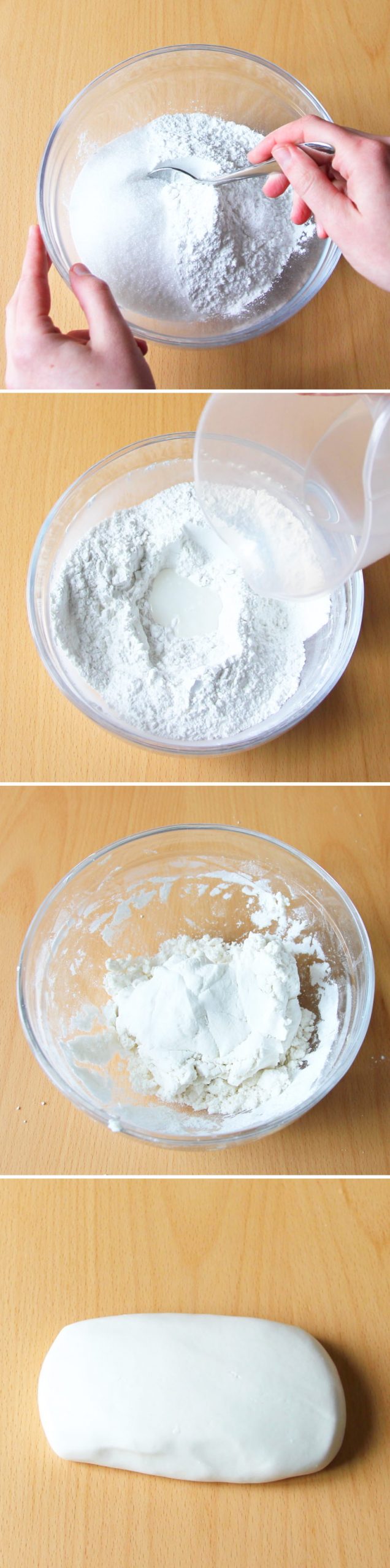
Glutinous rice flour, sugar and about half of the rice flour in a bowl. Gradually add the hot water to the flour mixture. Start by mixing with a spoon. Then add the remaining half of the rice flour and knead with your hands until you have a firm dough.
Step 3
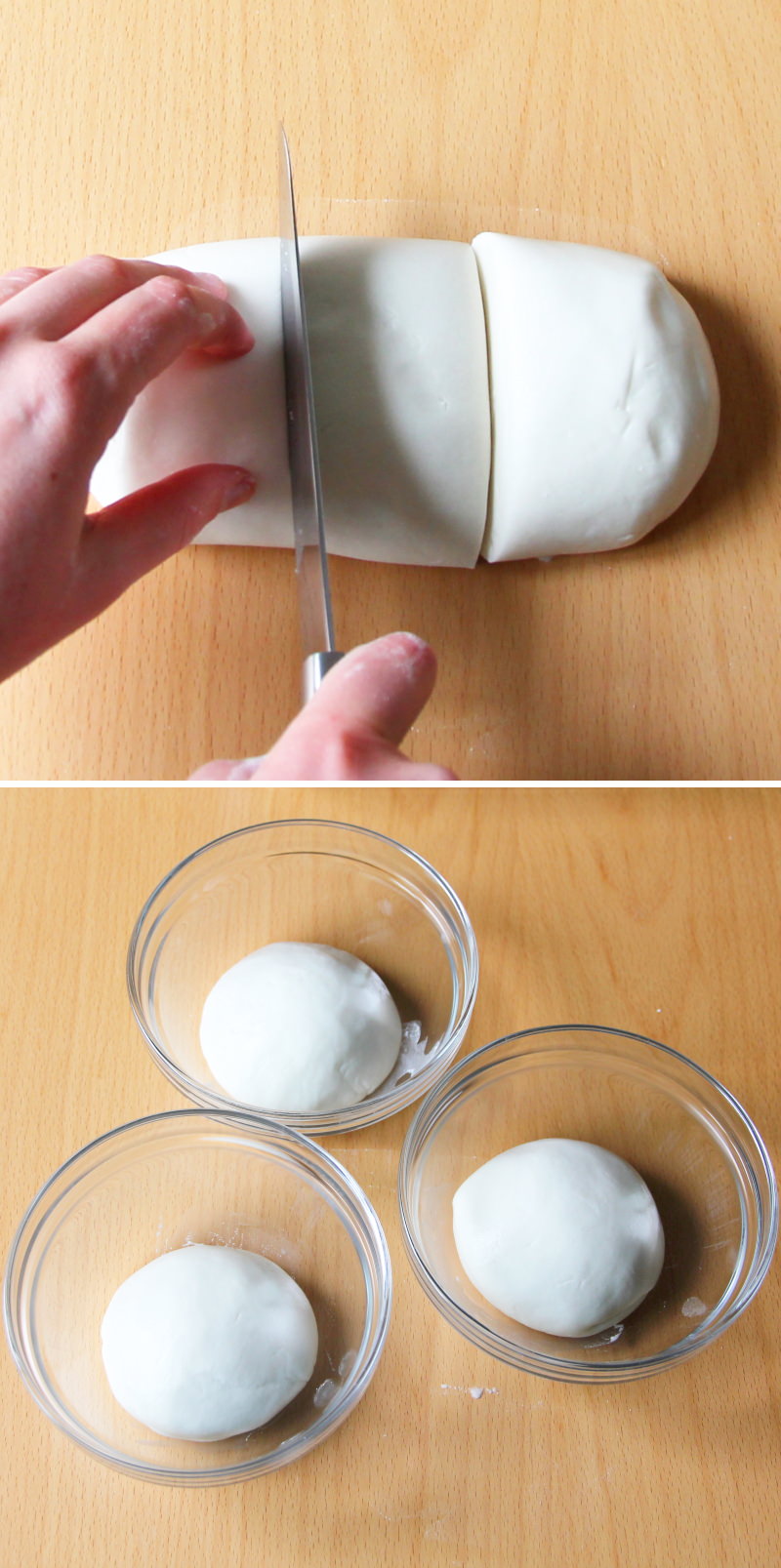
Divide the dough evenly into three portions. Leave one portion of the dough as it is (this will be the white Dango).
Carefully colour the second portion of dough with red food colouring to a soft pink (it should resemble cherry blossoms) and knead well with your hands so that the colour is evenly distributed.
Knead the third portion of dough with the matcha powder to create a light green colour (the matcha powder will absorb water during cooking, intensifying the green colour).
Step 4
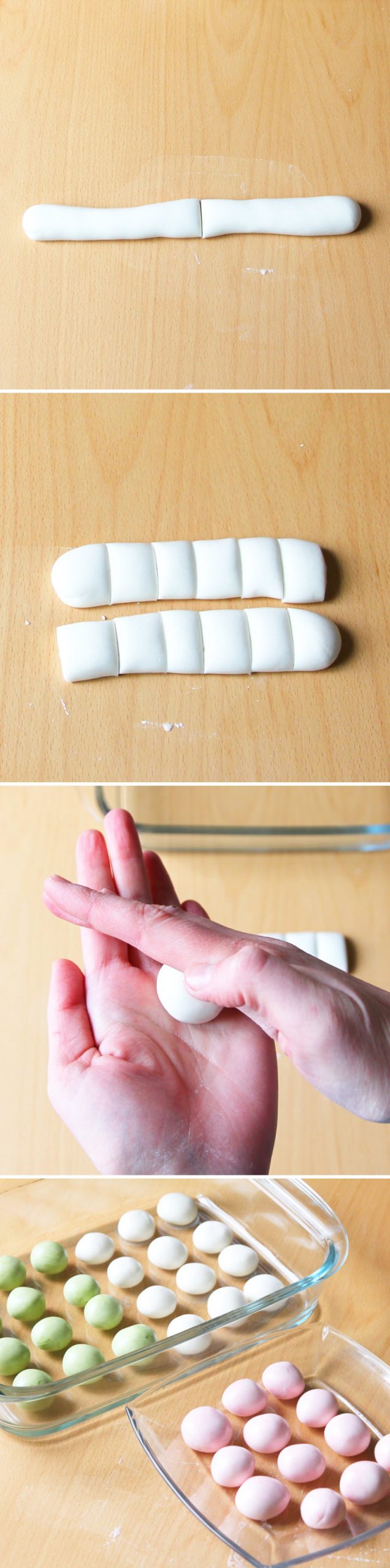
Shape each piece of dough into a long roll, then cut in half and divide each half into six pieces. Roll each piece of dough between your palms into neat balls. This creates 12 equally sized balls for each color (white, pink, green).
Step 5
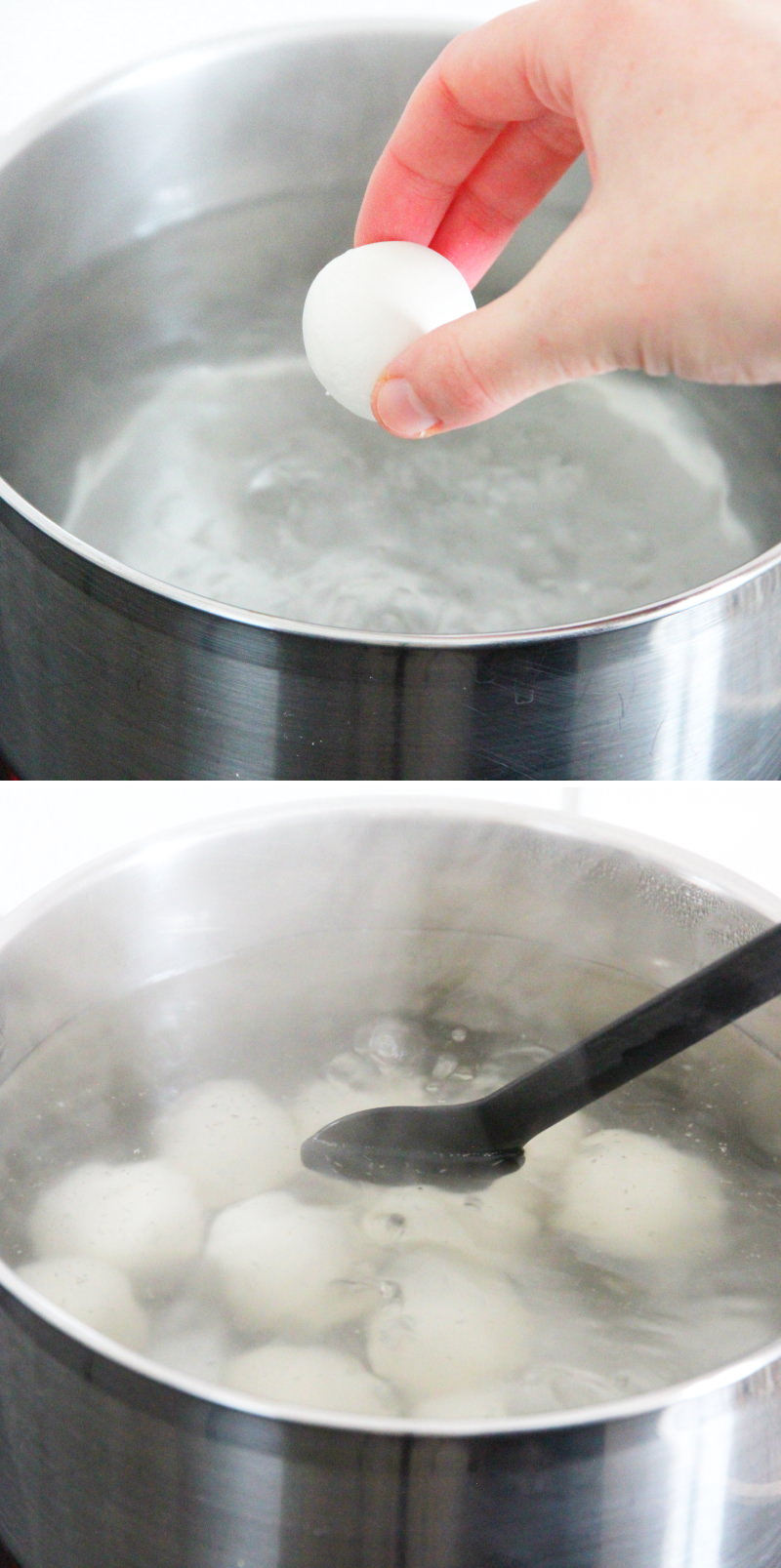
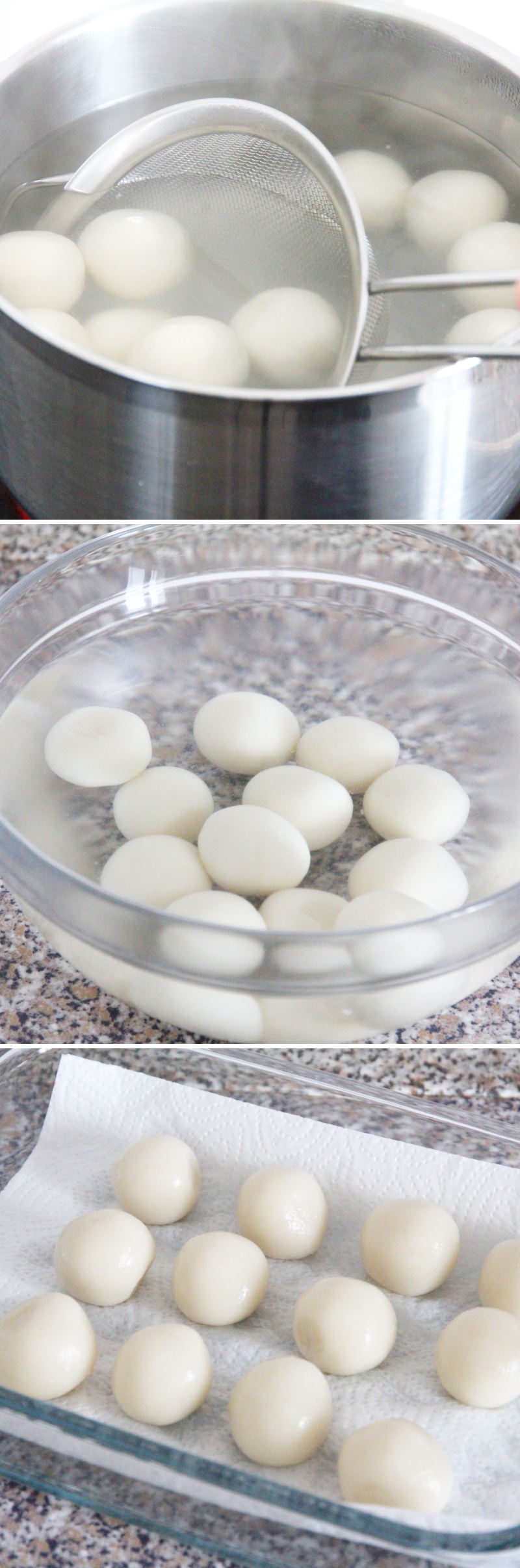
Bring 2 liters of water to a boil in a large pot, then reduce the heat to medium. Sort all the balls by colour and add them one by one (first white, then pink and finally green) to the boiling water. Cook each batch for 8 minutes, until each ball has risen to the surface.
Step 6 Step
In the meantime, prepare a bowl of ice-cold water. Then lift the dumplings out of the water using a slotted spoon or a sieve and place them in the prepared cold water. Rinse briefly and then leave to drain on kitchen paper.
Step 7
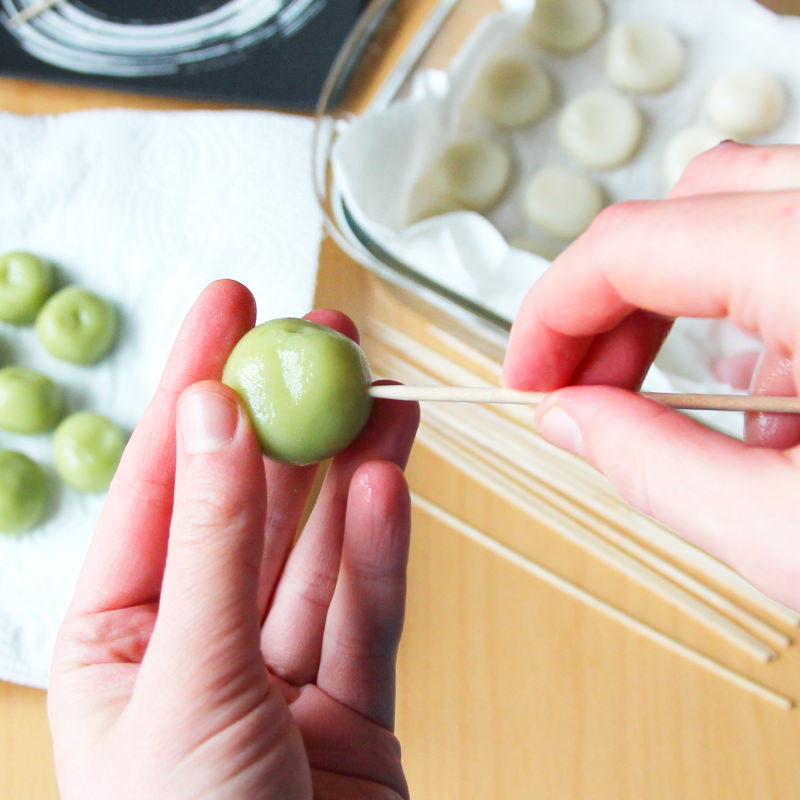
Once all the balls are cooked and cooled, skewer them in the order green, white and pink . Serve at room temperature.
It is best to serve and eat the Hanami Dango straight away. Done – Itadakimasu!
Otherwise, place in an airtight container and store at room temperature for up to 2 days.
This goes well with Hanami Dango:
Hanami Dango, with their soft colours and sweet flavours, go wonderfully with a range of traditional Japanese drinks and foods. A clear favourite is green tea, particularly Matcha, whose tart, fresh notes perfectly balance the sweetness of the Dango.
For a cooler option, ice-cold Mugicha, the roasted barley tea, offers an appealing contrast with its bitter depth. They also go perfectly with light Sushi varieties or tenmusu Onigiri, creating a complete experience of Japanese spring delights.
The combination of visual appeal and flavourful variety makes Hanami Dango an indispensable part of the traditional Japanese dining experience. Here you’ll find my favourite recipe ideas from Japan:
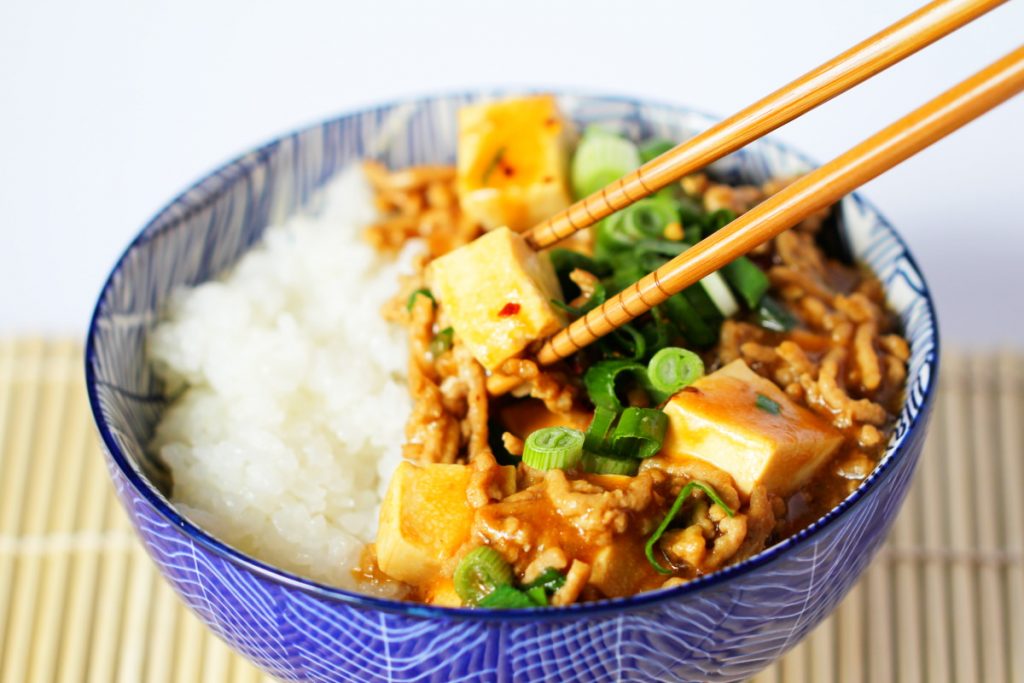
Mapo Tofu – Rice with Tofu in a spicy sauce
Mapo Tofu (or Mabo Tofu or Mabo Dofu) is one of the most popular Chinese…
Have you tried the recipe? Let me know in the comments, I’m really looking forward to hearing from you.