

Language:


Are you looking for a really special dessert for your Japanese meal that’s quick to prepare and requires very little effort? Then let this enchanting recipe for a lightning-fast oshiruko surprise you. Here you’ll find a sweet adzuki bean soup served with oven-roasted kirimochi – a wonderful treat for the palate!
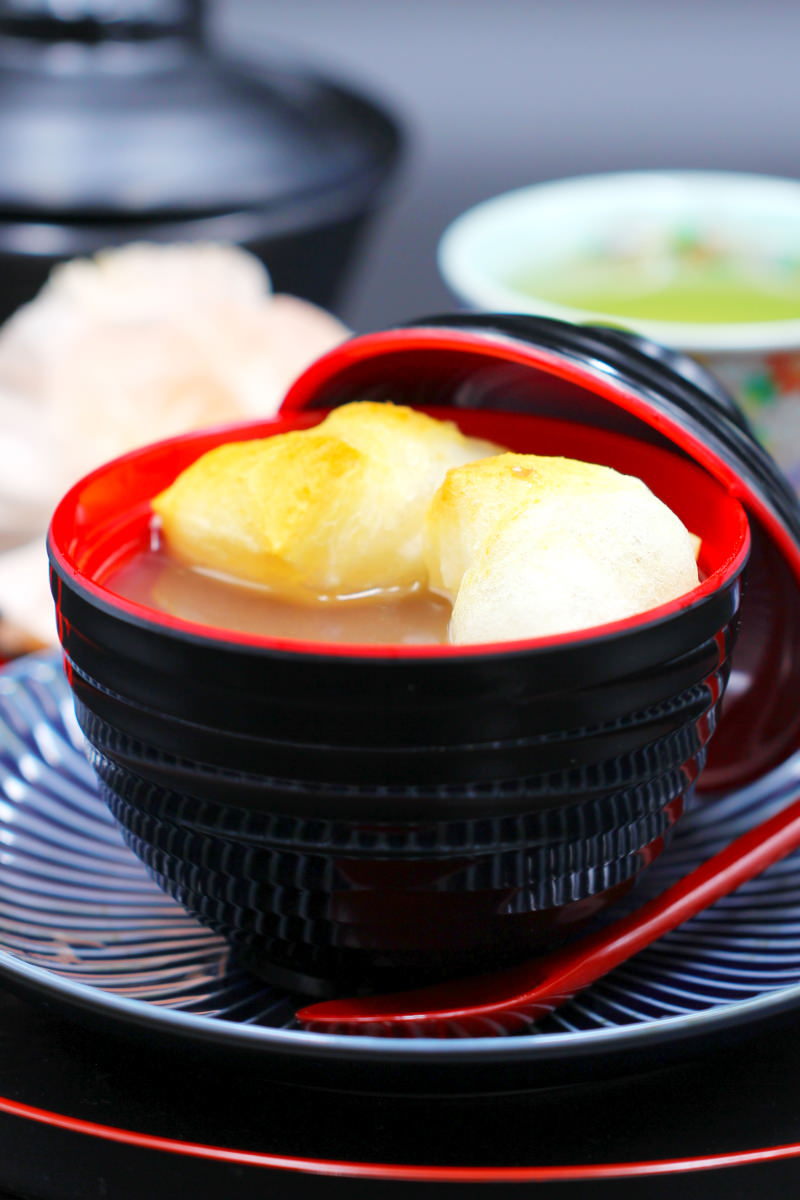
Japanese oshiruko, also known as zenzai, is a truly unusual dessert that combines a thick, reduced adzuki bean soup with crispy kirimochi, the traditional Japanese glutinous rice cakes.
The sweet soup is served hot and is one of Japan’s best-known traditional desserts. In Japan, oshiruko is usually served between lunch and dinner with a cup of green tea. However, it also makes a wonderful way to round off a delicious Japanese meal.
Tip: Oshiruko is a soup that is eaten as a light snack or served as part of a Japanese meal. It’s not meant to be eaten on its own as a main meal!
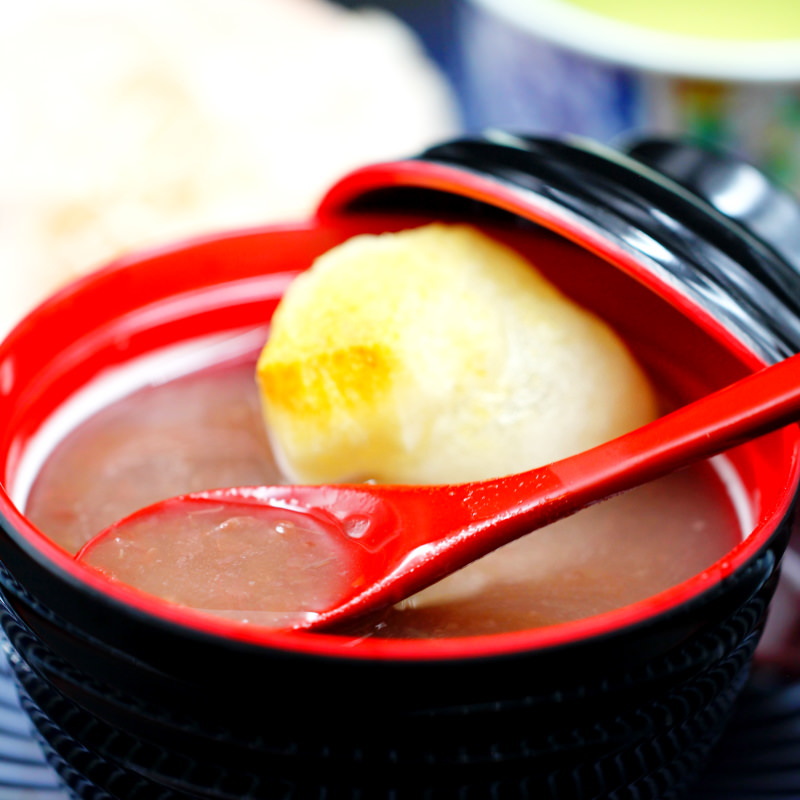
There are two variations of this sweet dessert soup – the beans can either be left whole or puréed until smooth. This means the red, sugary soup can have a chunky or a completely smooth texture. It is usually made by simmering dried red adzuki beans for a long time. That’s how I’ve made it here in my recipe for Shiratama Zenzai (red adzuki bean soup with mini Mochi balls).
However, if you want to whip this dish up as quickly as possible, it’s best to use ready-to-use anko (sweetened red adzuki bean paste). Simply dilute the bean paste slightly with a little fresh water and purée briefly to give the soup a perfectly creamy consistency. I love this version, because it’s always handy to have a quick Japanese recipe up your sleeve 🙂
Oshiruko is enjoyed all year round. However, as it’s served hot, it’s a particularly special treat during the cold winter months. It’s eaten with a spoon and chopsticks for the toasted kirimochi. In Japan, some regional variations are also served with sour ingredients such as pickled plums (umeboshi) or a delicate Kombu tea, which provide a lovely contrast to the sweetness of the soup.
Psst: Although it’s a warming winter dessert, oshiruko soup can also be served nicely chilled in summer, perhaps with a few scoops of ice cream – delicious!
Adzuki beans were brought to Japan from China over 2,000 years ago. However, it wasn’t until much later that it became common to use adzuki beans in recipes for sweet dishes. This happened when Japanese farmers began producing sugar in large quantities in the 18th century.
Adzuki beans and sugar were therefore readily available and even relatively inexpensive. This might explain why oshiruko quickly became a popular, homemade dessert. However, the traditional method of preparation is somewhat time-consuming, so this sweet adzuki bean soup has also been available as a ready-made soup since the mid-19th century! Nowadays, it’s even sold as a hot soup to take away from typical Japanese drinks vending machines.
Did you know? Oshiruko soup can even be enhanced with various flavours such as orange zest or Matcha, but the taste should generally be subtle and sweet.
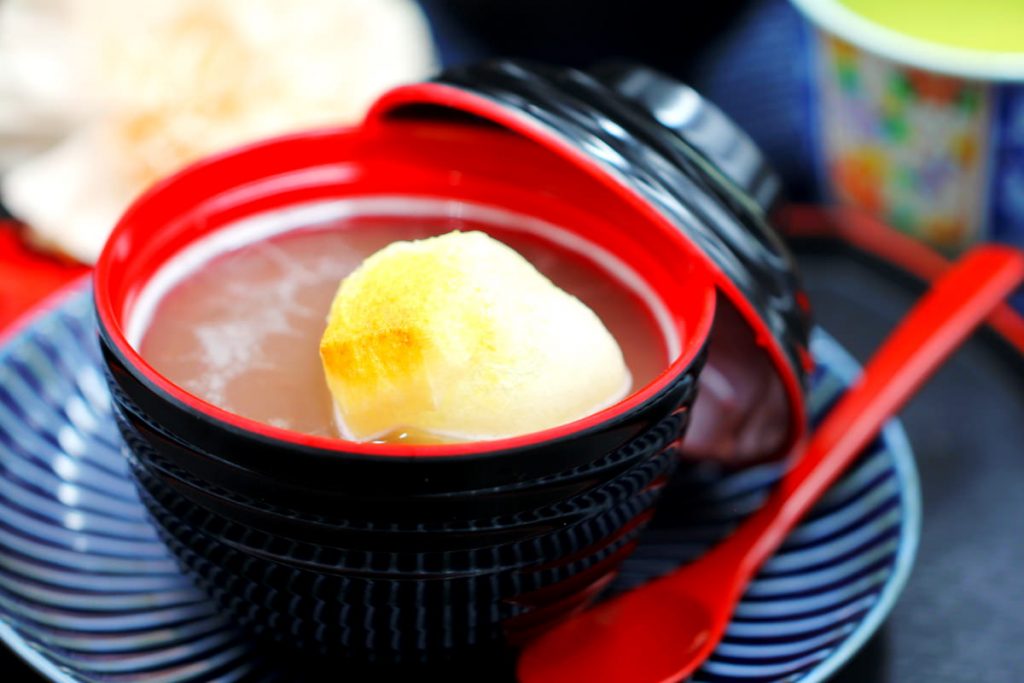
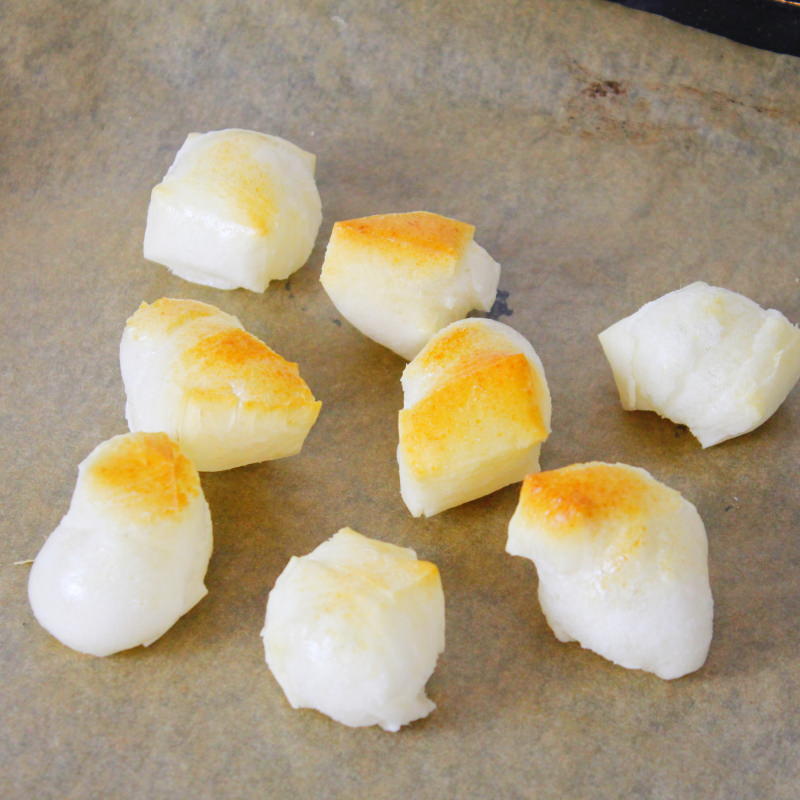
It’s also served with crispy, tender kirimochi, which for me is the absolute highlight of this recipe! Kirimochi are dried blocks of mochi made from pounded glutinous rice. If kirimochi – as in this recipe for oshiruko – grilled in the oven, the inside becomes very soft and the outside turns crispy.
To do this, arrange the kirimochi on a baking tray lined with baking paper, leaving a little space between them, and bake in the oven at 180°C (ideally using the fan and grill functions, if available) on the middle shelf for 15 to 20 minutes. Don’t be surprised: at first, nothing happens for a long time, then the Mochi puff up and finally turn golden brown on the outside.
KUNDENLIEBLING
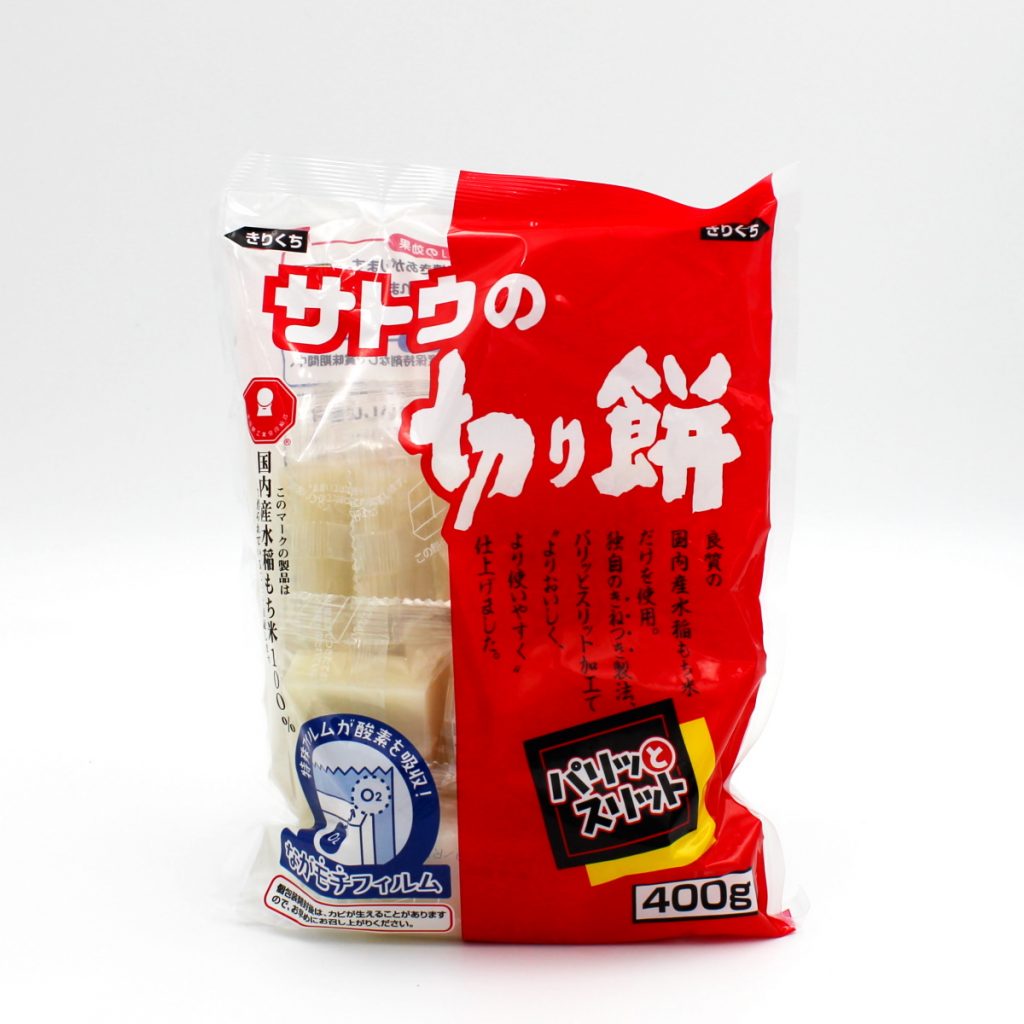
Kiri Mochi 400g (quadratische, getrocknete Mochi Reiskuchen), Sato
Kiri Mochi ist die wichtigste Zutat für herzhafte Mochi Rezepte. Sie werden gegrillt, gekocht oder gebraten und sind eins der vielseitigsten Lebensmittel der japanischen Küche.…
In stock
Tip: Kirimochi usually have delicate perforations. This means each kirimochi rice block can be halved or quartered again using a large, sharp knife!
The aroma of the grilled Mochi goes so well with the flavour of the sweet adzuki beans. They give the creamy soup a soft yet firm texture and create an interesting culinary experience. So, let’s get cooking!
Oshiruko
serves 4 | 20 minutes | 157 kcal
🖨️ Print PDF 📌 Save pinAre you looking for a really special dessert for your Japanese meal that’s quick to prepare and requires very little effort? Then let this recipe for a lightning-fast oshiruko surprise you. Here you’ll find a sweet adzuki bean soup served with oven-roasted kirimochi – a wonderful treat for the palate!
Ingredients (4 portions)
2 kirimochi – square Mochi blocks (im Shop ansehen)*
200 g anko (sweet red bean paste – to the recipe)*
100 ml water (fresh, cold tap water)
Useful tools:
Japanese Yukihiara saucepan
Authentic soup bowl (im Shop ansehen)
Preparation (20 minutes)
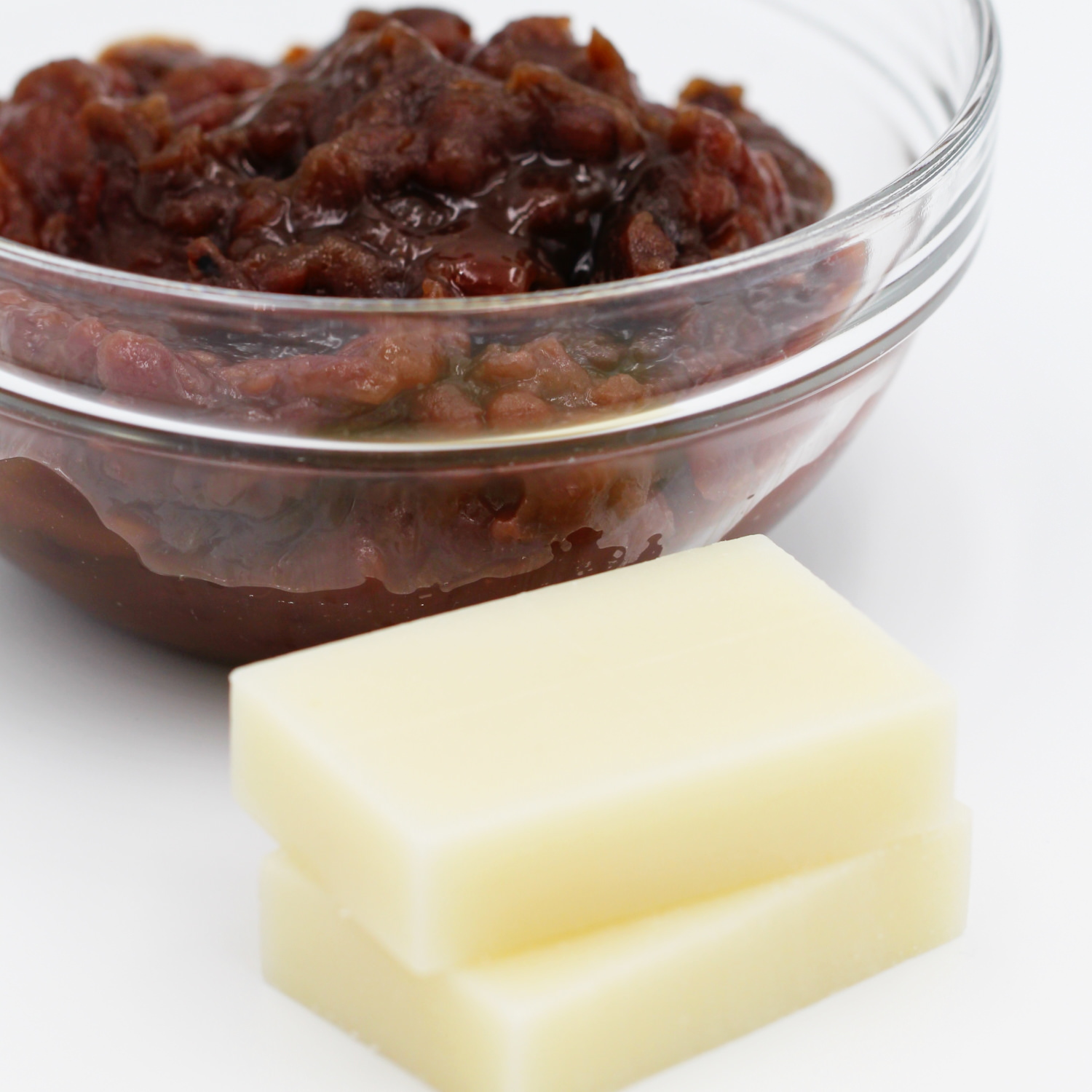
Step 1
Gather the ingredients for the quick Zenzai Mochi soup (Oshiruko). Also, preheat the oven to 180°C (ideally using the fan and grill functions, or top heat only).
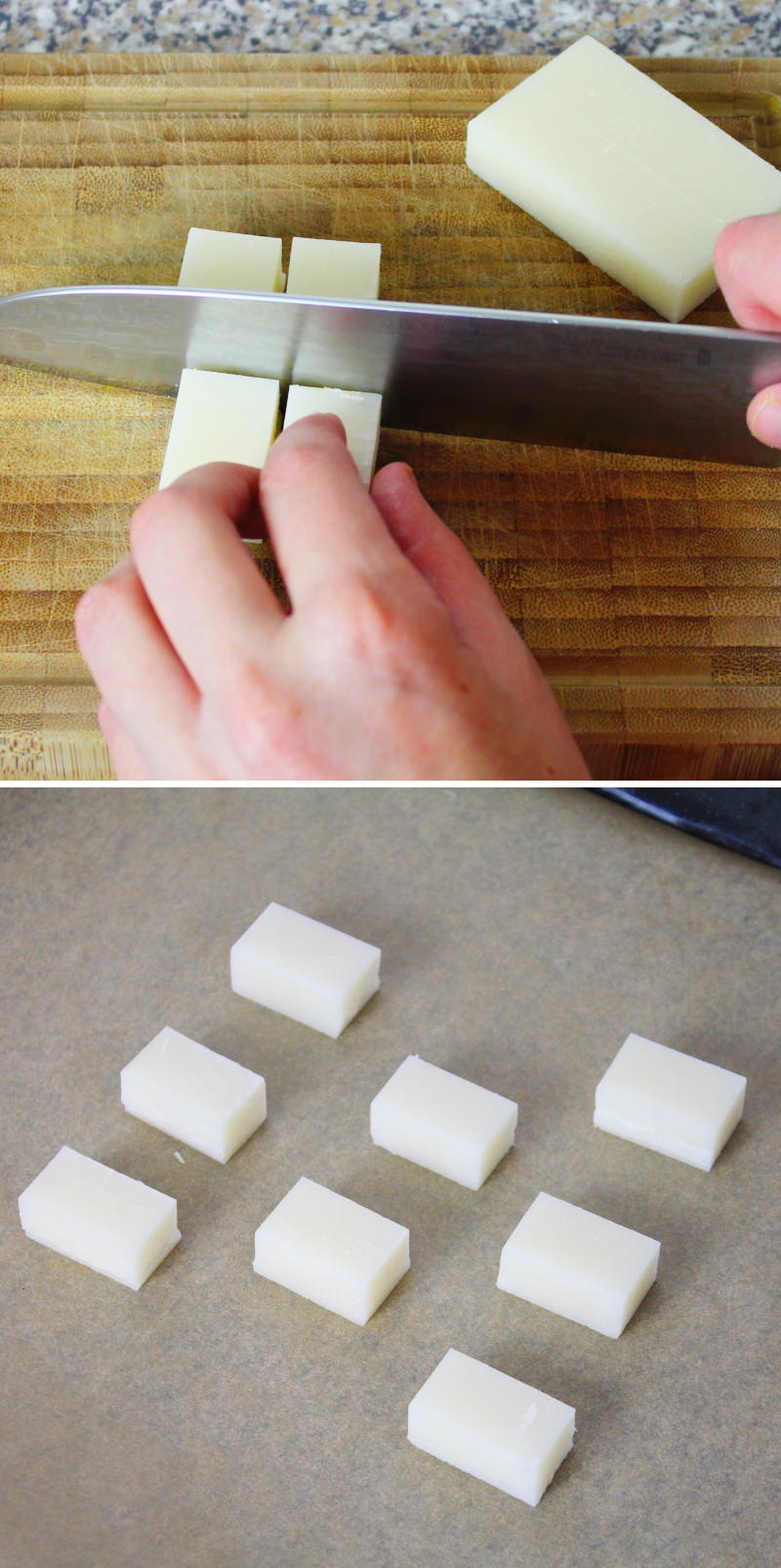
Step 2
Now remove the kirimochi from the packaging and cut each one into quarters along the perforation. Arrange them on a baking tray lined with baking paper, leaving a little space between them.
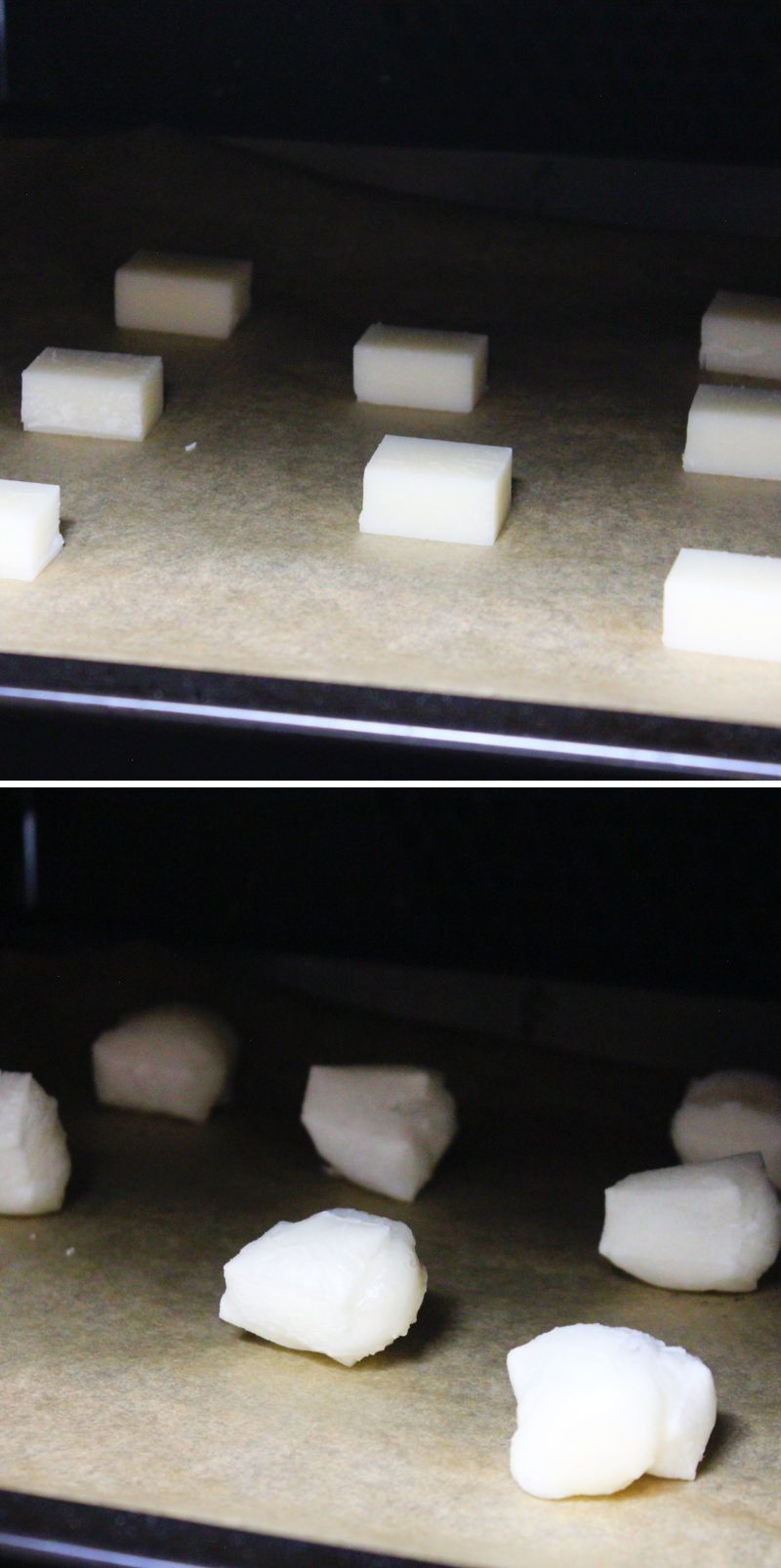
Step 3
Once the oven is hot: bake the kirimochi on the middle shelf in the oven for 15 to 20 minutes (nothing will happen for a while, then they’ll puff up and finally turn golden brown on the outside).
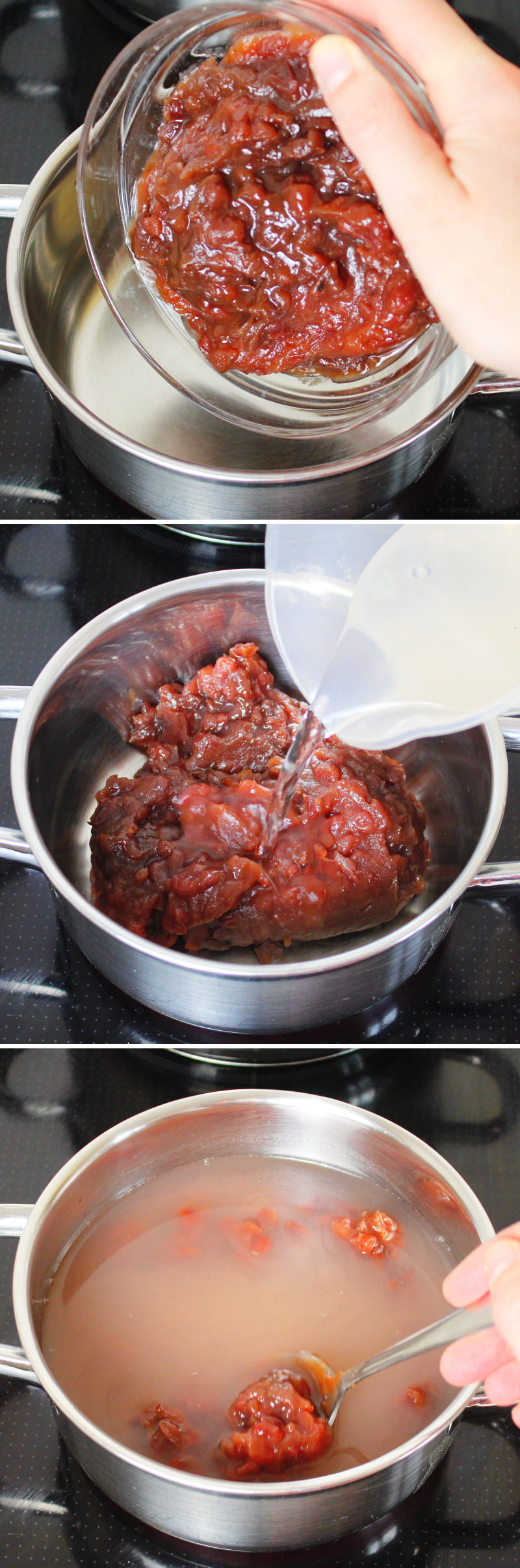
Step 4
Meanwhile, in a saucepan, mix the anko with the water . Bring everything to the boil over a medium heat and keep warm on the lowest heat until the kirimochi are done.
Tip: Depending on how thick or runny the anko you’re using is, you can add more or less water – please adjust to your taste.
Step 5
As soon as the kirimochi have a lovely golden colour , remove them from the oven.
Step 6
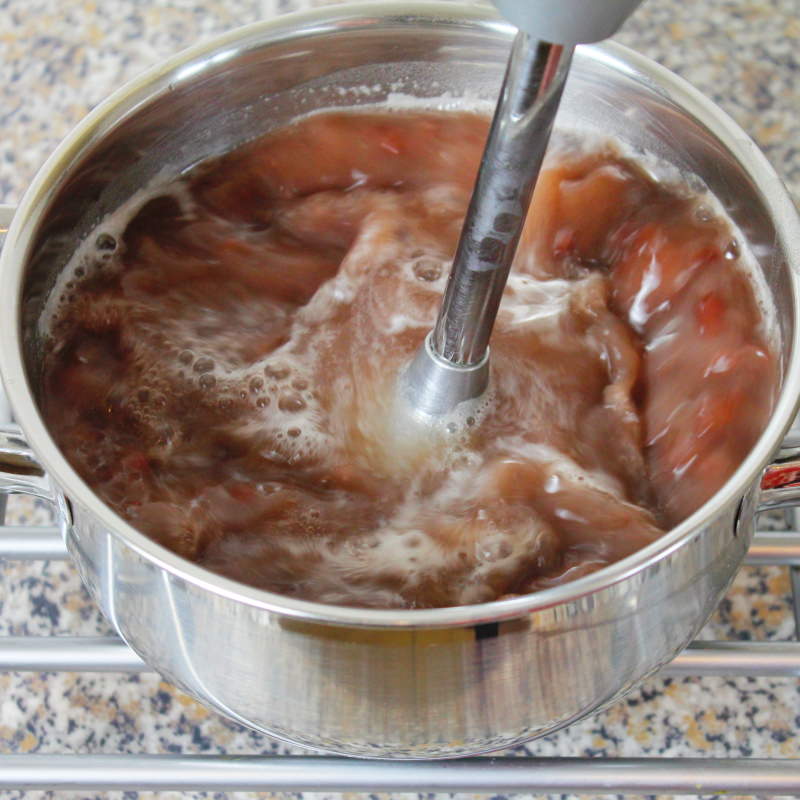
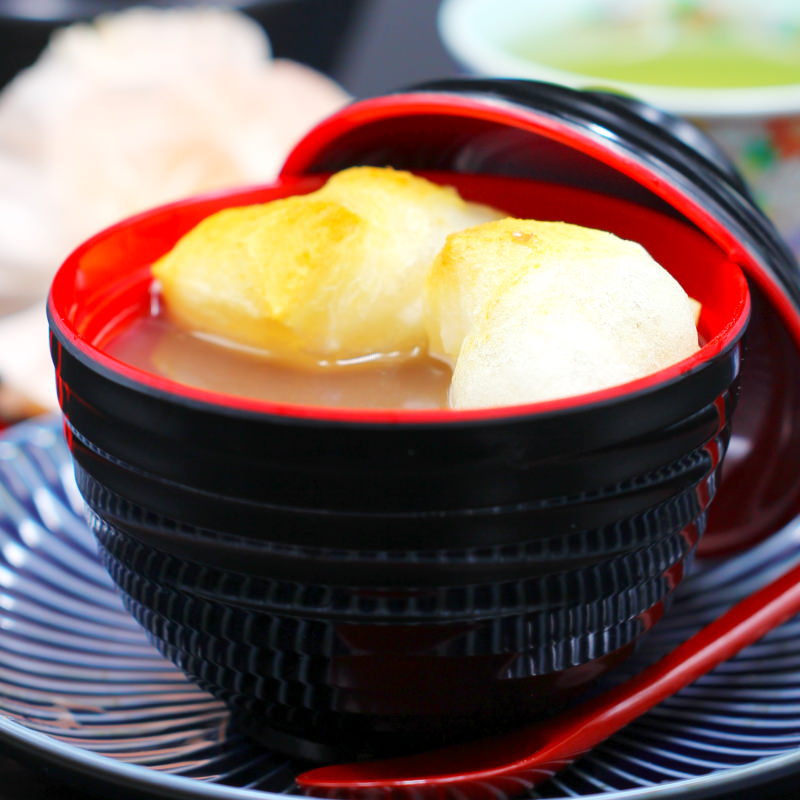
Briefly puree the anko in the saucepan to your liking, then divide it between bowls and add one or two baked kirimochi to each.
Step 7
Be sure to serve the finished oshiruko whilst it’s still warm. Done – Itadakimasu!
Are you looking for even more delicious Japanese desserts that will have you and your guests wrapped around your little finger? Here you’ll find my most popular recipes:

Japanese cheesecake: The best recipe for a fluffy soufflé-style cheesecake just like in Japan
Japanese cheesecake is one of Japan’s most popular desserts and delights with its exceptionally light and airy texture. Unlike classic…
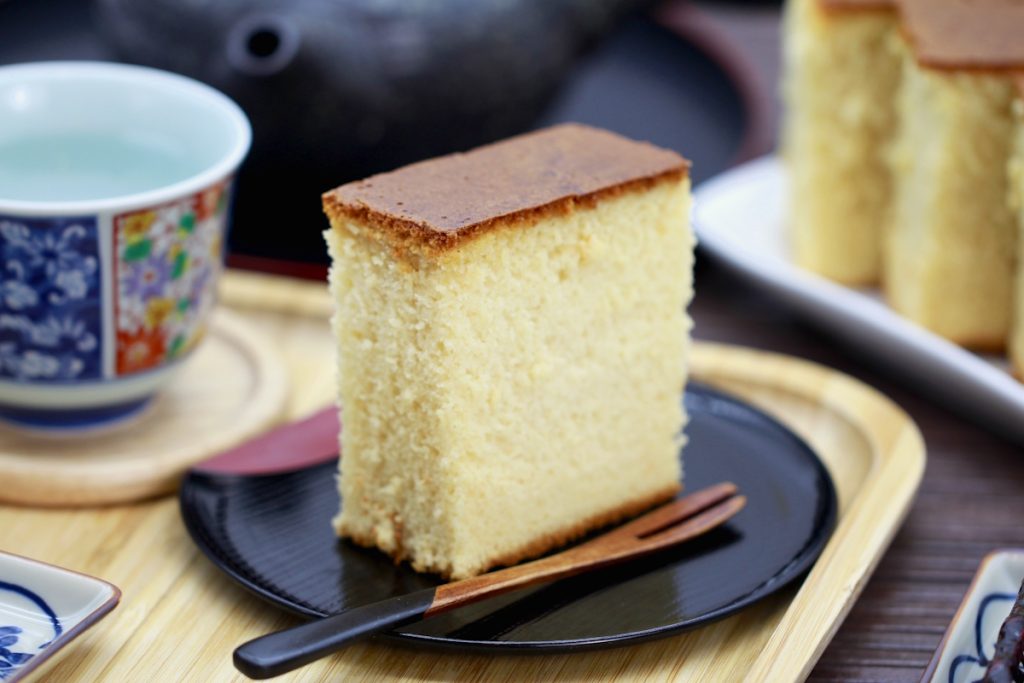
How to make Castella (Kasutera) yourself: How to make this Japanese honey cake
Why is Castella often described as Japan’s moistenest cake? Although Kasutera consists of just a few ingredients, the special preparation…
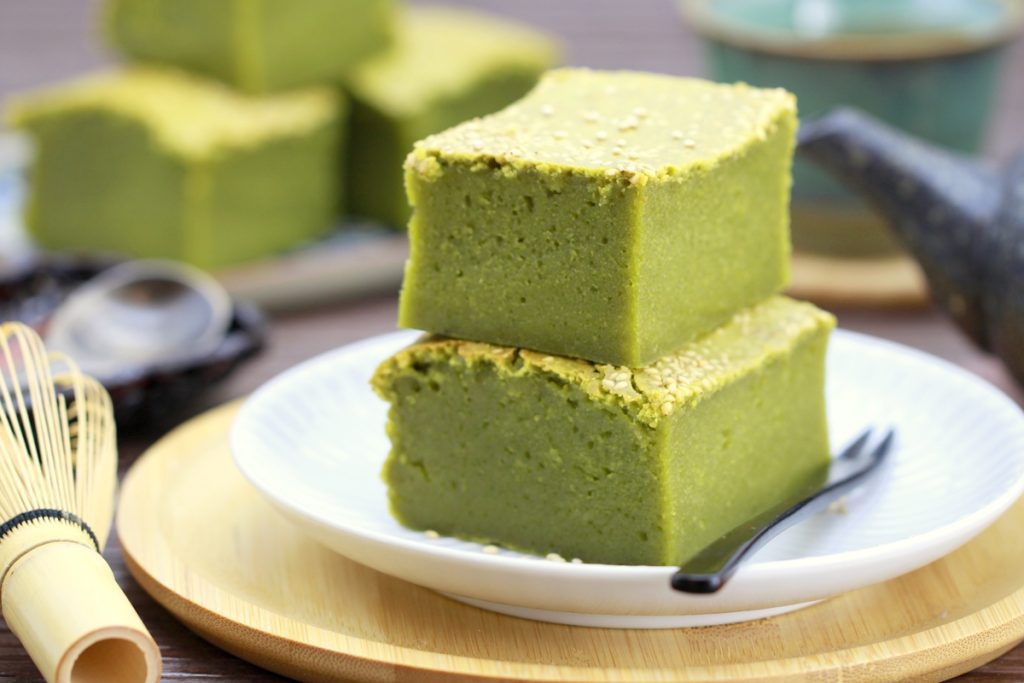
Make your own Matcha butter Mochi: Hawaiian Mochi cake with green tea
If you drink Matcha regularly, you might be familiar with this: at some point, you end up with more Matcha…
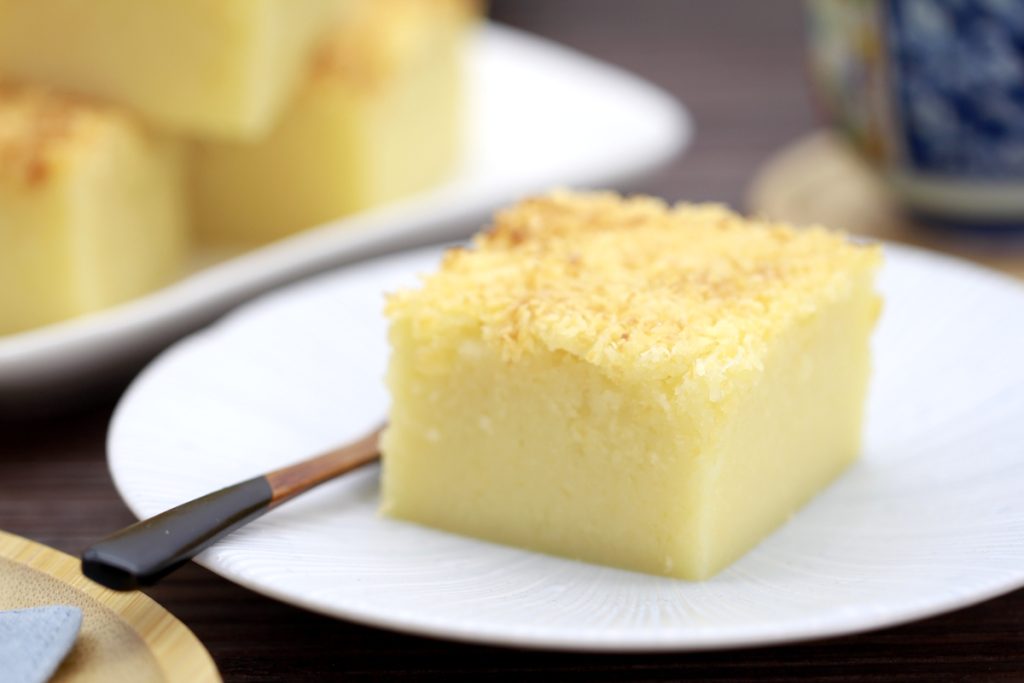
Butter Mochi (Hawaiian Mochi Cake – gluten-free)
Butter Mochi is one of those recipes that’s hard to pigeonhole. It looks like a simple tray bake, but has…
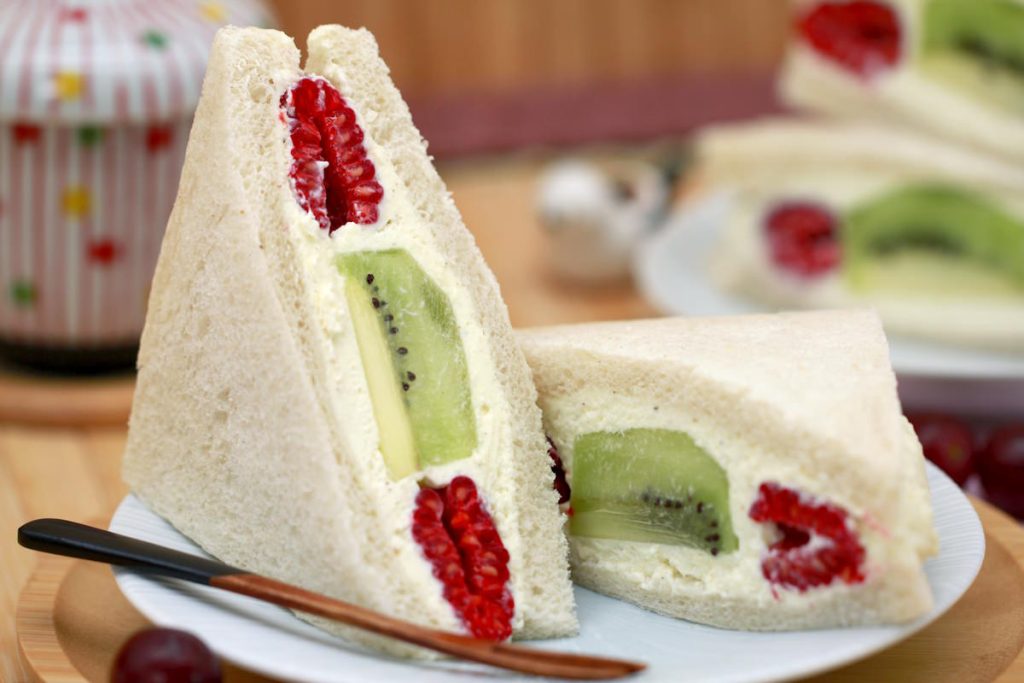
Make your own Fruit Sando: a fluffy cream sandwich with fruit – simple, fresh & typically Japanese
In Japan, it can remain surprisingly hot well into September – and it was on just such a muggy late-summer’s…
Warabi Mochi: Make your own delicate summer dessert with Kinako & Kuromitsu syrup
When the weather warms up, the appetite for light, refreshing sweets grows in Japan – and hardly any dessert embodies…
Have you tried out the recipe? Let me know in the comments – I can’t wait to hear from you.