

Language:


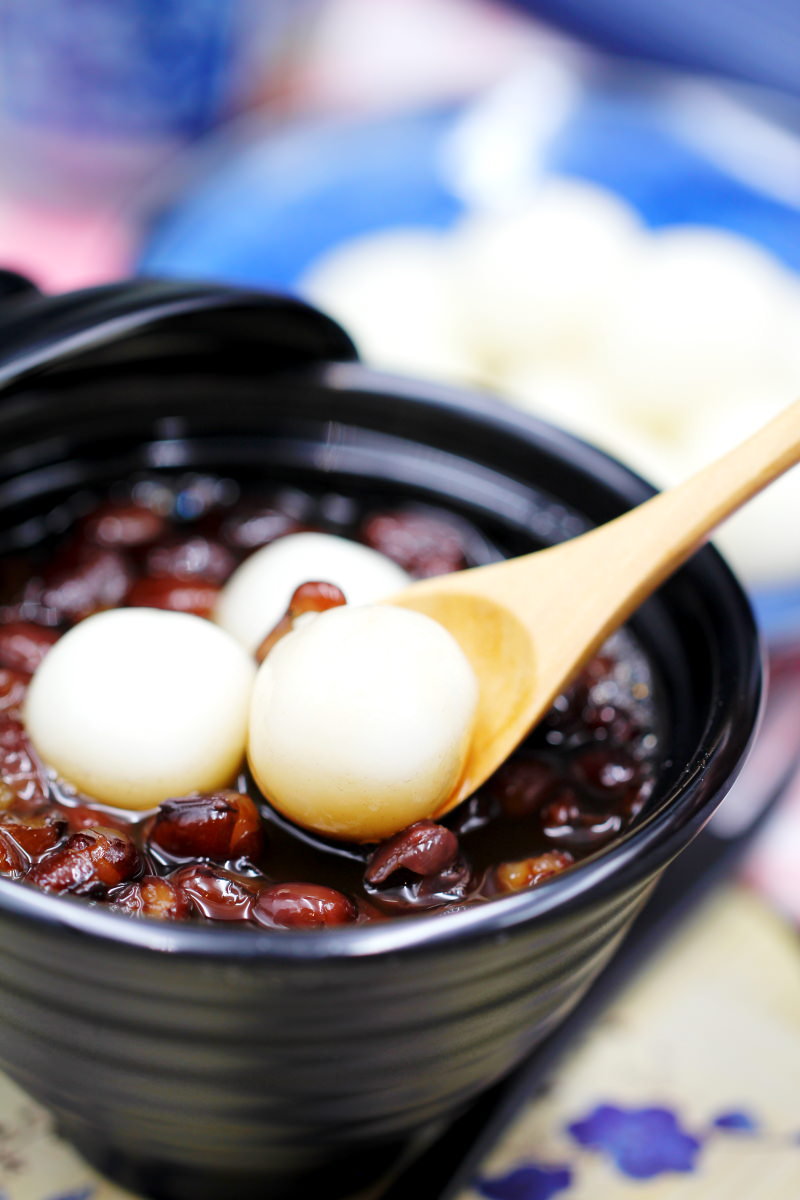
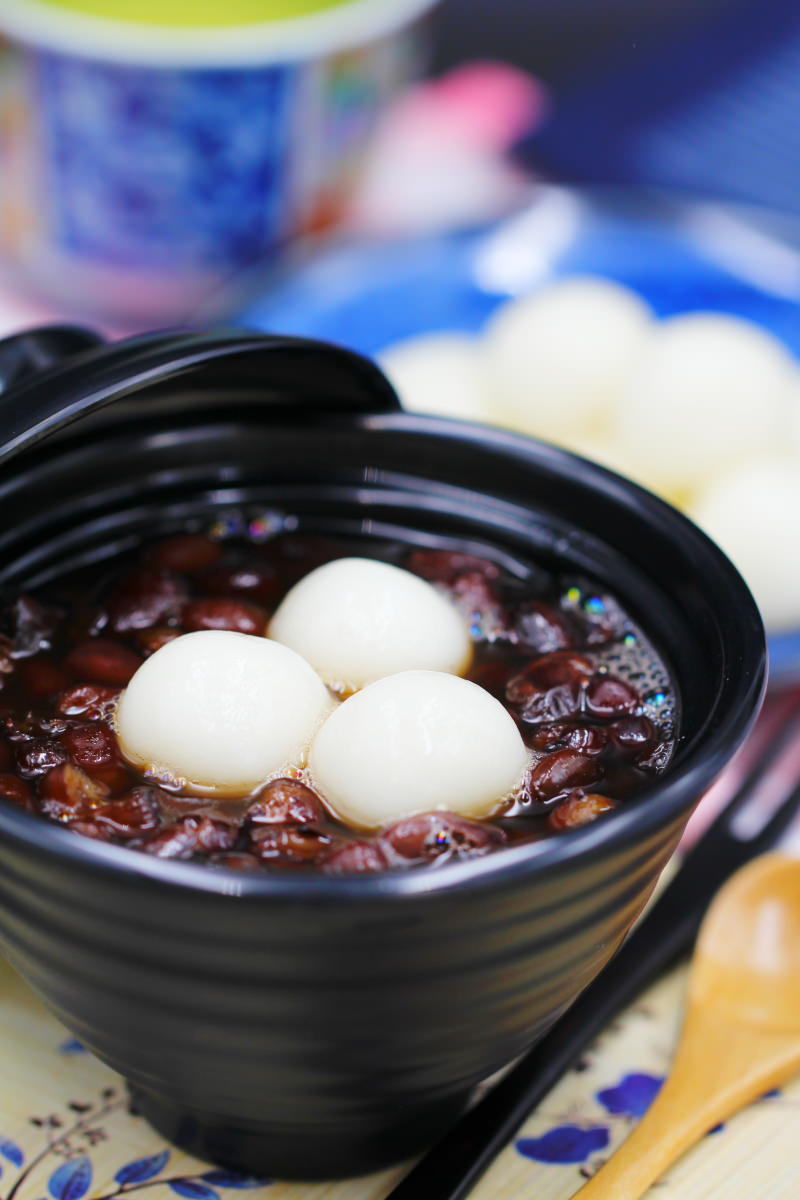
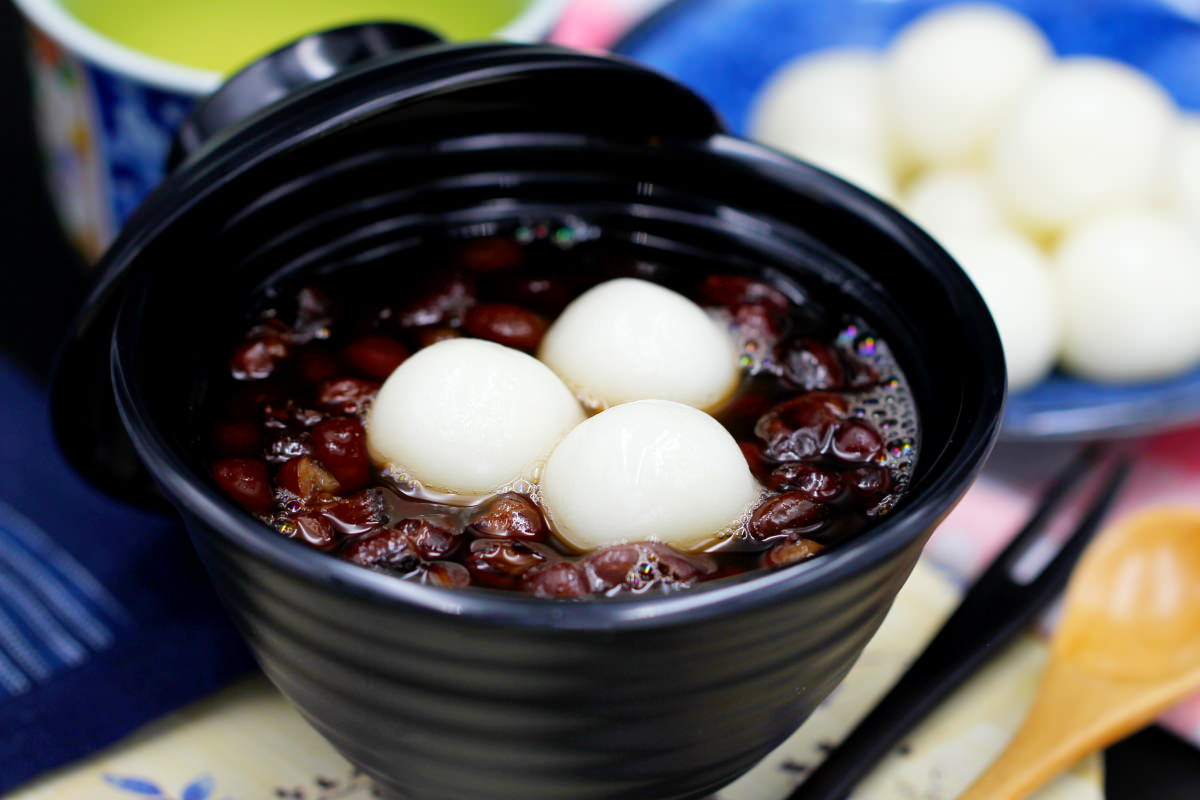
Mmm, Shiratama Zenzai, a homemade sweet adzuki bean soup, tastes absolutely delicious – especially when served with small, wonderfully tender mini Mochi balls. Today I’ll explain step by step how to make this Japanese delicacy. You’ll only need a few ingredients and some everyday kitchen utensils. Here’s how!
Adzuki beans were brought to Japan from China over 2,000 years ago. A very old document states that it used to be a custom in Japan to eat adzuki beans on the day of the winter solstice – the shortest day of the year – to ward off all evil. The custom spread, and very soon it became common to prepare adzuki beans for other special ceremonies as well.
However, it was not until much later that it became common to use the red beans in recipes for sweet dishes. This happened when Japanese farmers began producing sugar on a large scale in the 18th century. Adzuki beans and sugar were therefore readily available and even relatively inexpensive. This may explain why sweet adzuki bean soups quickly became a popular, home-made dessert in Japan.
Japanese zenzai, also known as oshiruko, is a truly wonderful dessert soup that originally hails from the region around Kyoto and Osaka. This sweet adzuki bean soup is served hot and is one of Japan’s best-known traditional desserts. In Japan, zenzai is usually served between lunch and dinner with a cup of green tea. However, it also makes a wonderful way to round off a delightful Japanese meal.
Tip: Shiratama zenzai is a soup that is eaten as a light snack or served as part of a Japanese meal. It’s not meant to be a meal in itself!
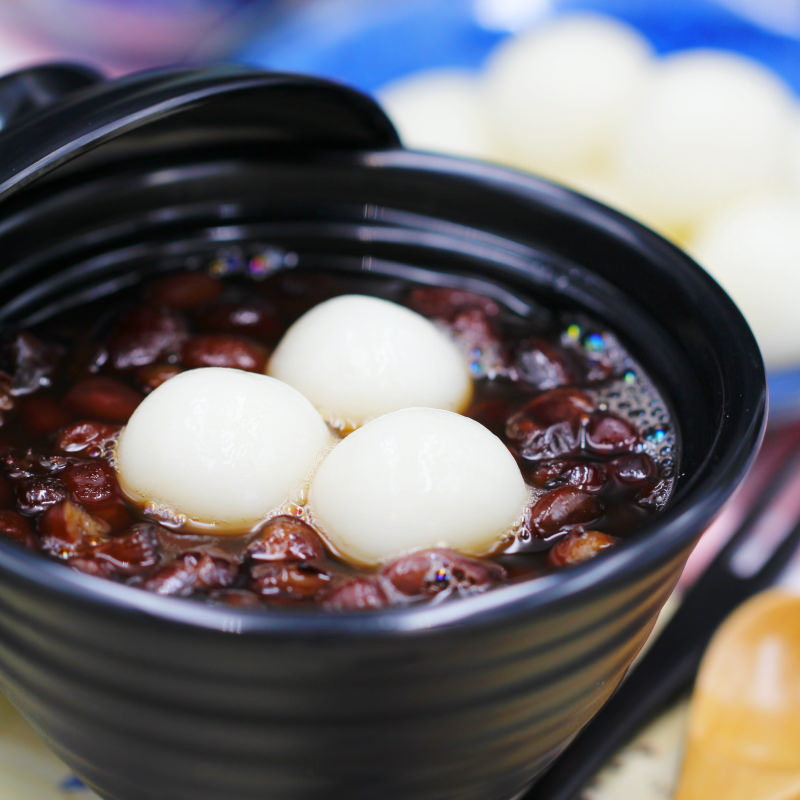
By the way, there are two variations of this sweet dessert soup – the beans can either be left whole or puréed until smooth. This means the red, sugary soup can have a chunky or a completely smooth texture. It is usually made by simmering dried red adzuki beans for a long time, as in my recipe here.
If you want to whip this dish up as quickly as possible, I’ve got a super-quick version here, where you simply dilute some ready-to-use anko bean paste slightly and purée it briefly: → Oshiruko – quick adzuki bean soup with toasted kirimochi!
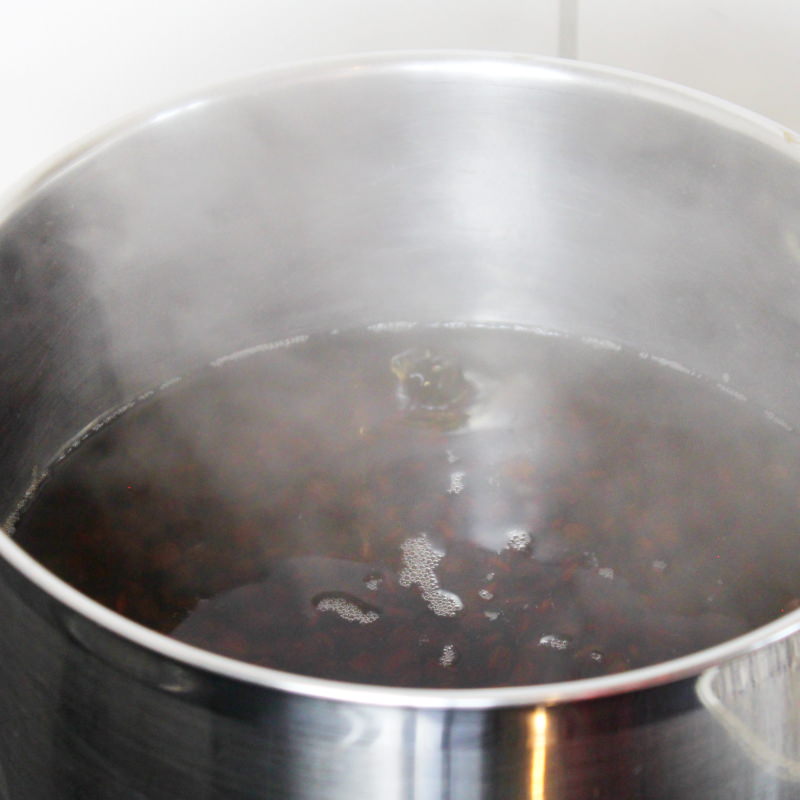
Today, however, we’re going to make a truly homemade adzuki bean soup from scratch together. To do this, we’ll bring the adzuki beans to the boil over a medium to high heat and then leave them to simmer on a low heat for about 90 minutes. Every now and then, you should give the beans a stir and top up with fresh water if necessary, so that the beans are always covered with water!
CUSTOMER FAVOURITE
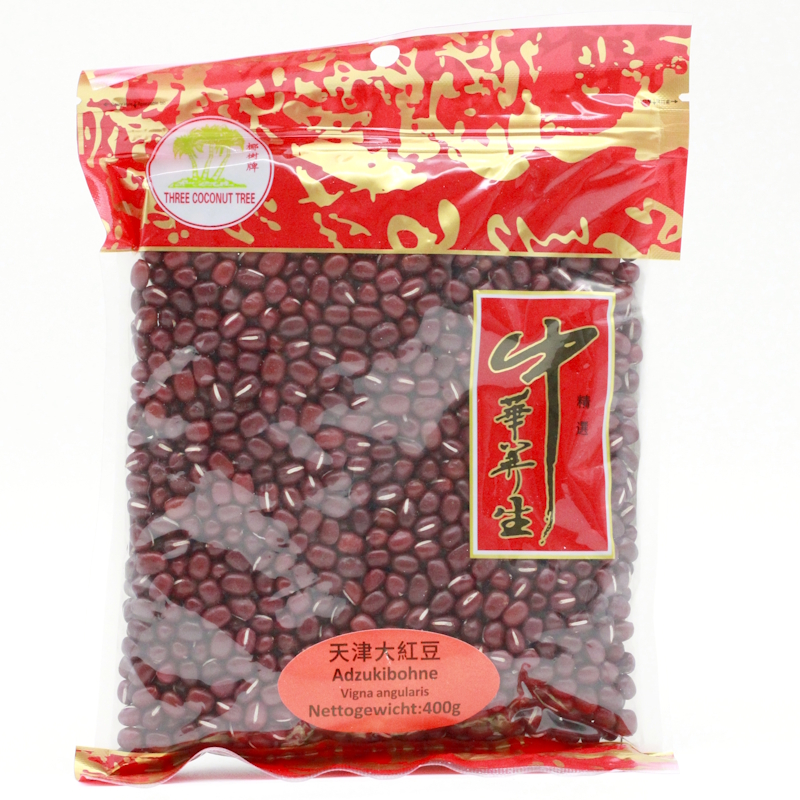
Adzukibohnen 400g (getrocknete rote Bohnen, für Anko, Mochi, Dango & Dorayaki), Three Coconut Tree
Diese getrockneten Adzukibohnen sind eine klassische Zutat der japanischen Küche und werden häufig für süße Bohnenpaste (Anko) verwendet. Sie eignen sich ideal für traditionelle Desserts…
In stock
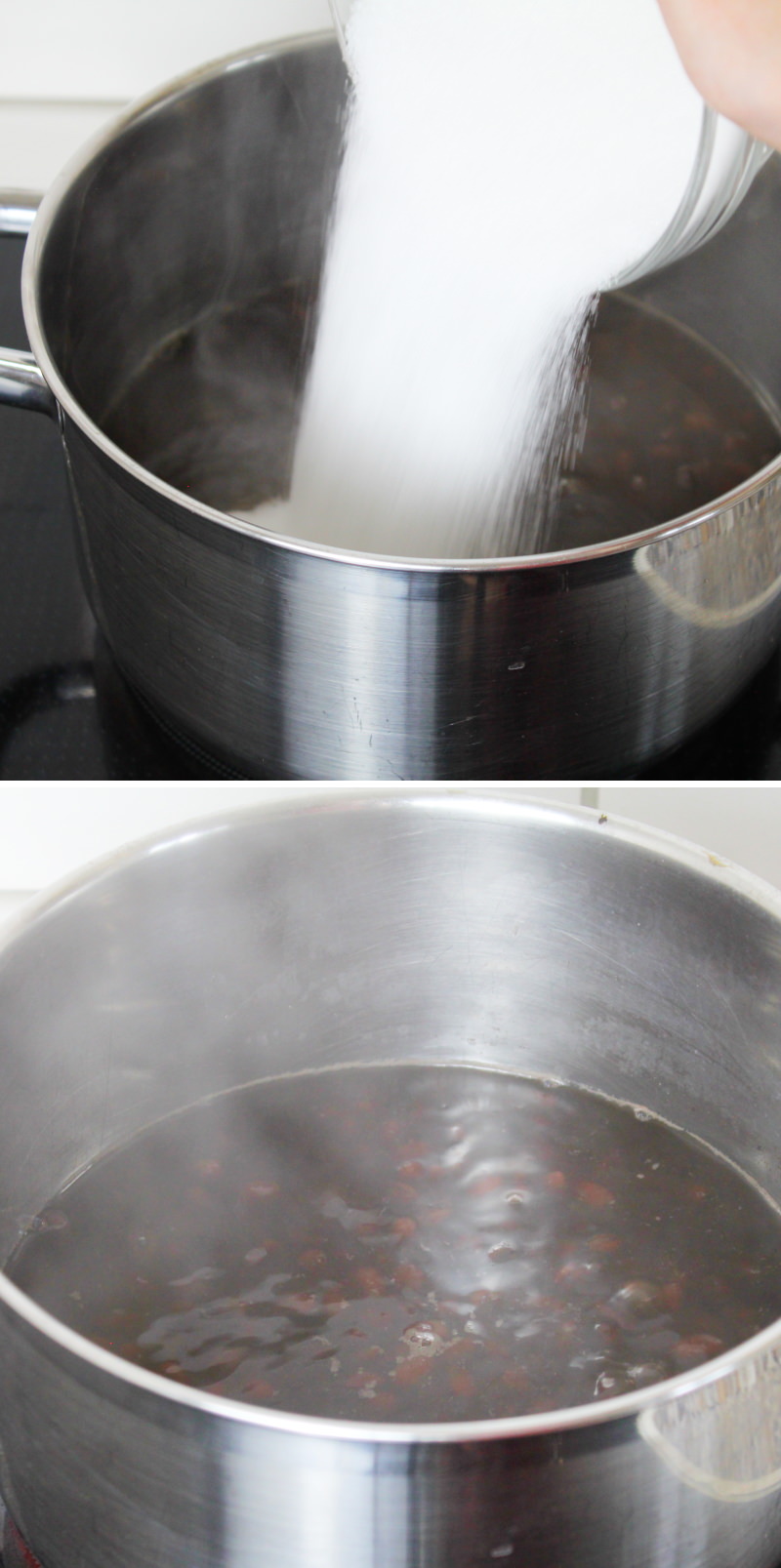
Next, add sugar, stir everything thoroughly and simmer for 15 minutes over a medium heat. The soup will then be slightly thick and have a lovely sheen.
Zenzai soups are a popular dish served all year round. However, as they are eaten hot, they are a particularly special treat during the cold winter months. In Japan, alongside the typical Mochi, some regional variations are also served with sour ingredients such as pickled plums (umeboshi) or a delicate Kombu tea, which provide a lovely contrast to the sweetness of the soup.
TOP RECOMMENDATION
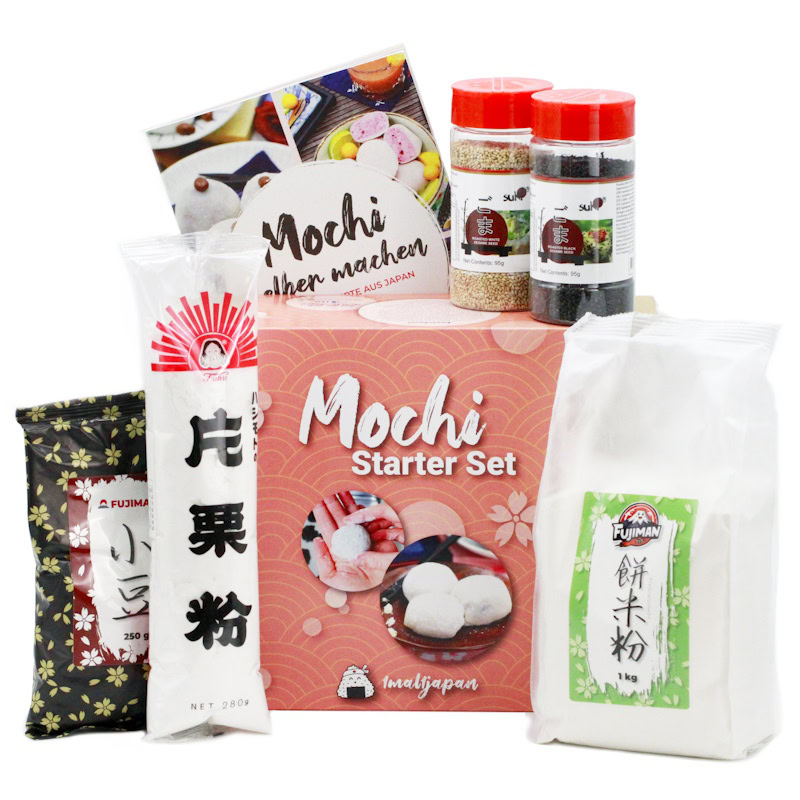
Mochi Starter Set | Klebreiskuchen selber machen, vegan
6-tlg. Kochset für 4 große Portionen Klebreiskuchen, inkl. Rezeptheft, glutenfrei & vegan. Mit dem Mochi Kochset stellst du japanische Reiskuchen ganz einfach selbst her –…
In stock
Speaking of which, we haven’t even mentioned the Mochi balls yet! As you may already know, Mochi are sweet Japanese rice cakes made from ground short-grain glutinous rice. They’re usually prepared with various fillings or in delicious flavours such as Matcha, chocolate or even cherry blossom. The ground glutinous rice is pounded into a paste and shaped into the desired form – usually balls or blocks.
But today I’ve got a brand-new version for you! We won’t be going to the trouble of steaming the mochi dough; instead, we’ll simply shape it into small balls and cook them in boiling water for a few minutes. I’m really excited to see how you’ll like this variation 😀
I used shiratamako, which is glutinous rice flour, for this. It should also work with another type of glutinous rice flour, but be careful – please don’t use just any rice flour! It absolutely must be glutinous rice flour (im Shop ansehen) for the mini Mochi to turn out right.
Making Dango isn’t difficult and is absolutely essential if you want to make traditional Japanese sweets at home. Here you’ll find even more favourite recipes for homemade dango desserts: → Make your own dango: 7 really delicious recipes for sweet rice balls
Making Japanese desserts is often very time-consuming, and the individual steps can be difficult to replicate. However, this recipe for Shiratama Zenzai is a wonderfully simple way to easily make an authentic Japanese dessert yourself. Have fun cooking 🙂
Shiratama Zenzai
serves 4 | 120 minutes | 398 kcal
🖨️ Print PDF 📌 Save to PinterestMmm, Shiratama Zenzai – a homemade sweet adzuki bean soup that tastes absolutely delicious, especially when served with small, wonderfully tender mini Mochi balls. Today, I’ll walk you through how to make this Japanese delicacy step by step. You’ll only need a few ingredients and some everyday kitchen utensils. Here’s how to do it!
Ingredients (4 portions)
For the adzuki bean soup:
200 g adzuki beans (dried) (im Shop ansehen)*
200 g sugar
1 l water
For the mini Mochi balls:
50 g glutinous rice flour (im Shop ansehen)*
50 ml water
Useful equipment:
Japanese Yukihiara saucepan
Authentic soup bowl (im Shop ansehen)
Preparation (2 hours)
Step 1
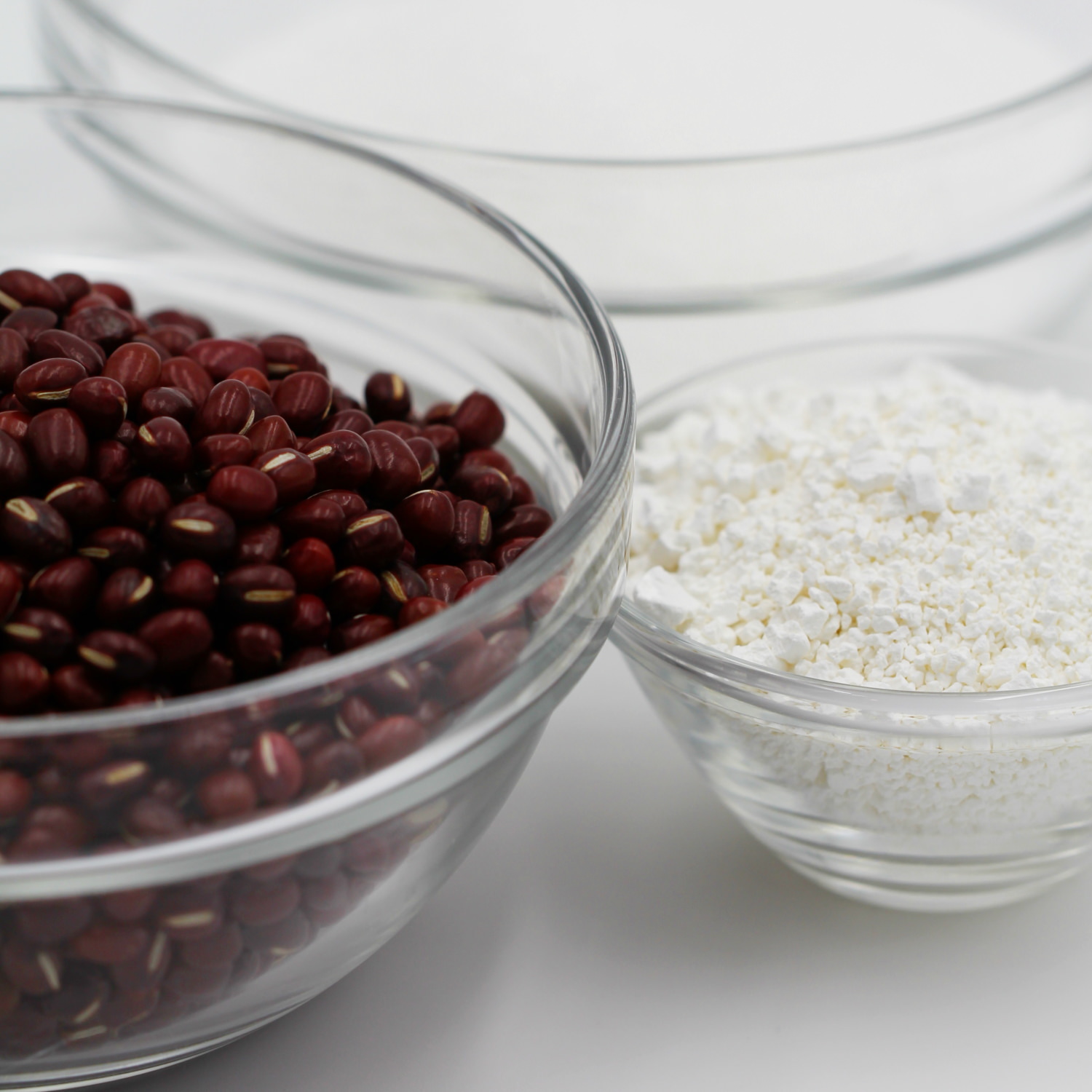
Prepare the ingredients for Japanese Shiratama Zenzai with mini Mochi balls.
Step 2
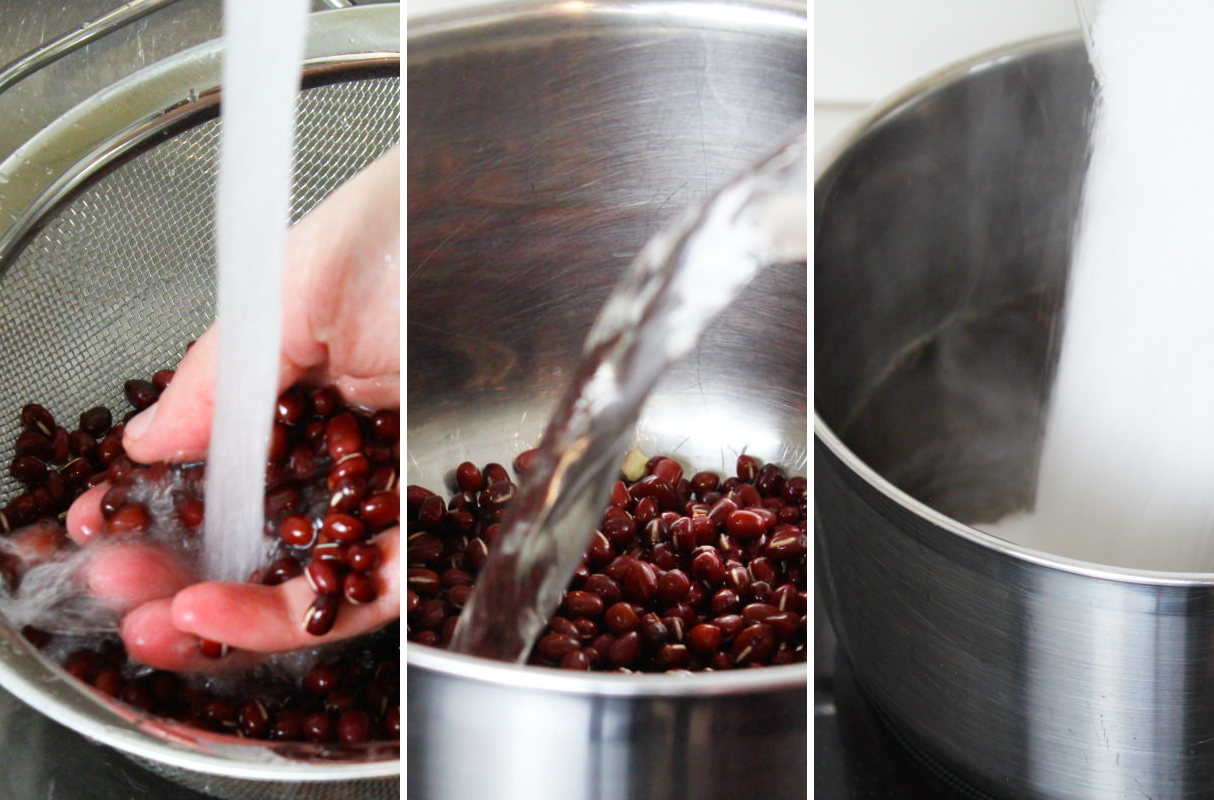
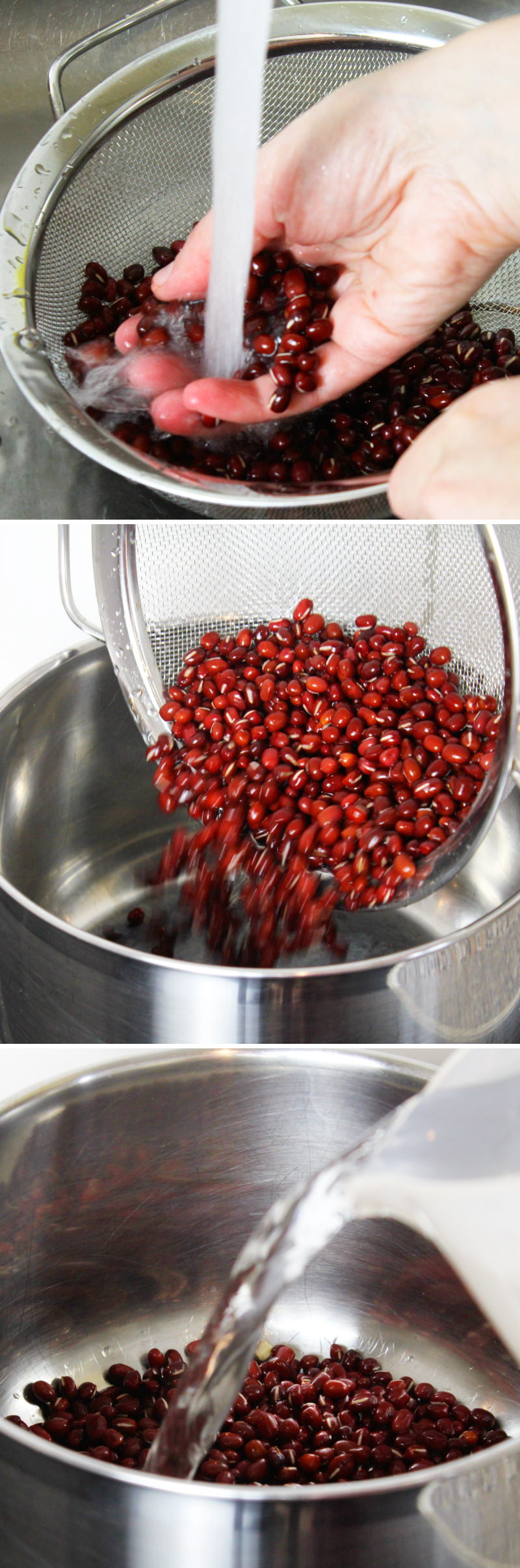
To begin with, place the adzuki beans in a sieve and rinse them briefly under cold water. If there are any damaged beans, please remove them. Then place the beans in a large saucepan and pour the water over them.
Step 3
Bring the adzuki beans to the boil over a medium to high heat, then reduce the heat to low and simmer for 90 minutes. Stir the beans occasionally and top up with fresh water if necessary to ensure they remain covered with water at all times.
Step 4
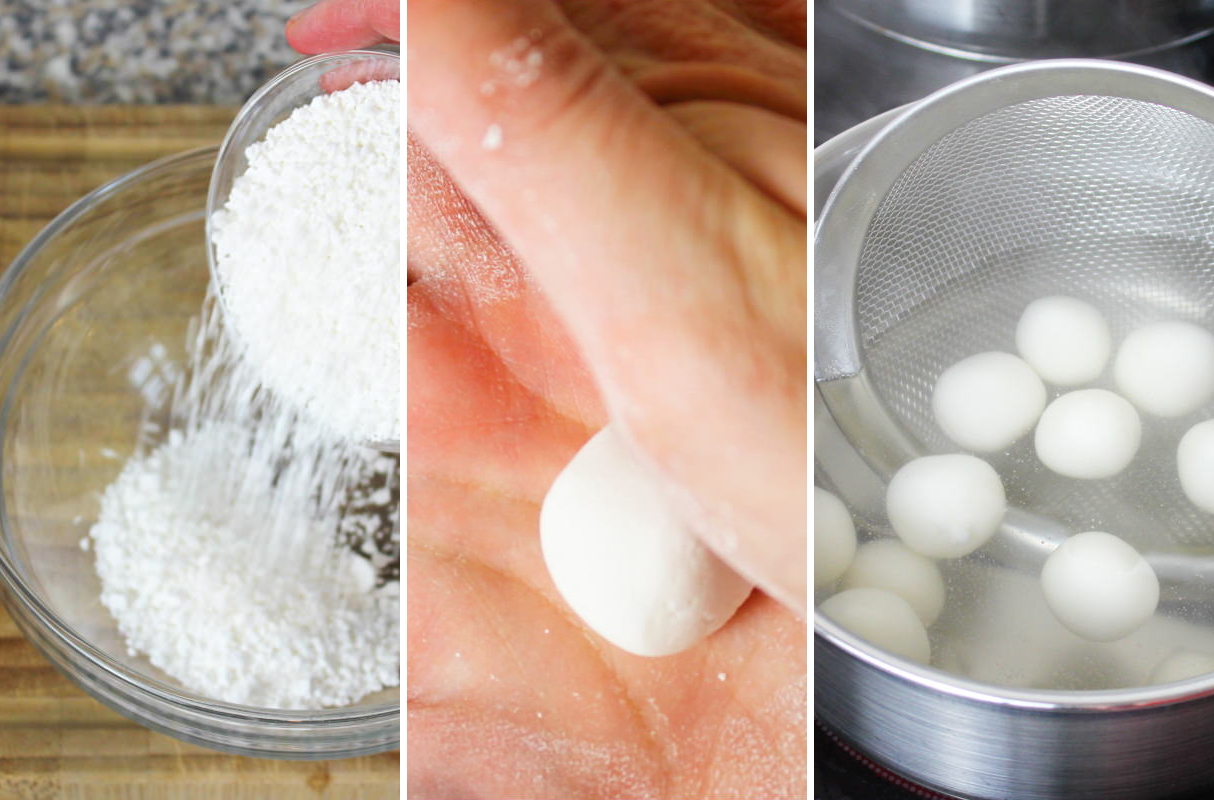
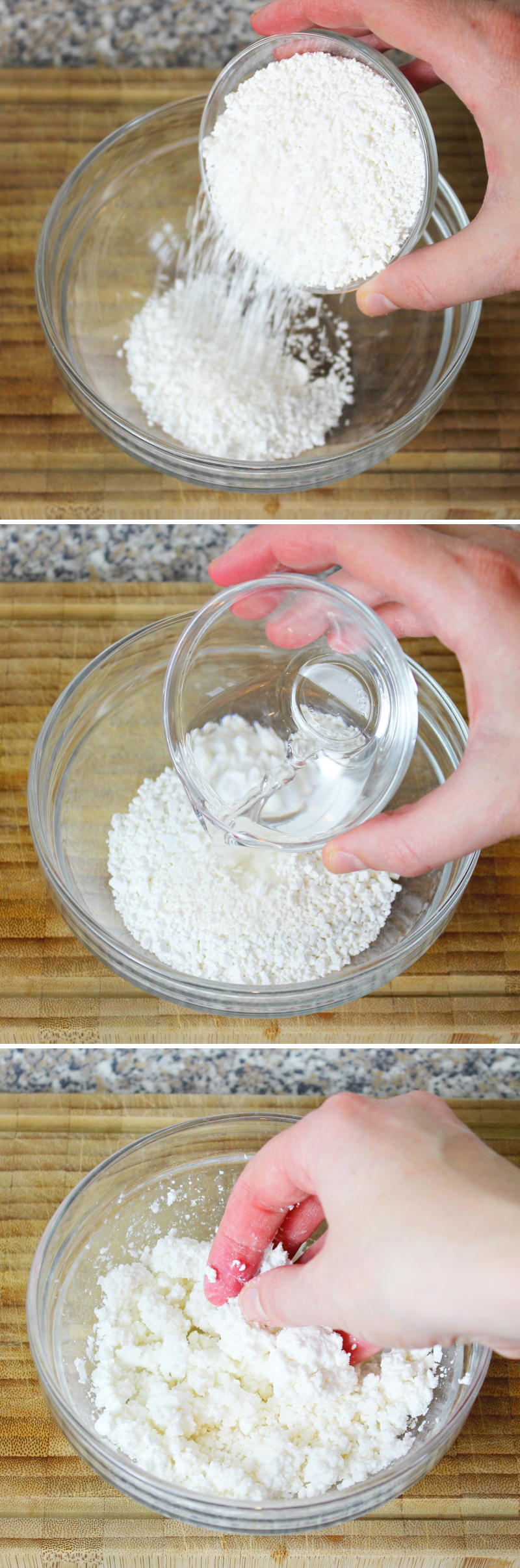
After 45 minutes, you can prepare the mini Mochi balls: To do this, mix the glutinous rice flour with the water in a bowl.
Step 5
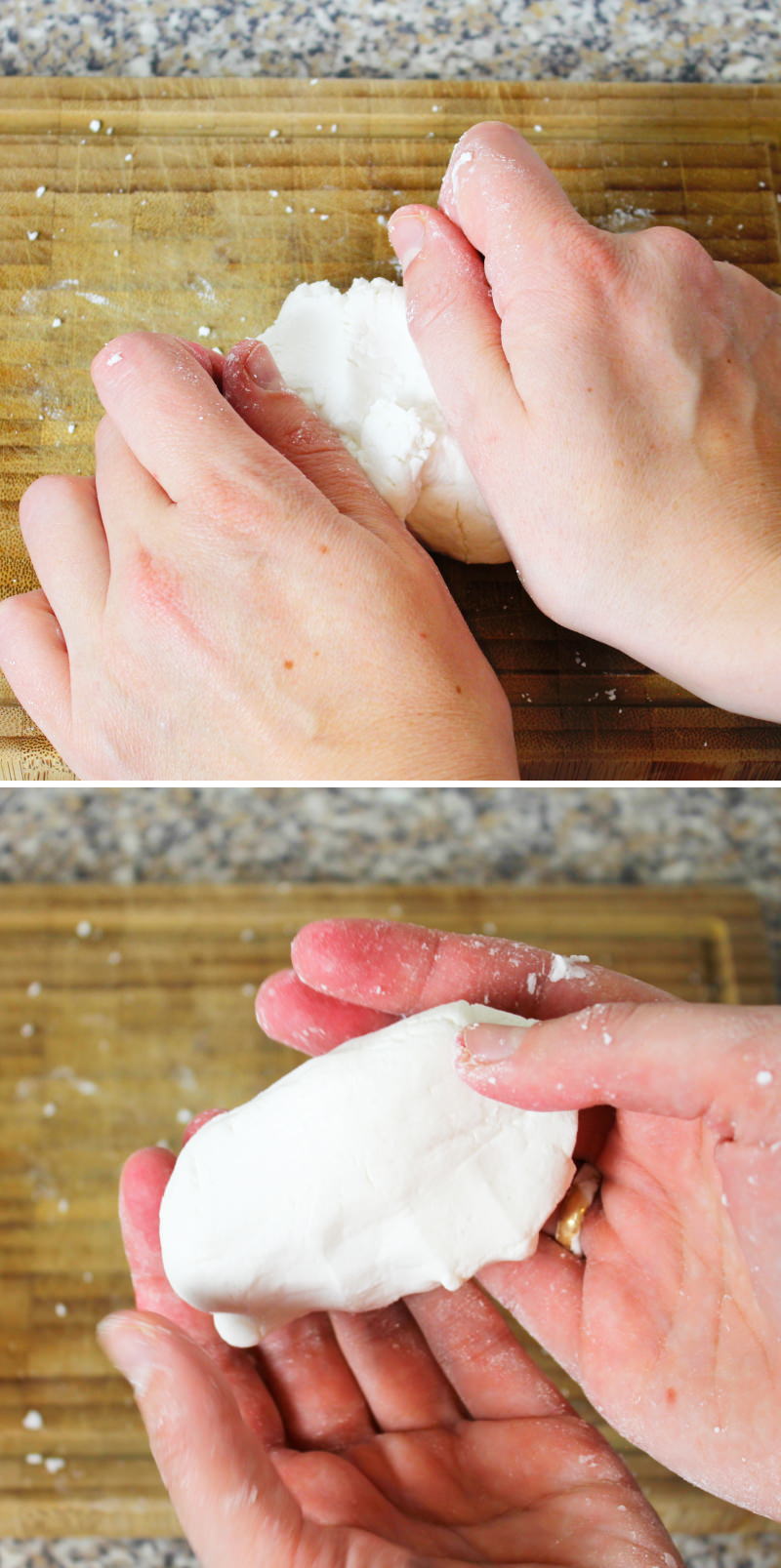
Knead both ingredients together with your hands to form a dough.
Tip: The dough should feel firm but not dry – it should also be supple without being runny. If not, add small amounts (no more than 1 tsp at a time) of glutinous rice flour or water and knead again until you have the ideal dough.
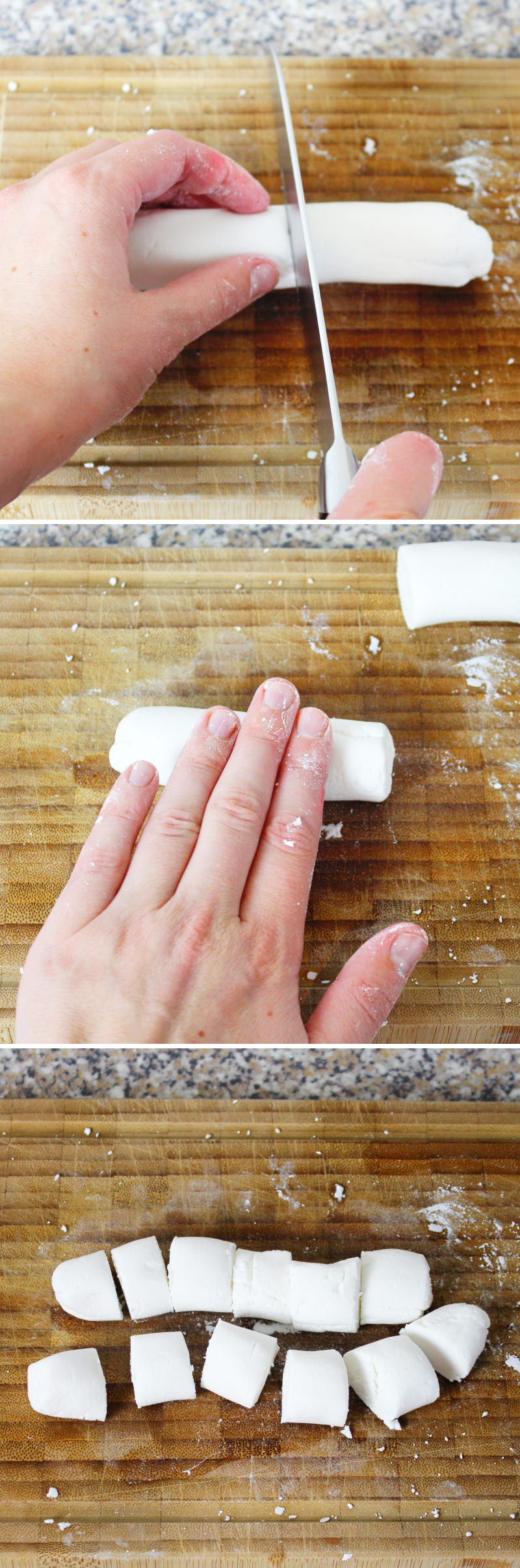
Step 6
Shape the dough into a small sausage and cut it in half with a knife. Shape each half into a sausage again and then cut each one into 6 pieces – so divide the entire dough into 12 roughly equal pieces.
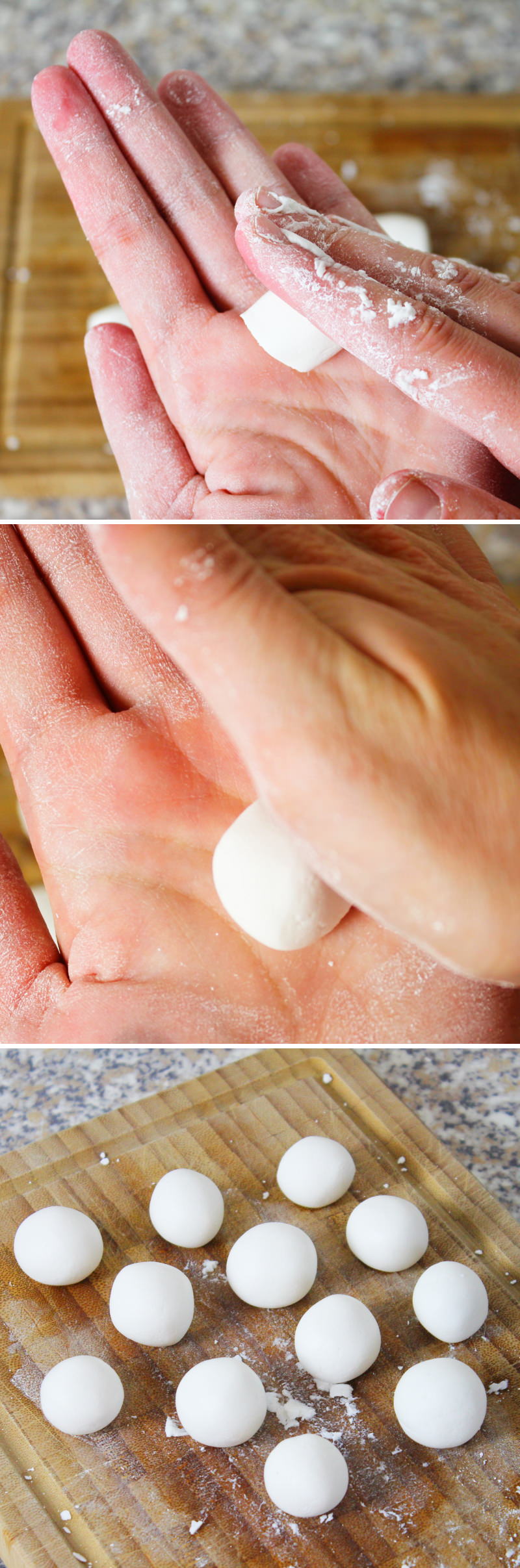
Step 7
Shape each piece of dough between your palms into neat balls . This will make 12 balls of equal size.
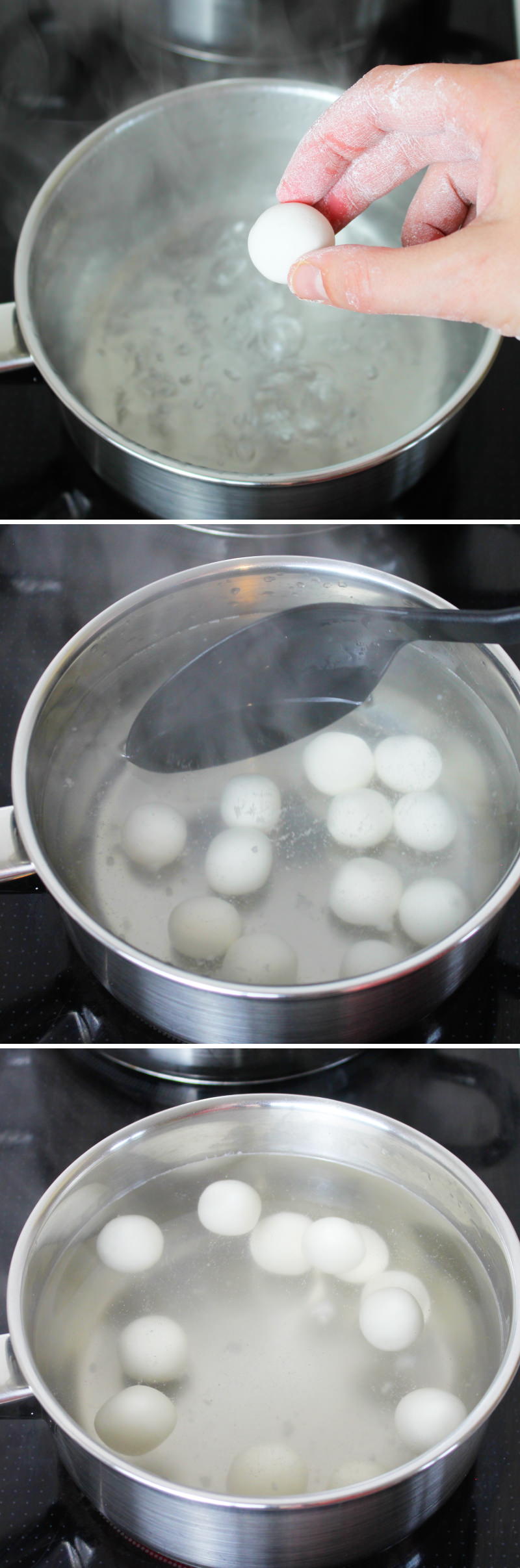
Step 8
Bring 2 litres of water to the boil in a large saucepan, then reduce the heat to medium. Add all 12 balls to the boiling water, stir gently once (to prevent the balls from sticking to the bottom) and cook for 5 minutes, until each ball has risen to the surface.
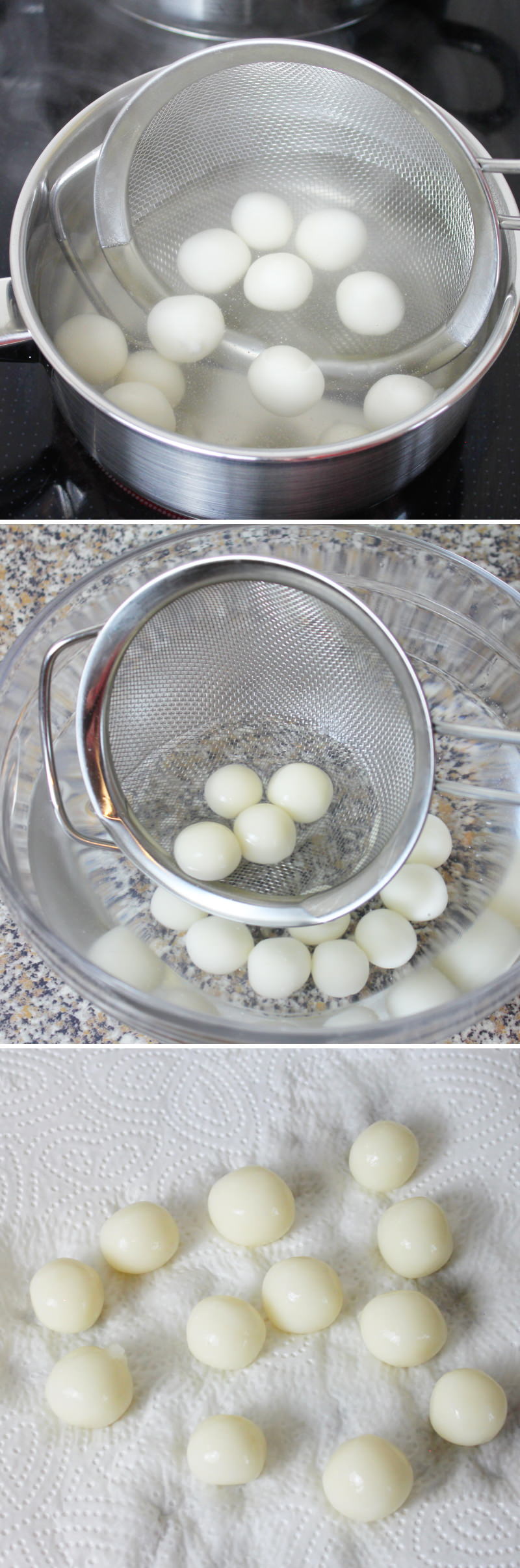
Step 9
In the meantime, prepare a bowl of ice-cold water. Then lift the balls out of the water using a slotted spoon or a sieve and place them in the prepared cold water. Rinse them briefly under cold water and then leave them to drain on kitchen paper.
Step 10
Back to the adzuki bean soup: After 90 minutes, add the sugar , stir thoroughly and leave everything to simmer for 15 minutes over a medium heat. The soup should then be very slightly thick and have a lovely sheen.
Step 11
Then ladle the warm, sweet adzuki bean soup into bowls and add three mini Mochi balls to each one. Be sure to serve the finished Shiratama Zenzai whilst still warm. Ready – Itadakimasu!
Are you looking for even more delicious Japanese desserts that will win you and your guests over? Here are my most popular recipes:

Japanese cheesecake: The best recipe for a fluffy soufflé-style cheesecake just like in Japan
Japanese cheesecake is one of Japan’s most popular desserts and delights with its exceptionally light and airy texture. Unlike classic…
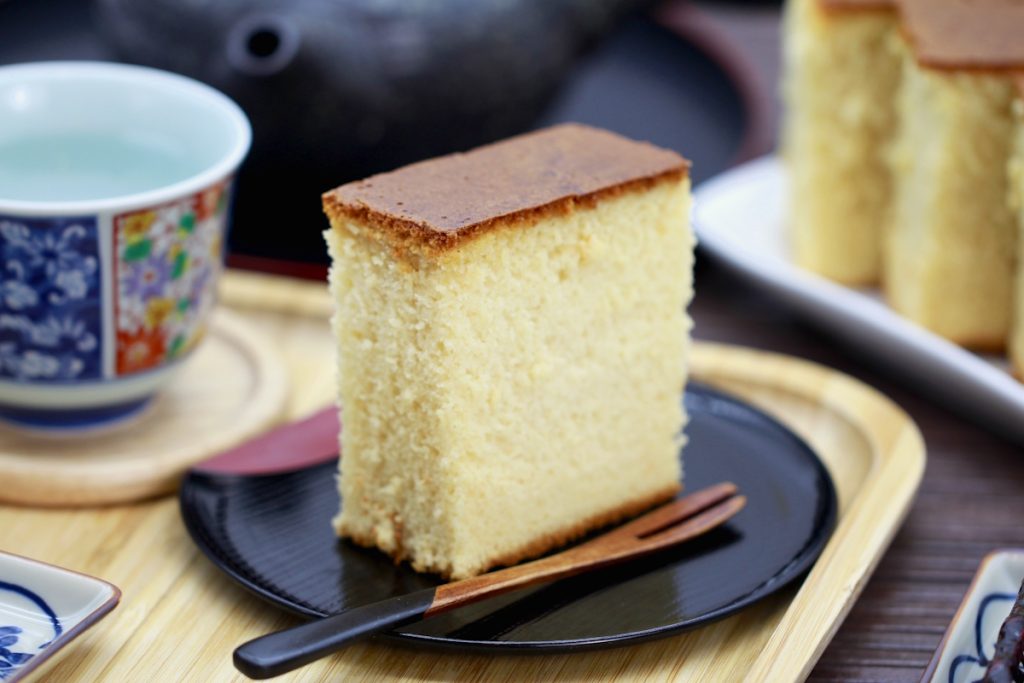
How to make Castella (Kasutera) yourself: How to make this Japanese honey cake
Why is Castella often described as Japan’s moistenest cake? Although Kasutera consists of just a few ingredients, the special preparation…
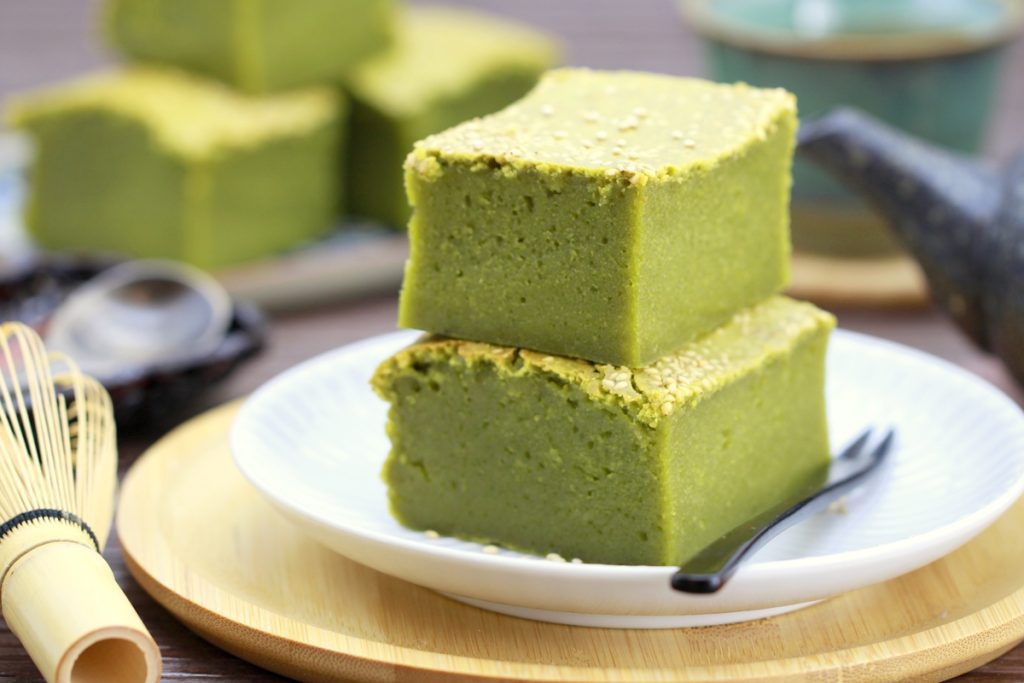
Make your own Matcha butter Mochi: Hawaiian Mochi cake with green tea
If you drink Matcha regularly, you might be familiar with this: at some point, you end up with more Matcha…
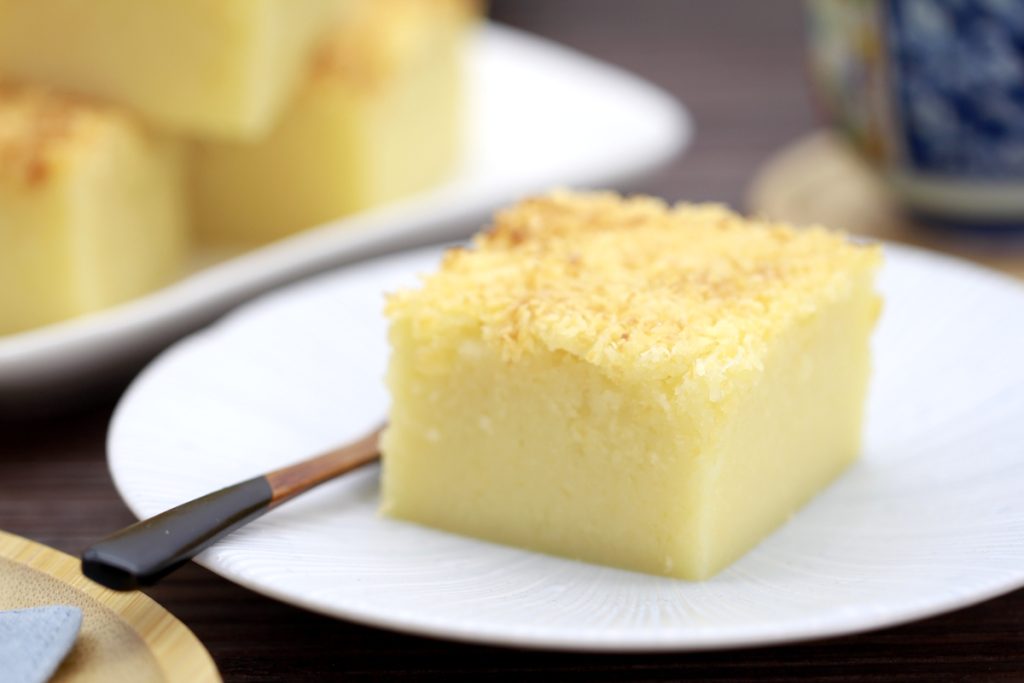
Butter Mochi (Hawaiian Mochi Cake – gluten-free)
Butter Mochi is one of those recipes that’s hard to pigeonhole. It looks like a simple tray bake, but has…

Make your own Fruit Sando: a fluffy cream sandwich with fruit – simple, fresh & typically Japanese
In Japan, it can remain surprisingly hot well into September – and it was on just such a muggy late-summer’s…
Warabi Mochi: Make your own delicate summer dessert with Kinako & Kuromitsu syrup
When the weather warms up, the appetite for light, refreshing sweets grows in Japan – and hardly any dessert embodies…
Have you tried out the recipe? Let me know in the comments – I’m really looking forward to hearing from you.