
Language:


Ichigo Daifuku Mochi – sounds like heaven on earth: strawberries and sweet adzuki bean paste are a very popular combination for homemade Mochi, just like in Japan!
This authentic specialty is best served as a seasonal dessert during the transition from spring to summer. It consists of a soft, slightly chewy Mochi filled with a wonderfully fresh, juicy strawberry and delicate, sweet bean paste. A Japanese treat for your taste buds!
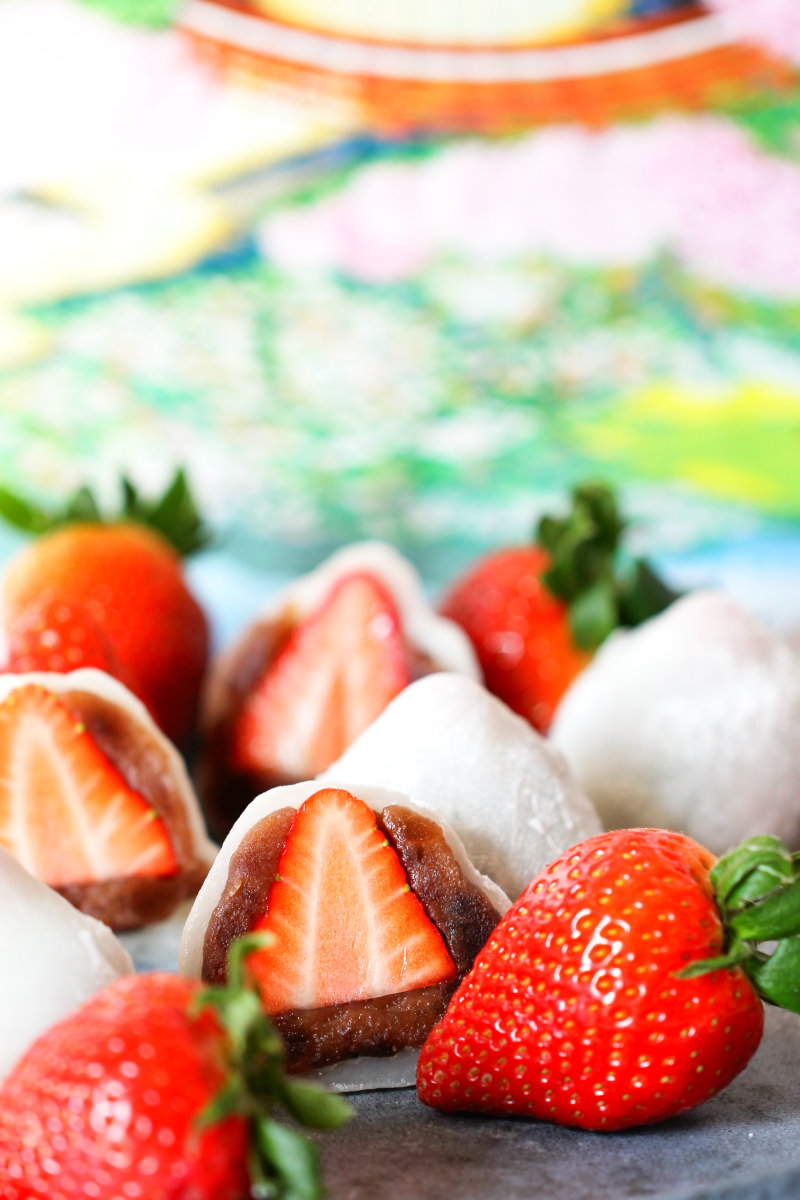
Daifuku Mochi remain the most popular traditional sweet in Japan to this day. Traditionally, Mochi consist of a soft glutinous rice dough filled with a sweet red bean paste, also known as anko or an – in other words, the classic Mame Daifuku Mochi. However, there are also countless varieties with a wide range of fillings. For example, Matcha Mochi, coconut mochi or even mochi ice cream!
TOP RECOMMENDATION
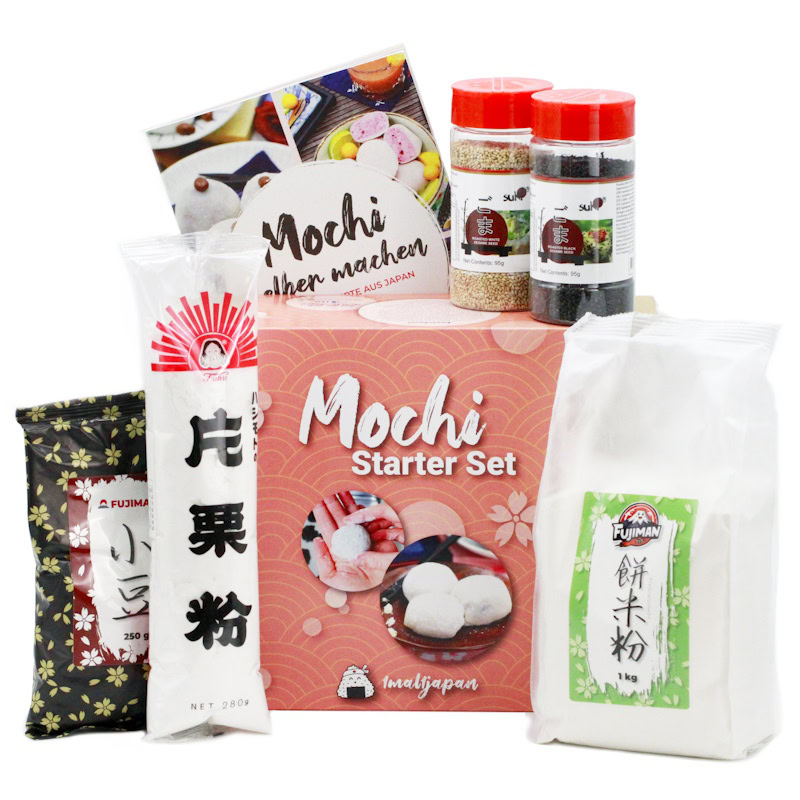
Mochi Starter Set | Klebreiskuchen selber machen, vegan
6-tlg. Kochset für 4 große Portionen Klebreiskuchen, inkl. Rezeptheft, glutenfrei & vegan. Mit dem Mochi Kochset stellst du japanische Reiskuchen ganz einfach selbst her –…
In stock
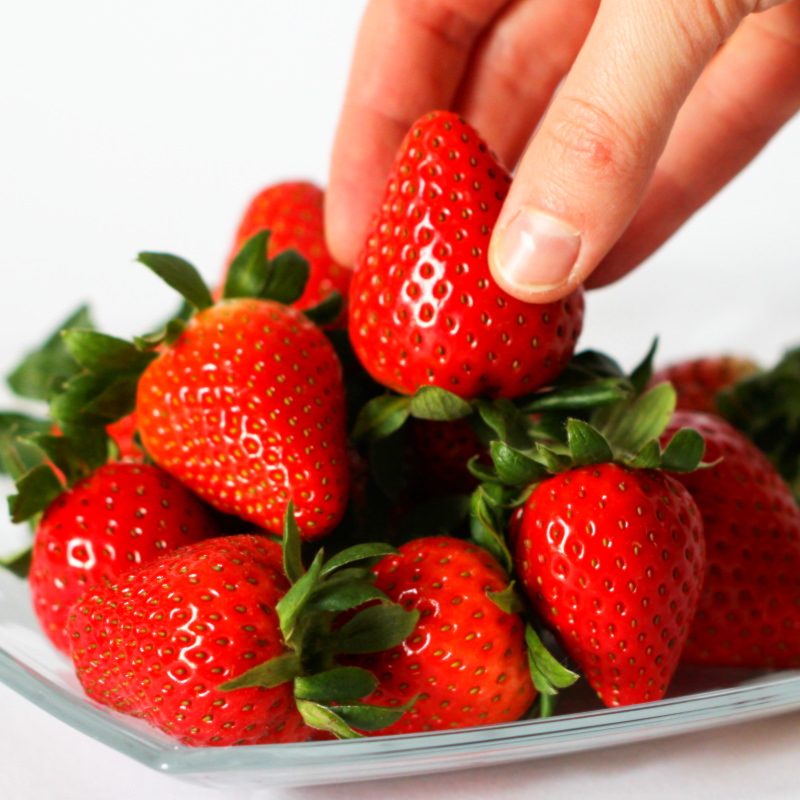
If, like me, you simply can’t wait for the first harvest-fresh strawberries of the year, then you’ll absolutely love this recipe. The great thing about this dessert is that it only works with truly fresh strawberries. Frozen and then defrosted strawberries are far too soft for this Mochi speciality, as it’s all about the juiciness and lovely bite of the fresh fruit.
My tip: Would you like to find out more about these irresistibly sweet Mochi? Then let yourself be enchanted by the world of Japanese rice cakes here: → Make mochi yourself: 7 recipes that really work!
Strawberry Mochi was first created in the 1980s and is considered a relatively new type of wagashi – a traditional Japanese sweet with a modern twist. Depending on the region and shop, some Ichigo Daifuku Mochi also have a coating of red or white bean paste. I really like this idea, as it gives this Mochi variation a genuine Japanese touch and a lovely shape, even if the strawberries aren’t perfectly round.
We’ll wrap the red bean paste coating very tightly around the strawberries. This also prevents the fruit juice from the strawberries seeping directly into the mochi dough.
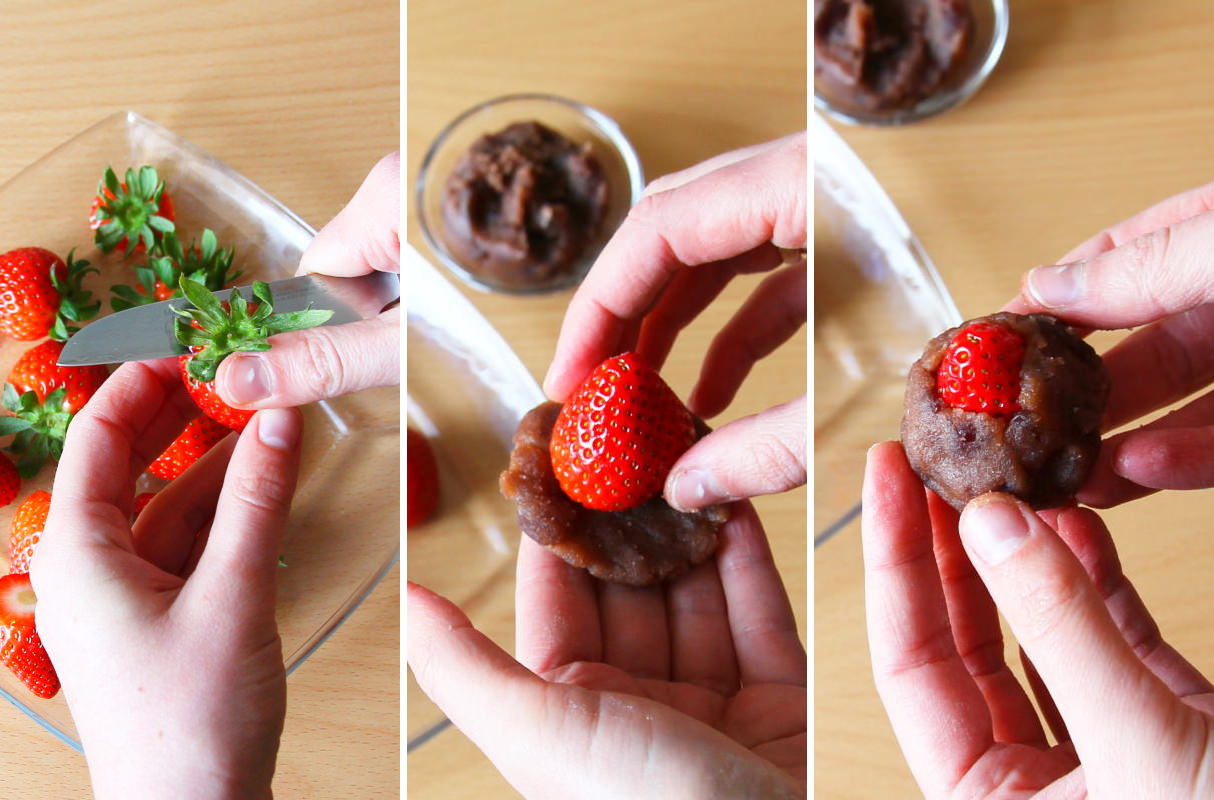
Incidentally, this creamy paste is called anko, or simply ‘an’, and is made from adzuki beans. In Japan, it’s the number one choice when it comes to the perfect accompaniment for traditional sweets and pastries. → Here’s my simple recipe for homemade red bean paste!
Alongside the strawberries and the red bean paste, the third key ingredient for these Mochi is the carefully prepared dough made from fine glutinous rice flour. Japanese glutinous rice cakes are made by steaming grainy glutinous rice that has been ground into flour. A sticky, glutinous rice flour is used for this (im Shop ansehen).
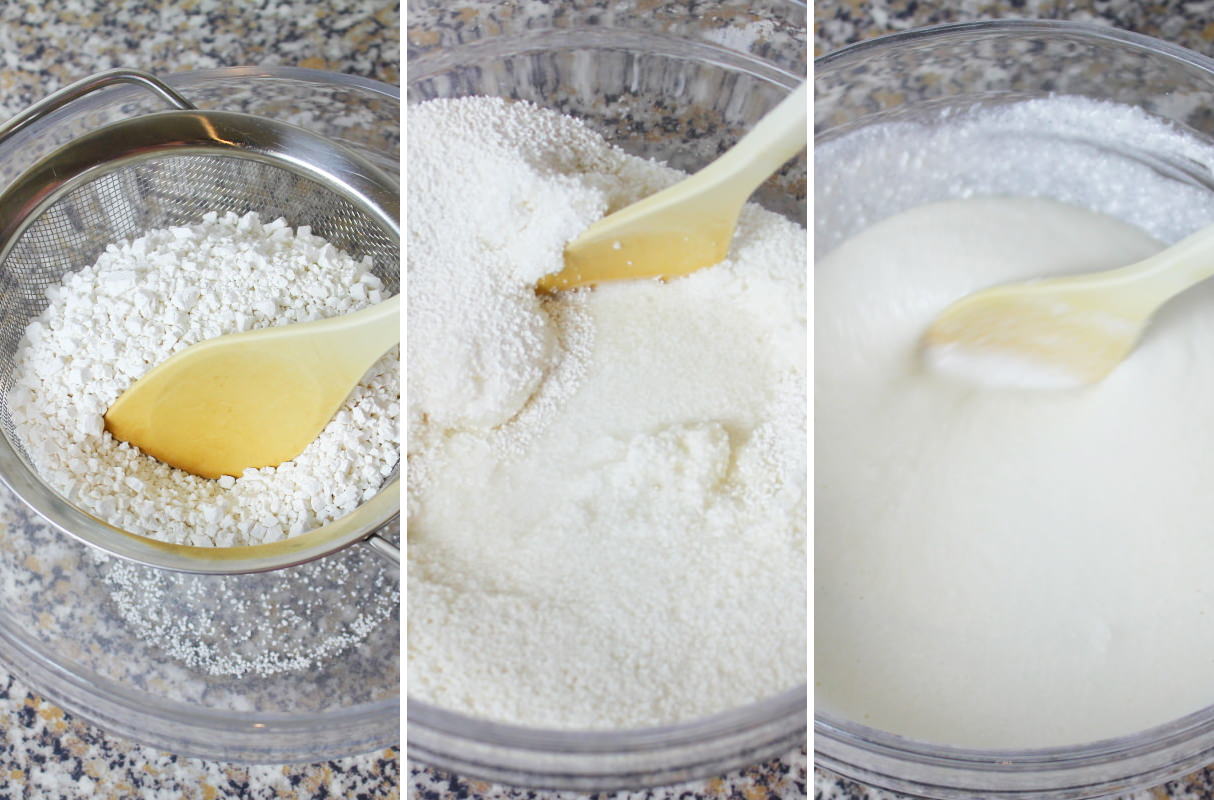
Now, for the mochi dough, we mix the glutinous rice flour with sugar in a medium-sized bowl and stir everything thoroughly with fresh, cold water. At first, the mixture is very stiff, almost lumpy. Don’t let that put you off! Keep stirring with a spoon. The sugar will slowly dissolve and the dough will become runny again after a while. When the dough reminds you of icing, it’s ready.
There are many different methods for cooking Mochi dough. In my recipe for Matcha Mochi, I’ll show you how to cook it using a traditional steamer insert in a saucepan.
You can also cook the dough in a non-stick frying pan or in the microwave. To do this, it’s best to follow my instructions in the recipe for mochi dough!
Either way, once cooked, we’ll roll out the dough and cut it to size.
In today’s recipe for delicious Ichigo Daifuku Mochi, you’ll learn how to use these three ingredients – strawberries, anko and mochi dough – to make a truly tasty mochi treat.
I hope you enjoy making this and I’d love it if you left a comment below to let me know how you got on with the recipe 😋!
Ichigo Daifuku Mochi
Serves 4 | 45 minutes | 185 kcal
🖨️ Print PDF 📌 Save to PinterestStrawberries and sweet adzuki bean paste are one of the most popular combinations for homemade Mochi, just like in Japan! This delicious speciality is best served as a seasonal dessert during the transition from spring to summer. It consists of a soft, slightly chewy Mochi filled with a wonderfully fresh, juicy strawberry and a delicate, sweet bean paste. A real treat for your taste buds!
Ingredients (12 pieces = 4 portions)
150 g glutinous rice flour (im Shop ansehen)
100 g sugar
180 ml water
100 g Katakuriko (potato starch) (im Shop ansehen)
180 g Koshi-an, fine anko – make your own red bean paste (to the recipe)
12 strawberries (preferably smaller ones)
Method (45 minutes)
Step 1
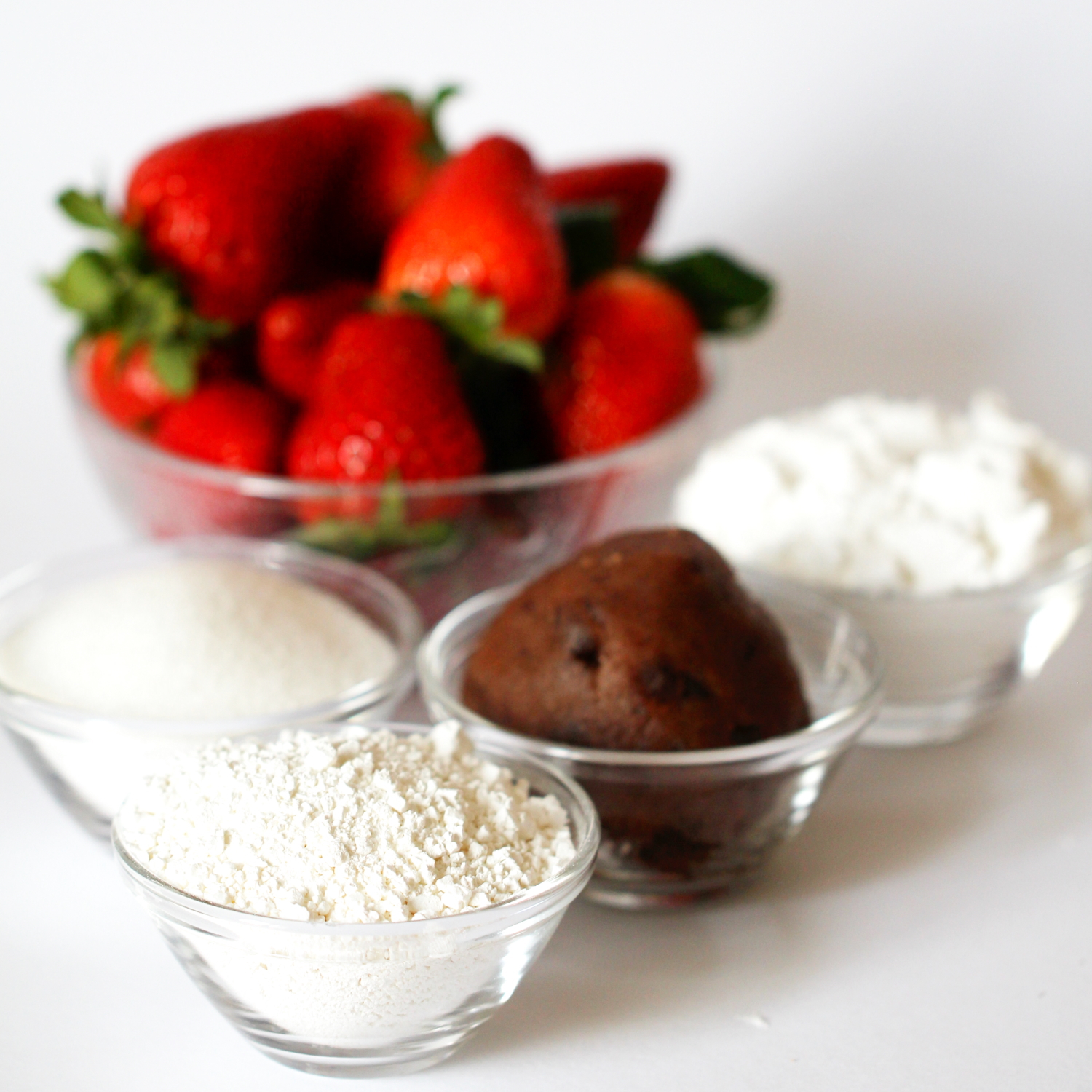
Gather the ingredients for the homemade Ichigo Daifuku Mochi with anko and strawberries. If you decide to make homemade koshi-an (click here for the recipe for homemade anko), it should already be prepared and completely cooled!
Step 2
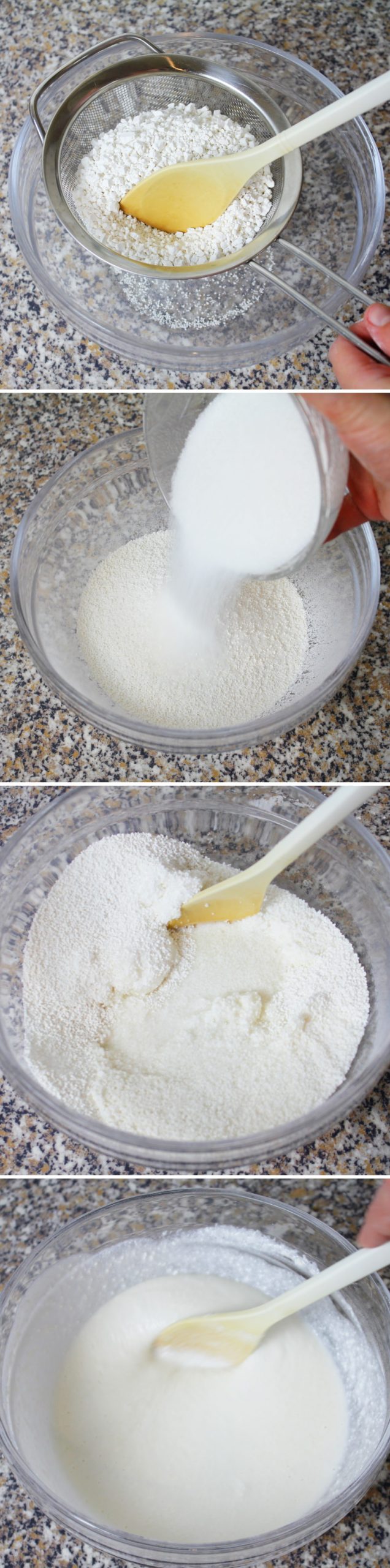
Now sift the glutinous rice flour through a sieve into a medium-sized bowl, add the sugar and mix thoroughly with the water .
Tip: To begin with, the mixture will be very thick, almost lumpy. Don’t let that put you off! Just keep stirring with a spoon. The sugar will slowly dissolve and the dough will become runny again after a while.
If the dough reminds you of icing, it’s ready.
Step 3
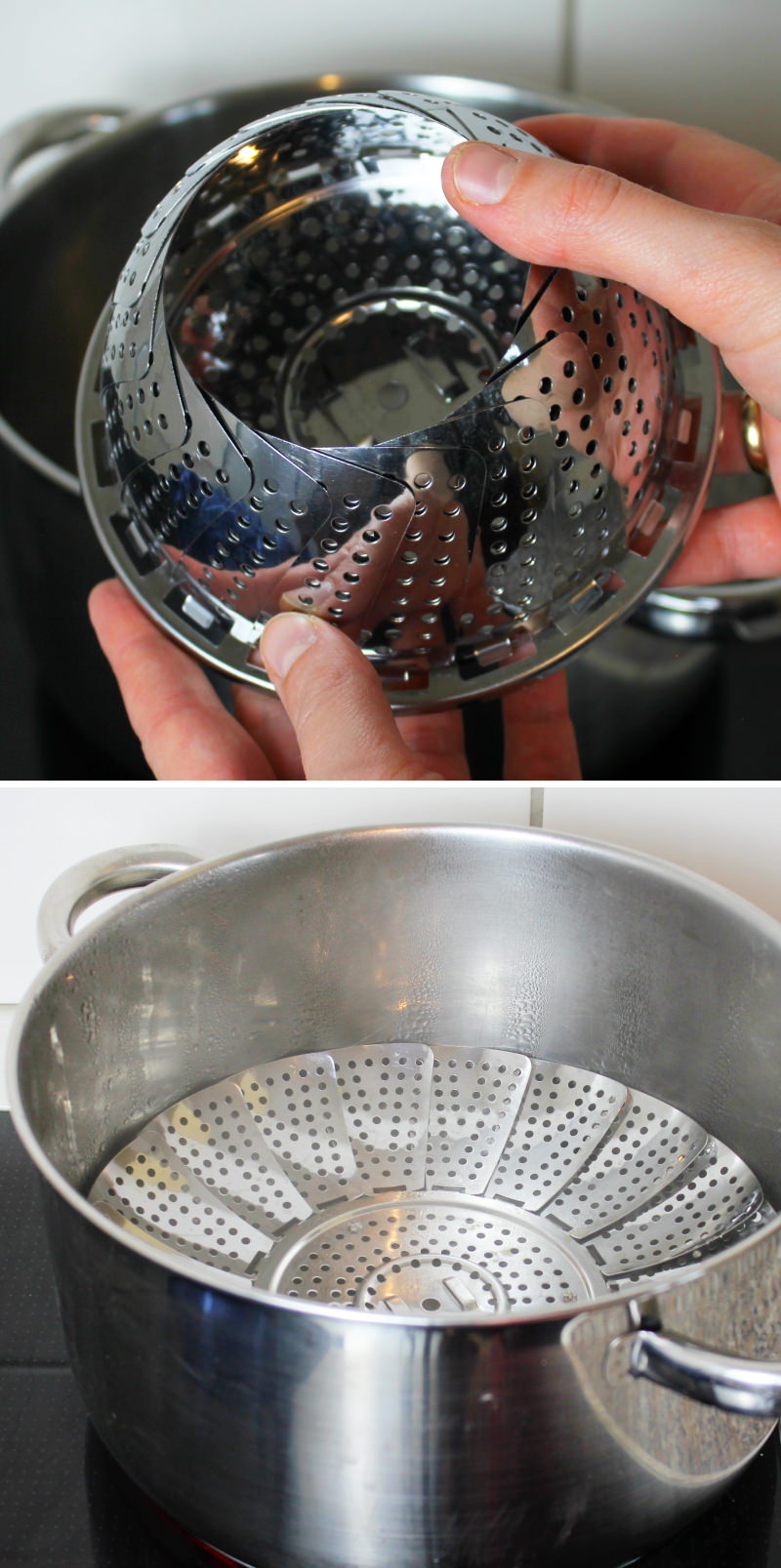
Fill a large saucepan (the medium-sized bowl from the previous step should fit comfortably inside) with about two fingers’ depth of water and place a steamer inside (only the legs of the steamer should be in the water). Bring the water to the boil.
Tip: To make the dough in a pan or in the microwave, follow my basic recipe for Mochi dough!
Step 4
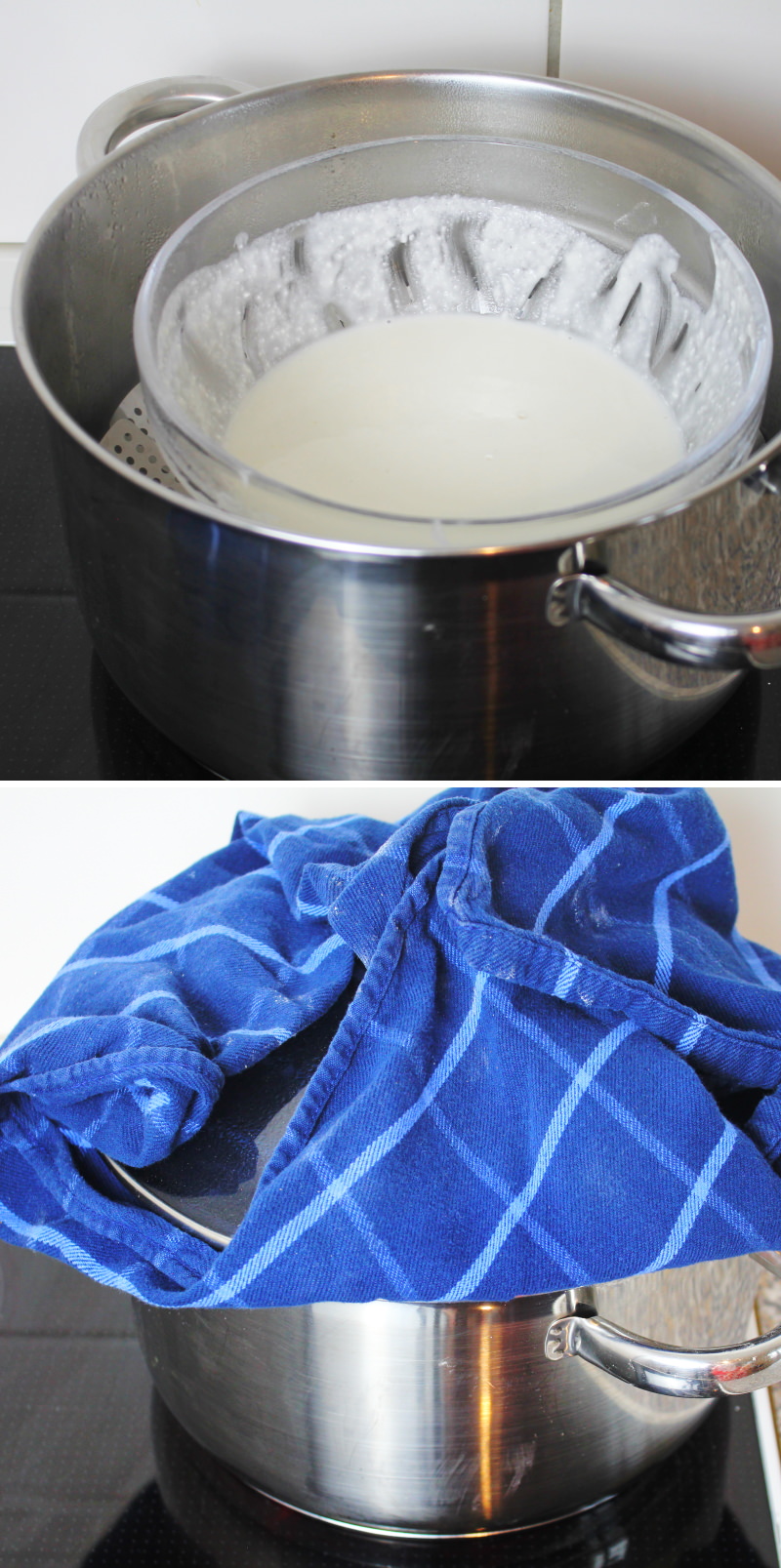
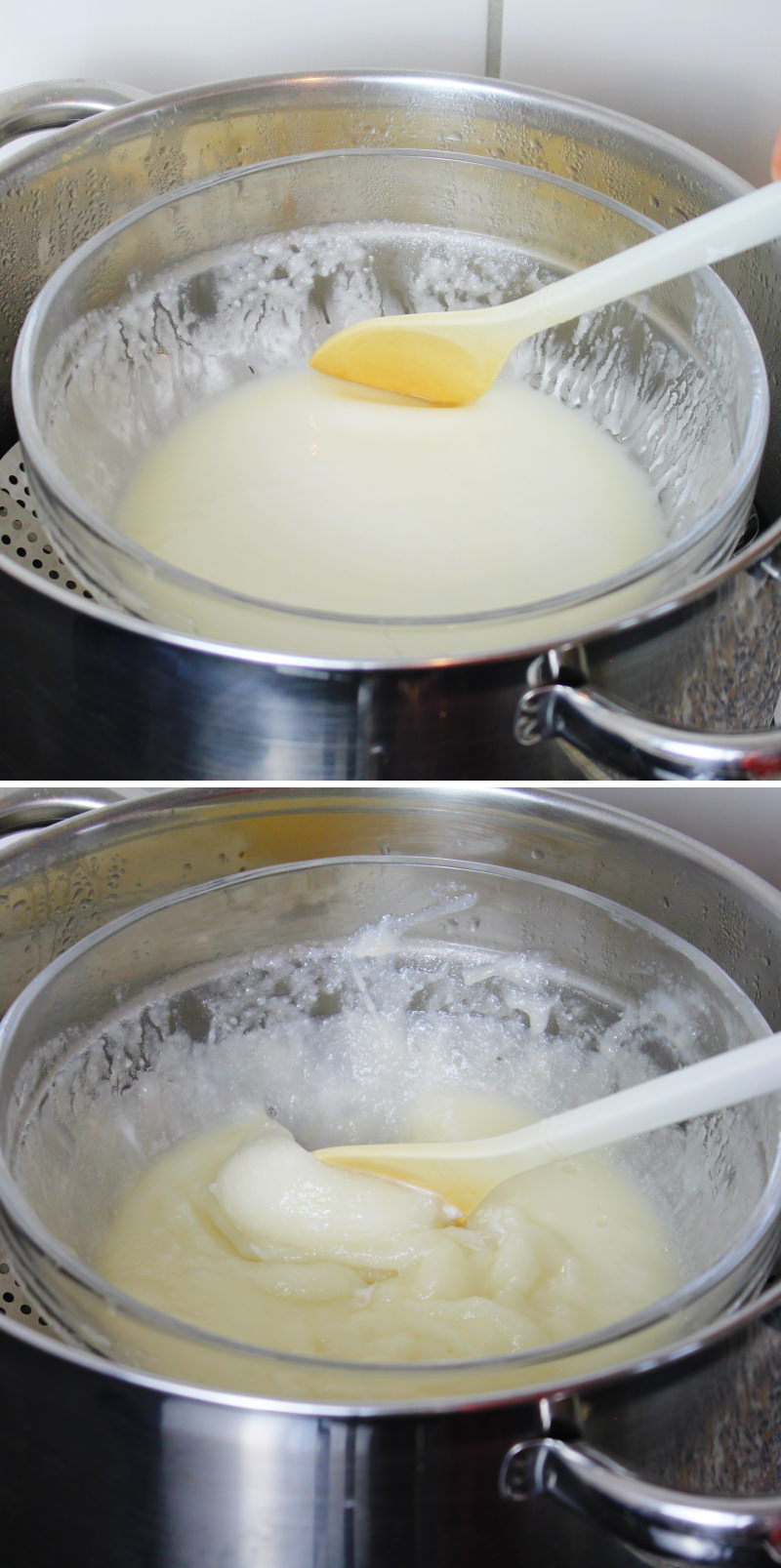
Place the bowl containing the dough into the steamer. Wrap the saucepan lid with a kitchen towel (to prevent condensation from dripping into the dough), fold the ends of the towel upwards and place the lid on the saucepan. Reduce the heat so that the water beneath the steamer is just simmering very gently. Steam the dough for 15 minutes.
Step 5
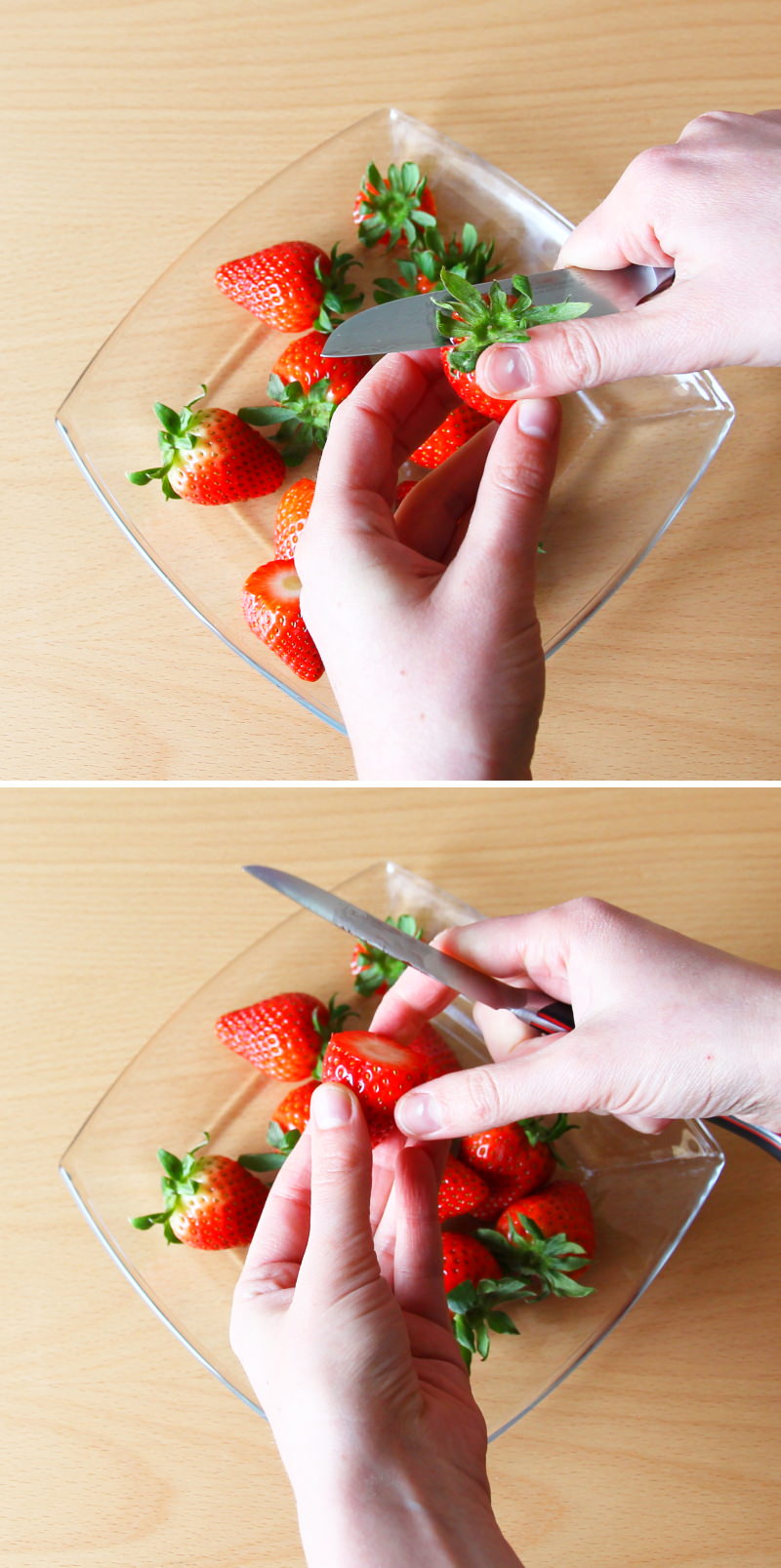
In the meantime, let’s prepare the filling: To do this, wash the strawberries and pat them dry carefully but thoroughly. Then remove the green stalks.
Step 6
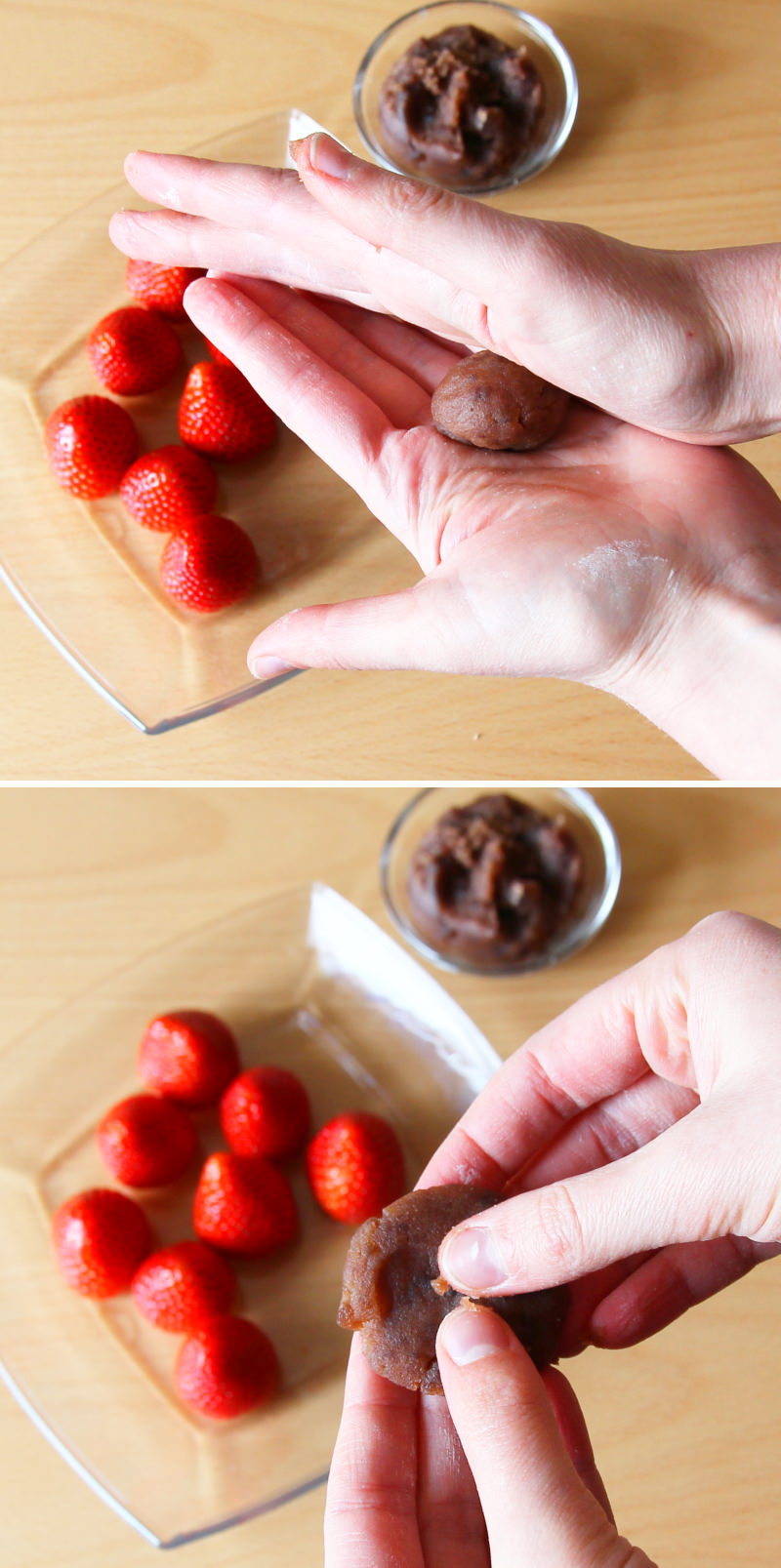
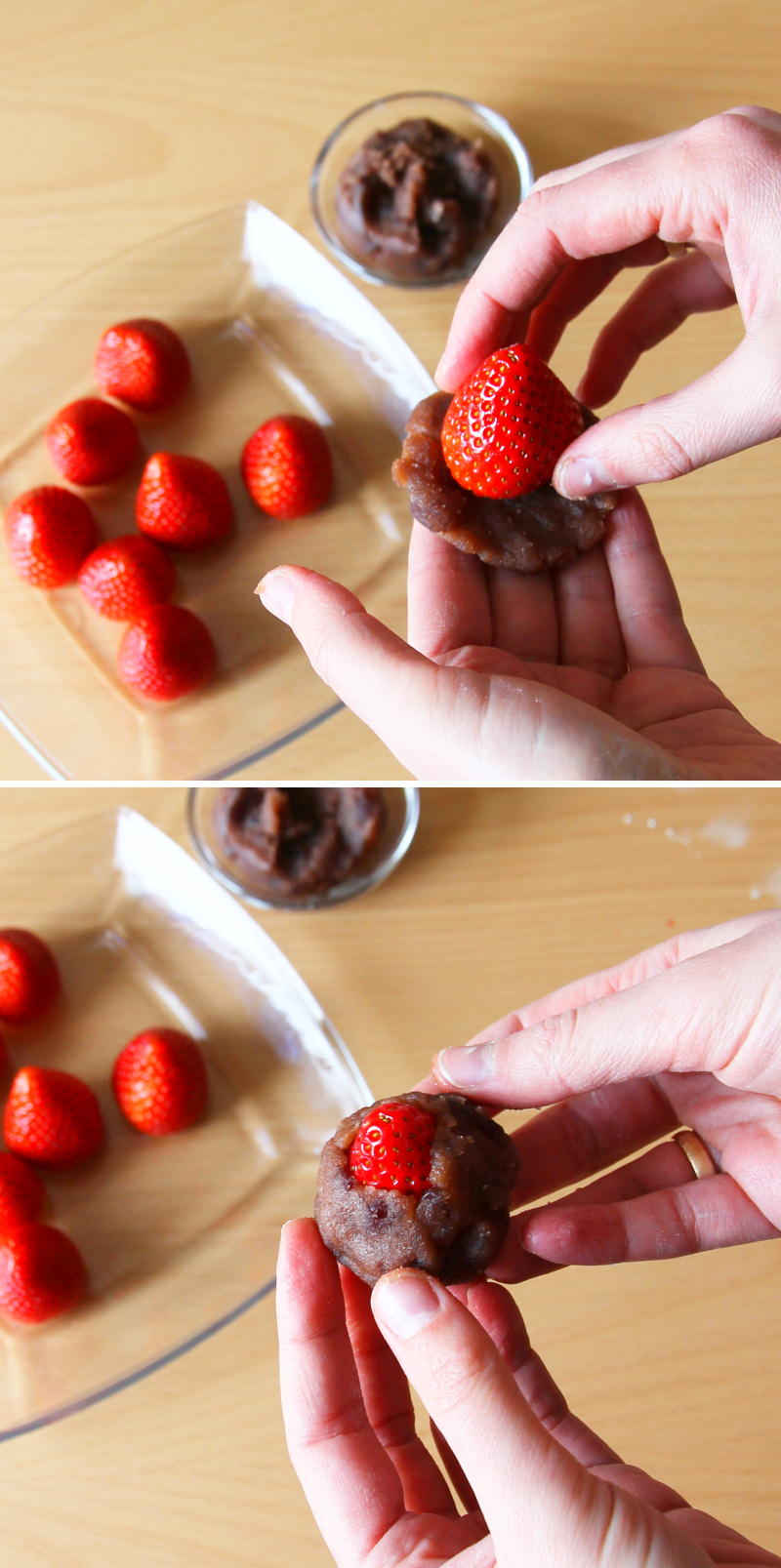
Shape the anko into 12 small, flat discs: take about 1 tbsp (equivalent to approx. 15 g) of the anko between your palms, first shaping it into a ball and then using your fingertips to flatten it into a disc.
Step 7
Place one of the strawberries in the centre of the anko and pull the anko up around it so that the tip of the strawberry is visible. Make 12 anko-wrapped strawberries for the filling in this way.
Step 8
Back to the mochi dough: Halfway through the cooking time (after about 7 to 8 minutes), remove the lid, stir the dough with a slightly damp spoon and replace the lid, including the tea towel. Caution: Risk of burns – please use oven gloves or pot holders!
Step 9
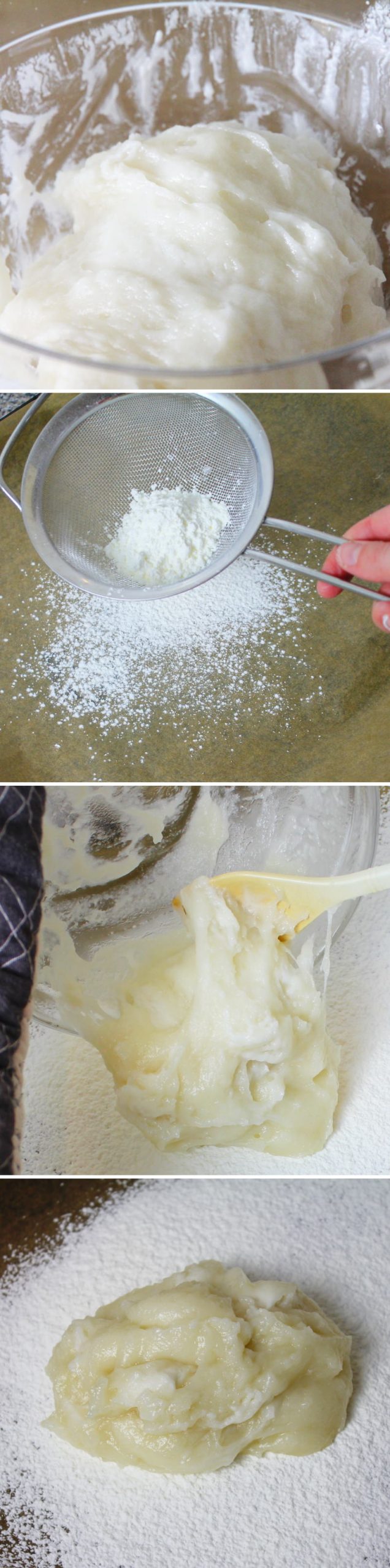
Shortly before the end of the cooking time Line a baking tray with baking paper and dust generously with cornflour using a sieve. Then, As soon as the dough is ready (it should be a white, firm, cohesive mass that is no longer runny but still slightly moist), remove it from the steamer. Using a spoon, transfer the dough from the bowl directly into the cornflour so that it doesn’t stick. Leave to cool briefly (for about 5 minutes).
Step 10
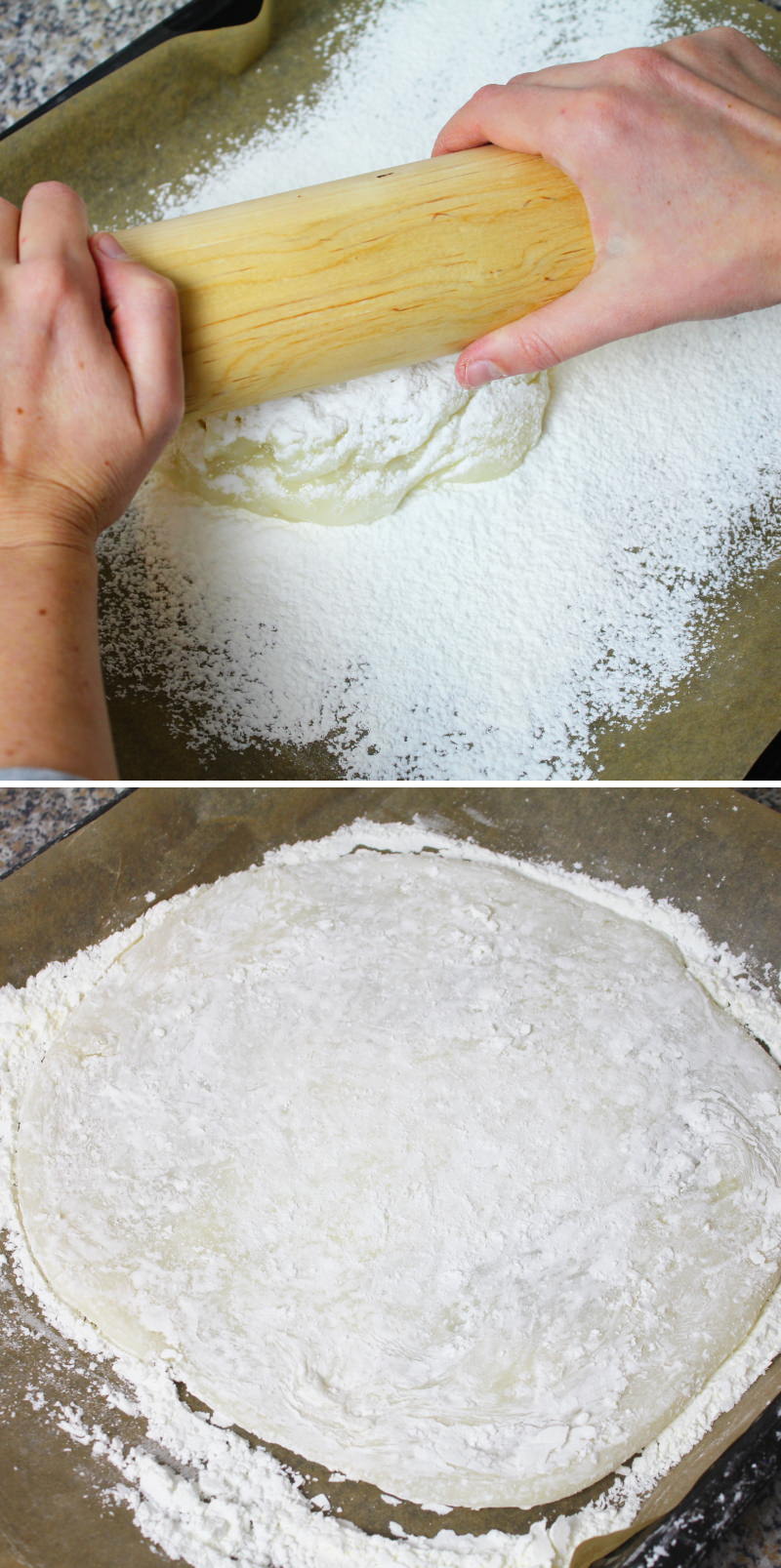
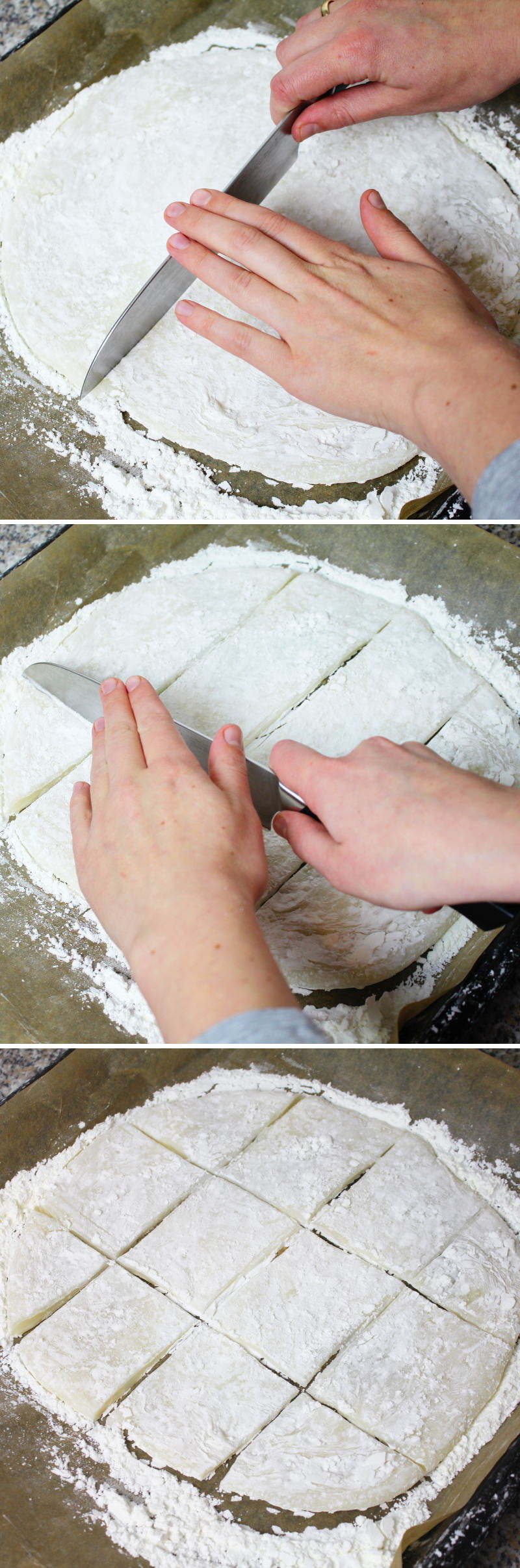
Once the dough has cooled slightly, dust it with a little cornflour. First, gently flatten it a little with your hands, then roll it out into a square shape using a rolling pin. The dough should be about 5 mm thick after rolling.
Step 11
Using a large, sharp knife , cut the dough into 12 roughly equal-sized squares .
Step 12
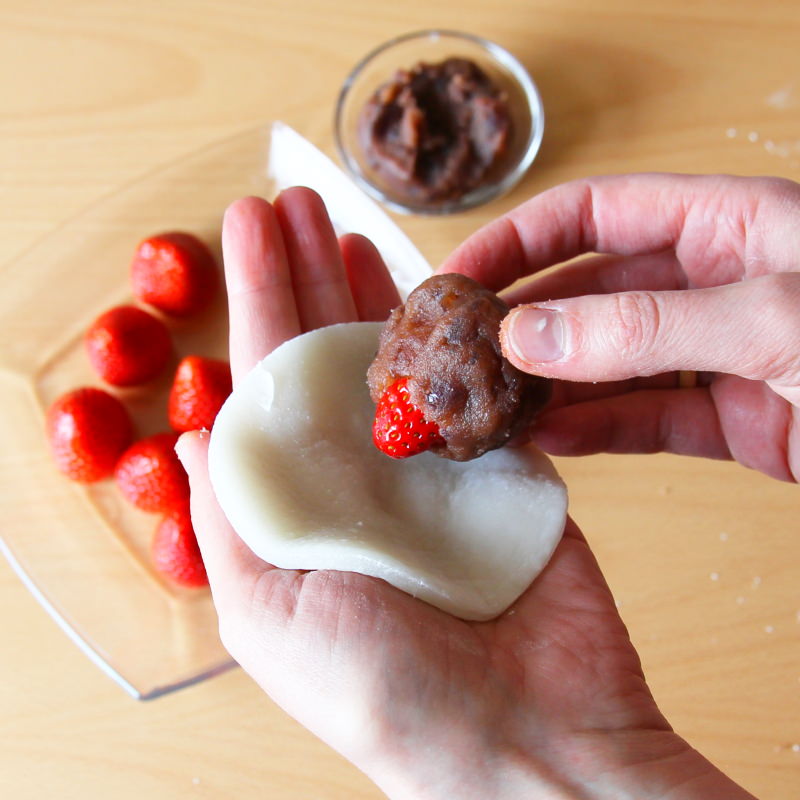
Carefully lift out each piece of dough , remove the excess cornflour – for example, using a pastry brush – and place an anko-filled strawberry in the centre, with the pointed end of the strawberry facing upwards.
Step 13
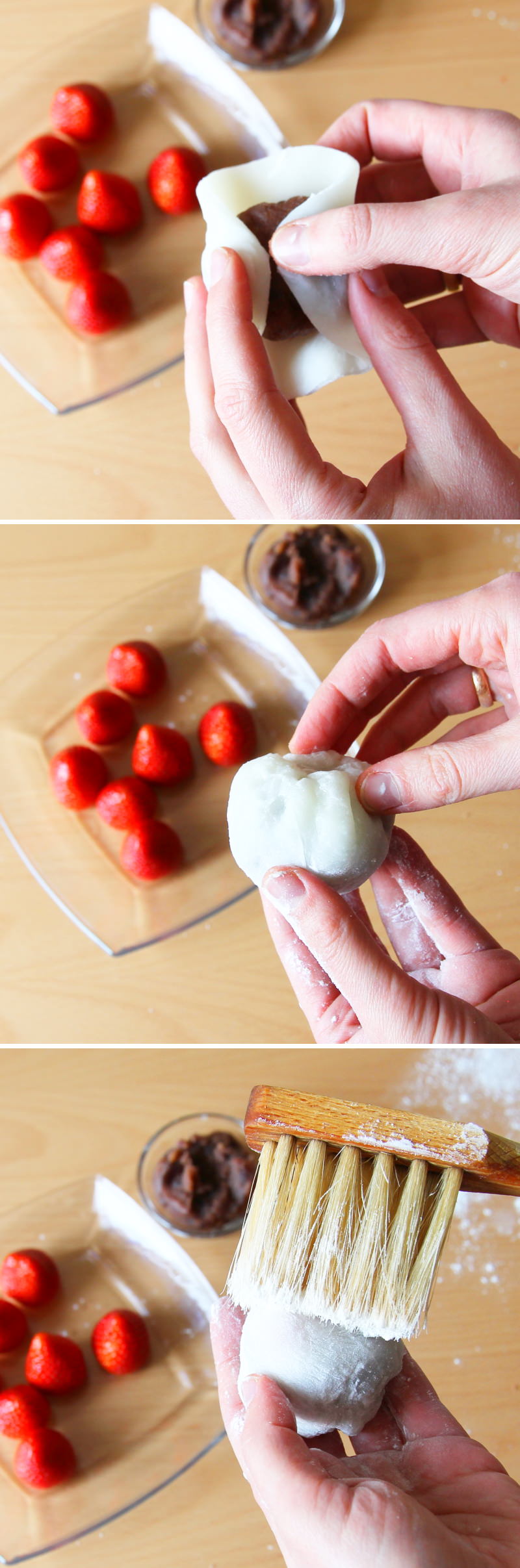
Using your fingertips, press two opposite corners of the dough firmly together in the centre, over the filling, then fold the other two corners together in the same way. The anko-strawberries inside should be completely enclosed by the mochi dough.
Tip: Where all the folds meet is the underside of the Mochi – so the appearance isn’t particularly important. The main thing is that the Mochi dough on the top doesn’t tear!
Using a brush, dust the finished Mochi once more with a little cornflour on all sides.
Shape all the remaining Mochi and place them on the serving plate.
Step 14
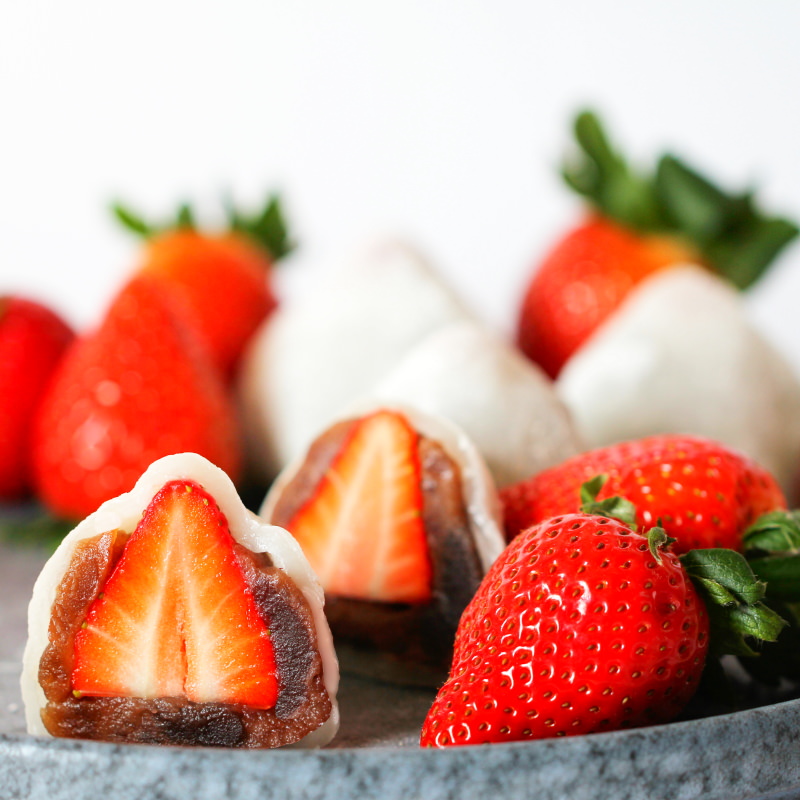
Ichigo Daifuku Mochi are a brilliant dessert idea for early summer and a real highlight of any Japanese meal. Done – Itadakimasu!

Are you looking for even more delicious Mochi specialities from Japan that will delight your guests? You can find my most popular recipes here:
No post found!
Have you tried out the recipe? Let me know in the comments – I’m really looking forward to hearing from you.