

Language:


Homemade sushi rice (or ‘sushi meshi’ in Japanese) is the foundation of any good sushi meal! With this simple basic recipe, you can make vinegared rice in a saucepan just like they do in Japan – without it burning or boiling over! The highlight is the homemade sushi vinegar, which makes your sticky rice taste just like it does at your favourite sushi restaurant ♡
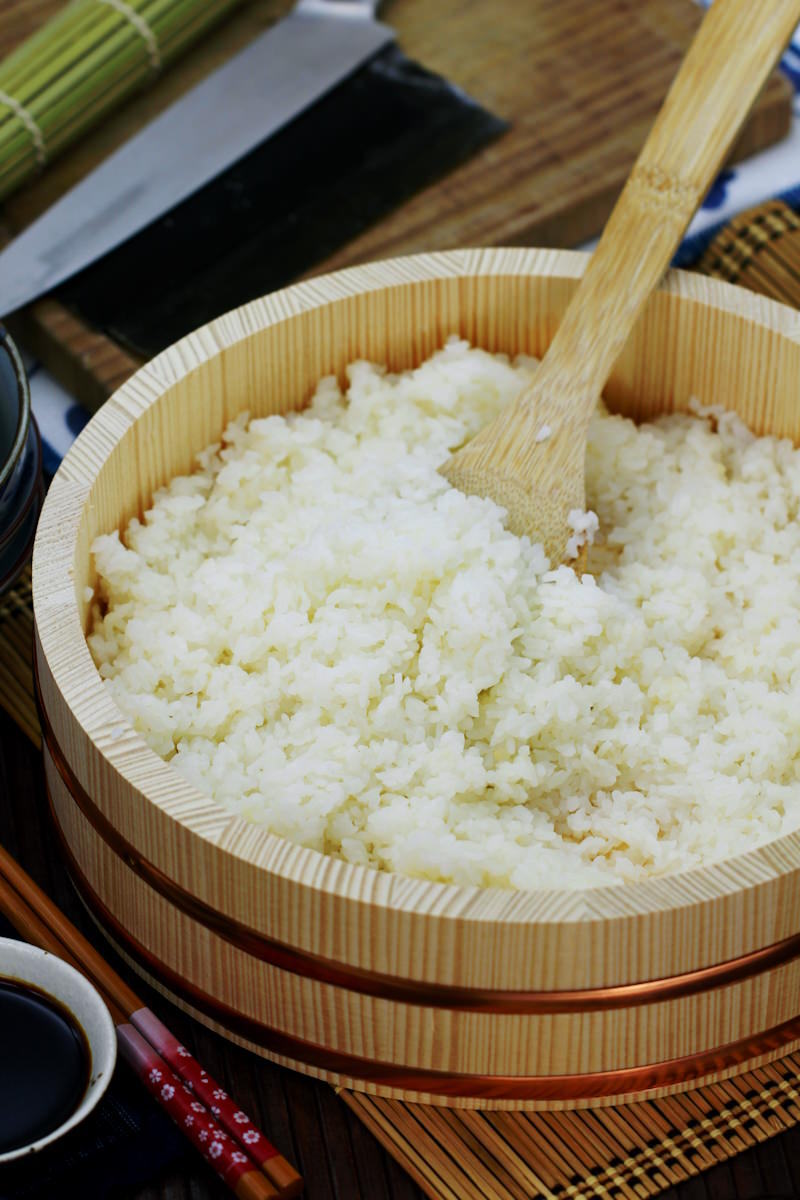
Sushi is rice seasoned with vinegar, which is filled or topped with raw, cooked or marinated fish (or other seafood), vegetables or Japanese omelette.
The original idea behind Sushi was to preserve raw fish by combining it with rice. Today, it is a Japanese national dish that is served and eaten in a wide variety of forms as a snack, starter or main course – the creations range from generously filled bowls to artfully crafted rolls.
Why do we still love Sushi today?
- Sushi is low in fat and calories.
- Sushi is prepared using only the freshest ingredients.
- Sushi offers countless variations and flavours, even at home!
- Sushi isn’t just delicious – it’s also a work of art.
- It’s great fun to make your own sushi!
Which sushi rice should you use?

Tip for perfect sushi rice
If you want to make sure that you have all the ingredients for your sushi rice in the right quality and quantity, I recommend our sushi cooking set. This set contains everything you need – from high-quality sushi rice to essential seasonings – to make sushi like a pro. With our cooking set, making sushi is a breeze and guarantees an authentic treat for every sushi lover. Be sure to click here for more important information!
Sushi has been a hot topic for years, almost decades. There are countless unusual variations, all of which look wonderfully artistic. What’s fascinating, however, is that all recipes always rely on the same basic ingredients – and that definitely includes sushi rice!

When preparing sushi rice, it’s best to use a short-grain (or round-grain) white glutinous rice (im Shop ansehen) .
This rice has a very mild flavour, is high in starch and therefore absorbs liquid well, which in turn means that it sticks together nicely after cooking – a must for delicious Sushi!
CUSTOMER FAVOURITE
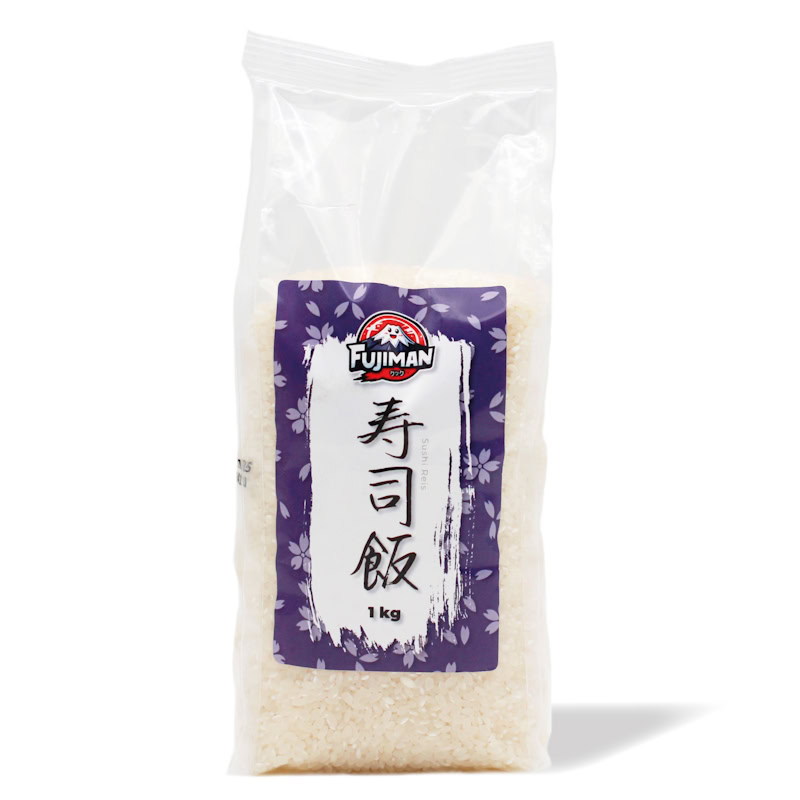
Sushi Reis 1kg (kurzer Rundkornreis), Fujiman
Rundkornreis für Sushi, Onigiri & japanische Reisgerichte. Dieser Sushi Reis von Fujiman ist ein kurzrunder Rundkornreis mit ausgewogener Klebrigkeit und feinem Aroma. Er eignet sich…
In stock
Tip
Short-grain rice is the ideal base for Sushi and other Japanese dishes! Other types of rice, such as jasmine or basmati rice, are NOT suitable for Sushi because they do not absorb enough liquid and do not stick together well.
And this is how you prepare Sushi rice:
To prepare it, the loose rice is washed in cold water, so that the starch is released from the husk and the grains stick together well later on. The way the rice grains stick together is characteristic of and very important for Japanese rice: This makes it easier to shape the rice into perfect Sushi!
Determining the ideal amount of cooking water is also important – always check the specific cooking instructions for your rice first! As a general rule, however, you should use the same amount of water as rice. So, for 100g of rice, use 100ml of water!
Tip
Important: The saucepan shouldn’t be too small, as the rice increases significantly in volume as it cooks and swells!
Top tip: Use the right Sushi vinegar!
An important ingredient for delicious sushi rice is the right sushi vinegar, which is a mixture of rice vinegar, sugar and salt. It seasons the rice perfectly, ensuring it doesn’t overpower the dish but brings out the best in the other ingredients. The proportions vary depending on personal taste (some like it saltier, others prefer it sweeter).
A good rule of thumb is: For every 10 parts rice vinegar (im Shop ansehen), use 5 parts sugar and 1 part salt (for example, 4 tbsp rice vinegar, 2 tbsp sugar and ½ tsp salt).
It’s best to gently warm the rice vinegar together with the sugar and salt in a saucepan so that the sugar dissolves – the mixture should not boil. Then leave it to cool to room temperature and use as per the recipe.
Tip
Incidentally, sushi rice is not cooled completely (this is a common misconception). In very good sushi restaurants, the rice is shaped into sushi at body temperature (i.e. between 35 and 40°C) and served immediately. This is when sushi tastes at its best, allowing all the ingredients to harmonise.
Whilst trying out lots of different types of Sushi vinegar, I also came across Sushinoko (im Shop ansehen) from Japan, which really impressed me in terms of flavour.
CUSTOMER FAVOURITE
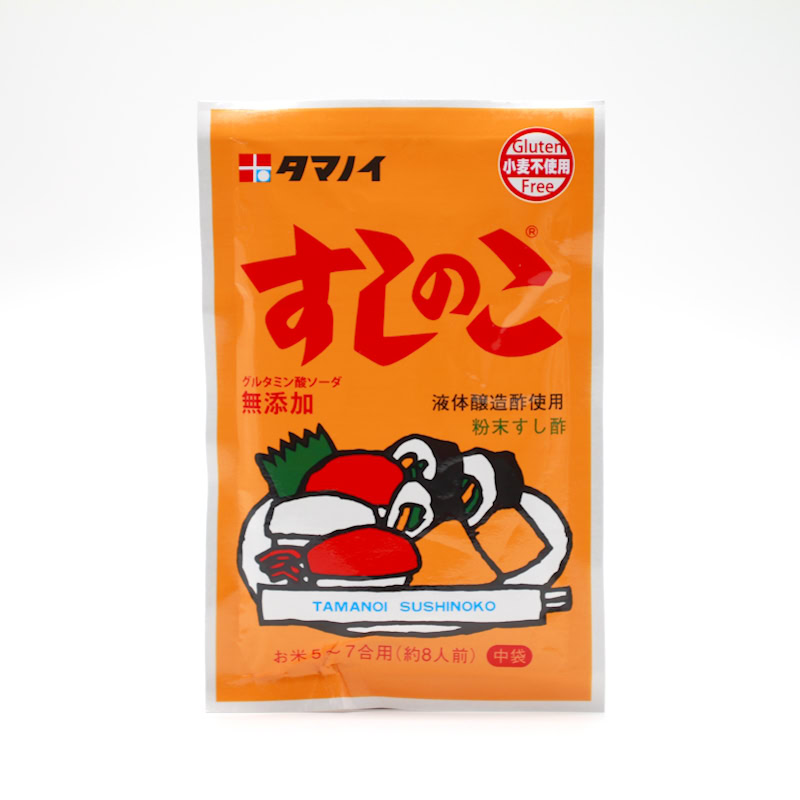
Sushi No Ko 75g (Essig für Sushi Reis), Tamanoi Sushinoko
Dieser tolle Sushi Reisessig verwandelt einfachen Klebreis in geschmacklich authentischen Sushi Reis wie in deinem Lieblingsrestaurant! Sushi No Ko besteht aus fermentiertem Essig, Zucker und…
In stock
This rice vinegar powder transforms ordinary rice into authentic-tasting Sushi rice, just like in a restaurant! Once the rice has been cooked, (just like with liquid vinegar) and simply stirred in.
And now I hope you have fun and every success in preparing this delicious sushi rice!
Sushi rice
serves 2 | 60 minutes | 341 kcal
🖨️ Print PDF 📌 Save this pinHomemade sushi rice is the foundation of any good sushi meal! With this simple basic recipe, you can make seasoned rice in a saucepan just like they do in Japan! The highlight is the homemade sushi vinegar, which makes your sticky rice taste just like it does at your favourite sushi restaurant ♡
Ingredients (2 portions = 600 g)
300 g rice (preferably white, short-grain Sushi rice) (im Shop ansehen)*
1 piece Kombu (approx. 10 x 15 cm) (im Shop ansehen)* – optional
300 ml water (fresh, cold tap water)
2 tbsp Sushi no ko (authentic vinegar powder for sushi rice) (im Shop ansehen)*
Or homemade Sushi vinegar:
4 tbsp rice vinegar (im Shop ansehen)
2 tbsp sugar
1/2 tsp salt
Useful equipment:
Japanese rice cooker (im Shop ansehen)
Preparation (60 minutes)
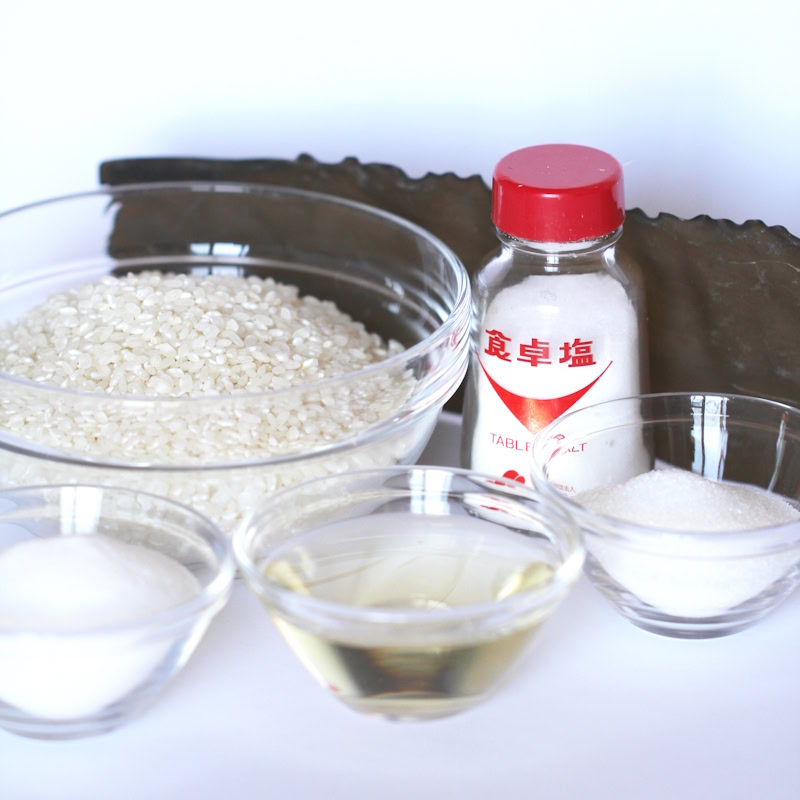
Step 1
Prepare the ingredients for sushi rice.
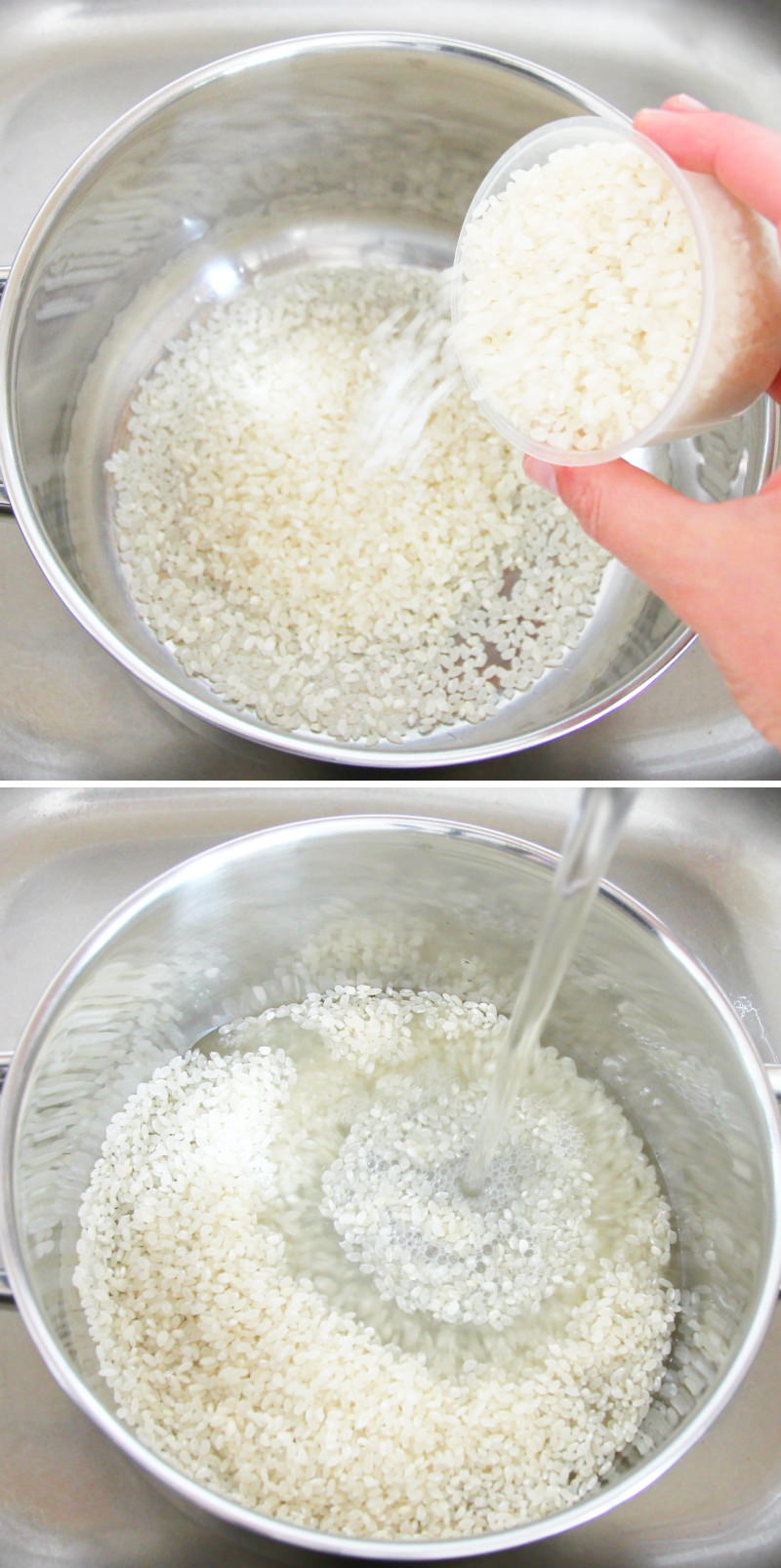
Step 2
Place the rice in a saucepan (or a large bowl) and fill with plenty of cold water .
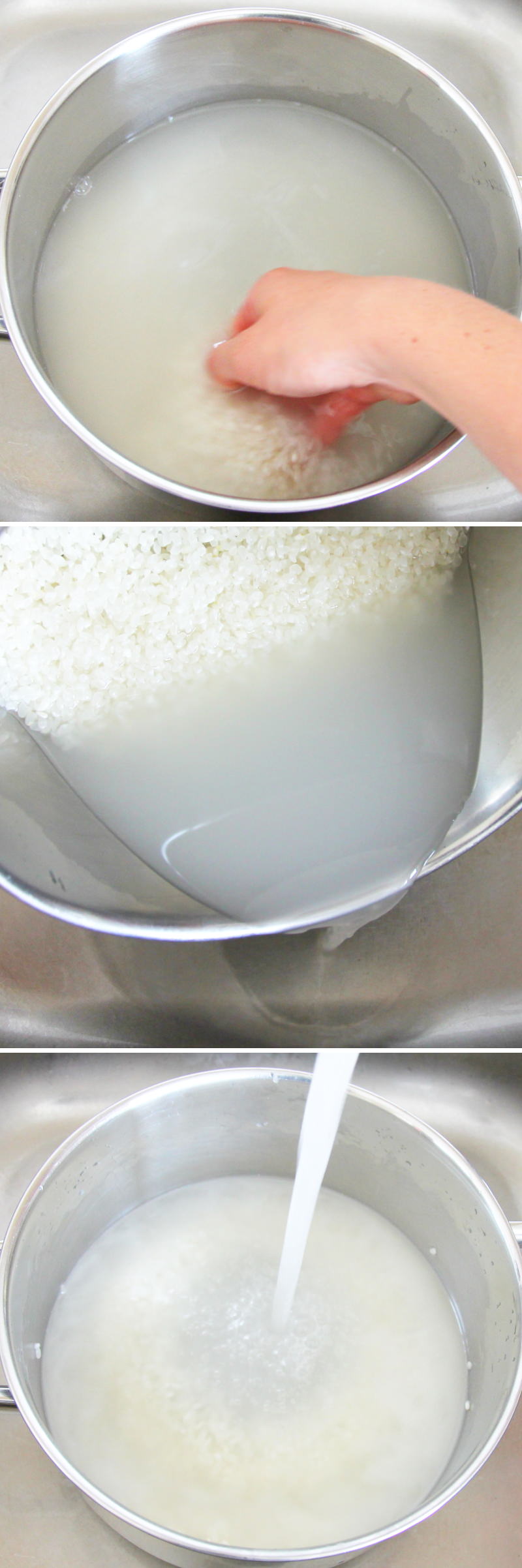
Step 3
Now carefully wash the rice with your hands using circular movements and applying gentle friction between the grains.
Slowly drain off almost all the water (using a sieve) and rinse the rice thoroughly in the remaining water in the saucepan.
Now top up with fresh cold water and wash gently using circular movements.
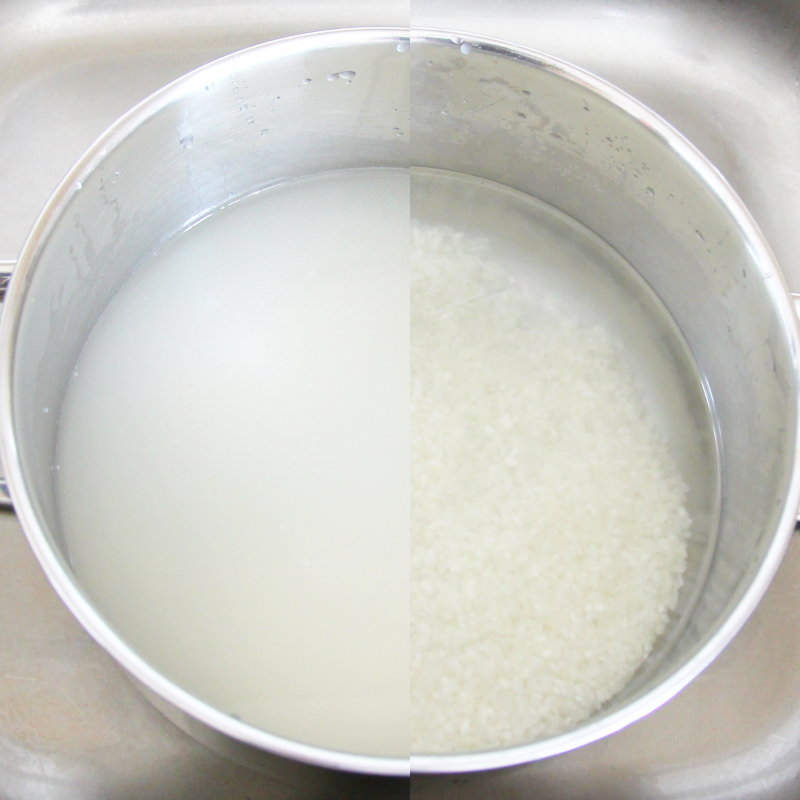
Step 4
Repeat the process of washing and draining the rice grains at least three times until the water runs clear (you’ll notice the difference when comparing before and after).
Then leave the rice, completely covered with water, to stand for 30 minutes (do not skip this step!).
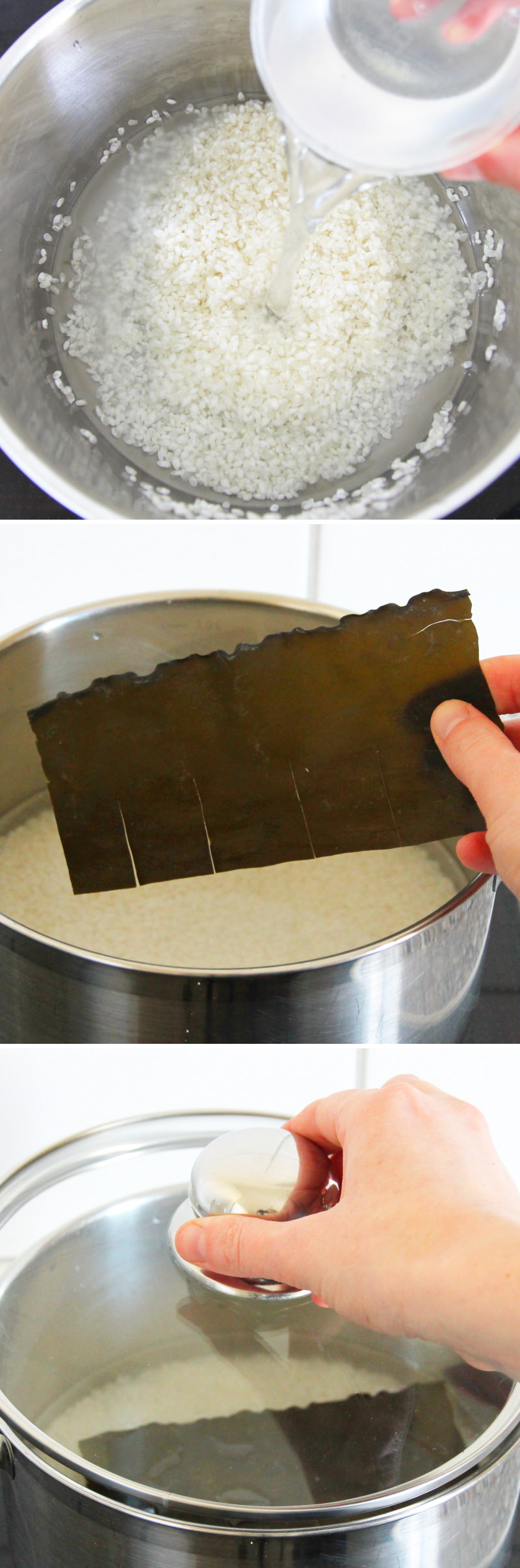
Step 5
After the resting time, drain the water completely (through the sieve again if necessary).
Pour fresh water over the rice in the saucepan in a 1:1 ratio (for 300g of rice, this amounts to 300ml of water). Place the Kombu (if using) on top of the rice.
Now place the saucepan containing the rice and Kombu on the hob, put the lid on and bring to the boil over a medium heat.
As soon as the rice comes to the boil, turn the heat down to the lowest setting and, with the lid on, simmer gently for 13 minutes. Do not open the lid during this time!
Step 6
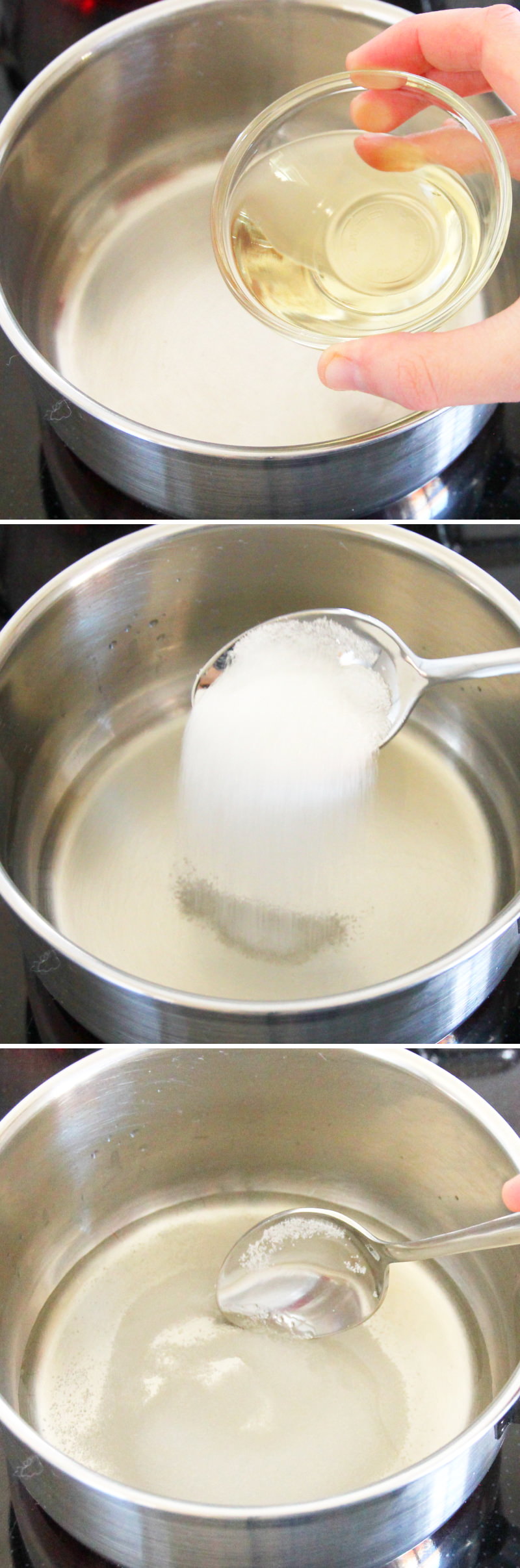
To make your own Sushi vinegar, mix the rice vinegar, sugar and salt in a small saucepan. Heat gently over a low heat without bringing the mixture to the boil. The sugar should simply dissolve. Set the finished Sushi vinegar aside.
Step 7
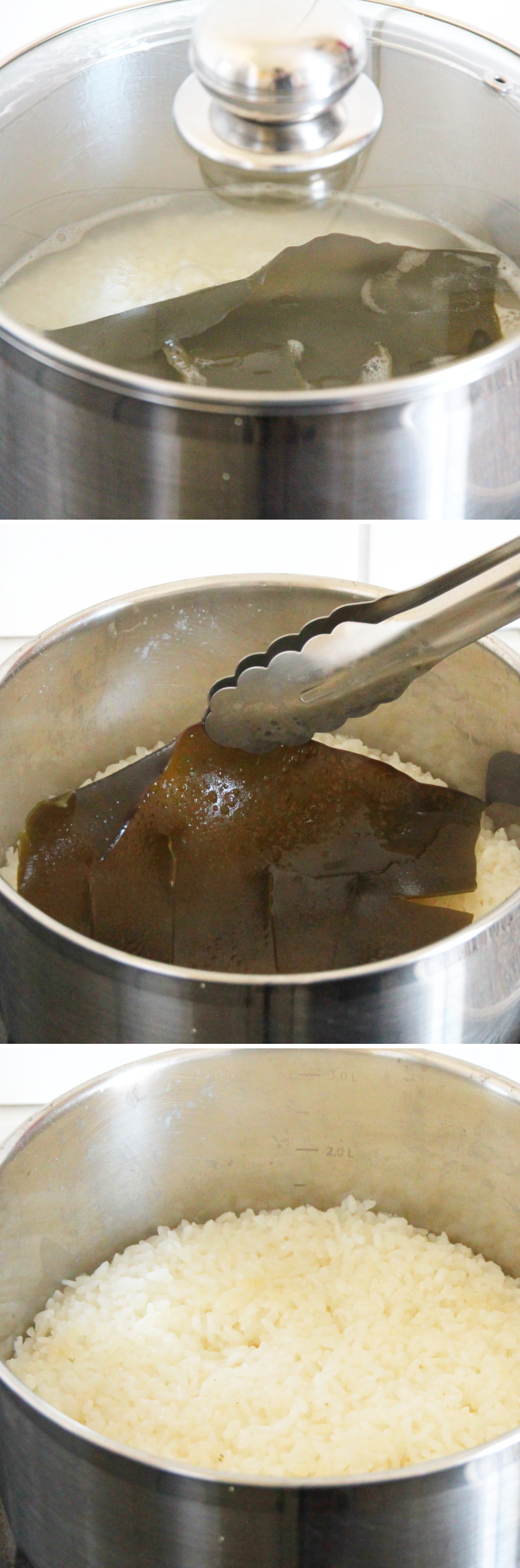
Once the rice is cooked, turn the heat off completely and leave it to rest with the lid on for 10 minutes. Then open the lid and remove the Kombu.
Step 8
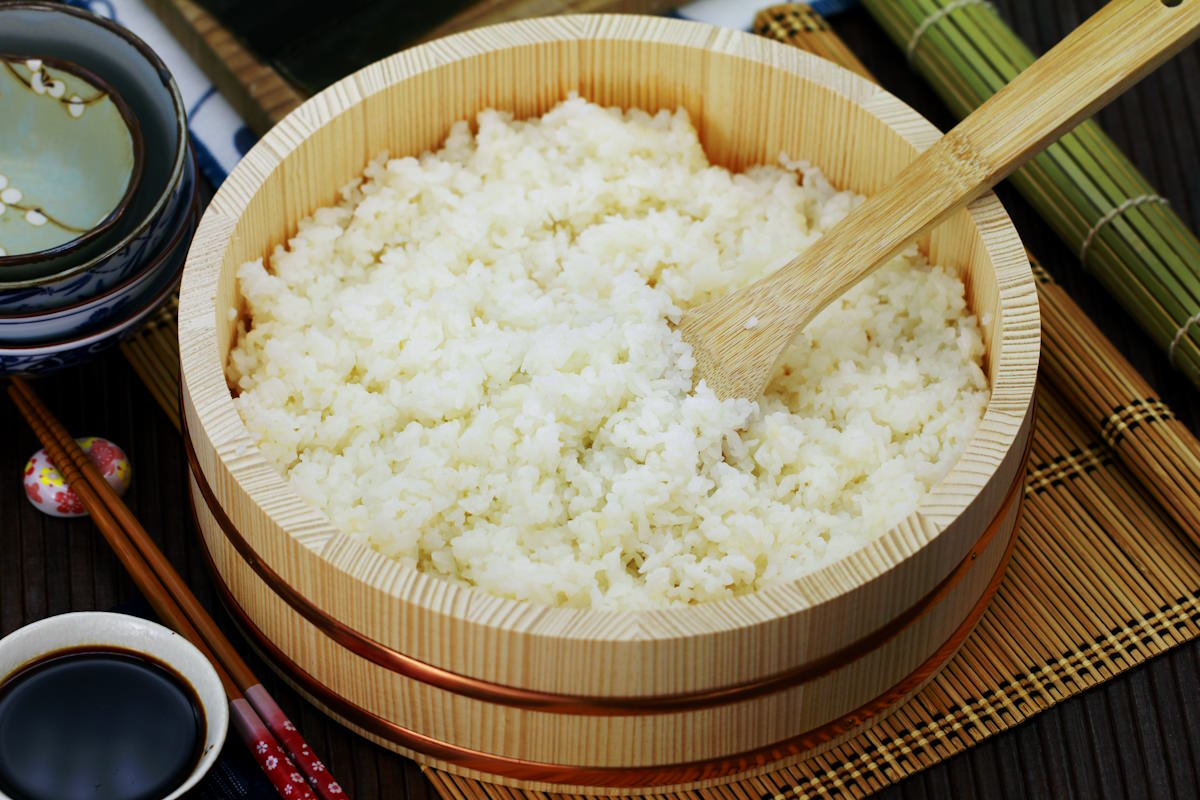
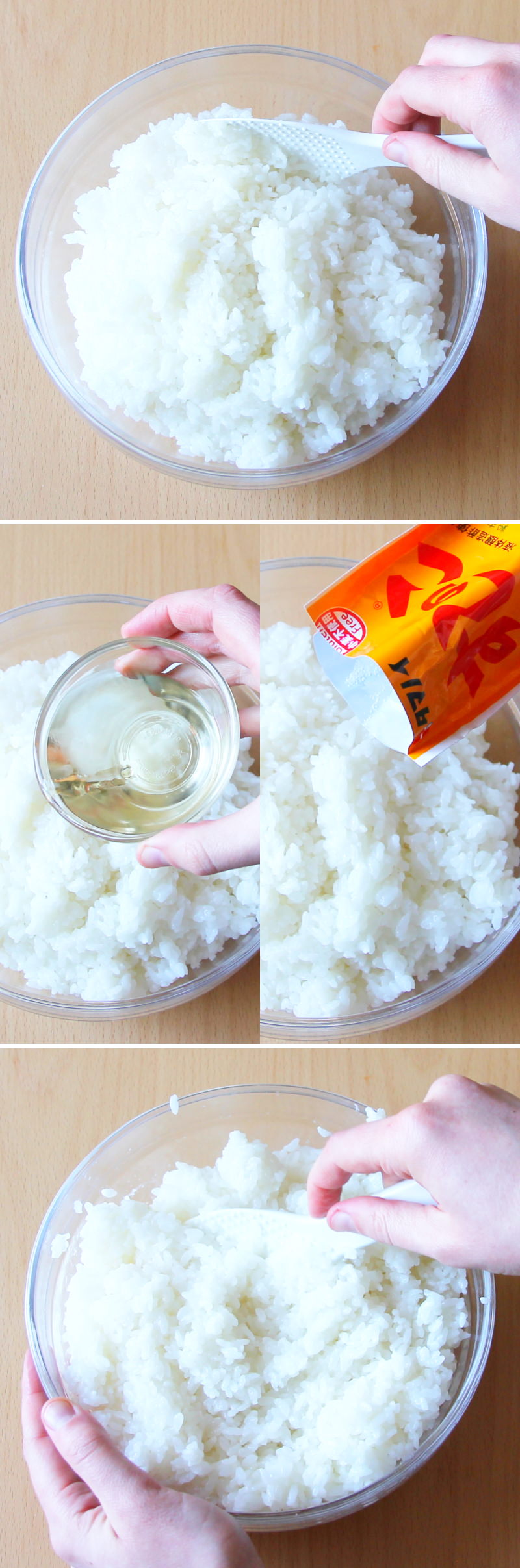
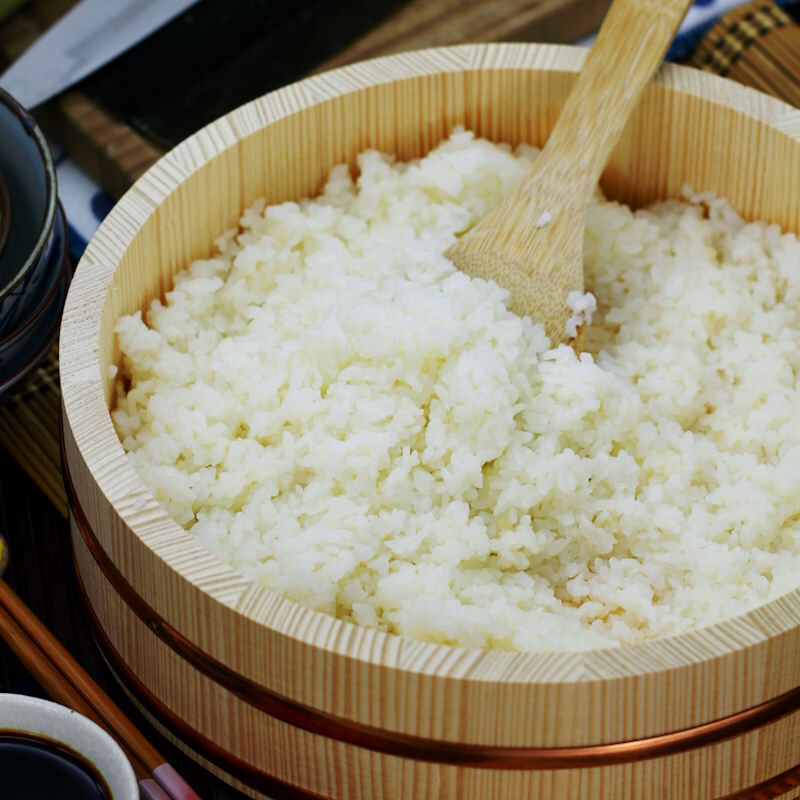
Transfer the cooked rice to a large bowl and season with the homemade Sushi vinegar (or Sushinoko – a special vinegar powder for sushi rice). Mix the rice using cutting movements with the spoon (do not stir vigorously, but gently fold in the seasoning).
Step 9
Allow the rice to cool to body temperature before use, i.e. to around 40°C – the rice should feel neither warm nor cold to the touch. Ready – Itadakimasu!
Here in this country, we’re familiar with Sushi mainly from what’s known as ‘sushi running’ (called ‘kaiten zushi’ in Japan).
There, an incredible number of little works of art glide right past our noses… But don’t let that put you off! Sushi is perfect for making yourself at home with ease.
It’s a wonderful opportunity to cook together with friends or family (especially children) and prepare a meal together. You can find the best recipes for your next sushi party here:
No post found!