
Language:


Welcome to the fascinating world of Gyoza! These traditional Japanese dumplings are a culinary feast for all the senses and invite you on a real culinary adventure. With my tried-and-tested recipe, you can bring the authentic taste of Japan straight into your kitchen. Gyoza are not only a highlight of any meal, but also the perfect dish for sharing culinary art and creativity with friends and family.
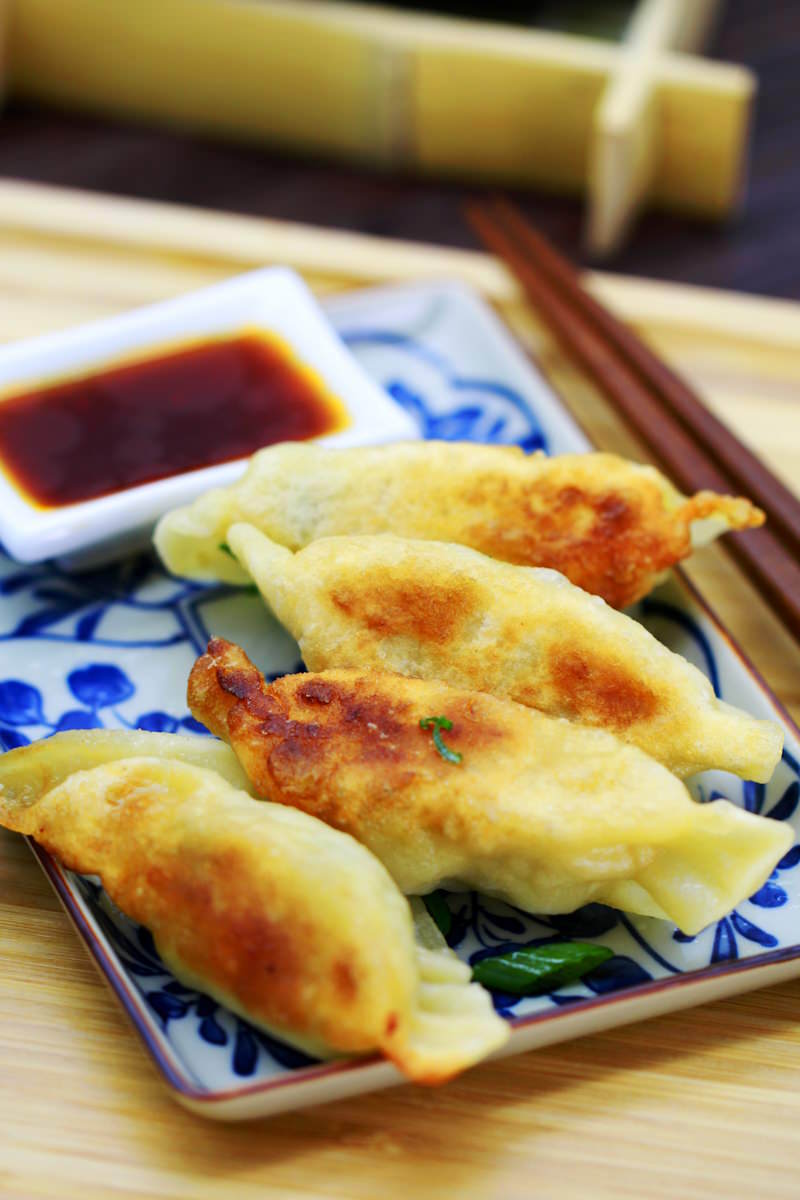
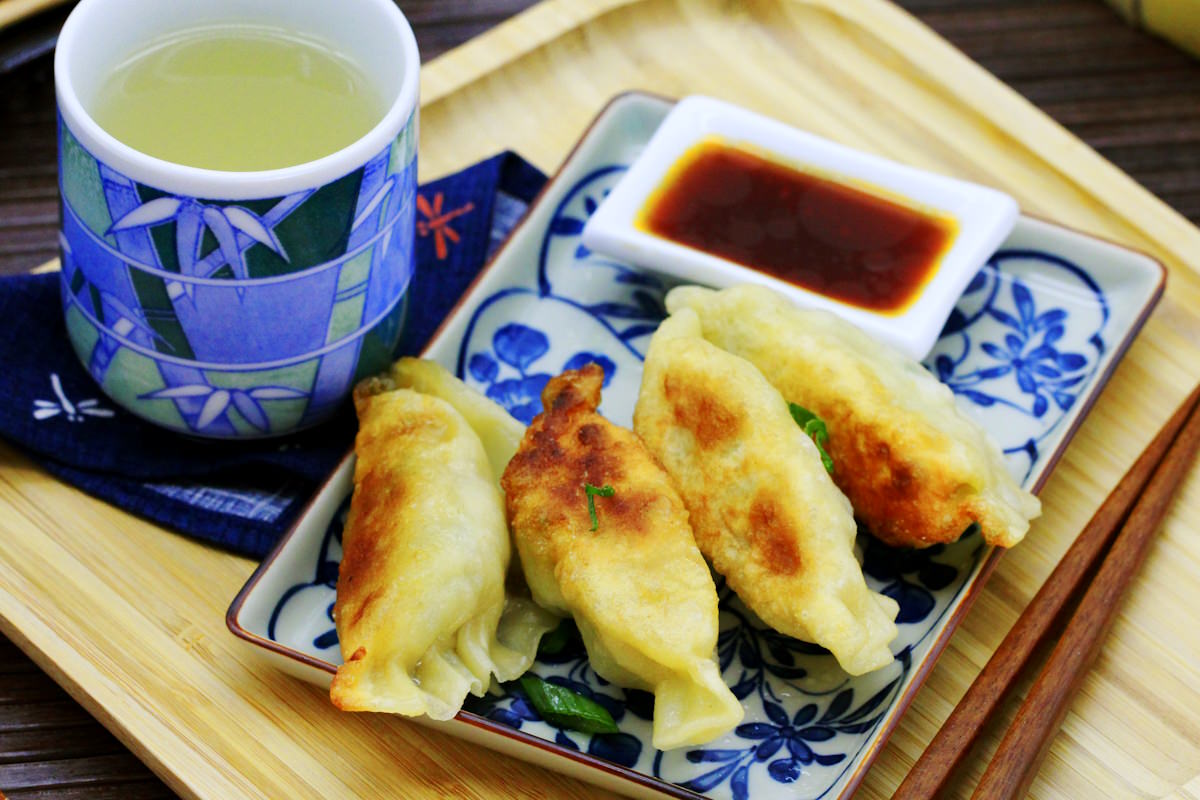
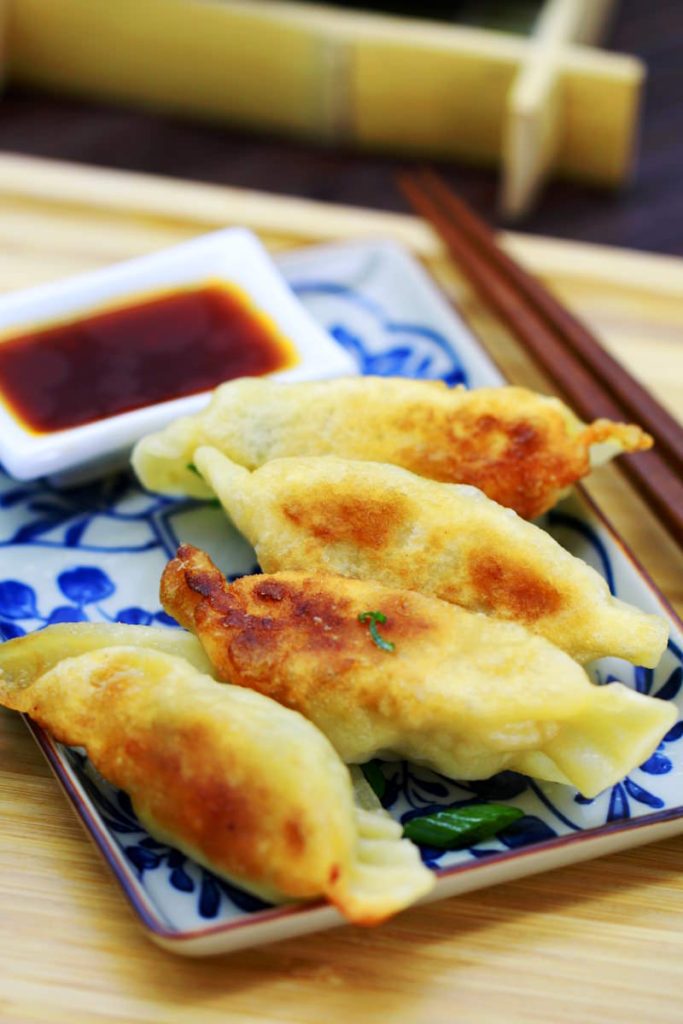
Imagine lovingly filling the thin wrappers with a hearty, spicy mixture of crisp white cabbage, fresh spring onions and aromatic garlic. Seared until crispy and then gently steamed, these little delicacies are always a treat. Served with a tangy dipping sauce made from rice vinegar, soy sauce and a hint of chilli oil, every Gyoza becomes an explosion of flavour.
Let’s fold, fry and enjoy together – your kitchen, your rules!
What exactly are Gyoza?
Gyoza, the Japanese dumplings, are a true delicacy and count among the most popular side dishes in Japanese cuisine. Originally from China, where they are known as jiaozi, they have developed a unique shape and method of preparation in Japan. In Japan, gyoza are particularly popular in the cities of Utsunomiya (Tochigi Prefecture) and Hamamatsu (Shizuoka Prefecture).
TOP TIP
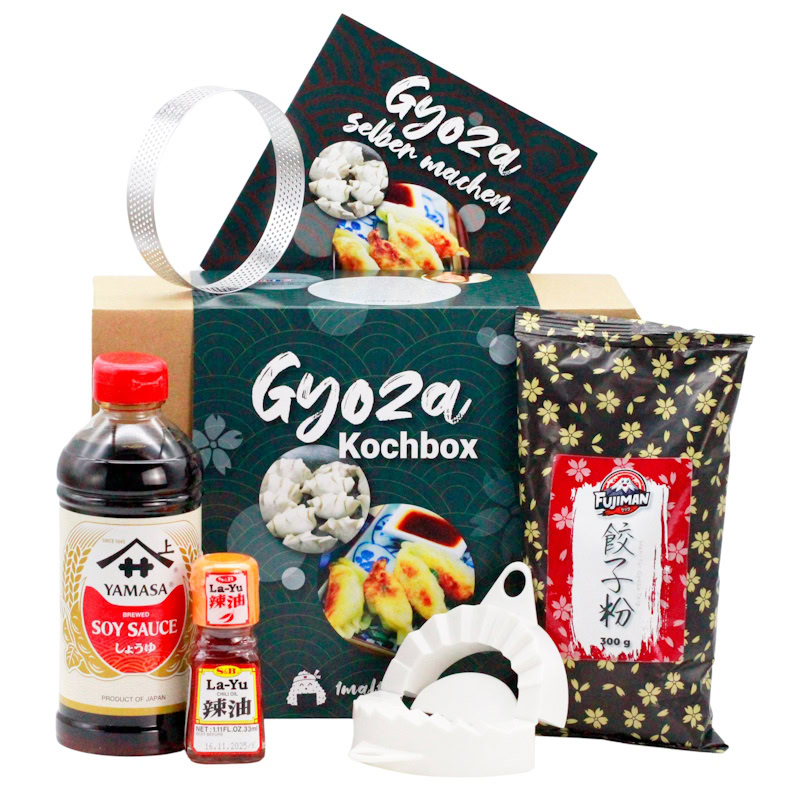
Gyoza Kochbox | für japanische Teigtaschen, vegan
6-teiliges Kochset für bis zu 20 Gyoza mit Rezept und Zubehör. Mit der Gyoza Kochbox gelingen dir japanische Teigtaschen ganz einfach zu Hause. Das 6-teilige…
In stock
Typically, Gyoza consist of a thin pastry wrapper enclosing a delicious filling of minced meat, white cabbage, spring onions, garlic and a selection of spices. The art of Gyoza lies in the folding technique: the edges of the dough are carefully crimped and folded, which not only gives them an appealing appearance but also aids in the cooking process.
Seared in a hot pan, they develop a wonderfully crispy underside, whilst the subsequent steaming in a water bath keeps them soft and tender on top. This combination of crispiness and tenderness is what makes Gyoza so appealing.

Insider tip
Why not visit the Gyoza Stadium “Namco Namjatown ” in Ikebukuro, Tokyo!
The dough plays a crucial role, as it must be firm enough to enclose the rich flavours of the filling and release them when eaten. In Japan, Gyoza are not just a simple snack; they are a culinary experience enjoyed in many variations in restaurants and at home.
Today, they are served in a wide variety of establishments across Japan, such as Ramen restaurants, Chinese restaurants, izakaya (Japanese pubs) and in the few specialist establishments. Typically, a dish consists of around 6 Japanese dumplings, which then cost between 300 and 600 yen (2.50 to 6 euros) and are accompanied by a main course.
Do you know the difference between Gyoza, dumplings and wonton?
Gyoza, dumplings and wonton are all types of dumplings that differ mainly in their origin and filling. Gyoza, the Japanese variety, is typically filled with a mixture of minced meat, white cabbage and garlic, and is both pan-fried and steamed.
Chinese dumplings, known as jiaozi, often have similar fillings, but are boiled, steamed or pan-fried and have a slightly thicker pastry casing. Wontons, also from China, are usually smaller and thinner, traditionally filled with a combination of meat or prawns, and are typically served in soups or deep-fried.
Making Gyoza yourself: Here’s how!
Making delicious Japanese dumplings yourself is simply a must for any true lover of Japanese cuisine! In the following five simple passages, I’ll guide you through the process, from making the dough sheets to serving perfectly pan-fried Gyoza with an irresistibly tasty sauce.
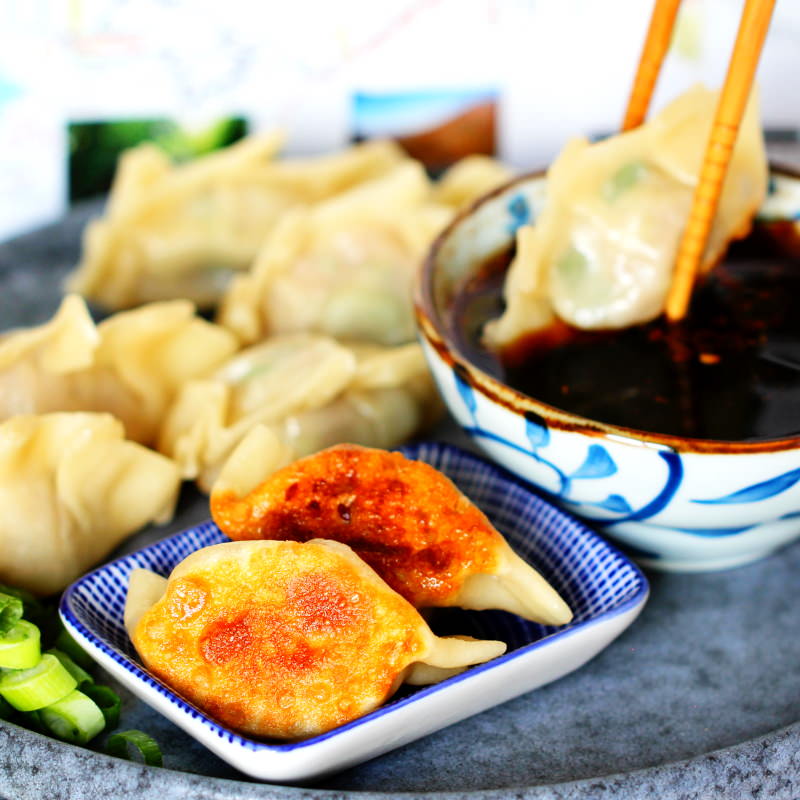
Get ready to take your cooking skills to a whole new level and perhaps even discover a new favourite dish:
Make your own dumpling wrappers
One of the secrets of delicious Japanese dumplings lies in the perfect preparation of the dough. By ensuring the filling is securely enclosed in the pastry, all the flavours are preserved and only fully unfold when you take a bite. To achieve this, it is crucial to make a sturdy yet elastic dough that does not tear and allows the filling to shine.
To make homemade Gyoza wrappers, you only need four simple ingredients:
- Flour
- Starch
- Salt
- Water
Homemade wrappers are significantly more elastic and flavourful than shop-bought ones and are easy to shape and fold. Here is a simple recipe for making these wrappers, which is also suitable for beginners.
No post found!
If you want to save time, you can also find frozen Gyoza wrappers in Asian supermarkets. When defrosting, make sure to leave them in the packaging to preserve the elasticity of the edges, which makes folding easier.
Prepare the filling
To give your Japanese dumplings flavour and texture, you should chop the ingredients for the filling finely to avoid tearing the delicate wrappers. You can choose the filling entirely according to your taste – from traditional to creative, vegetarian variations.
Traditional filling:
- White cabbage (alternatively Chinese or pointed cabbage), finely chopped
- Minced meat (pork)
- Spring onions, finely sliced
- Garlic, crushed
- Soy sauce and hot sesame oil for a spicy flavour
- Pepper, to round off the flavour
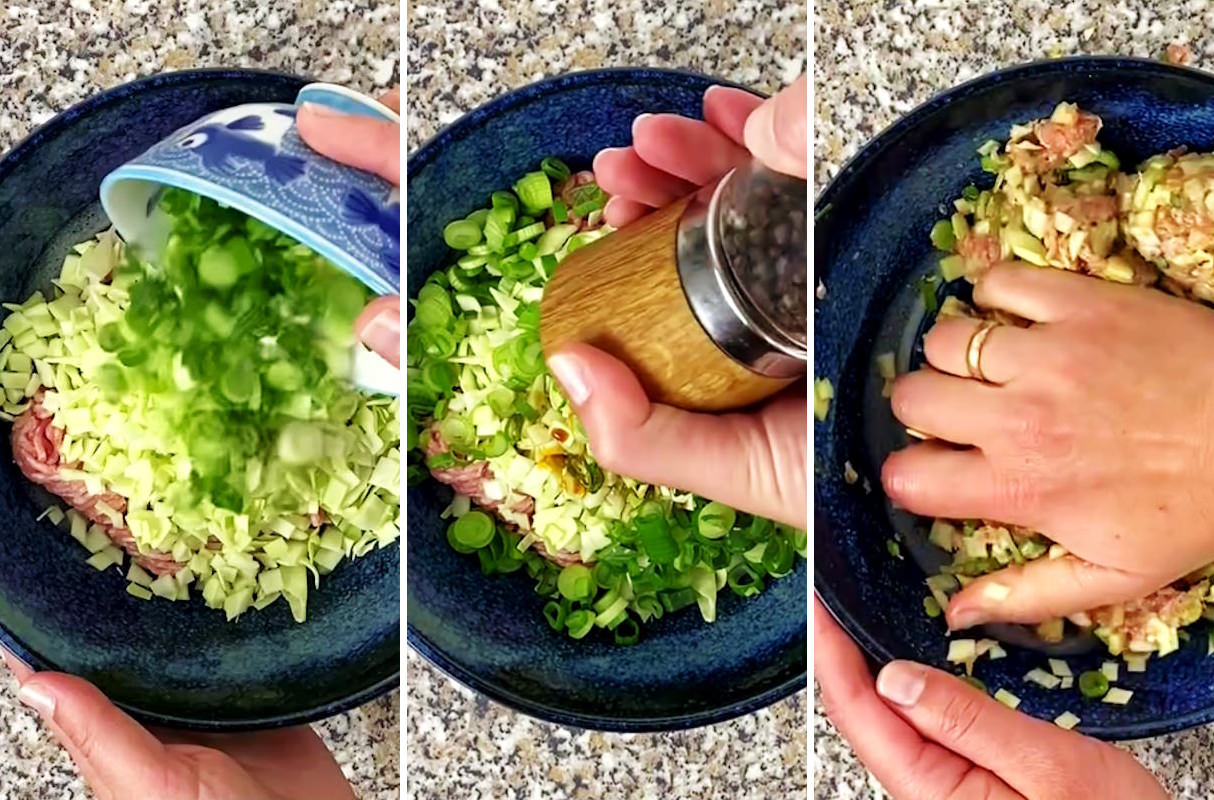
Start by finely chopping the white cabbage and spring onions. Then lightly crush the garlic, remove the skin and finely grate it. Place the minced meat in a large bowl along with the chopped cabbage, sliced spring onions, grated garlic, soy sauce, La-Yu sesame oil and a pinch of pepper. Mix all the ingredients thoroughly with your hands to ensure the seasoning is evenly distributed and the flavours can develop fully.
Vegetarian variations:
- Onions, leeks – for a base with bite
- Carrots, Radishes – for a fresh note
- Shiitake mushrooms, Button mushrooms – add an earthy depth
- Corn – adds a sweet element
Tip
Choose vegetables that don’t release too much water when cooked to avoid them becoming watery. Therefore, avoid cucumbers or courgettes.
For further creative ideas, ingredients such as prawns, cheese or mustard leaves can also be used. Experiment as you like to create your perfect Gyoza!
Shaping the dumplings correctly
Now that the pastry sheets and the filling are prepared, comes the tricky passage: shaping and folding the Gyoza. This passage is crucial to ensure that the dumplings hold together well during cooking.
Step by step:
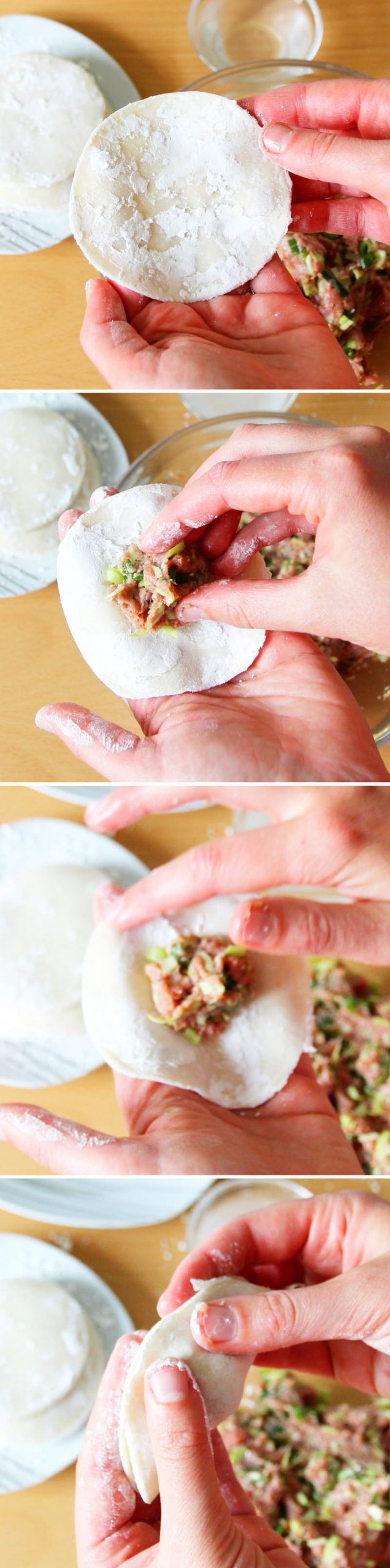
- Place a wrapper on your flat hand and put a small dollop of filling in the centre.
- Moisten half the edge of the pastry with a wet finger, fold the other half over it and press firmly.
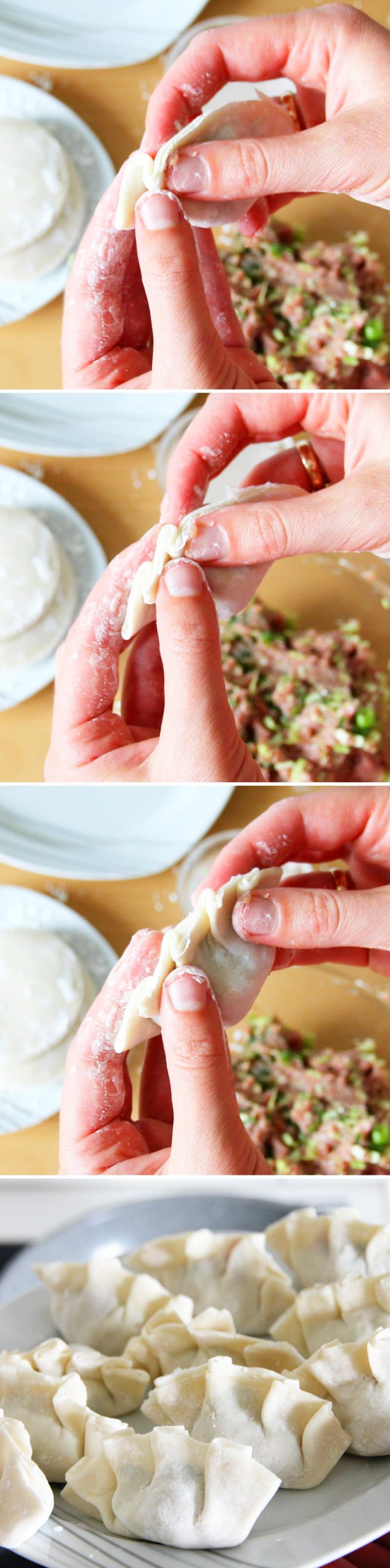
- Start at one end, forming classic pleats by pinching a fold between your thumb and forefinger every 2 cm and pressing firmly.
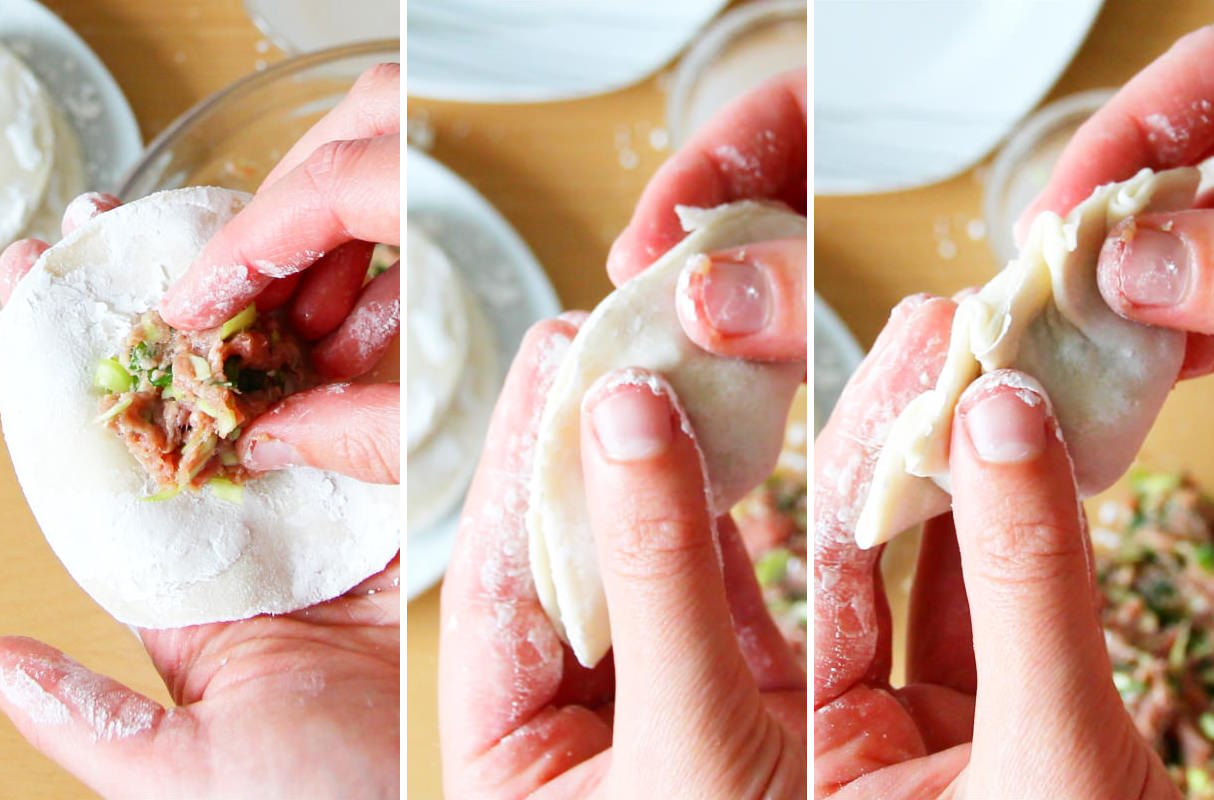
For a more even and quicker preparation, you can also use a Gyoza mould. This handy tool helps to shape and seal the dumplings perfectly, especially when you’re in a hurry.
Cooking together
Let your guests help out – shaping the Gyoza can be a fun group activity!
Storage tip: It’s best to freeze the Gyoza uncooked; this ensures they remain crispy and delicious when fried and will keep in the freezer for up to a month.
Frying Gyoza
Once you’ve prepared the Japanese dumplings, it’s time to fry them so they’re deliciously crispy when served. Here’s how to do it the traditional way:
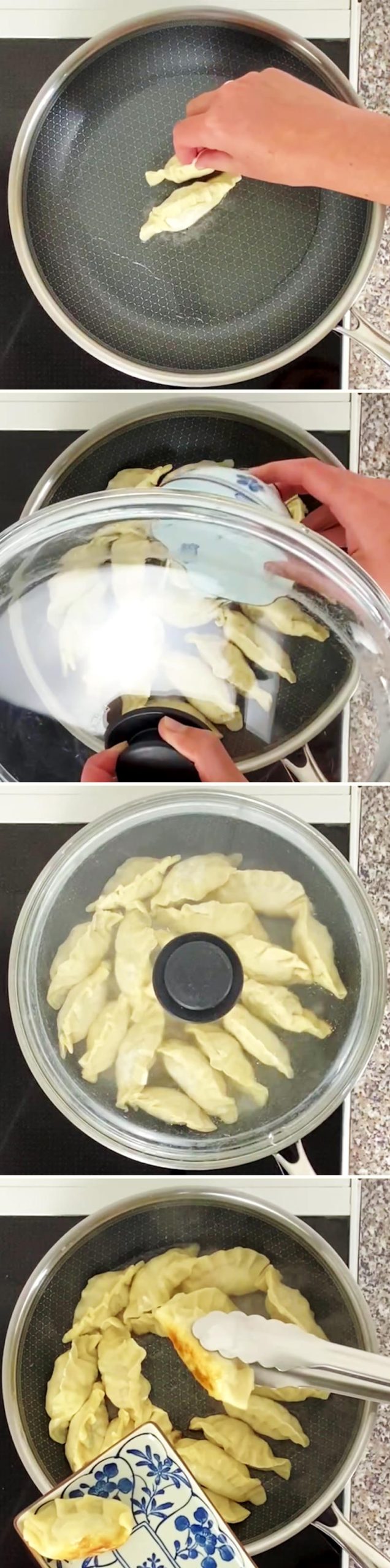
- Frying: Heat oil in a frying pan over a medium heat. Place the Gyoza flat-side down and fry until golden brown on the bottom, about 3–4 minutes. Do not turn the dumplings so that they become nice and crispy.
- Steaming: Carefully add a little water to the pan and immediately cover with a lid. Leave the Gyoza to steam for about 3 minutes until the water has evaporated.
- Searing: Lift the lid and let any excess water evaporate. For extra crispiness, you can, if necessary, add a tablespoon of sesame oil and sear the Gyoza briefly.
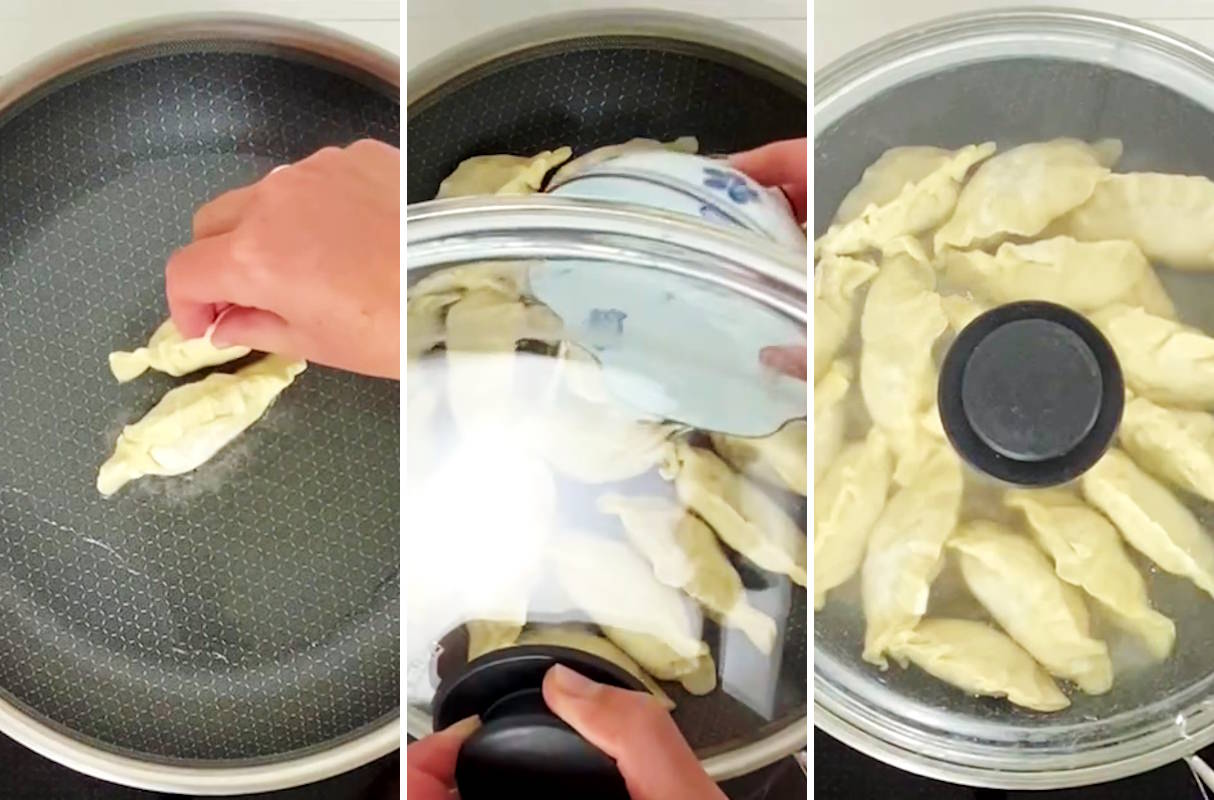
This method combines searing with gentle steaming, giving the Gyoza their characteristic crispy base and tender top.
Preparing the dipping sauce
The ideal accompaniment to Gyoza is a spicy dipping sauce, which is easy to make. For the best flavour experience, I recommend preparing the sauce before frying the Gyoza, so that the flavours can fully develop.
Traditional ingredients:
- Soy sauce
- Rice vinegar
- La-Yu (Japanese chilli oil)
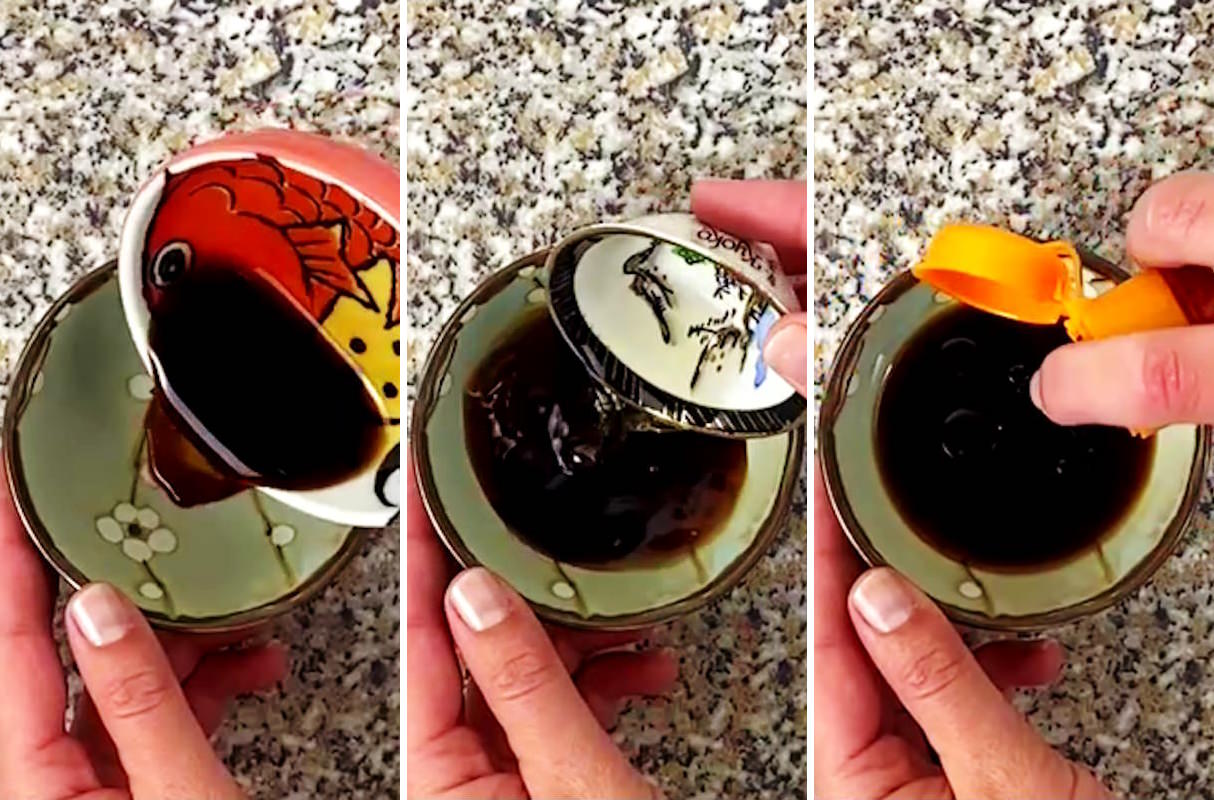
Mix the soy sauce, rice vinegar and La-Yu in a small bowl. La-Yu is known for its spicy kick and the pleasant aroma of sesame oil, which perfectly complements the flavour of the Japanese dumplings.
Gyoza are not only an essential part of Japanese cuisine, but also a fantastic addition to any social gathering. Experiment with different fillings and discover the versatility of these delicious dumplings. Whether traditionally made with pork and vegetables or creatively with unusual ingredients – they are guaranteed to bring variety and a touch of Japanese tradition to your kitchen.
I look forward to hearing more about your Gyoza experiments. Share your experiences and creative variations with us! We’re excited to see what new flavours you discover and what tips you might have for other Gyoza fans.
Do you have any questions about preparation, or would you like to share your culinary successes with the community? Simply leave a comment below this post. Have fun trying out and enjoying your homemade Japanese dumplings!
Gyoza
Serves 2 | 30 minutes | 897 kcal
🖨️ Print PDF 📌 Save pinThese traditional Japanese dumplings are a culinary feast for all the senses and invite you on a real culinary adventure. With my tried-and-tested recipe, you can bring the authentic taste of Japan straight into your kitchen. Gyoza are not only a highlight of any meal, but also the perfect dish for sharing culinary art and creativity with friends and family.
Ingredients (20 pieces = 2 large portions)
For the Gyoza dumplings:
20 gyoza wrappers (to the recipe) or (im Shop ansehen)*
100 g white cabbage (or Chinese cabbage or pointed cabbage)
200 g minced meat (preferably pork)
3 spring onions
2 garlic cloves
2 tbsp Shoyu (im Shop ansehen)*
1/2 tsp La-Yu (im Shop ansehen)*
a little freshly ground pepper
5 tbsp sesame oil (im Shop ansehen)
50 ml water
For the Gyoza dipping sauce:
3 tbsp rice vinegar (im Shop ansehen) – optional
3 tbsp soya sauce
1 tsp La-Yu
Useful tools:
Gyoza mould (im Shop ansehen)*
Cookie cutter ⌀10 cm*
Santoku knife (im Shop ansehen)
Garlic press (auf Amazon* kaufen)
Preparation (30 minutes)
Step 1
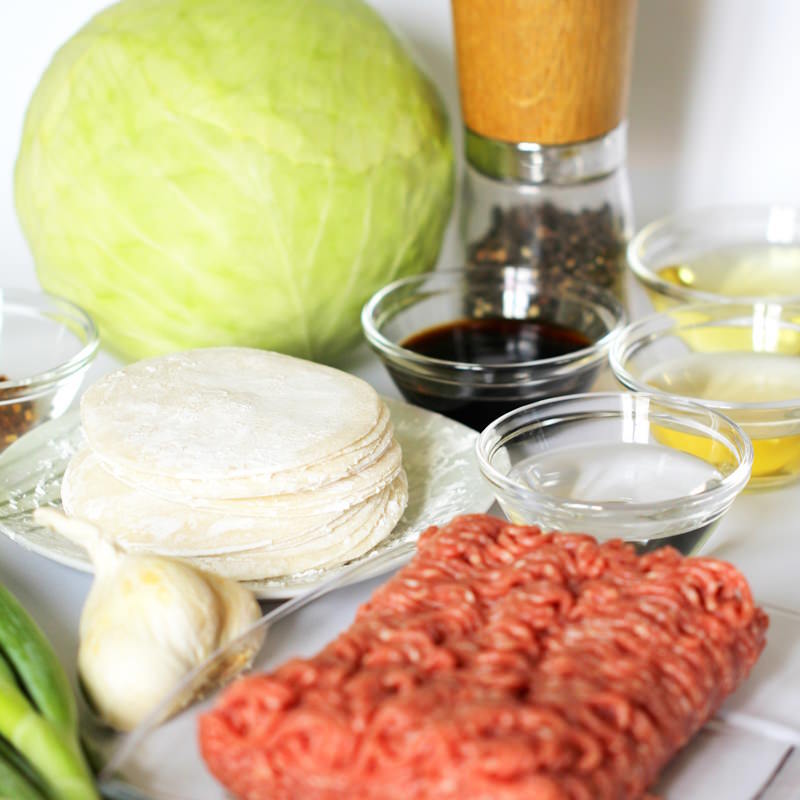
Prepare the raw materials for making homemade Gyoza. I recommend making the gyoza wrappers (see recipe) – it’s easier than you might think and the flavour is much more intense than shop-bought wrappers (though if you’re in a hurry, shop-bought wrappers work just as well – just make sure to defrost them in good time!).
Step 2
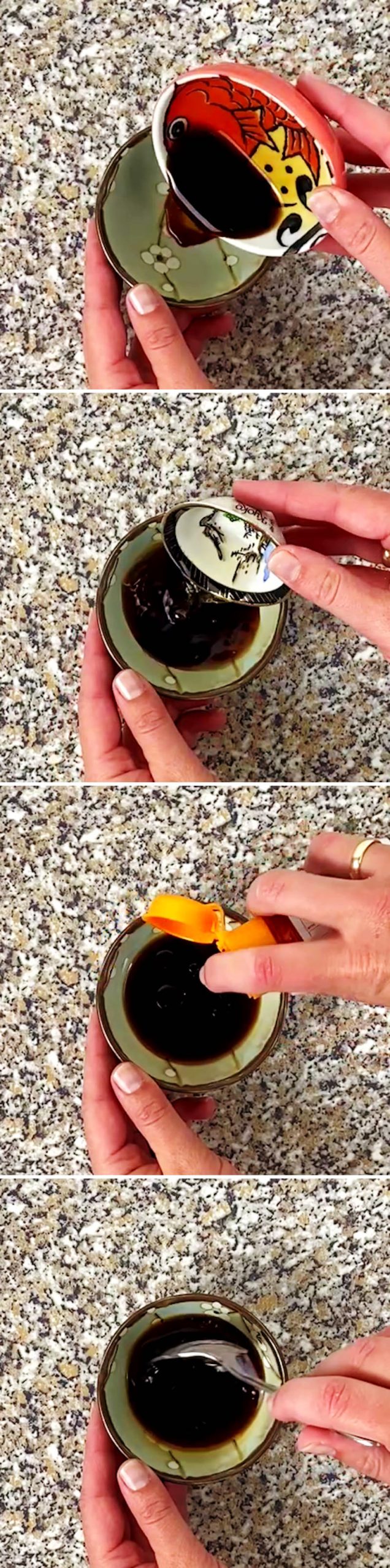
First, we’ll prepare the Gyoza dipping sauce: To do this, mix soya sauce, rice vinegar, and a few drops of La-Yu oil in a small bowl and set aside until ready to serve.
Step 3
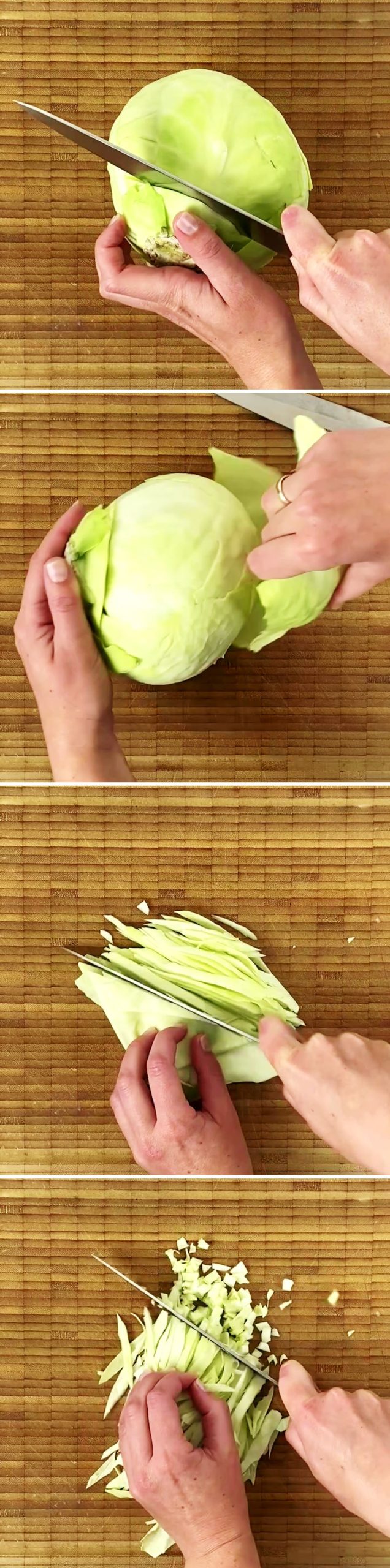
Now we move directly to the filling for the homemade Gyoza: first, separate the cabbage leaves from the head by running a sharp knife along each one and carefully removing it from the cabbage. Weigh the cabbage leaves and chop them into very fine pieces (no larger than 5 x 5 mm). The best way to do this is to place the cabbage leaves on top of one another and cut them in half down the middle. Place the halves back on top of one another and then cut them lengthways into strips. Rotate the strips by 90° and chop them into small pieces.
Step 4
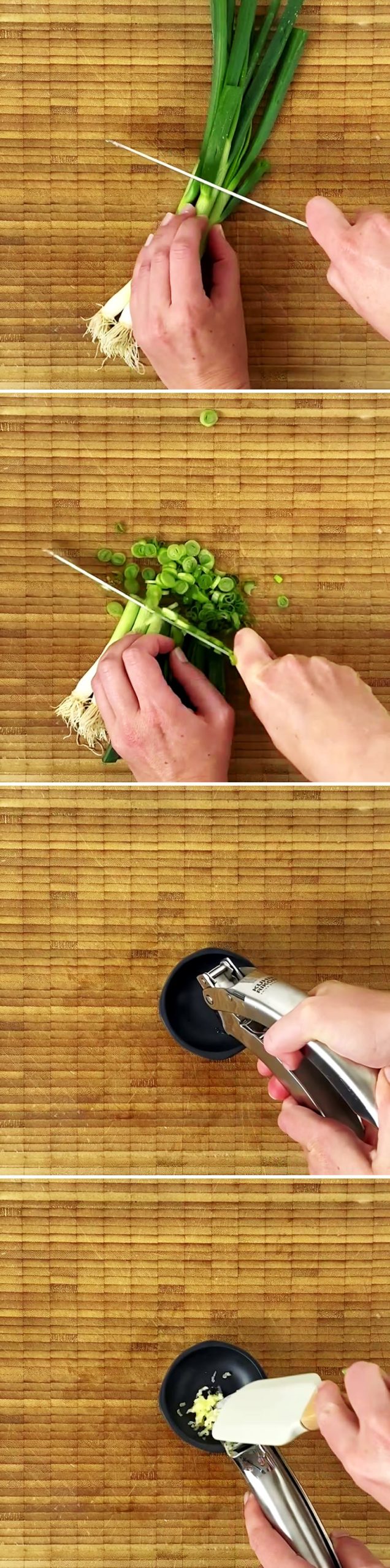
Now wash the spring onions, pat them dry and cut them into fine rings (ideally, cut them in half lengthways with a large knife, fold them together and cut them into fine rings from the green part downwards, removing the root ends).
So peel the garlic and either finely grate it or – even better – press it through a garlic press.
Step 5
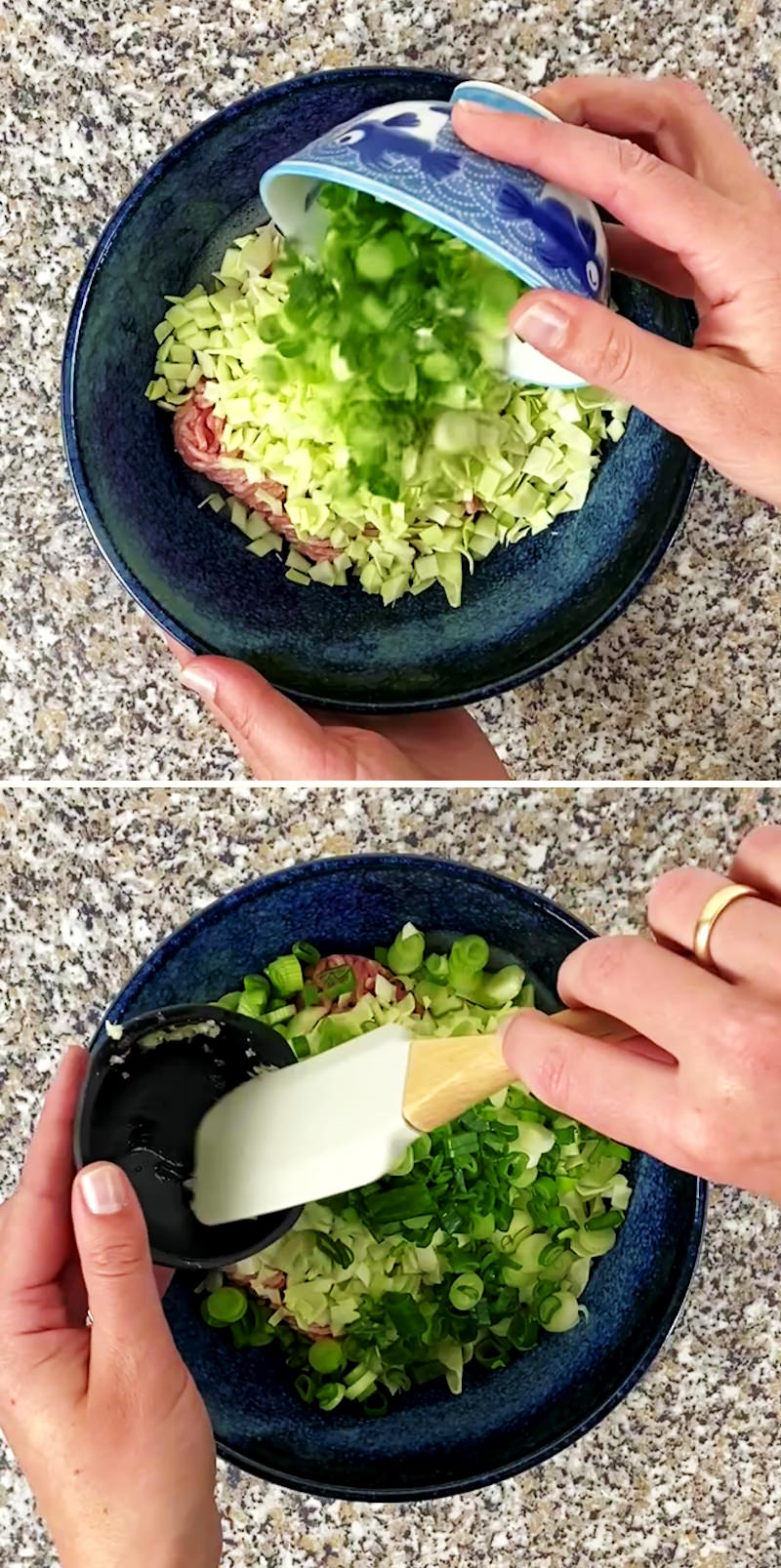
In a large bowl, combine all the ingredients for the filling into a mixture: Mix the minced meat with the finely chopped cabbage and spring onions, as well as the crushed garlic.
Step 6
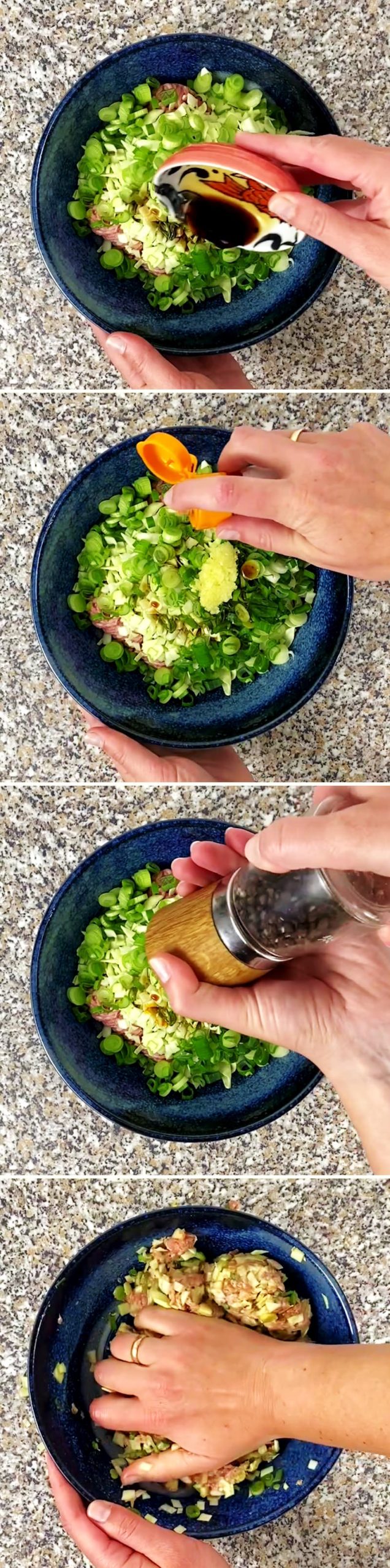
Add the seasonings consisting of soya sauce, La-Yu oil and freshly ground pepper, and mix everything together with your hands to form a cohesive mixture.
Step 7
To fill and shape the Gyoza, prepare a small bowl of fresh water .
Now place a dough sheet in the palm of your hand and use a small spoon to place a small dollop of filling in the centre of the dumpling. To ensure the edges stick together well later, run a damp finger halfway along the edge of the dough. Then fold the other half of the wrapper over the filling onto the damp edge.
Alternatively: Feel free to use a gyoza mould !
Step 8
Now fold the edge of the Gyoza into the classic pleats. To do this, take a small section of the edge between your thumb and forefinger every 2 cm or so, form a pleat and press it firmly (but gently) together. Work your way along the entire edge of the dough to the other end so that the dumplings hold together well when fried. Repeat this process with all the dough sheets.
Step 9
Heat a frying pan over a medium heat and add the sesame oil . Place the dumplings in the pan and fry until they are a lovely golden brown on the bottom; this takes about 3 to 4 minutes. Important: Do not turn them over!
Now carefully pour the water into the pan (Caution: risk of burns) and immediately cover everything with a lid. Steam the Gyoza for 3 minutes until the water has boiled away. Turn off the heat and remove the lid again so that the remaining water can evaporate.
If necessary (if the dumplings are not yet properly crispy) add an additional 1 tbsp sesame oil to the pan and fry for another 1 minute.
Step 10
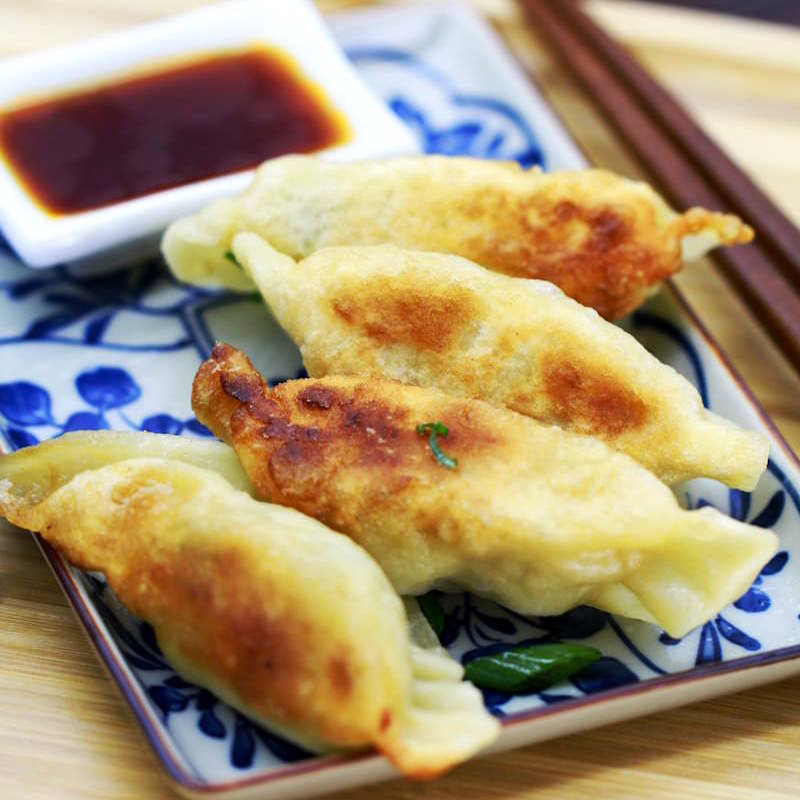
Then remove the cooked Gyoza from the pan and arrange them on a plate or platter with the underside facing upwards. Serve with the dipping sauce. Ready – Itadakimasu!
Gyoza, the popular Japanese dumplings, have their roots in ancient China, where they were originally used as a remedy for frostbite. Following their introduction to Japan in the post-war period, they quickly became an essential part of Japanese street food through adaptations such as frying instead of boiling.
Today, Gyoza symbolises Japanese street food culture and is cherished nationwide, with regional innovations and an emphasis on local ingredients further driving its popularity. In Japan, gyoza are often enjoyed as a side dish, perfectly complemented by hearty Ramen noodle soups or other dishes of Chinese origin. Here you’ll find our best recipes that go very well with Japanese dumplings and round off your meal:
In Japan, Gyoza are often enjoyed as a side dish, perfectly complemented by hearty Ramen noodle soups or other dishes of Chinese origin. Here you will find our best recipes that pair wonderfully with Japanese dumplings and round off your menu:
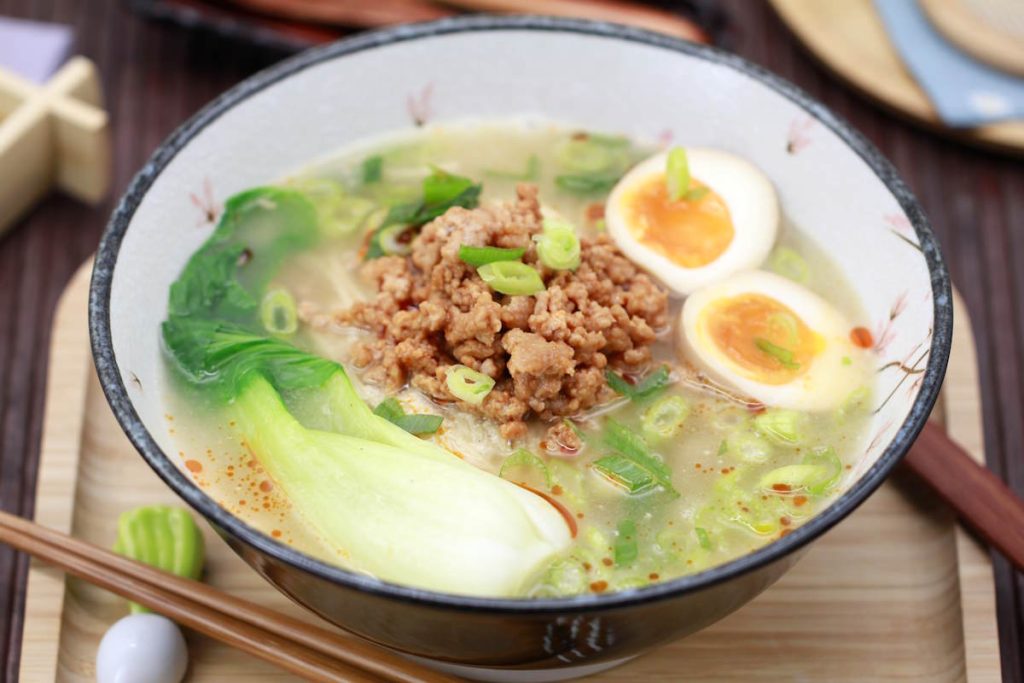
Make your own Tantanmen: creamy sesame Ramen with spicy Miso minced meat, pak choi & ramen eggs
Tantanmen is a Ramen soup for those who like it creamy but not heavy. A…
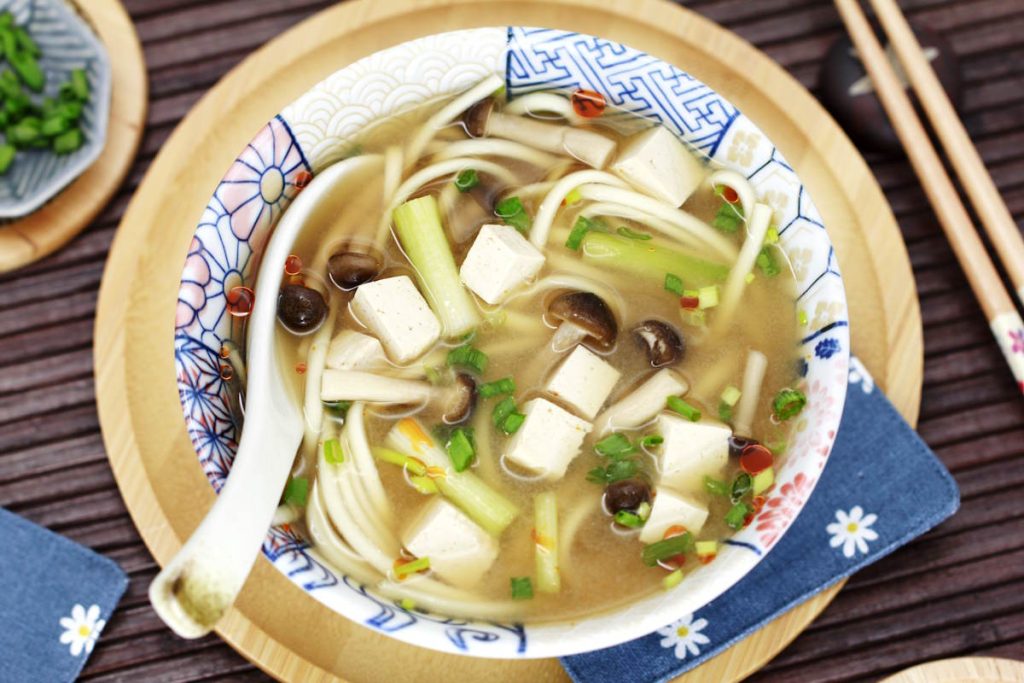
Quick Miso Udon: Spicy noodle soup with Miso, Tofu & Shimeji mushrooms
If you’re looking for a quick, comforting meal that’s both easy to prepare and incredibly…
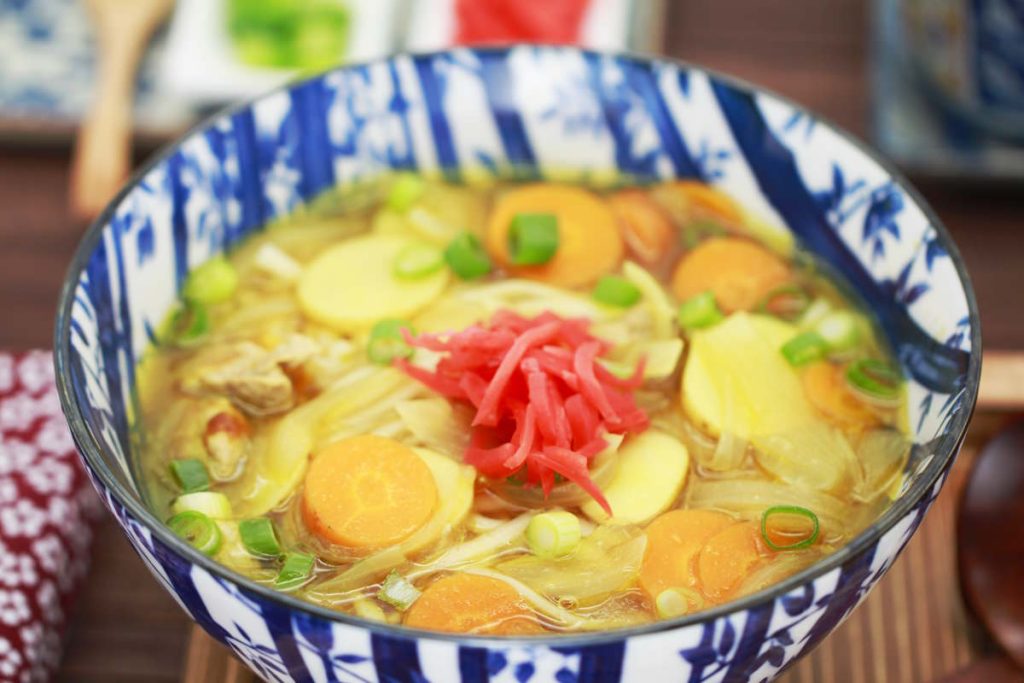
Curry Udon soup: A classic Japanese home-cooked meal – warming, traditional & delicious
Curry Udon combines the depth of Japanese Dashi broth with the spicy flavor of curry….
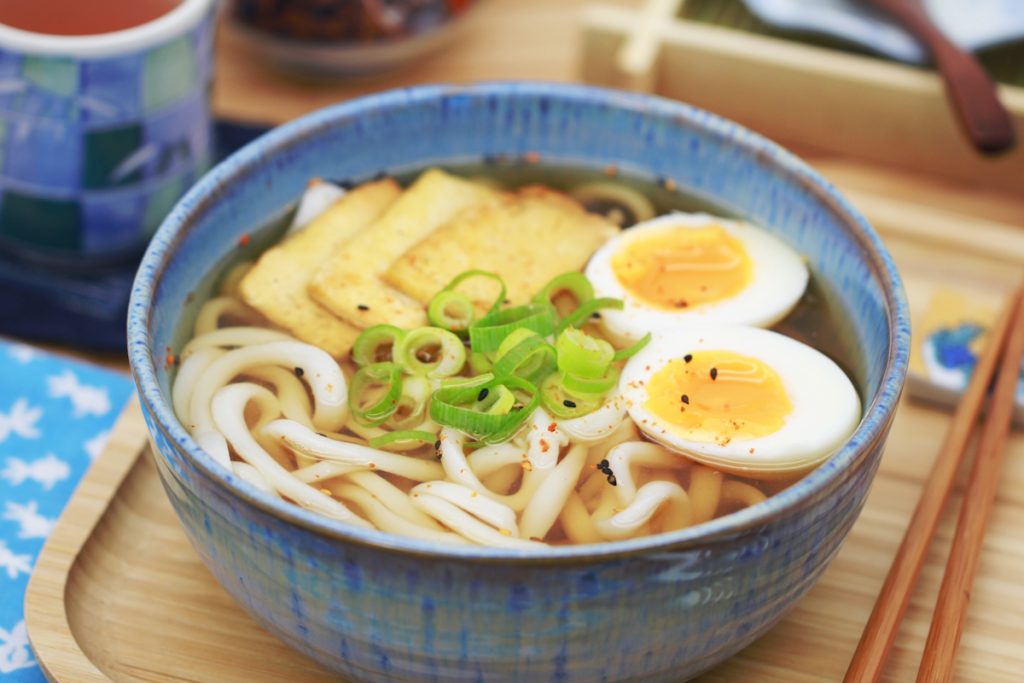
Delicious Kake Udon Noodle Soup: A classic of Japanese cuisine
Sometimes you just need a quick yet hearty meal that warms you up and satisfies…
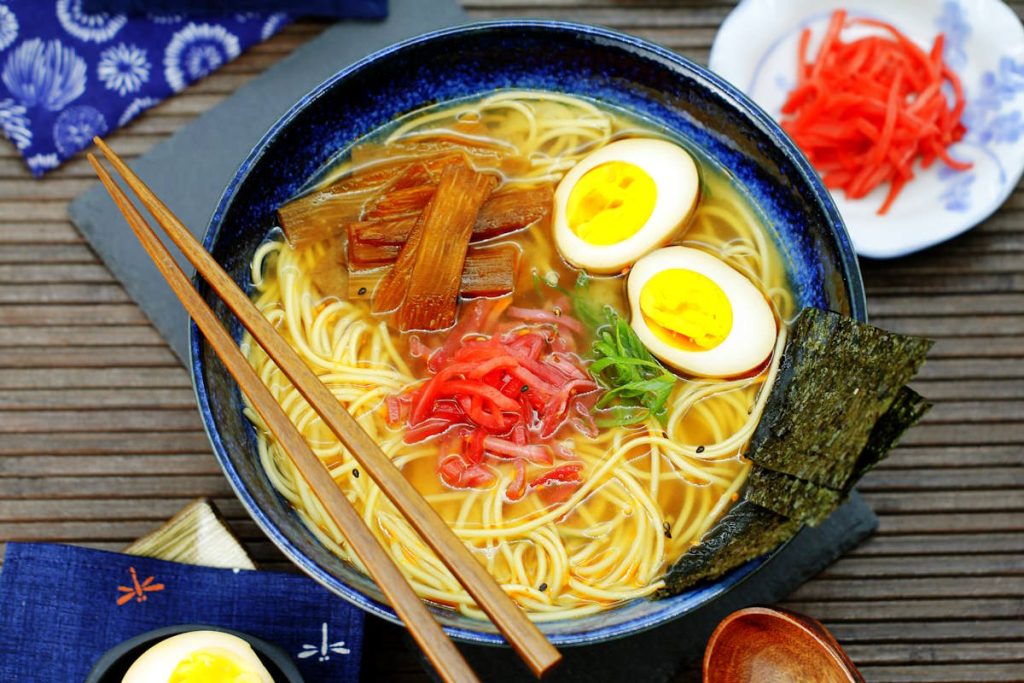
A bowl full of happiness: Miso Ramen with 7 varied toppings – vegetarian, spicy & really easy
Immerse yourself in the world of flavours of Japanese cuisine with our Happiness Bowl! It’s…
10-minute Shoyu Ramen with bamboo shoots & Ramen eggs – for quick meals
My 10-minute Shoyu ramen: Wavy ramen noodles, served in a rich and sinfully delicious tsuyu…
Have you tried the recipe? Let me know in the comments – I’m really looking forward to hearing from you.