

Language:


Light and refreshing – the ideal summer dish from Japan is called Zaru Soba. This cold noodle dish with al dente buckwheat noodles plus intense mentsuyu dipping sauce and aromatic toppings of spring onions, wasabi and Nori is a must-try in your kitchen. It’s ready to serve in just 15 minutes and is a must for any fan of traditional Japanese cuisine!

Soba noodles are made from buckwheat flour and, alongside dishes such as Sushi or Tempura part of traditional Japanese cuisine. They are about as thick as spaghetti and are used in Japan in various hot and cold dishes.
They are one of the three traditional noodles in Japanese cuisine and are not only (depending on the variety) gluten-free, but also incredibly versatile and perfect for whipping up quick and easy meals at home!
In this comprehensive guide, I’ll show you all the important tips and tricks so that, in future, you can prepare soba to perfection and turn it into heavenly Japanese dishes:
No post found!
My personal favourite recipe for Japanese buckwheat noodles is a simple and quick-to-prepare Zaru Soba dish with a delicious mentsuyu sauce and flavourful toppings, thanks to how easy it is to make!
And now I hope you have fun and enjoy making this delicious Zaru Soba using a traditional Japanese recipe!
Zaru soba
Serves 2 | 15 minutes | 491 kcal
🖨️ Print PDF 📌 Save to PinterestLeicht und erfrischend – das ideale Sommergericht aus Japan heißt Zaru Soba. Dieses kalte Nudelgericht mit bissfesten Buchweizennudeln plus intensiver Mentsuyu Dipping Sauce und aromatischen Toppings aus Frühlingszwiebeln, Wasabi und Nori sollte unbedingt den Weg in deine Küche finden. Es steht nach nur 15 Minuten auf dem Tisch und ist ein Muss für jeden Fan der traditionellen japanischen Küche!
Zutaten (2 Portionen)
2 portions soba noodles (im Shop ansehen)
1 spring onion
1 sheet Nori (im Shop ansehen)
2 tsp wasabi (im Shop ansehen)
For the mentsuyu dipping sauce:
50 ml Sake (im Shop ansehen)
50 ml Shoyu (im Shop ansehen)
50 ml Mirin (im Shop ansehen)
1 tsp Sugar
1/2 sachet Dashi broth (instant) (im Shop ansehen)
200 ml water
Preparation (15 minutes)

Step 1
Prepare the ingredients for the Zaru Soba. Also, bring a saucepan containing 3 litres of water to the boil for the Soba noodles.
Step 2
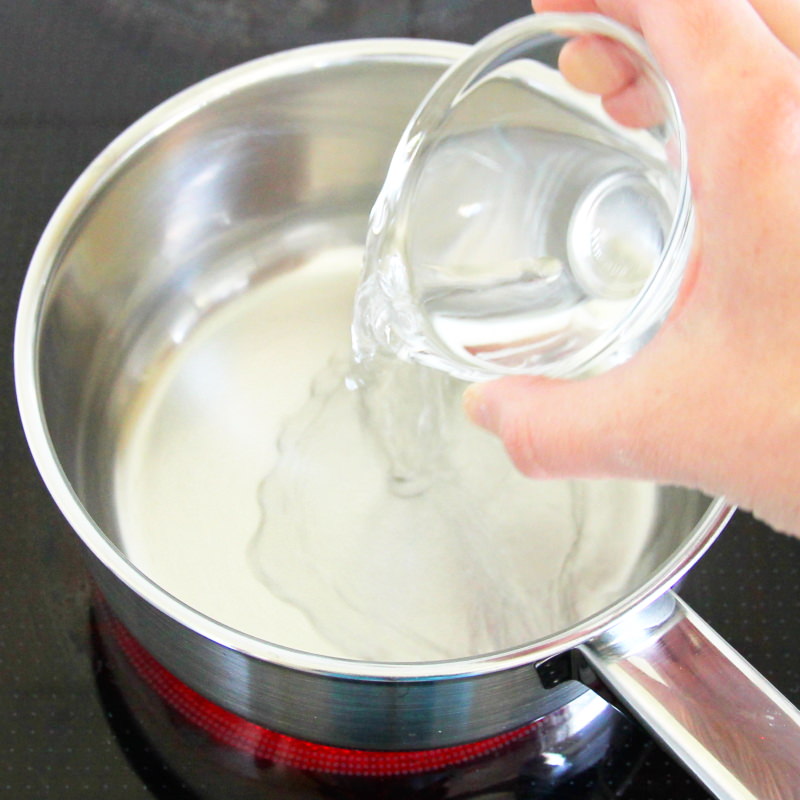
Start by preparing the mentsuyu sauce, as it needs to cool down. To do this, pour the Sake into a saucepan and bring to the boil over a medium heat so that the alcohol evaporates (simmer gently for about 2 minutes).

Step 3
Now add soya sauce, Mirin, sugar and the Dashi to the Sake and bring to the boil briefly. Once the sauce has come to the boil, turn the heat down to the lowest setting and simmer for 5 minutes. Stir regularly to dissolve the sugar.
Then turn off the heat, set the saucepan aside and leave to cool.

Step 4
For the topping spring onion, wash, pat dry and cut into fine rings (ideally, split it down the middle with a large knife, fold it back together and cut from the green part downwards into fine rings, removing the root ends).
step 5
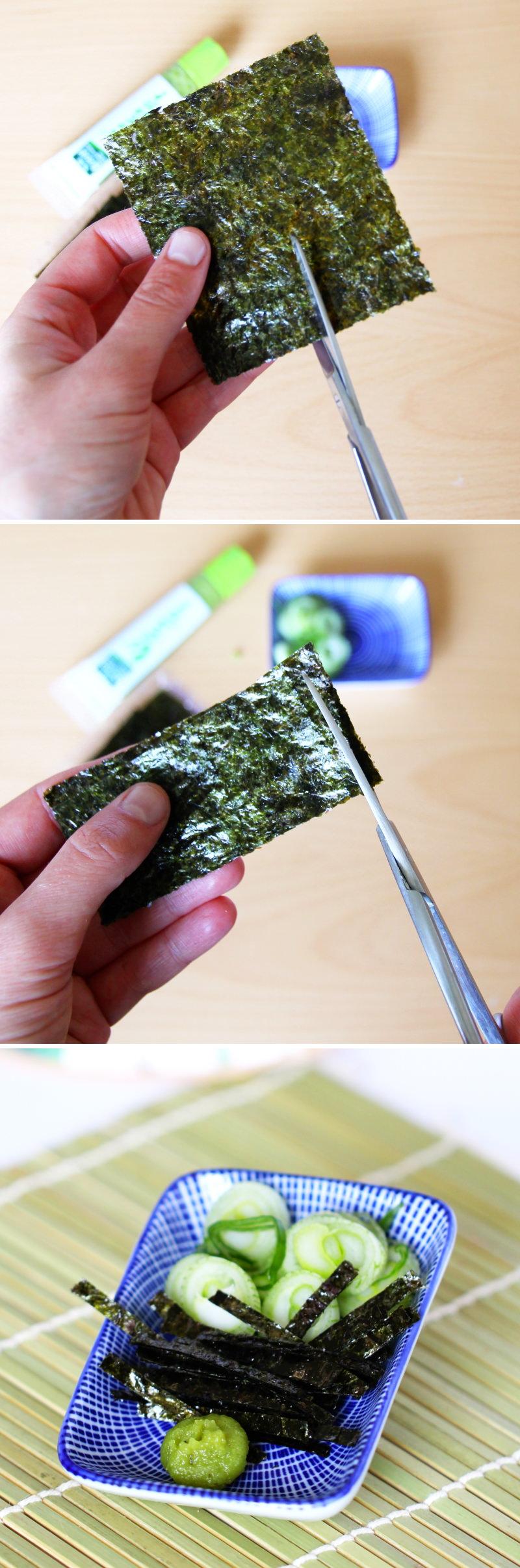
Cut the Nori into thin strips (0.5 x 2 cm each) using scissors.
Arrange the spring onions and Nori on a small plate for each portion and place a dollop of wasabi next to them.
Step 6
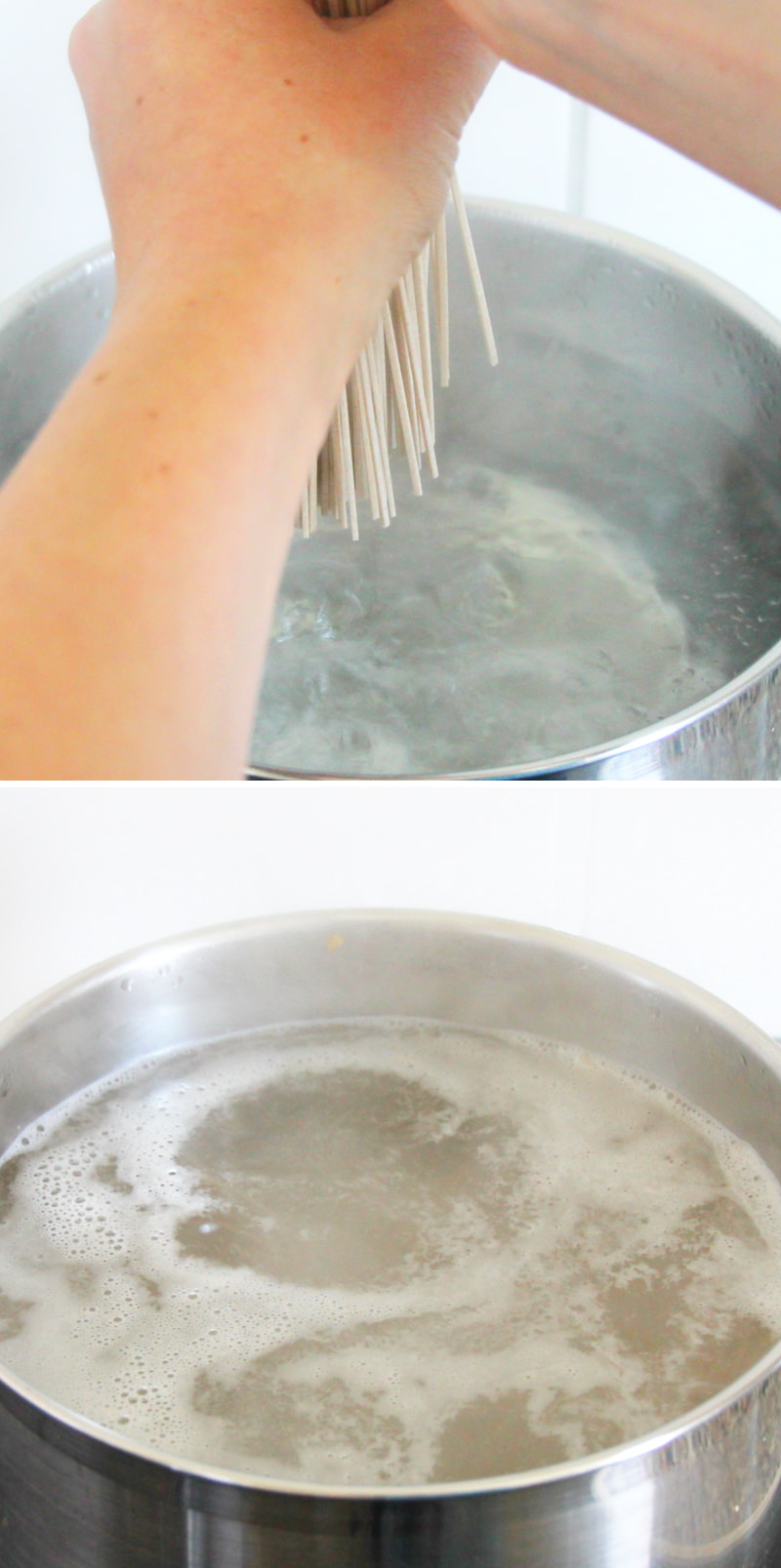
Add the soba noodles to the boiling water and cook for 3 to 4 minutes (or as per the cooking instructions on the packet).
Step 7
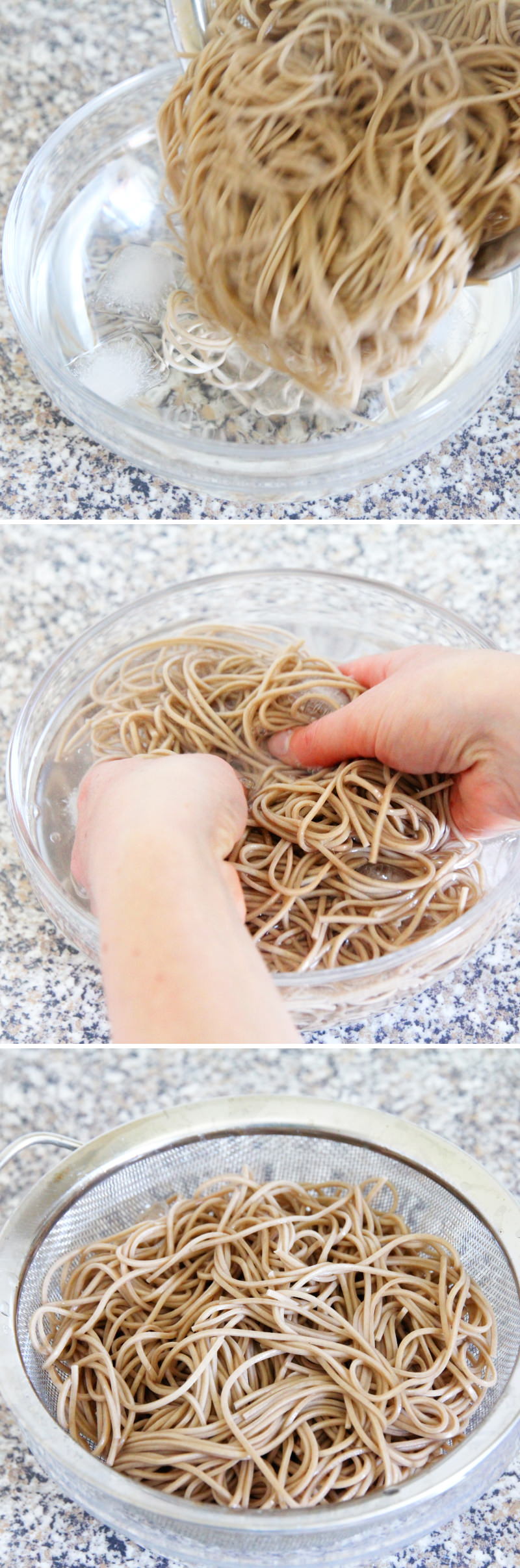
Then drain and rinse in a bowl prepared with ice-cold water, and wash briefly with your hands to remove any remaining starch (this helps the noodles absorb the dipping sauce better and makes them easier to slurp).
Drain the noodles again and arrange them on flat plates (or special bamboo soba trays).
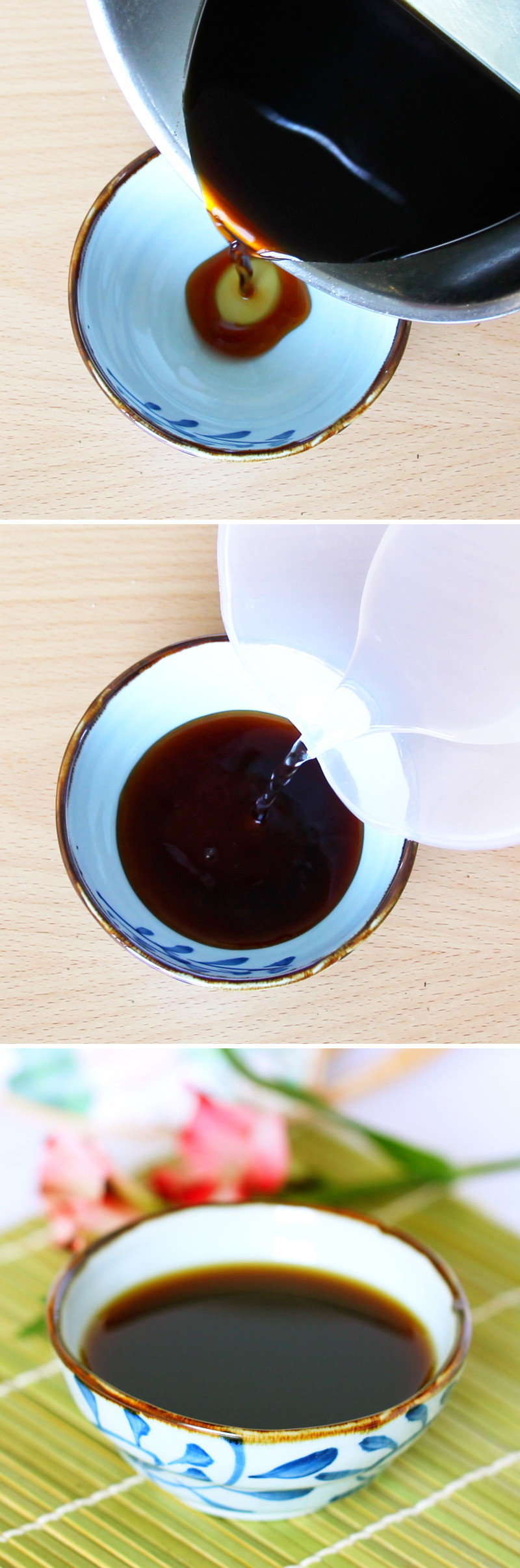
Step 8
The cooled mentsuyu sauce can now be poured into a small bowl for each portion. To do this, pour half the mentsuyu into each bowl and dilute with 100 ml of water.
Step 9
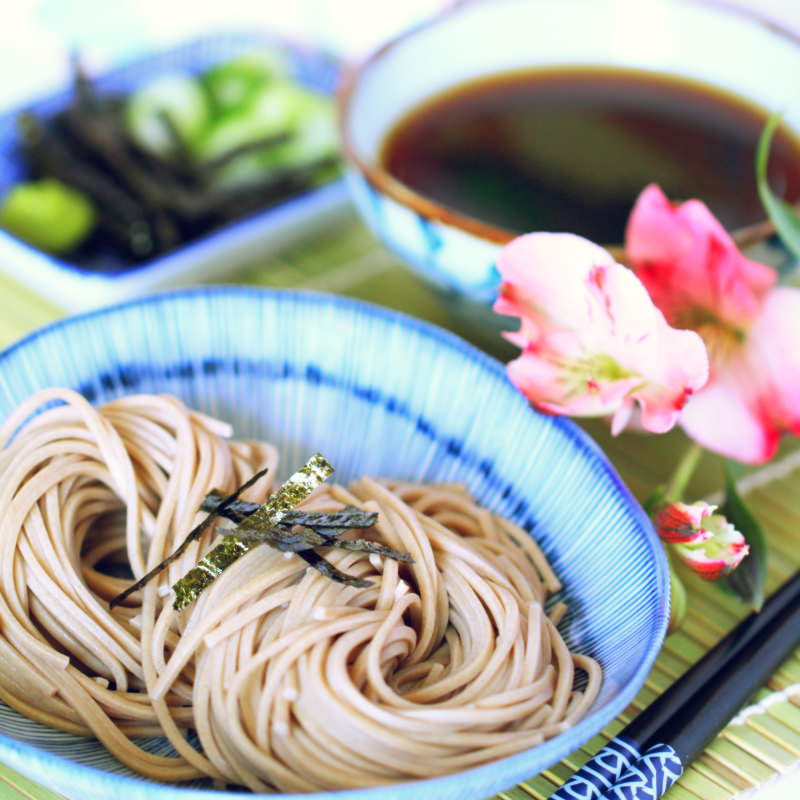
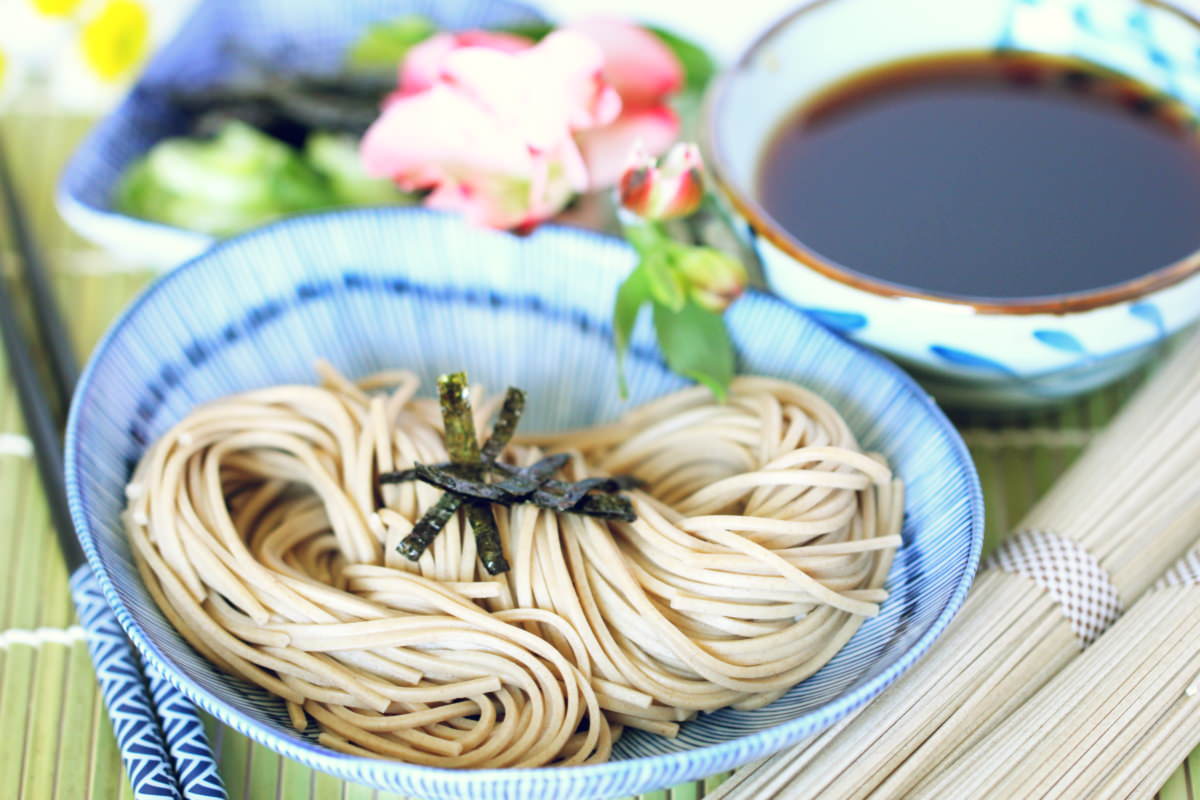
For each portion , serve a plate of soba noodles, a bowl of mentsuyu dipping sauce and a small plate of toppings . Garnish the noodles with wasabi, strips of nori and spring onions to taste, and dip them into the dipping sauce using chopsticks. Done – Itadakimasu!
By the way, Japanese green tea goes perfectly with this – so you should definitely have a read here:
No post found!