

Language:


Mitarashi Dango are a real culinary surprise in Japanese cuisine. Tender, homemade glutinous rice balls are threaded onto a skewer and coated with a sweet glaze made from soya sauce and Mirin . This traditional Japanese sweet treat is sure to delight every guest – whether served as a dessert or as a snack on the go !

Mitarashi Dango is a traditional Japanese dessert made from glutinous rice flour, which is served in Japan for a wide variety of special occasions. With my easy-to-follow recipe for this popular, authentic sweet treat, you can delight your friends and family at home with this delicious treat.
This Mochi-based sweet is both sweet and savoury – and it’s also perfect as a snack between meals or as a dessert. Although it does require a few special ingredients, this authentic Japanese recipe is actually very easy to make.
Making Dango isn’t difficult and is absolutely essential if you want to make traditional Japanese sweets at home. Here you’ll find even more favourite recipes for homemade Dango desserts: → Make your own Dango: 7 really delicious recipes for sweet rice balls
The name of this traditional Japanese sweet originally comes from the Mitarashi Festival at Shimogamo Shrine in Kyoto. Legend has it that some magical bubbles appeared in the river when the Emperor scooped up some water from the Mitarashi River in Shimogamo.
People recreated these enchanting bubbles using these little Dango rice balls, which are now a delicious regional treat. Mitarashi dango are very popular in teahouses and bakeries throughout Japan, but this wonderful speciality is also served at home, both as a dessert and on special occasions.

For example, Mitarashi Dango is eaten alongside Bento Boxes and a variety of other Japanese sweets during the Cherry Blossom Festival or the Autumn Moon Festival in Japan. As these celebrations involve spending most of the day outdoors, visitors usually bring a selection of food with them to eat under the cherry blossom trees or during a night-time picnic. These Bento Boxes are packed with Sushi and tamagoyaki
(Japanese omelettes) and, of course, full of delicious Mochi such as Hanami Dango or these Mitarashi Dango here!
So, Dango are small, cooked balls made from glutinous rice flour and rice flour. Usually, three to four sweet rice balls are skewered onto a stick. It’s common to colour the Dango and glaze them with a sweet sauce or bean paste.
The main difference between Dango and Mochi lies in the preparation. For mochi , only glutinous rice flour is used for the dough, which is steamed before being shaped.
For Dango, the dough is made from glutinous rice flour (im Shop ansehen) and ordinary rice flour (im Shop ansehen), which is then cooked in boiling water for a few minutes.
CUSTOMER FAVOURITE
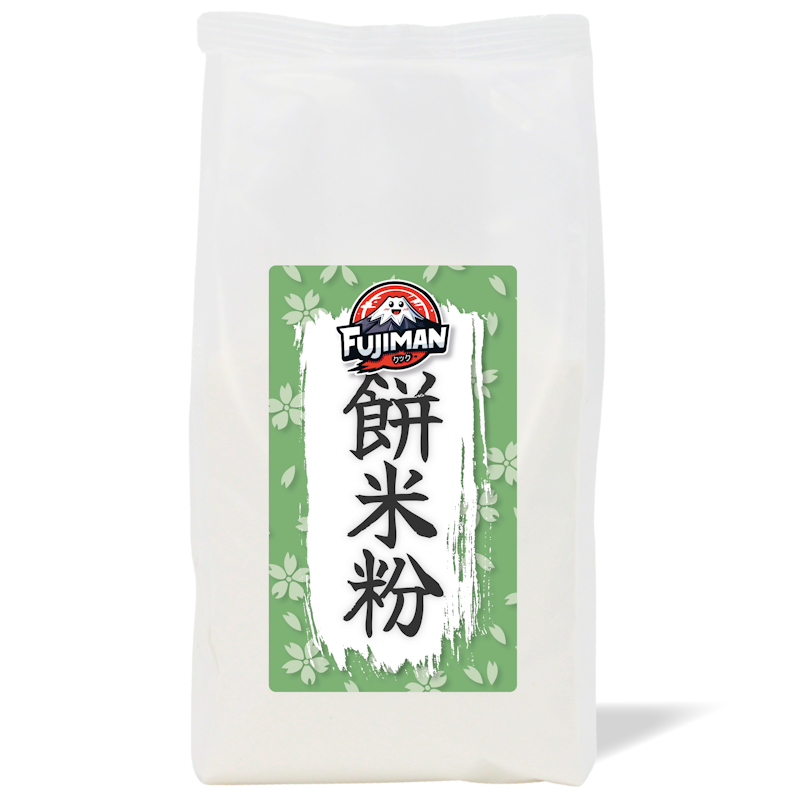
Klebreismehl 940g (glutinous), Fujiman
Klebreismehl für Mochi, Dango & japanische Desserts . Dieses Klebreismehl von Fujiman besteht aus fein gemahlenem Rundkornreis und sorgt für die typische weiche, elastische Textur…
In stock
What makes Mitarashi Dango so special is definitely the sweet and savoury glaze! The so-called Mitarashi sauce is made from 5 ingredients, with savoury Shoyu and sweet Mirin (im Shop ansehen) are the key flavour components. It’s important not to boil the sauce for too long and to be careful with the amount of starch you use, so that the glaze retains its lovely sheen and doesn’t become too thick!
And now for the finale: heat a non-stick frying pan large enough to hold the skewers over a high heat without any oil. Then brown the skewers lightly on all sides for 5 to 10 minutes. Serve the Dango skewers on a plate and garnish with the Mitarashi sauce. Ready? Let’s get started with these delicious Mitarashi Dango!
Mitarashi Dango
serves 4 | 45 minutes | 428 kcal
🖨️ Print PDF 📌 Save this pinMitarashi Dango are a real culinary surprise in Japanese cuisine. Tender, homemade glutinous rice balls are threaded onto a skewer and coated with a sweet glaze made from soya sauce and Mirin. This traditional Japanese sweet treat is sure to delight every guest – whether served as a dessert or as a snack on the go –!
Ingredients (4 portions = 4 skewers)
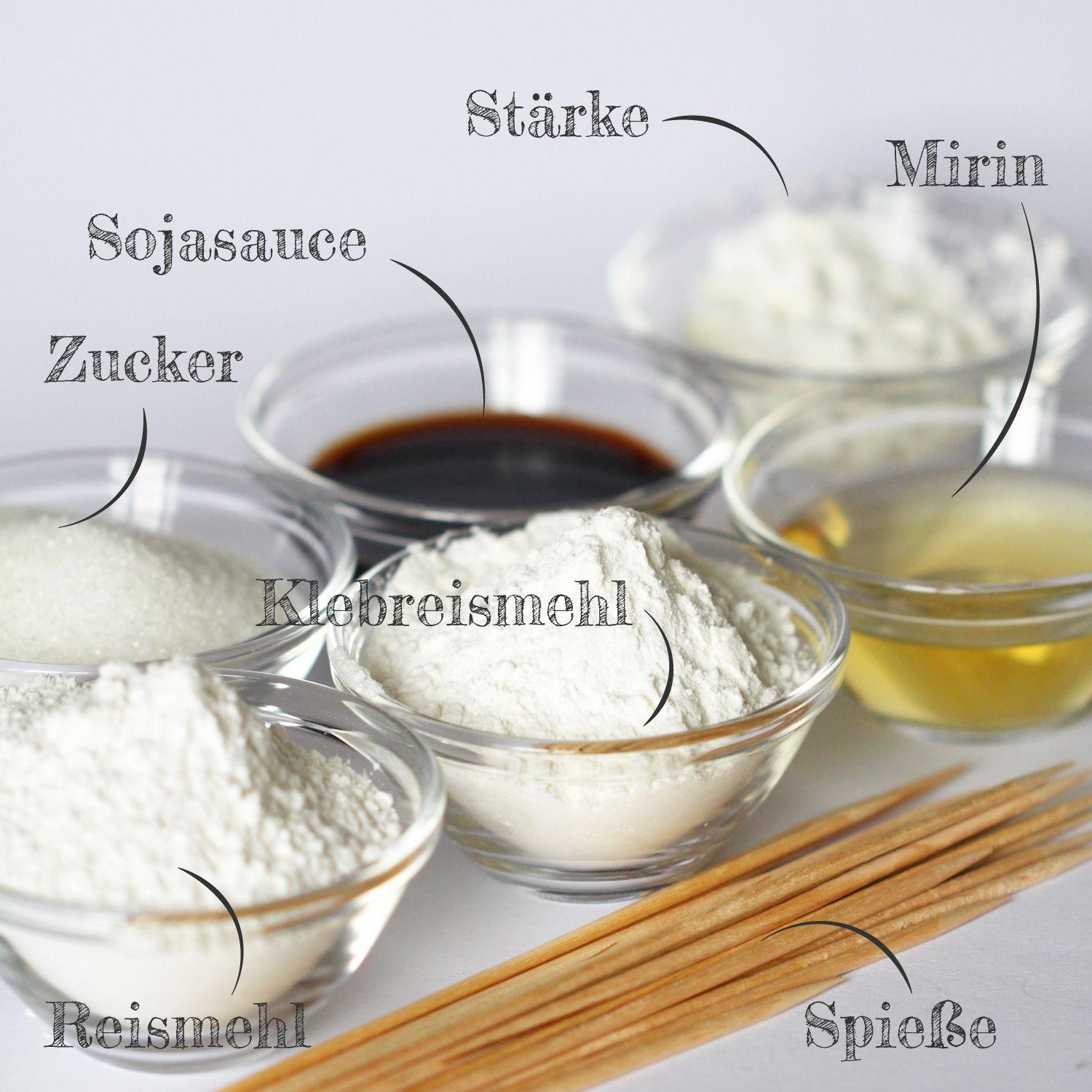
100 g glutinous rice flour (im Shop ansehen)*
100 g rice flour (im Shop ansehen) *
175 ml water
For the Mitarashi sauce:
4 tbsp sugar
2 tbsp soya sauce (im Shop ansehen)*
2 tbsp Mirin (im Shop ansehen)*
150 ml water
2 tbsp katakuriko (potato starch) (im Shop ansehen)*
4 skewers
Useful kitchen tools:
Japanese Yukihiara saucepan
Preparation (45 minutes)
Step 1
Gather the ingredients for the homemade Mitarashi Dango.
Step 2
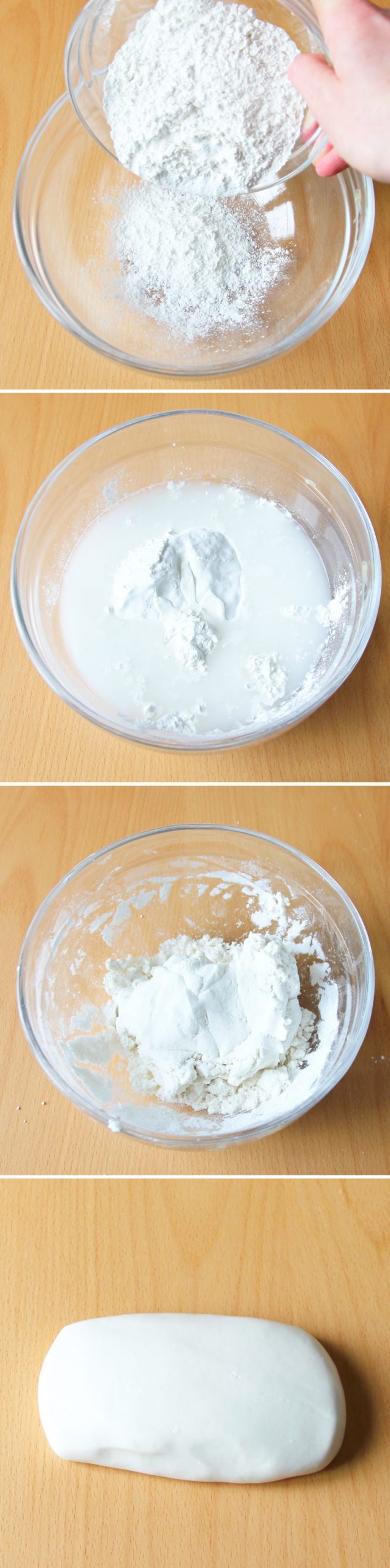
Mix the glutinous rice flour and rice flour in a bowl. Gradually add the water to the flour mixture and knead with your hands to form a firm dough.
Step 3
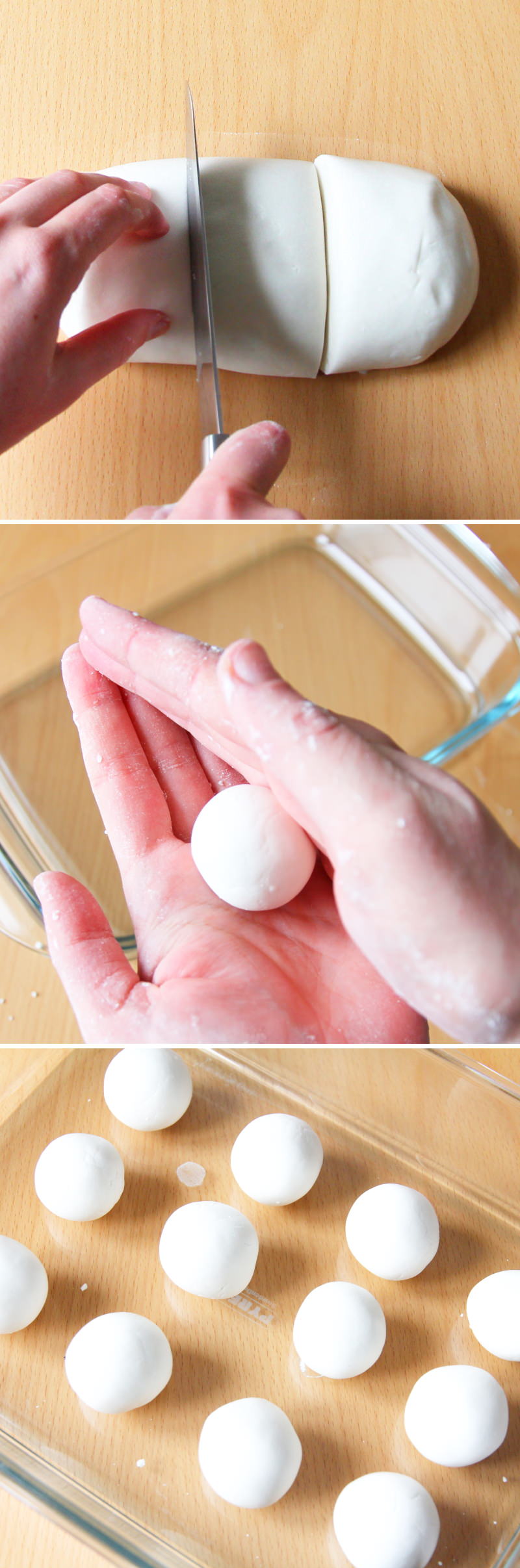
Cut the dough in half with a knife, cut each half in half again, and then cut each of those halves into thirds – thus dividing the dough into 12 equal parts. Shape each piece of dough into neat balls between your palms. This will give you 12 equally sized balls.
Step 4
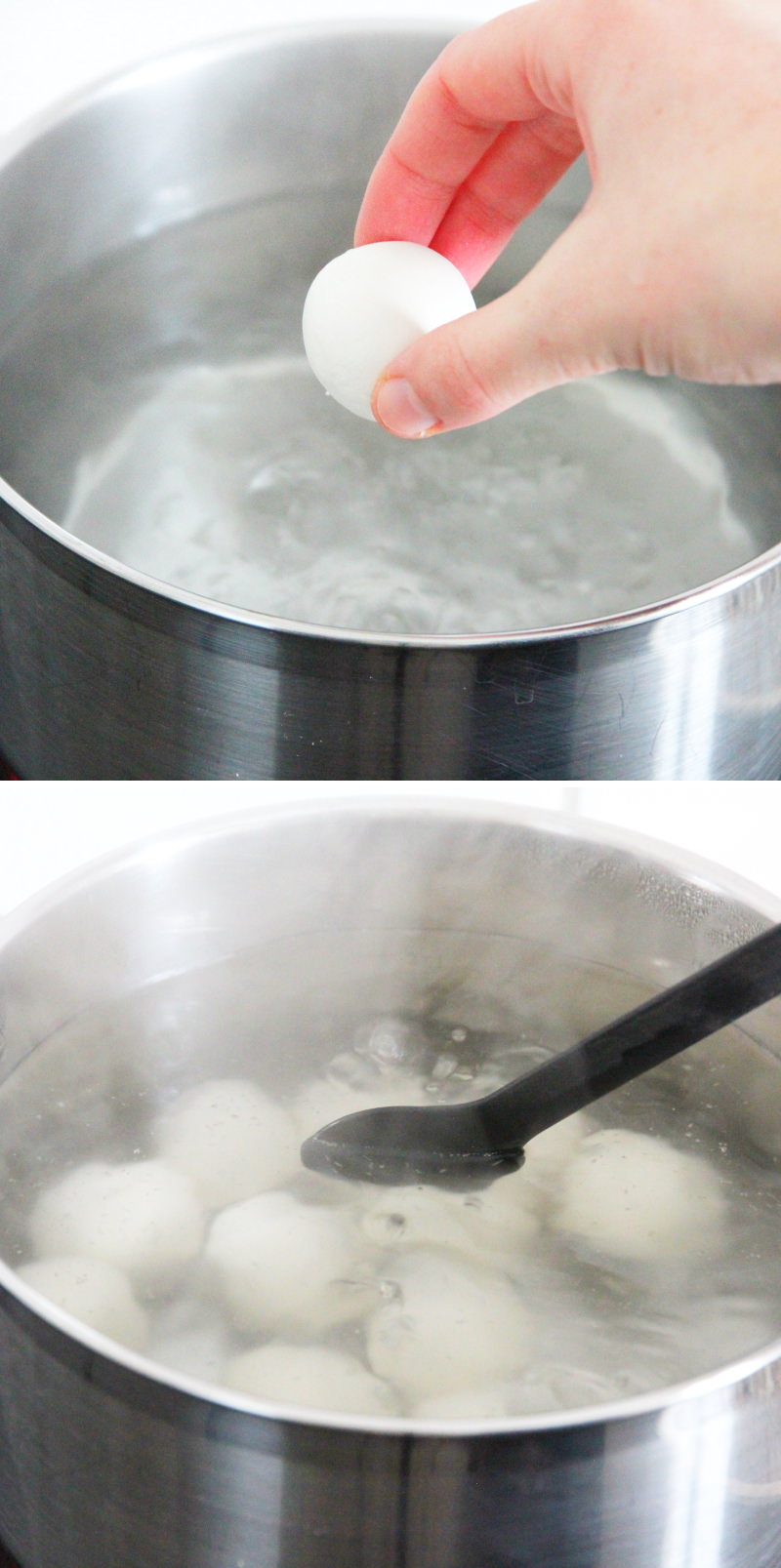
Bring 2 litres of water to the boil in a large saucepan, then reduce the heat to medium. Add all 12 balls to the boiling water and cook for 5 minutes, until each ball has risen to the surface.
Step 5
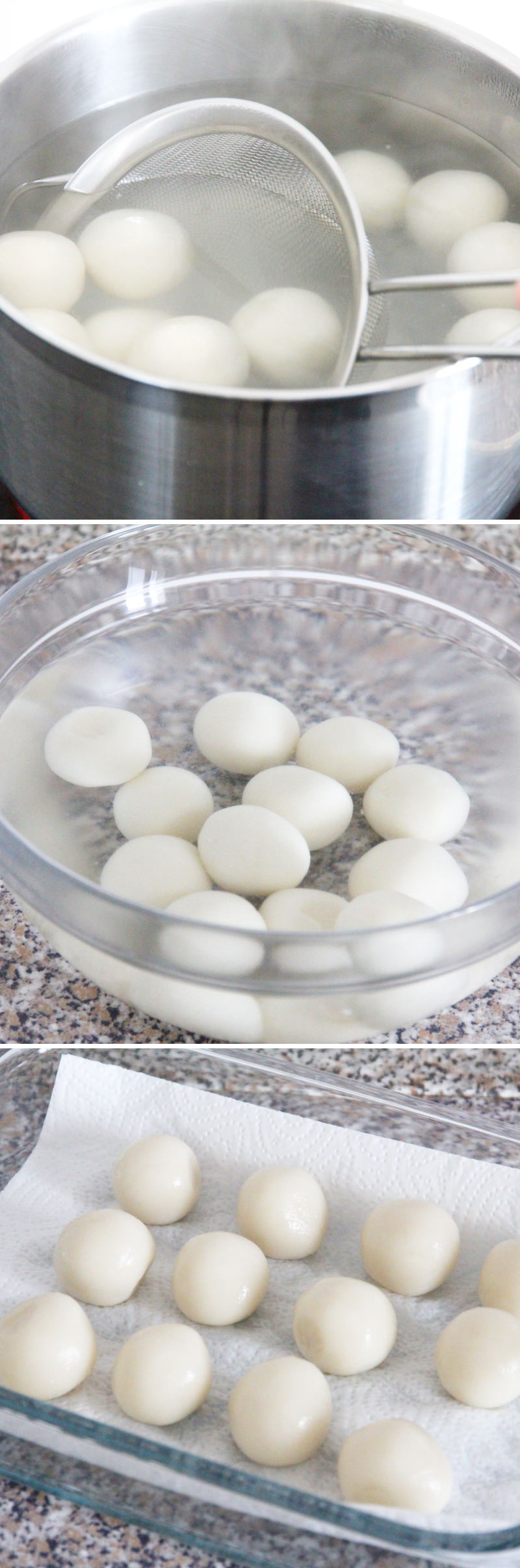
In the meantime, prepare a bowl of ice-cold water. Then lift the balls out of the water using a slotted spoon or a sieve and place them in the prepared cold water. Rinse briefly under cold water and then leave to drain on kitchen paper.

Step 6
For the Mitarashi sauce, mix all the ingredients together in a small saucepan (tip: leave a little water aside and dissolve the starch in it before adding it to the saucepan) and bring to the boil over a medium heat, stirring continuously. The sauce will gradually (about 3 minutes) and take on an appetising colour. Turn off the heat and set the sauce aside, ready to serve.
Step 7
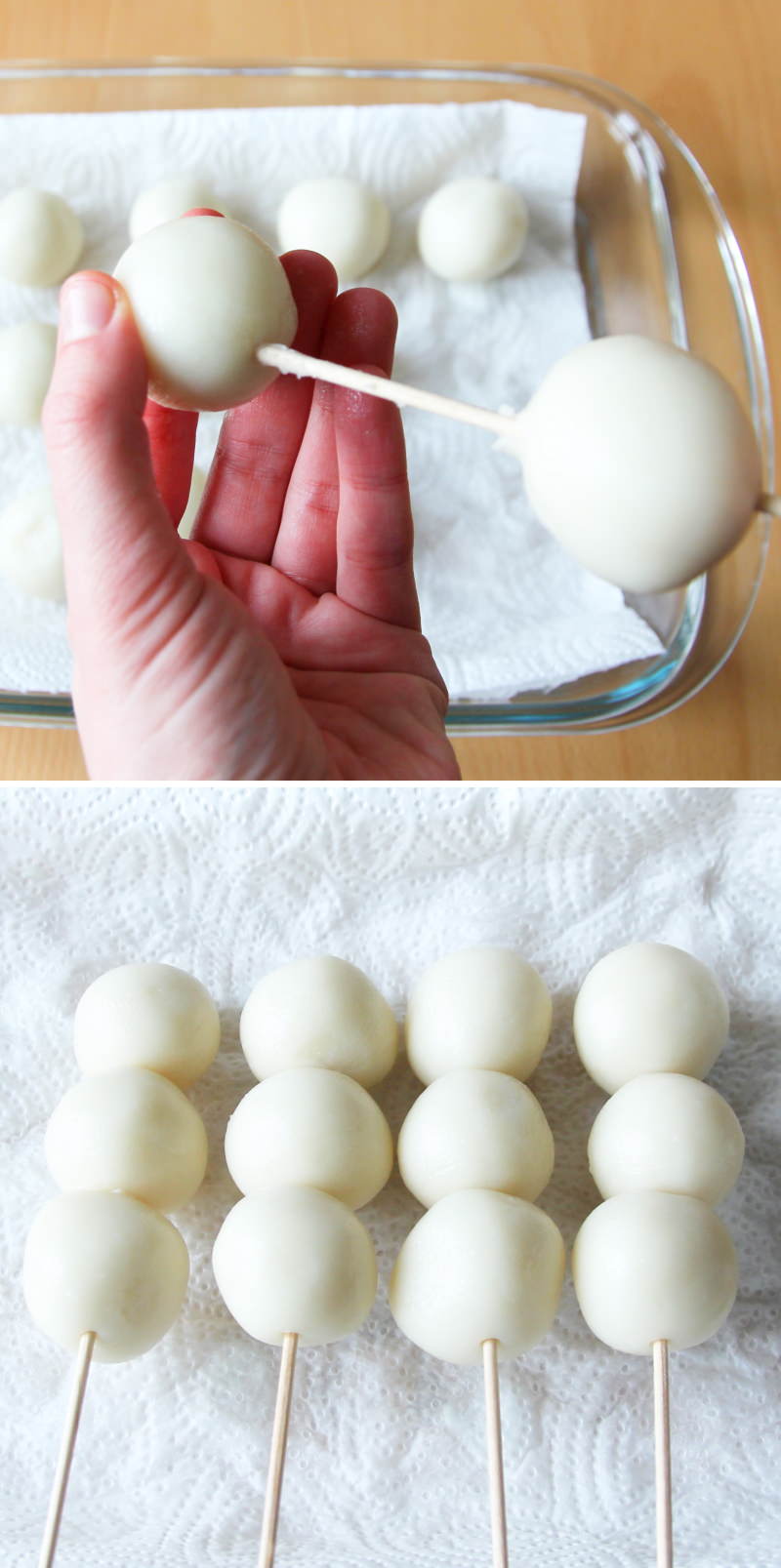
Thread 3 rice balls onto each skewer.
Step 8
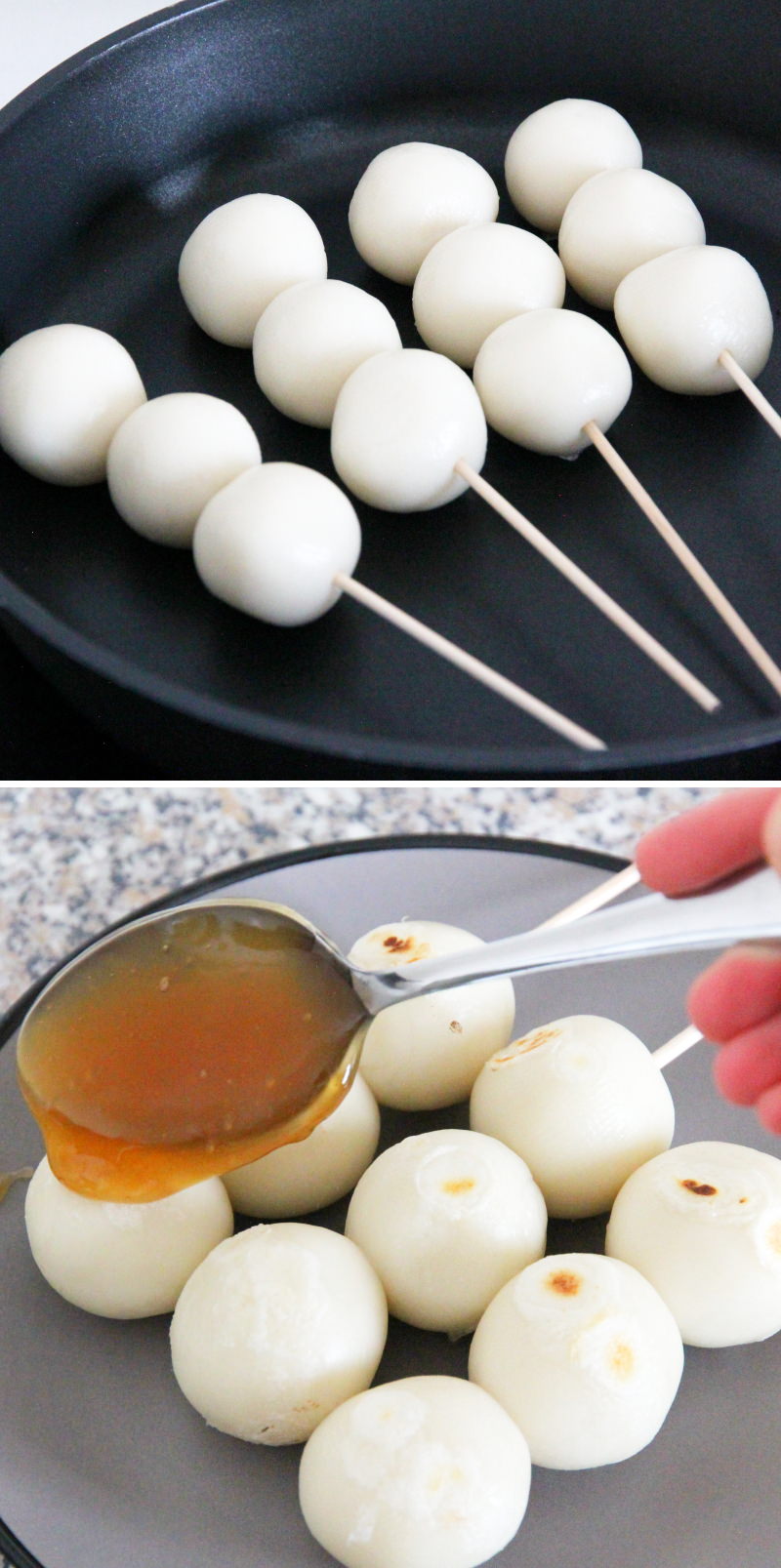
Heat a non-stick frying pan large enough to hold the skewers over a high heat without any oil. Then cook the skewers in the pan for 5 to 10 minutes until lightly browned on all sides.
Serve the Dango skewers on a plate and garnish with the mitarashi sauce.
Step 9
It’s best to eat the Mitarashi Dango straight away. Done – Itadakimasu!

Are you looking for even more delicious Japanese desserts that will delight your guests? You can find my most popular recipes here:

Japanese cheesecake: The best recipe for a fluffy soufflé-style cheesecake just like in Japan
Japanese cheesecake is one of Japan’s most popular desserts and delights with its exceptionally light and airy texture. Unlike classic…
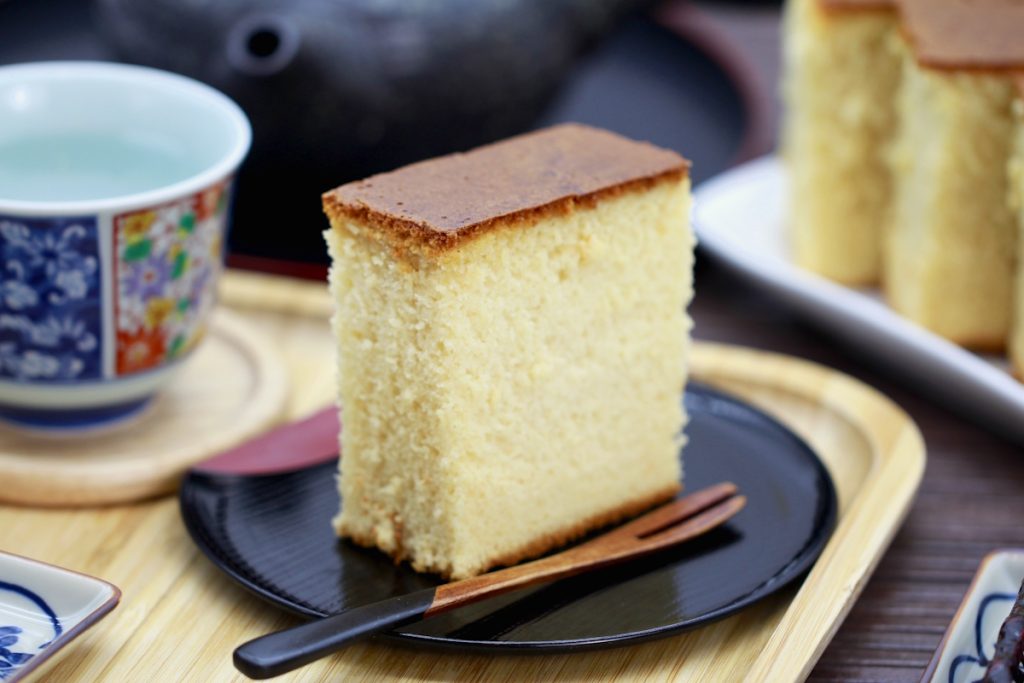
How to make Castella (Kasutera) yourself: How to make this Japanese honey cake
Why is Castella often described as Japan’s moistenest cake? Although Kasutera consists of just a few ingredients, the special preparation…
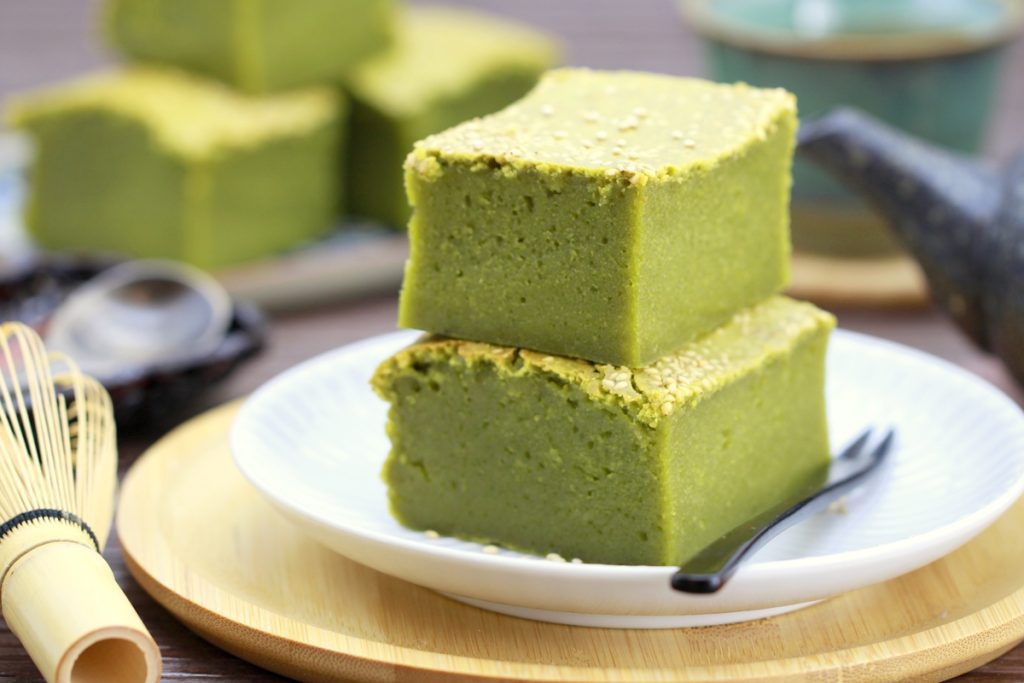
Make your own Matcha butter Mochi: Hawaiian Mochi cake with green tea
If you drink Matcha regularly, you might be familiar with this: at some point, you end up with more Matcha…
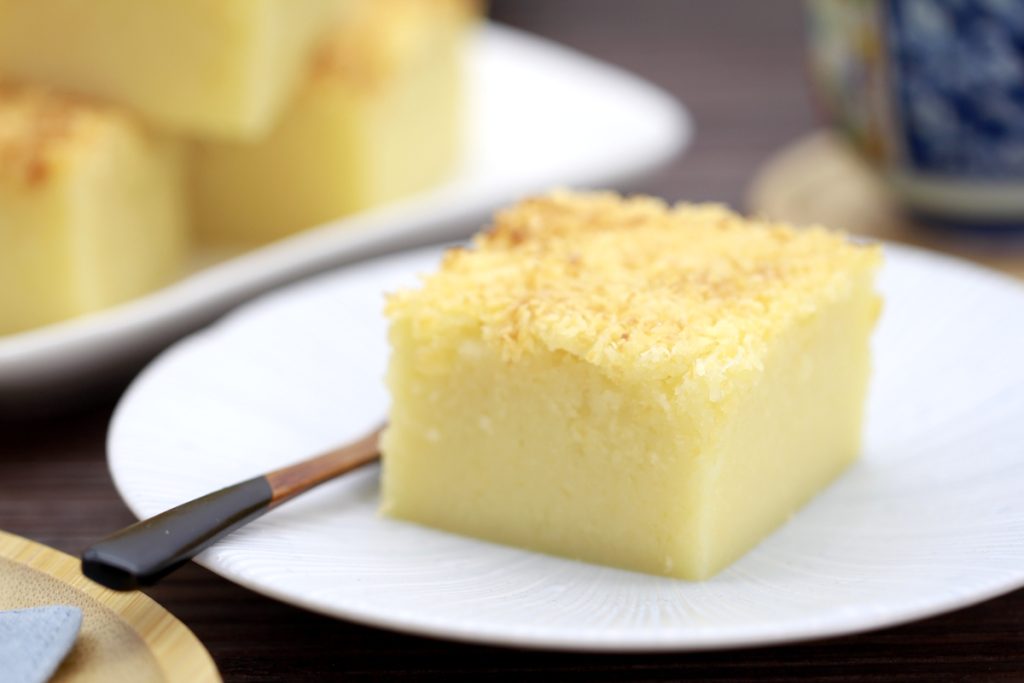
Butter Mochi (Hawaiian Mochi Cake – gluten-free)
Butter Mochi is one of those recipes that’s hard to pigeonhole. It looks like a simple tray bake, but has…
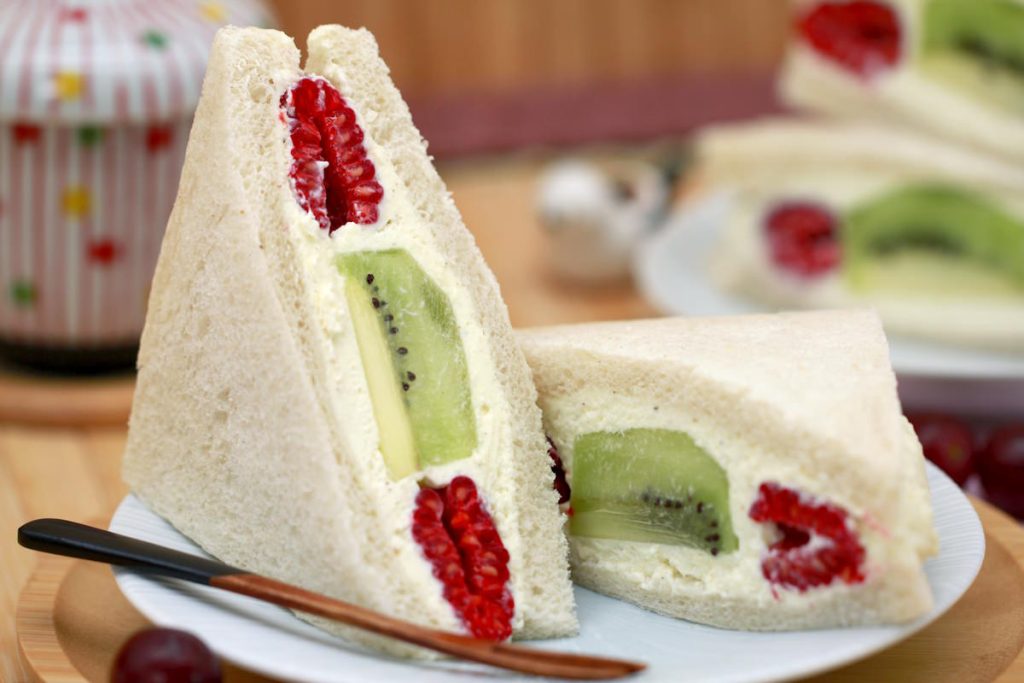
Make your own Fruit Sando: a fluffy cream sandwich with fruit – simple, fresh & typically Japanese
In Japan, it can remain surprisingly hot well into September – and it was on just such a muggy late-summer’s…
Warabi Mochi: Make your own delicate summer dessert with Kinako & Kuromitsu syrup
When the weather warms up, the appetite for light, refreshing sweets grows in Japan – and hardly any dessert embodies…
Have you tried out the recipe? Let me know in the comments – I can’t wait to hear from you.