

Language:


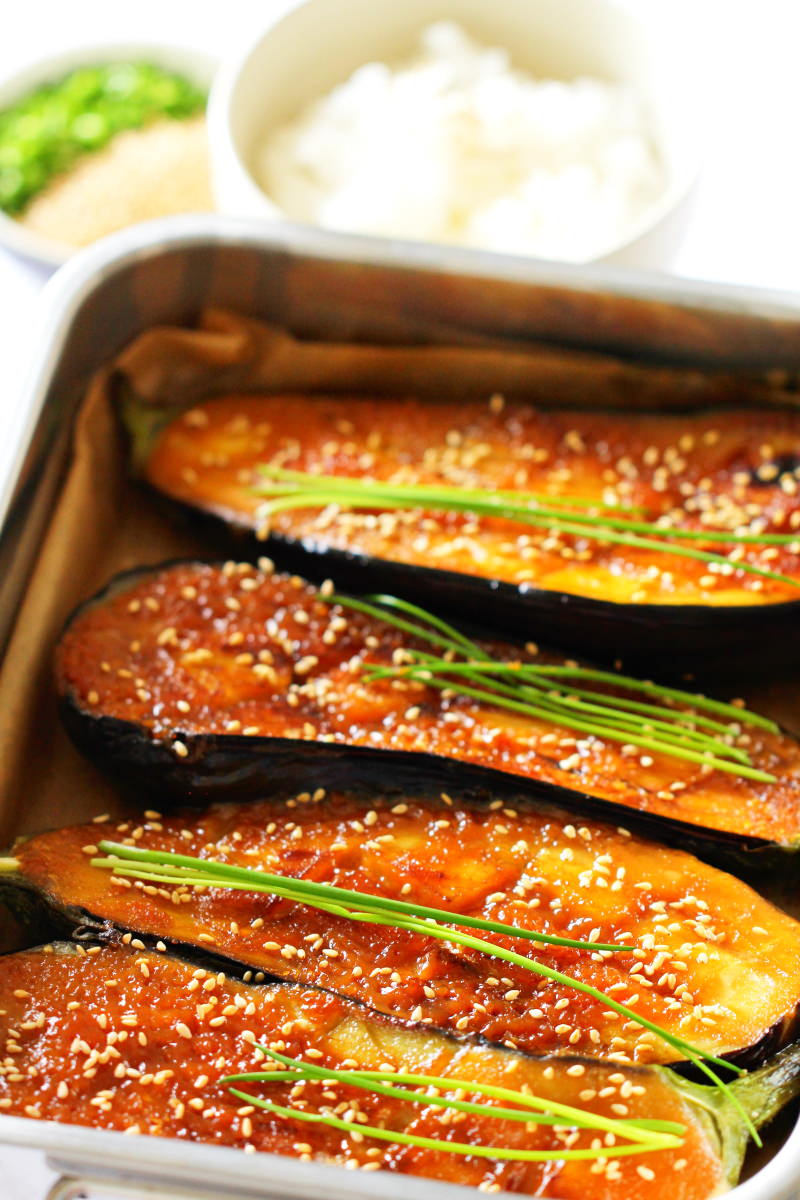
Nasu Dengaku is a true classic of Japanese cuisine and perfect as a side dish or vegetarian main course. The aubergine halves are seared until browned and then baked in the oven with a sweet and savoury Miso glaze. The result: wonderfully tender flesh with a slightly caramelised surface. And all in just 15 minutes!
What exactly is Nasu Dengaku?
Nasu Dengaku (なす田楽) is a traditional Japanese dish in which aubergines are baked with an aromatic Miso glaze. The name Dengaku dates back to an ancient dish grilled over an open fire from the Heian period (794–1185), which in turn took its name from a popular peasant performance staged during planting rituals at the time. Traditionally, Dengaku was made with Tofu; the aubergine version was added later and is just as popular in Japan today.
What makes Nasu Dengaku special is the interplay between the tender, braised aubergine flesh and the sweet-savoury glaze, made from Miso paste, Mirin, Sake and sugar. This combination delivers a deep Umami flavour with a subtle caramel note – perfect as a side dish or a light main course, and irresistibly delicious.
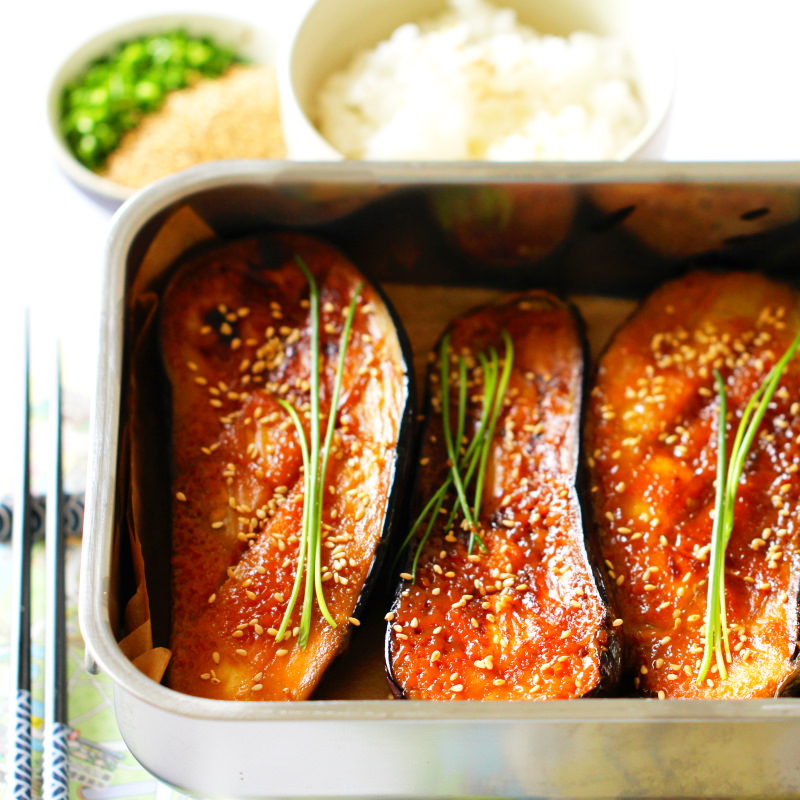
How to make Nasu Dengaku yourself: Here’s how
Nasu Dengaku looks impressive, but is surprisingly easy to prepare. The most important thing is a good Miso paste. Ideally, a light Shiro Miso, which tastes mild and slightly sweet.
The key ingredients:
- Aubergines: Long Japanese aubergines or tender, medium-sized aubergines work best, as they cook more quickly and develop a soft texture.
- Miso glaze: A mixture of miso paste, Mirin, Sake and sugar provides the characteristic balance of sweetness, savouriness and Umami.
- For frying: Aubergines need high heat and a little oil to ensure the flesh becomes tender and the skin crispy.
CUSTOMER FAVOURITE
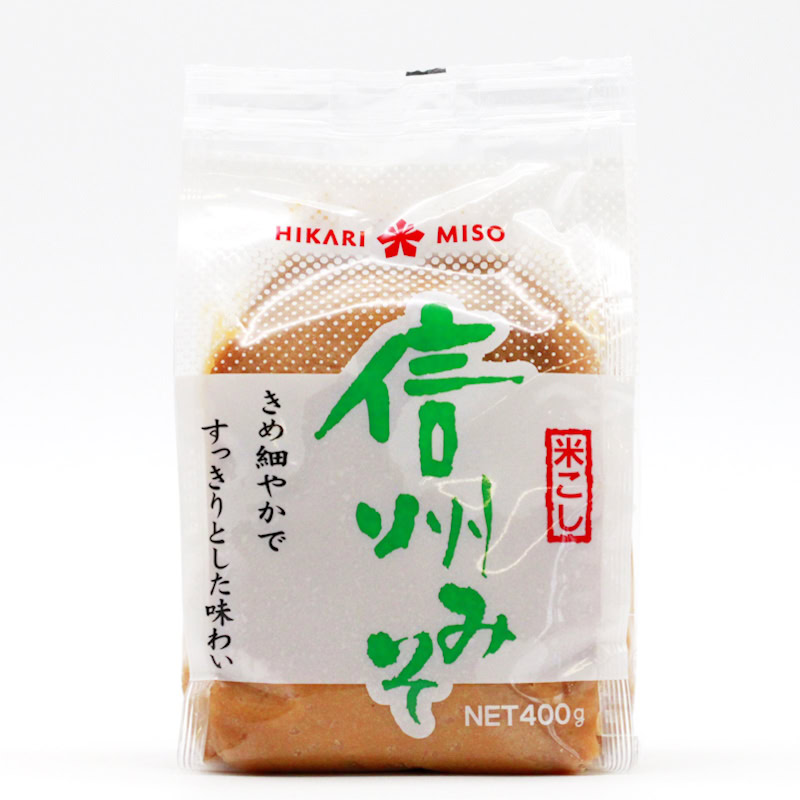
Miso Paste Shinshu Shiro 400 g (aus Japan)
Helle japanische Miso Paste für Suppen, Marinaden & Dressing. Diese Shinshu Shiro Miso Paste von Hikari ist eine helle, mild fermentierte Würzpaste aus Sojabohnen. Sie…
In stock
Here’s how it works:
The aubergines are first seared vigorously in a pan to develop roasted flavours and ensure the flesh becomes melt-in-the-mouth. Next, the glaze is applied to the cut surfaces and everything is popped into the oven for a short while. There, the Miso paste caramelises slightly and soaks into the flesh – a wonderful aroma that whets your appetite for the first bite even whilst baking.

Popular variations
With Tofu: You can also prepare this classic dish with Tofu instead of aubergine. This is the original dengaku.
Extra spicy: Add freshly grated ginger or a hint of garlic to the glaze. A pinch of shichimi togarashi (Japanese chilli spice mix) also adds heat.
With sesame or nuts: For added texture, you can sprinkle roughly chopped walnuts or almonds over the aubergines.
Gluten-free & vegan: The recipe is naturally vegan. Just make sure you use a gluten-free Miso paste if that’s important to you.
In Japan, Nasu Dengaku is a popular part of Izakaya menus (small Japanese bars with typical tapas-style dishes) and pairs wonderfully with steamed rice, a simple Miso soup and fresh Japanese cucumber salad. You can also prepare the aubergine halves in advance and eat them cold – perfect for bento boxes or a light lunch while working from home.
Have you ever made Nasu Dengaku yourself? Perhaps even with your own twist – a little ginger in the glaze, with Tofu or crunchy walnuts? I’d love to hear in the comments how you like to prepare your Nasu Dengaku. Have fun trying it out and いただきます Itadakimasu!
Nasu Dengaku
serves 2 | 15 minutes | 459 kcal
🖨️ Print PDF 📌 Pin thisNasu Dengaku is a traditional Japanese aubergine dish with a sweet and savoury Miso glaze. In just 15 minutes, you can whip up a fragrant side dish with tender flesh and a caramelised surface – perfect with rice and miso soup!
Ingredients (2 servings)
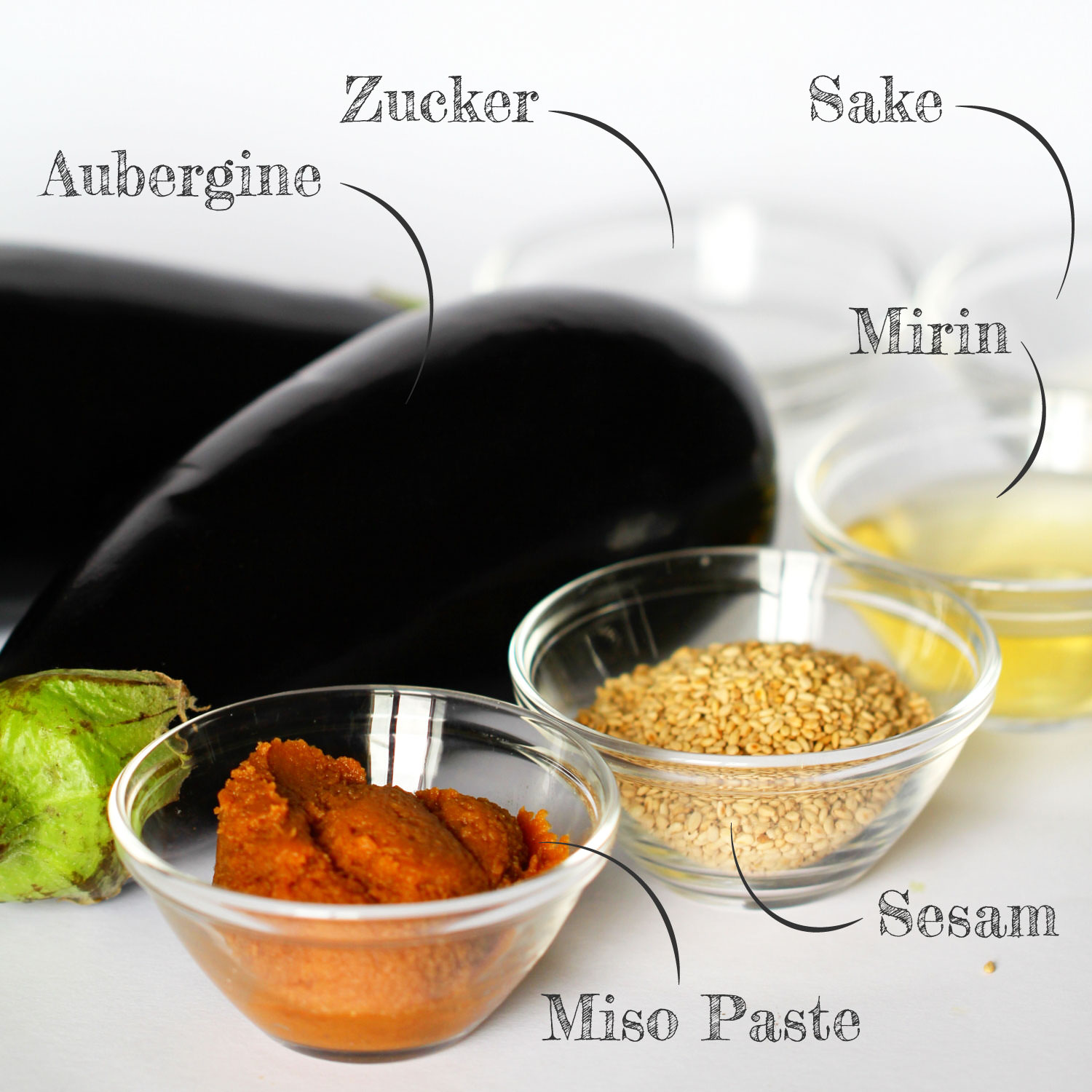
2 aubergines
2 tbsp Miso paste (im Shop ansehen)*
2 tbsp Mirin (im Shop ansehen)*
1 tbsp Sake (im Shop ansehen)*
1 tbsp sugar
50 ml oil (e.g. rapeseed oil)
2 tsp sesame seeds (im Shop ansehen)*
Preparation (15 minutes)
Step 1
Prepare the ingredients needed for Nasu Dengaku and preheat the oven to 210°C (fan).
Step 2
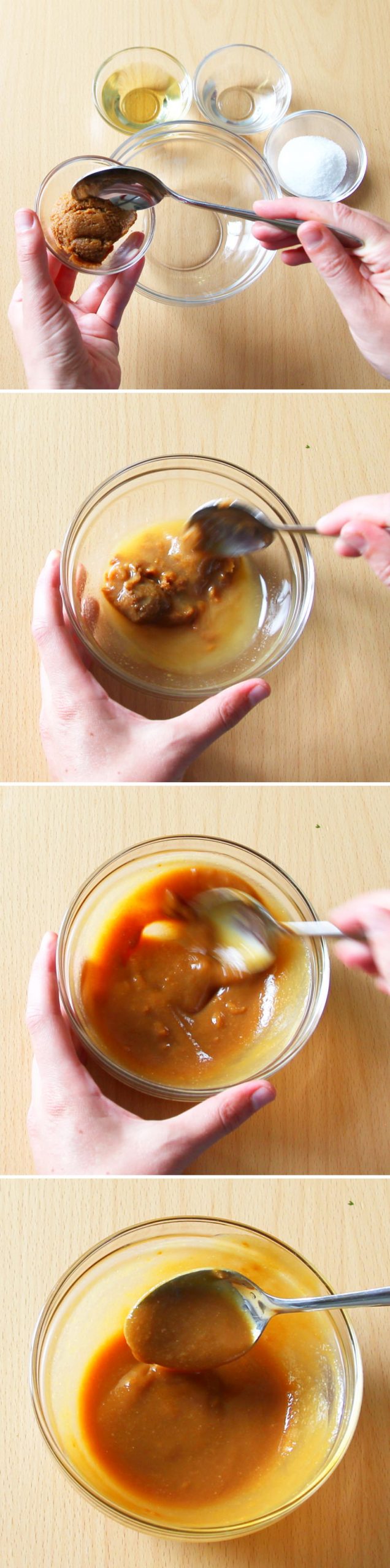
First, for the glaze, mix miso paste, Mirin, Sake and sugar in a bowl and set aside.
Step 3
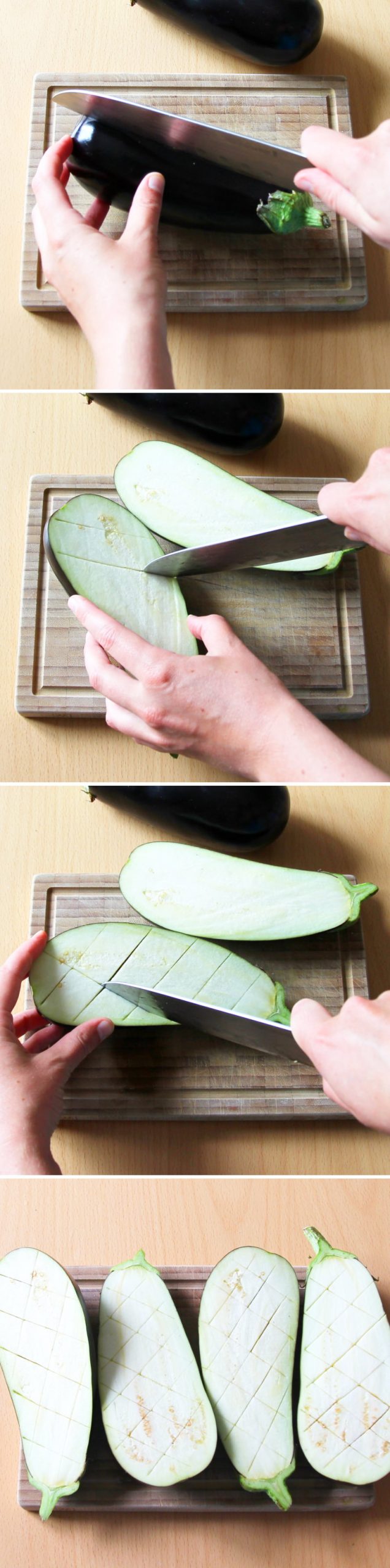
Wash the aubergines , pat them dry and cut them in half lengthways using a large knife. Then score the inside of each aubergine half with a knife in a cross-hatch pattern.
Step 4
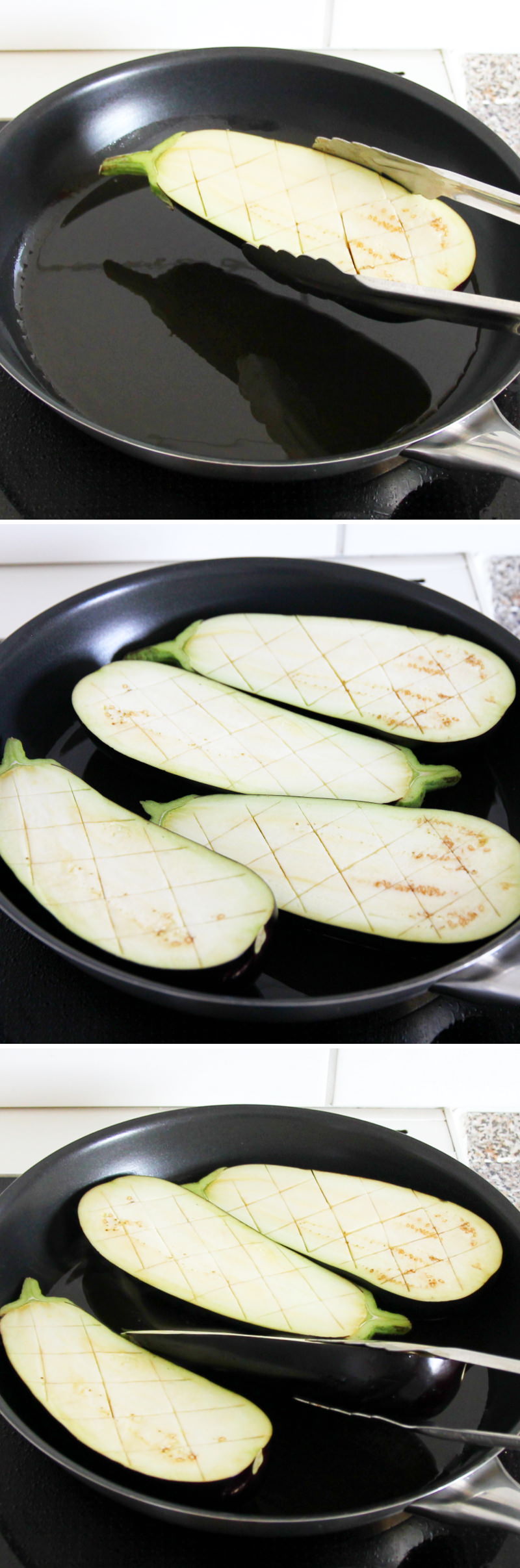
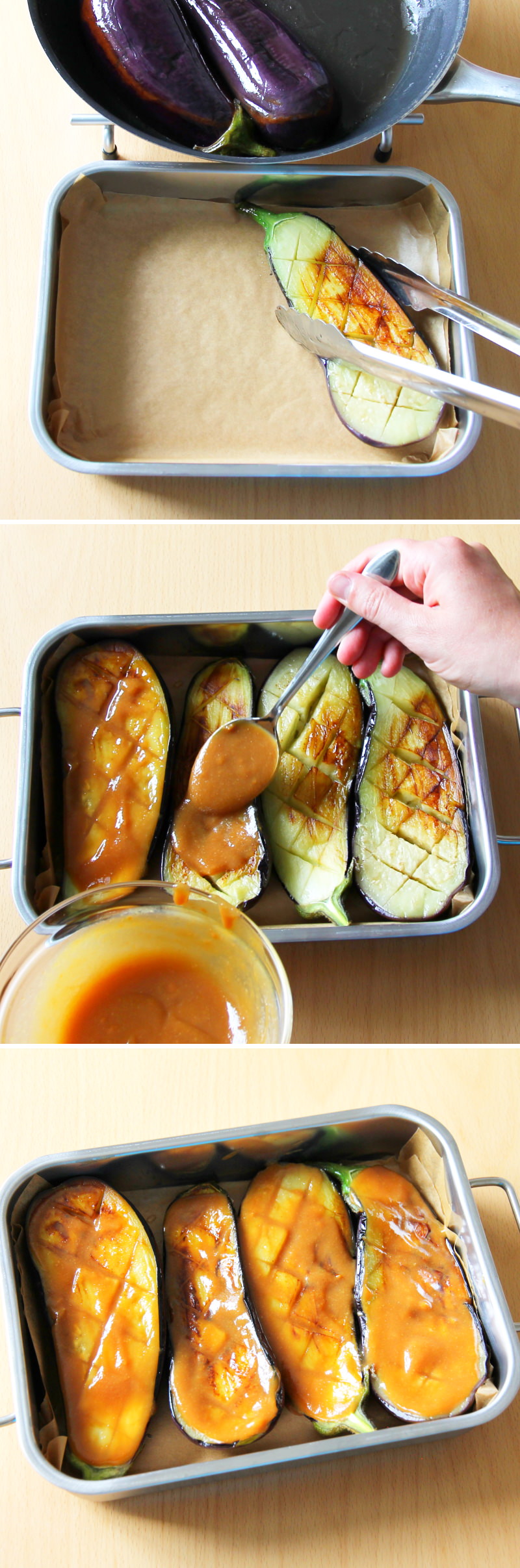
Heat a large frying pan over a high heat and add oil (don’t skimp on the oil here, as the aubergine will absorb a lot of it). Place the aubergine halves skin-side down in the pan and fry for 2–3 minutes until the skin side changes colour and becomes soft.
Step 5
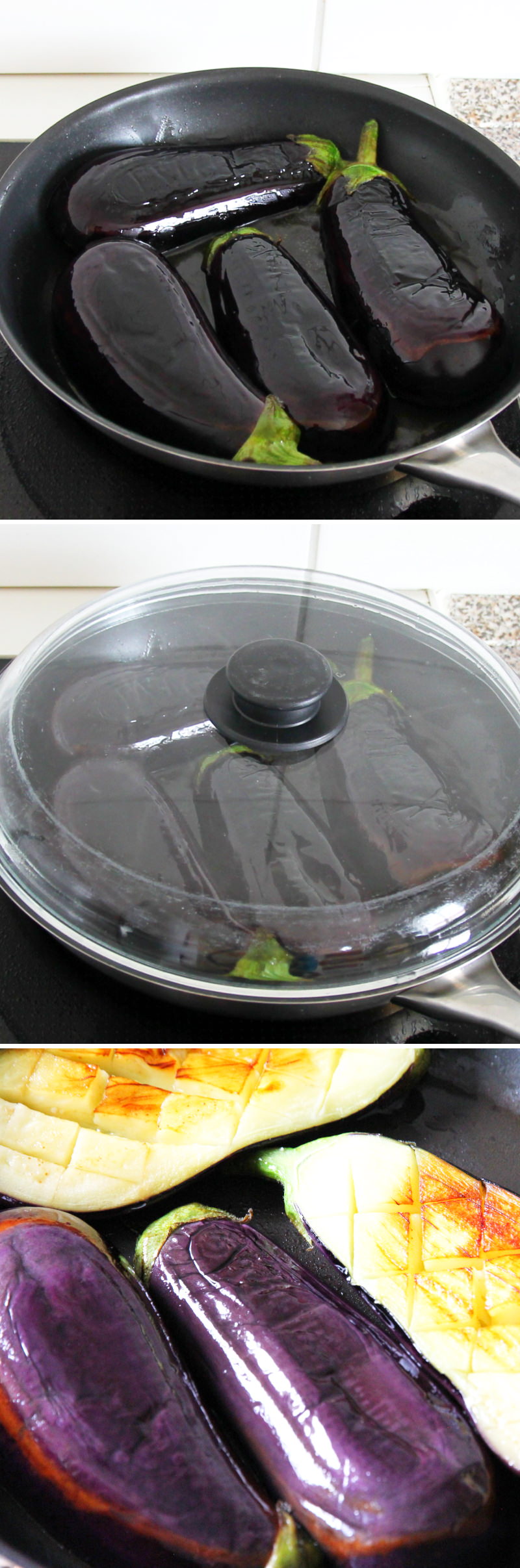
Now turn the aubergine over and fry the scored side for 3–4 minutes with the lid on, until the aubergine is soft and the flesh is browned.
Step 6
Line the base of a baking dish with baking paper. Remove the fried aubergine halves from the pan and place them in the dish, skin-side down. Generously brush each half with the prepared Miso glaze.
Step 7
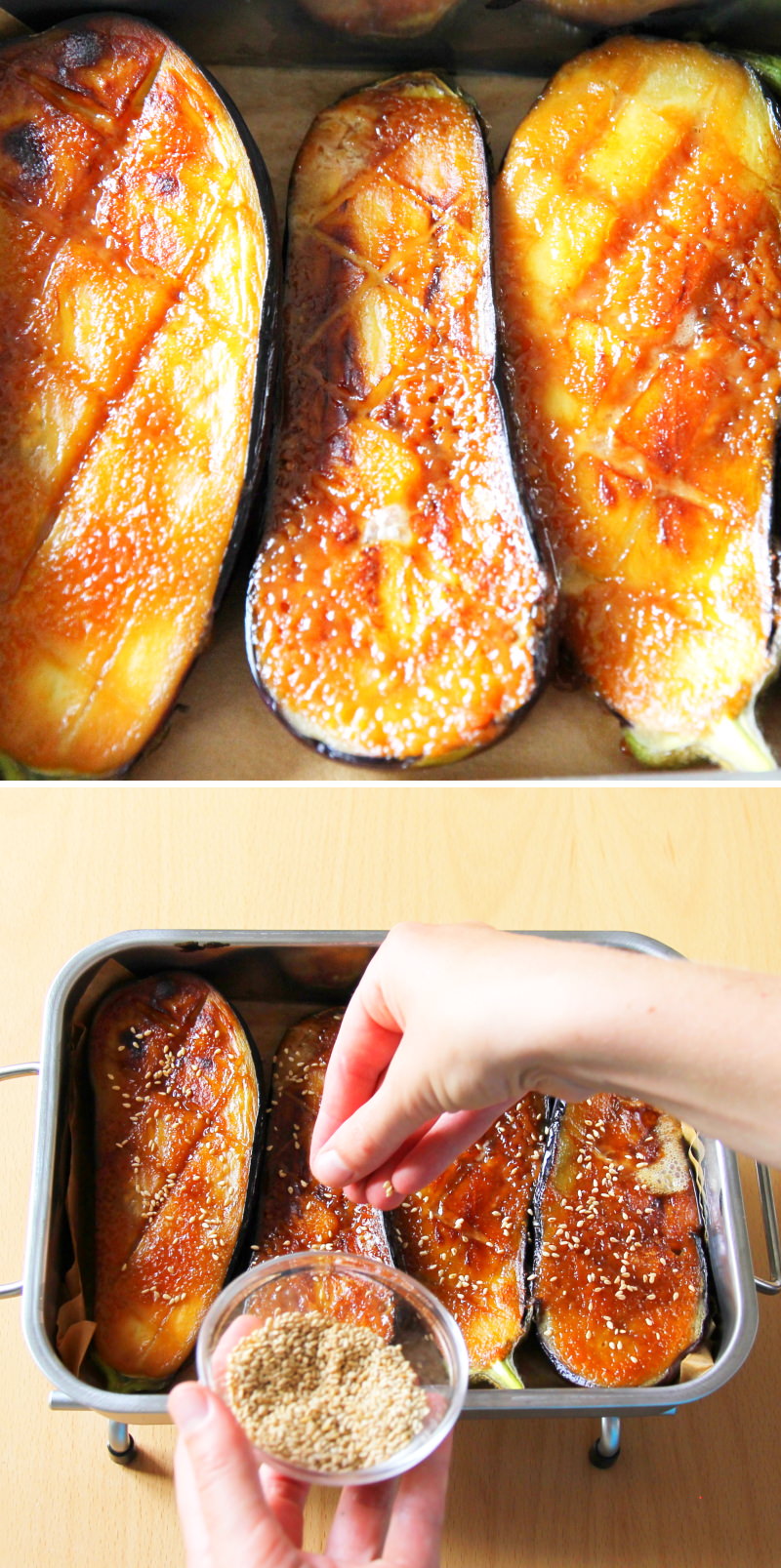
Place the baking dish in the oven on the middle shelf and bake for 5–7 minutes, until the glaze begins to bubble and is slightly absorbed into the aubergine.
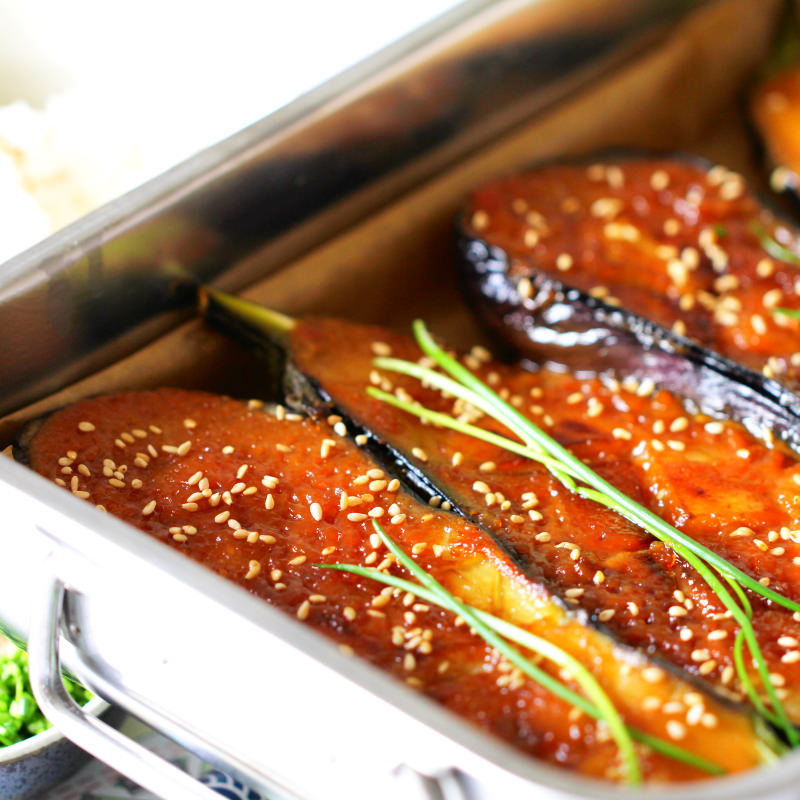
Turn off the oven and remove the dish. Finally, garnish the glazed aubergines with sesame seeds (and any other toppings such as chives).
Step 8
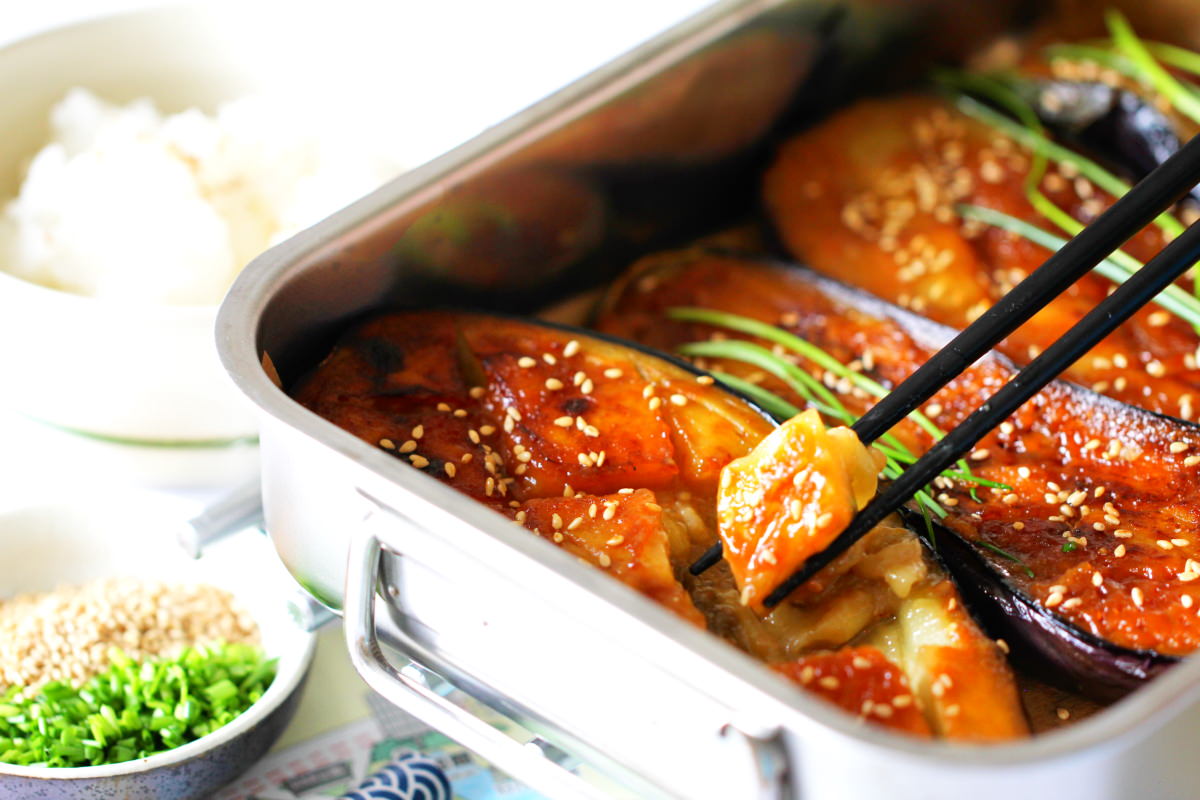
This delicious side dish is best served with freshly cooked Japanese rice and a quick miso soup. Done – Itadakimasu!
This recipe also makes a wonderful addition to a Japanese meal! A small selection of our best main courses that go well with it are:
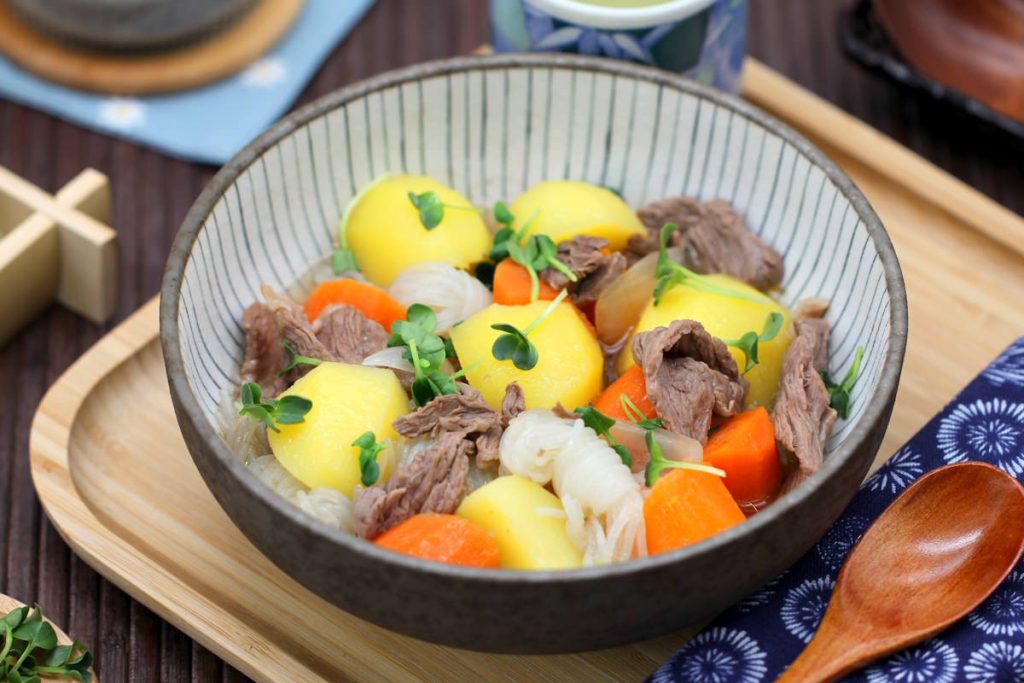
Nikujaga: Japanese potato and beef stew | Recipe for everyday cooking
I ate Nikujaga for the first time at my host family’s house in Fukui. It…
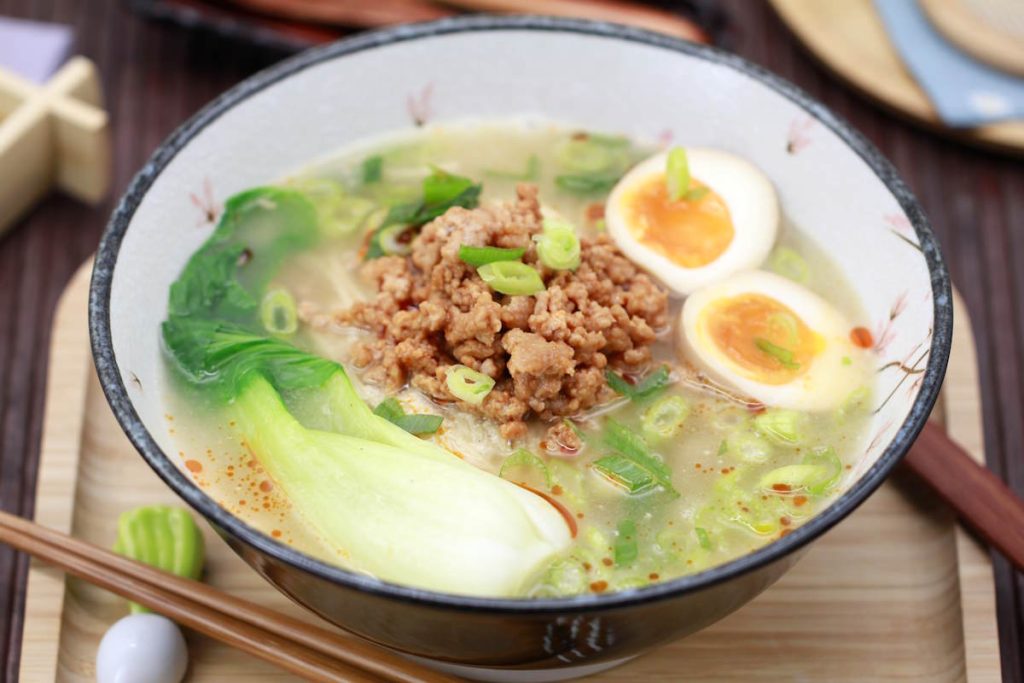
Make your own Tantanmen: creamy sesame Ramen with spicy Miso minced meat, pak choi & ramen eggs
Tantanmen is a Ramen soup for those who like it creamy but not heavy. A…

Make your own Omurice: Japanese omelette with ketchup rice & vegetables | delicious Omuraisu
Omuraisu is one of those dishes that brings an instant smile to almost every Japanese…
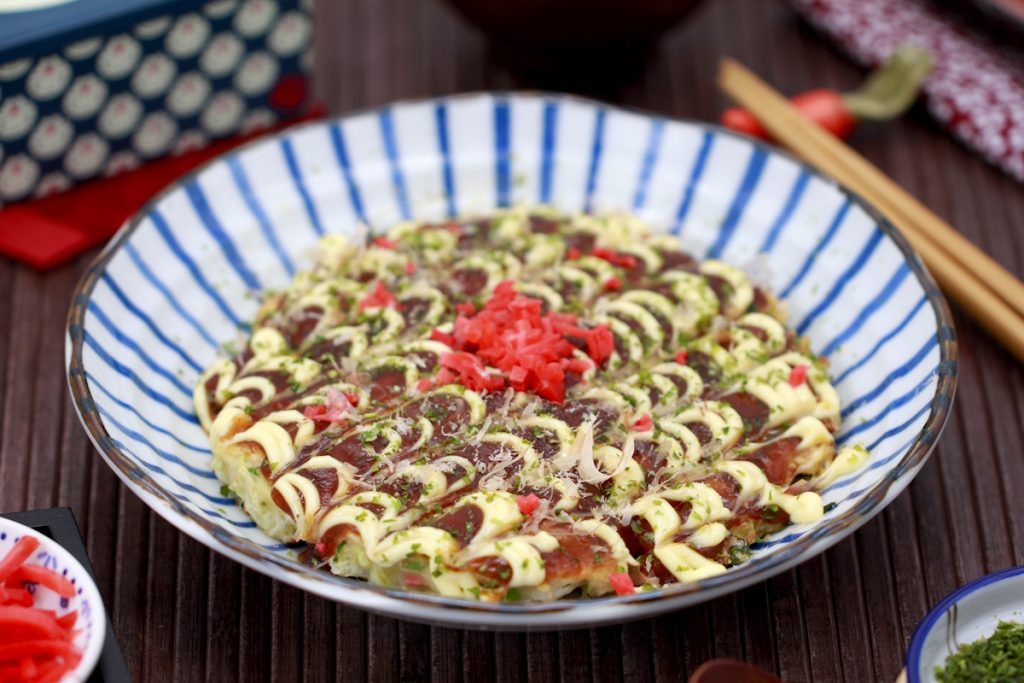
Make the best Okonomiyaki yourself: Basic recipe for Japanese cabbage pancakes, Osaka-style
For me, Okonomiyaki is one of those dishes that instantly puts me in a good…

Make your own crispy Tempura batter: Japanese batter for vegetables & prawns – recipe & tips
When I think of Tempura, I immediately hear that saku saku sound… That delicate crunch…
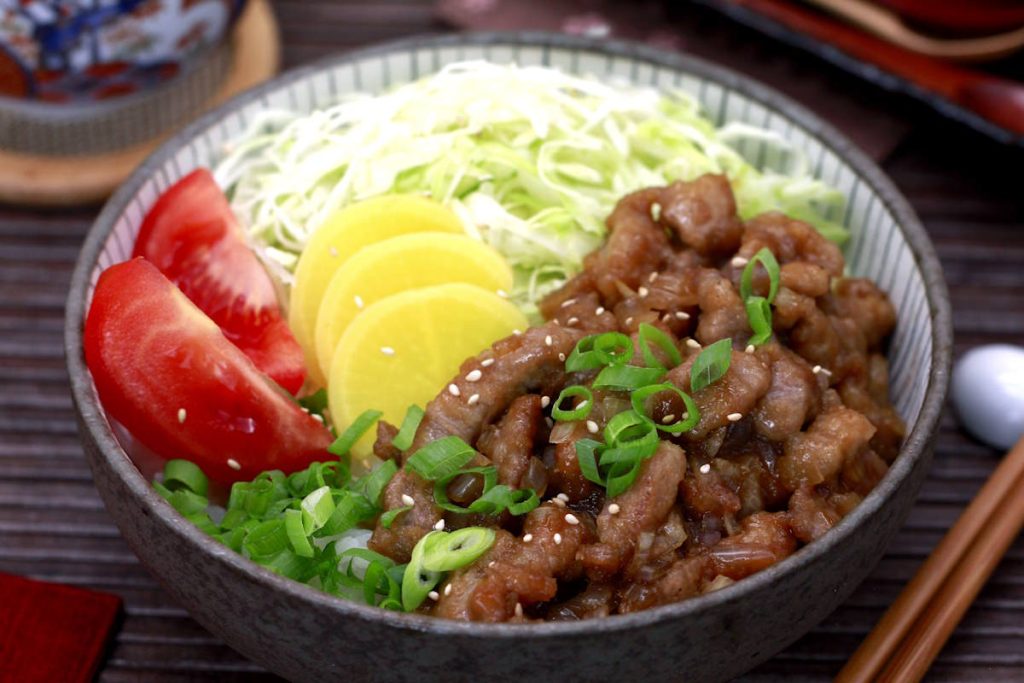
Buta Shogayaki: Make your own Japanese ginger pork with rice, cabbage & Tsukemono
For me, Buta Shogayaki is the perfect Japanese lunch when working from home. It’s quick,…