
Language:


Discover the sweet temptation from Japan: Dorayaki! These delicious little pancakes, which became famous in Germany thanks to the moving film ‘Cherry Blossoms and Red Beans’, are far more than just a treat from an anime.
They are a symphony of fluffy batter and the savoury sweetness of anko, the traditional red bean paste. Get ready to dive into the world of Japanese patisserie and conjure up your own dorayaki with our recipe – a culinary adventure just as delightful as Doraemon’s lifelong quest for these heavenly snacks!
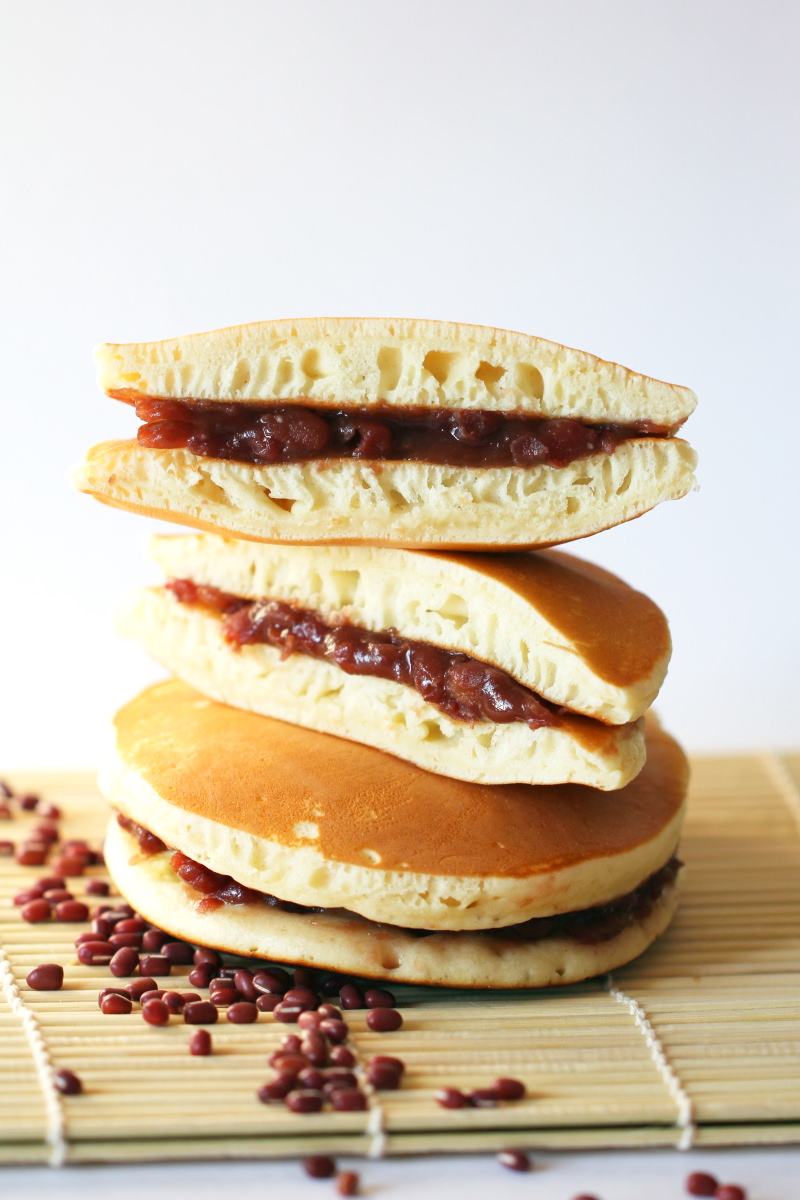
Let’s dive together into the sweet world of wagashi – the artful Japanese treats, amongst which dorayaki stand out as a true explosion of flavour. They are a warm invitation to your palate to embark on a culinary adventure between velvety pancakes and seductively sweet bean paste.
What are dorayaki?
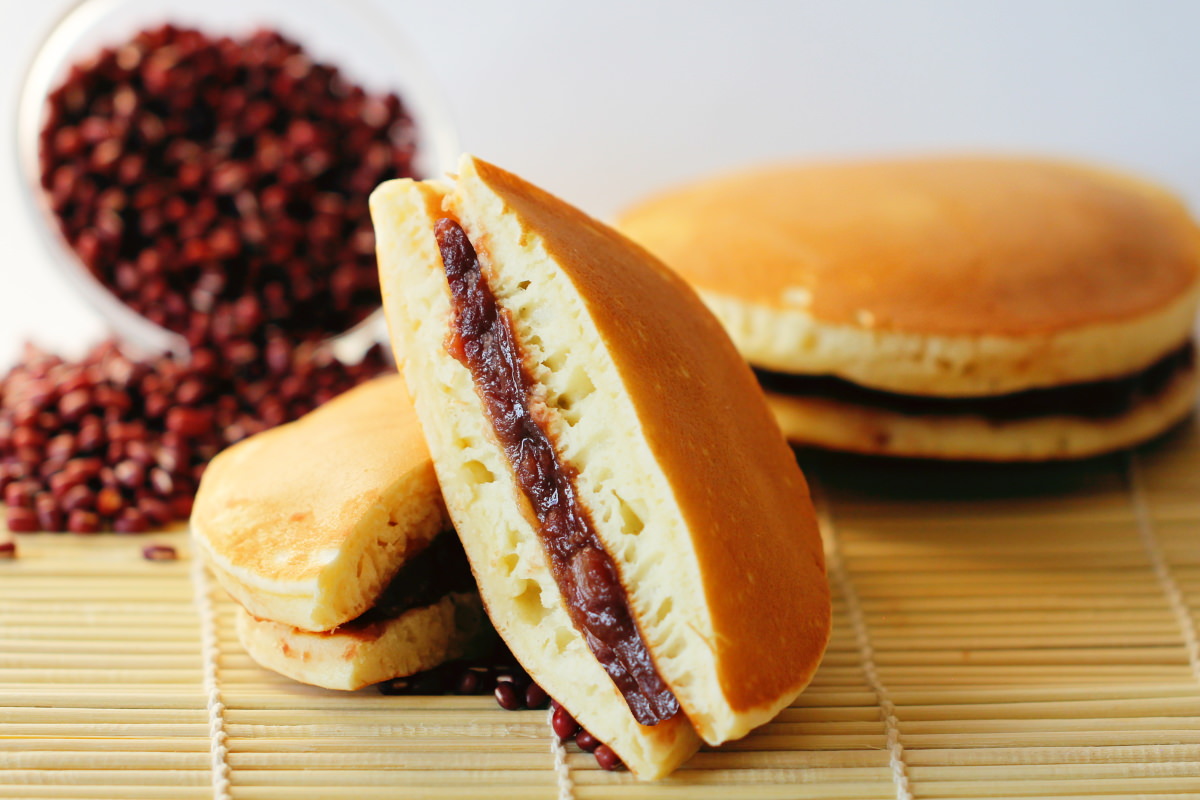
Imagine this: two palm-sized, fluffy pancakes, gently pressed together, enclosing a delicious filling – usually the popular, sweet anko paste made from red adzuki beans. This little sweet treat stands out from the sticky mochi and other sweet snacks you may already be familiar with.
Born from a fusion of East meets West, the history of dorayaki dates back to Tokyo in 1914 and has since undergone an evolution – from a simple pancake with a sweet filling to a charming sandwich-style treat, inspired by the Portuguese Castella cake.
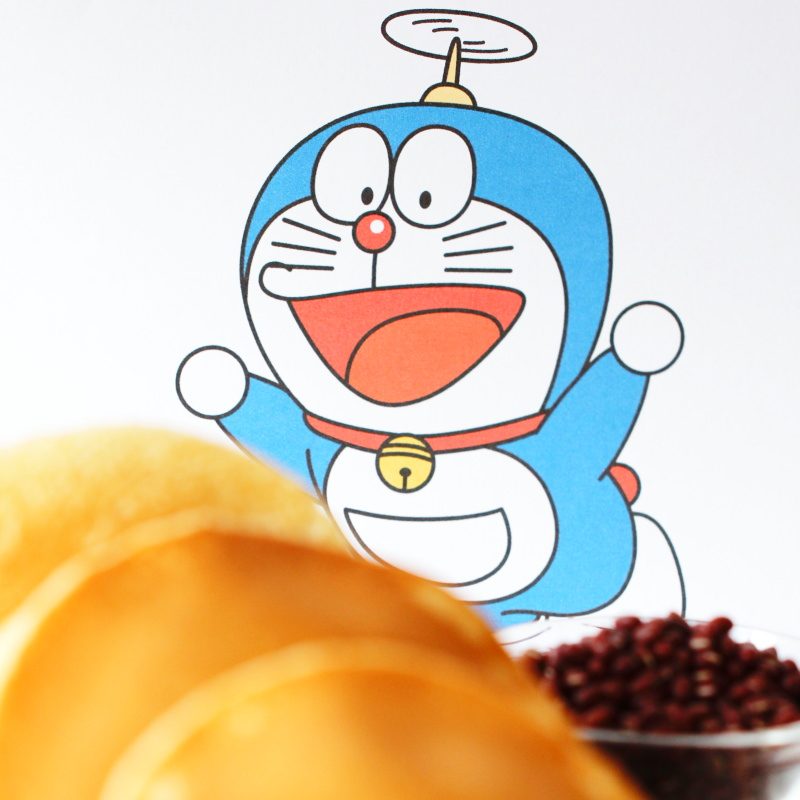
And yes, dorayaki aren’t just a hit in Japan – thanks to the blue robot cat Doraemon, who would do almost anything for them, they have achieved cult status worldwide.
The heart-warming film ‘Cherry Blossoms and Red Beans’ not only introduces you to dorayaki, but also delves deep into Japanese culture without the need for animation.

Incidentally, dorayaki should not be confused with imagawayaki (where the filling is incorporated directly during baking) or taiyaki (a similar sweet treat shaped like a fish)!
Perfect as a snack on the go or a sweet break in your daily routine – in Japan, you’ll find food stalls on every corner preparing these little pancakes fresh. But why not bring a piece of this culture home with you? With this recipe, you can create a taste experience for yourself that sends your senses on a journey. Let’s discover and enjoy the magic of dorayaki together!
Make your own dorayaki
Dorayaki, the sweet, filled pancakes, are a real treat in Japan that you can enjoy on every corner – from convenience stores to street stalls, they can be found everywhere.
In Germany, these little delicacies are still an insider’s tip, which means: it’s time to get creative and take the pleasure of making dorayaki into your own hands!
With these simple instructions, you’ll discover how to conjure up authentic dorayaki at home in just three easy passages:
- Make the batter for dorayaki
- Cook the pancakes properly
- Choose a delicious filling
The basis of every dorayaki is the round, slightly sweet and light pancake. The filling is then spread in the centre of a cooked pancake and folded over with a second one.
You will need the following ingredients for dorayaki:
- Flour
- Starch
- Baking powder
- Sugar
- Honey
- Milk
- Egg
- 200 g anko (sweet red bean paste – to the recipe)
The ingredients are mixed in two steps to form a smooth batter without lumps, then poured one by one into a lightly oiled pan and cooked on both sides.
I have a great vegan recipe idea for dorayaki for you here: simply replace the milk with soya milk in the recipe and add 1 tbsp maple syrup to the batter – and leave out the egg and honey. The result will be a little softer than ‘normal’ dorayaki, but it’s a brilliant vegan alternative!
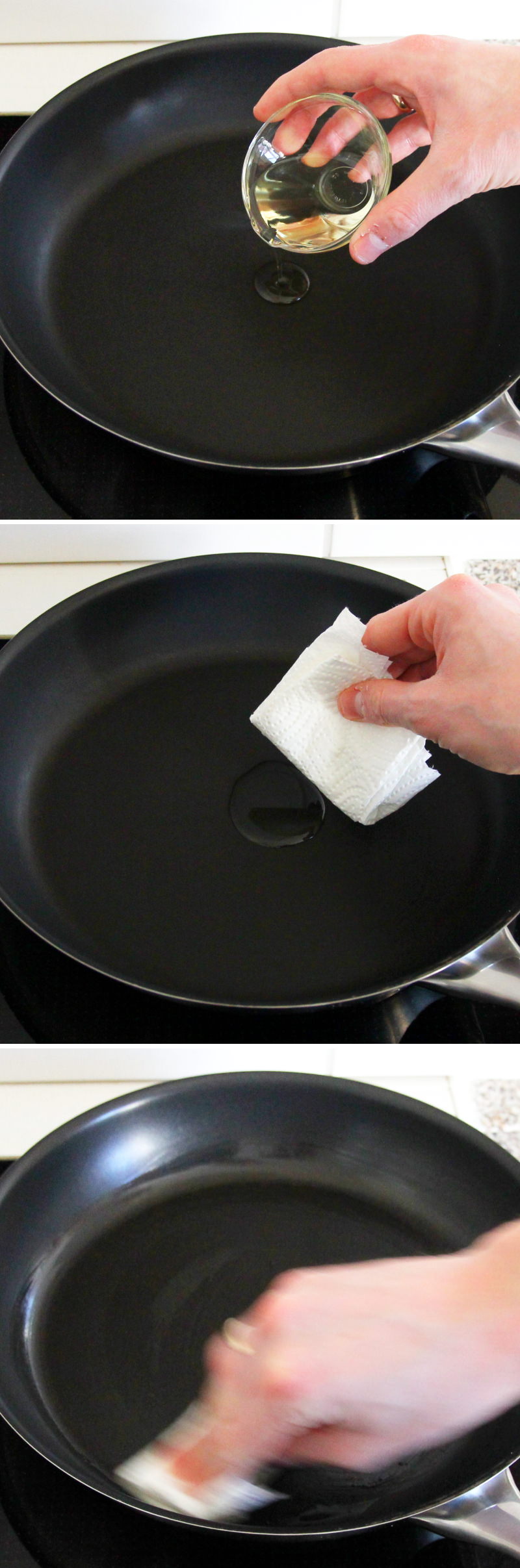
To make your dorayaki, all you need is a non-stick frying pan, a little oil and a spatula. Simply spread a little oil in the pan using a kitchen paper towel to create a thin film.
Heat the pan over a medium heat and pour in the batter. Cook the pancake for about 2 minutes until bubbles form and the edges look dry, then gently flip it over and cook for another minute. Remove it from the pan and cover with a damp cloth to keep it soft and moist.
Delicious dorayaki fillings:
The fillings for dorayaki are as varied as Japanese creativity. From classic red bean paste to your own creative concoctions, you can experiment to suit your taste. The most popular fillings for dorayaki in Japan are:
- Anko (Japanese red bean paste) – the classic: Azuki Dorayaki
- Mochi (sticky rice cake with anko) – Mochi dorayaki
- Chestnut cream (whole chestnuts with anko) – Kuri dorayaki
- Matcha cream (finely ground green tea in almond cream) – Matcha Dorayaki
- Vanilla custard cream (also known as custard cream) – Purin Dorayaki
- Buttercream with yuzu (Japanese citrus fruit) – Yuzu Dorayaki
What exactly is red bean paste?
Anko, the red bean paste, comes in two varieties: Tsubuan, which retains its chunky texture, and Koshian, which is passed through a sieve to achieve a smooth consistency. The Tsubuan variety is particularly suitable for dorayaki. You can find a recipe for homemade anko here:
No post found!
Dorayaki is more than just a sweet treat; it is an invitation to discover the fascination of Japanese cuisine. With this recipe, you can bring a piece of traditional Japanese confectionery art straight into your kitchen and delight yourself and your guests with an exquisite taste experience.
If you have any questions or would like to share your own experiences, please feel free to leave a comment below the recipe. I hope you have lots of fun and success baking your own dorayaki!
Dorayaki with Anko
Makes 4 | 20 minutes | 326 kcal
🖨️ Print PDF 📌 Save pinDiscover this sweet temptation from Japan: dorayaki! They are a symphony of fluffy batter and the rich sweetness of anko, the traditional red bean paste. Get ready to dive into the world of Japanese patisserie and conjure up your own dorayaki with our recipe – a culinary adventure just as delightful as Doraemon’s lifelong quest for these heavenly snacks!
Ingredients (4 pieces)
1 egg
140 ml milk
1 tbsp oil (e.g. rapeseed oil)
1 tsp honey
Flour mixture for dorayaki:
140 g flour (e.g. wheat)
15 g cornflour
5 g baking powder
40 g sugar
Filling:
200 g anko (sweet red bean paste – see recipe)
Preparation (20 minutes)
Step 1
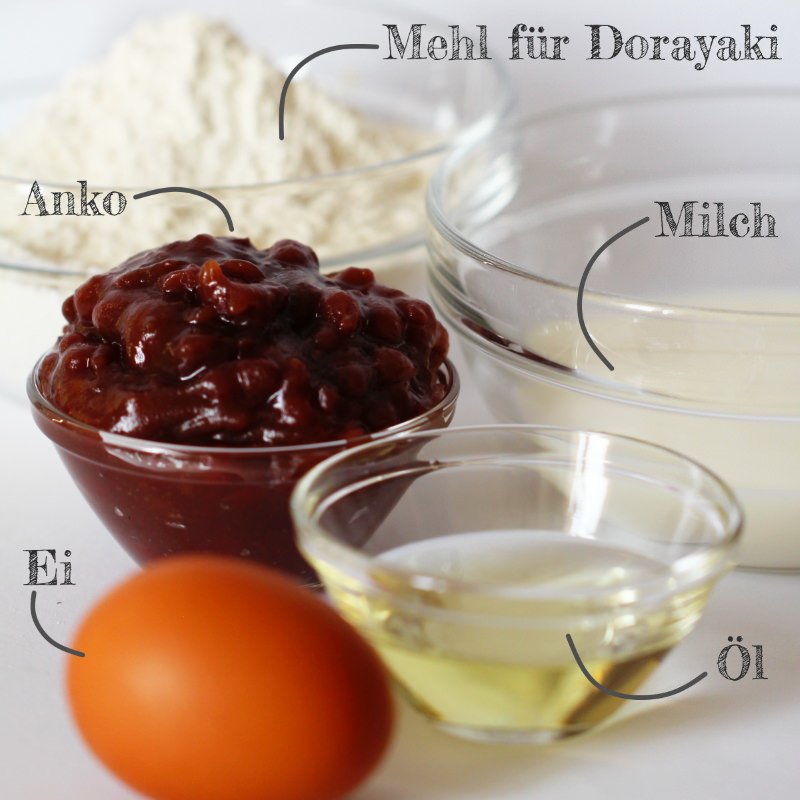
Ingredients for the homemade dorayaki with sweet anko filling ready (click here for the recipe for the homemade anko filling).
Step 2
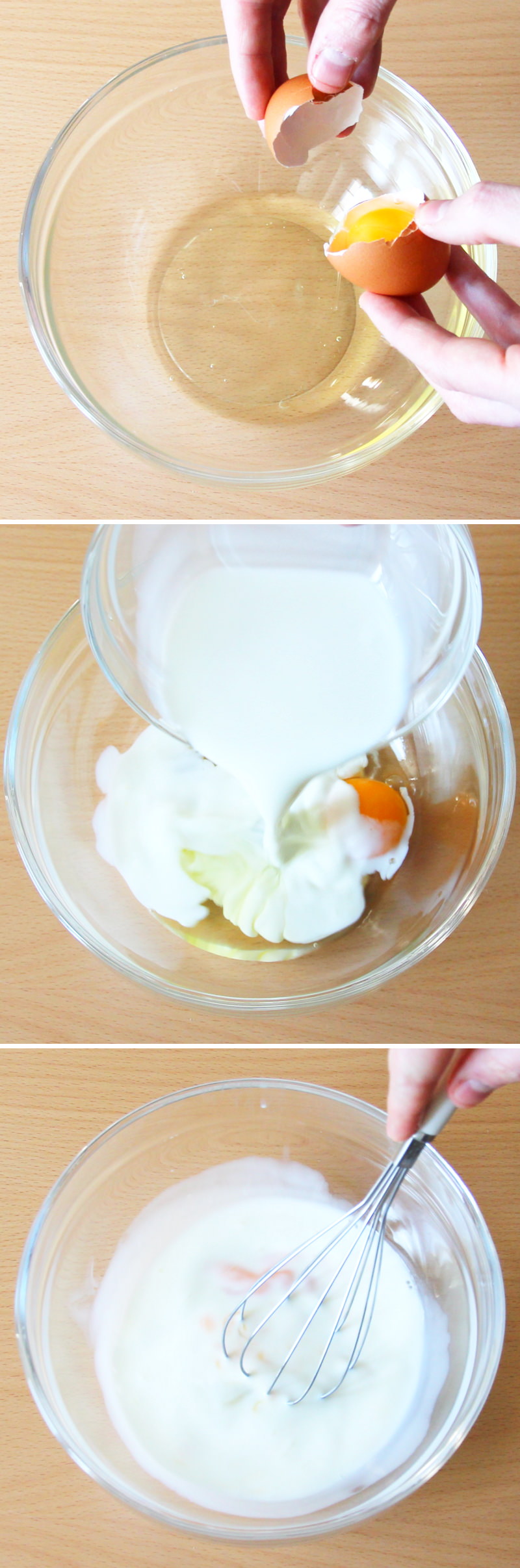
Place the egg in a large bowl and add the milk and the honey . Whisk everything together.
Step 3
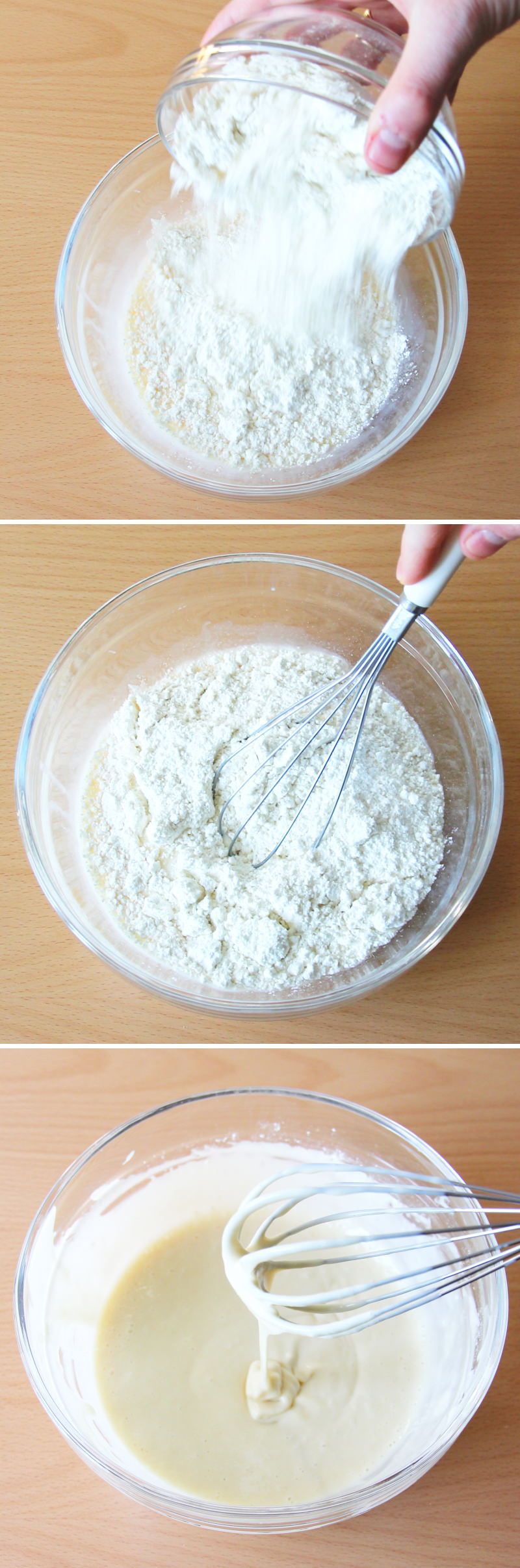
Sift the individual ingredients for the homemade flour mixture into a second bowl, mix together and add to the egg and milk mixture. Whisk everything together until a smooth batter without lumps forms.
Step 4
Pour the oil into a non-stick frying pan and spread it around the pan with a piece of kitchen paper to create a very light film.

Step 5
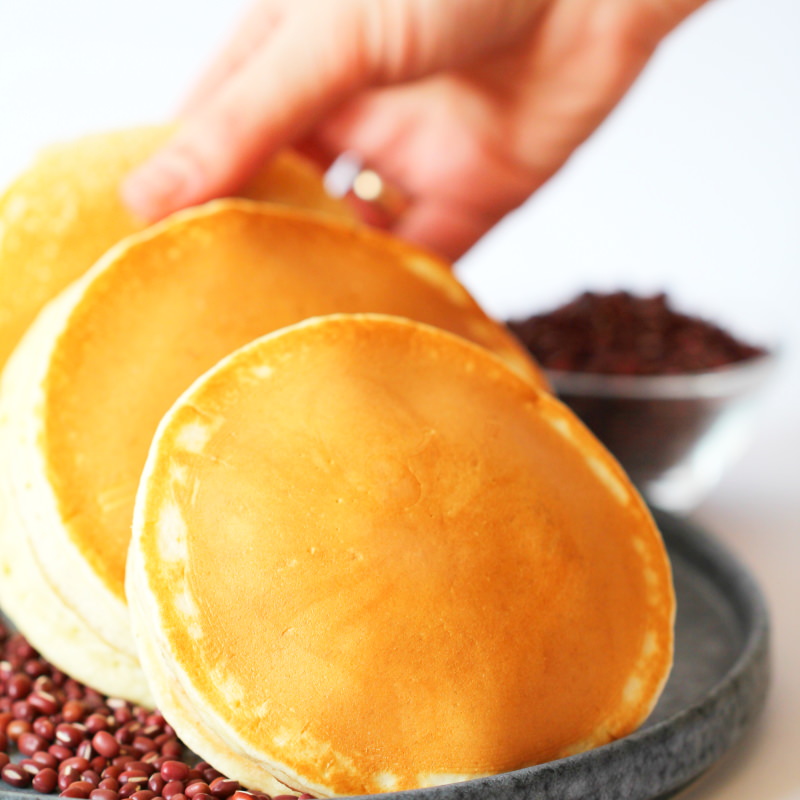
Heat the pan over a medium heat and pour a portion of the batter (about 1/8 of the batter) into the pan using a ladle. Tip: Pour the batter into the pan from a height; this will help the pancake form a round shape. Cook the pancake for 2 minutes until lots of small bubbles form on the surface and the edges start to dry out. Now flip it carefully with a gentle flick and cook for another 1 minute. Remove the pancake from the pan and place it on a plate or a clean work surface. Cover with a damp tea towel. Continue until all the batter has been used up – the batter made from 200g of flour is enough for 8 pancakes.
Step 6
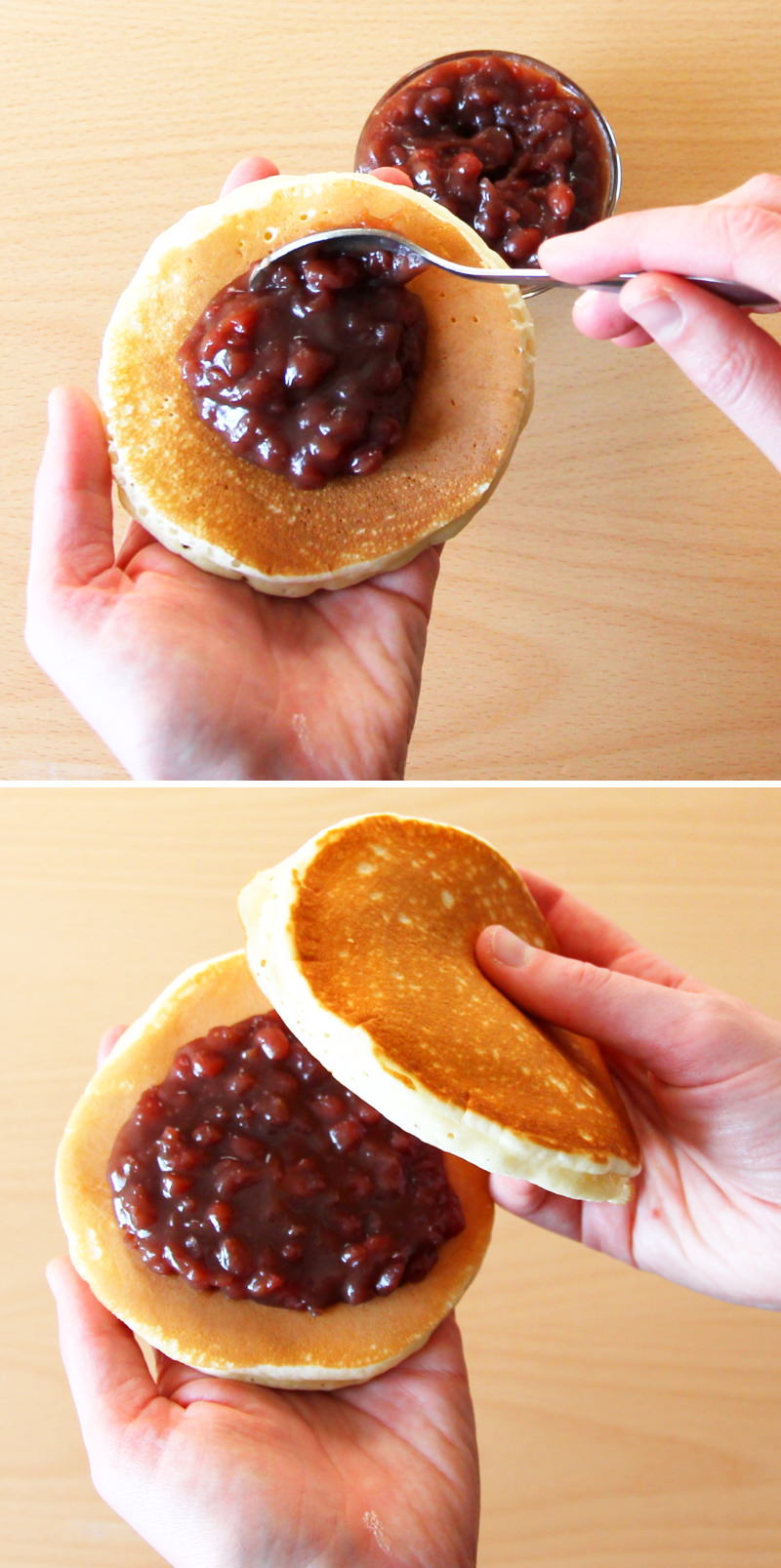
Place one of the cooked pancakes in the palm of your hand and spread approximately 50g anko in the centre. Cover with a second pancake and press the edges together lightly. Repeat with all the pancakes until you have made 4 dorayaki.
Step 7
Wrapped in cling film or stored in an airtight container, they stay fresh for longer and are perfect for a day out. But they taste best fresh from the pan. Done – Itadakimasu!
Of course, there are plenty of other dishes that go really well with this recipe for the whole family! Here you’ll find my favourite recipe ideas from Japan:
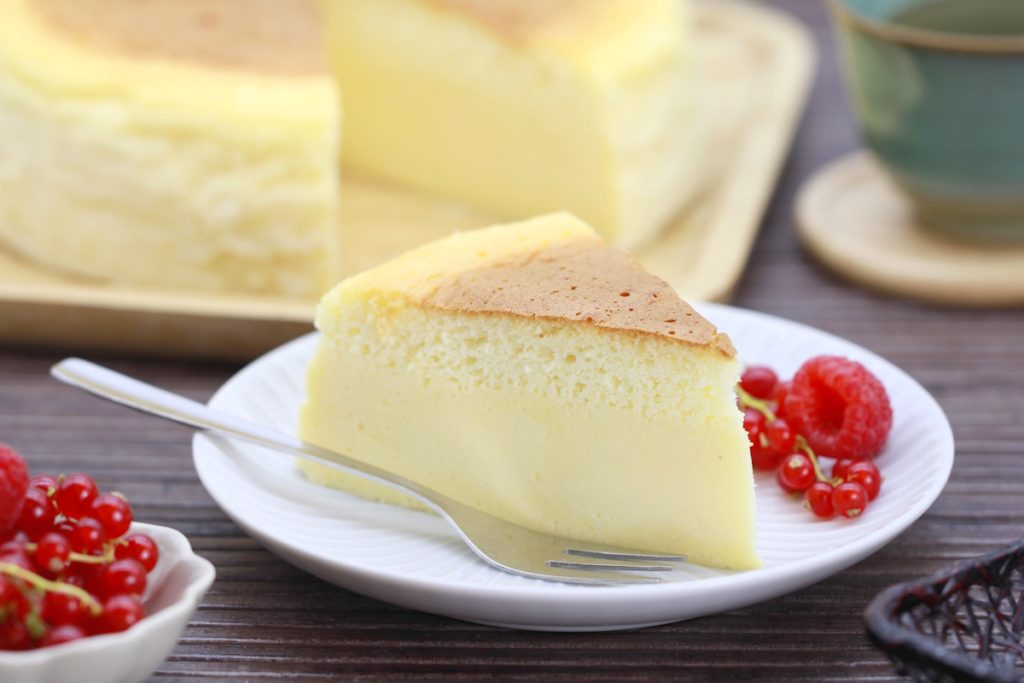
Japanese cheesecake: The best recipe for a fluffy soufflé-style cheesecake just like in Japan
Japanese cheesecake is one of Japan’s most popular desserts and delights with its exceptionally light and airy texture. Unlike classic…
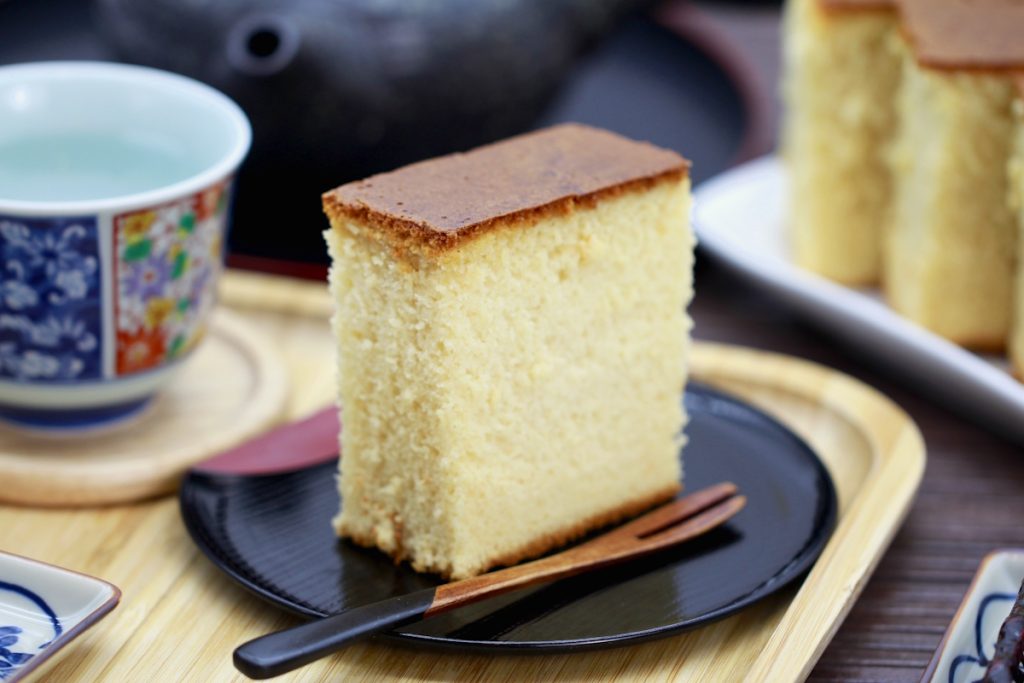
How to make Castella (Kasutera) yourself: How to make this Japanese honey cake
Why is Castella often described as Japan’s moistenest cake? Although Kasutera consists of just a few ingredients, the special preparation…
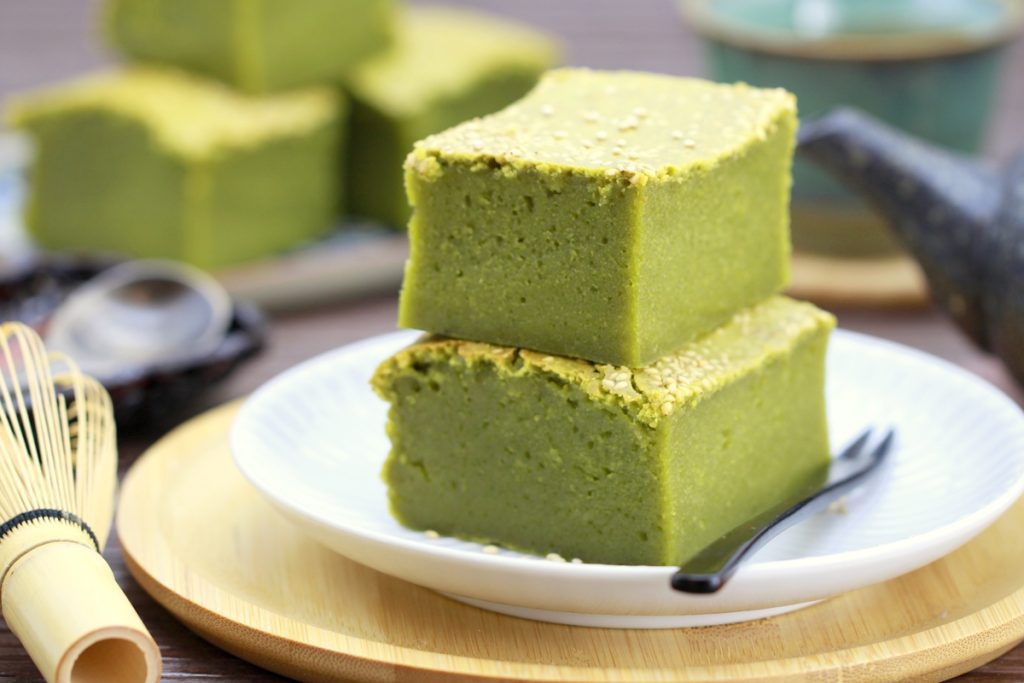
Make your own Matcha butter Mochi: Hawaiian Mochi cake with green tea
If you drink Matcha regularly, you might be familiar with this: at some point, you end up with more Matcha…
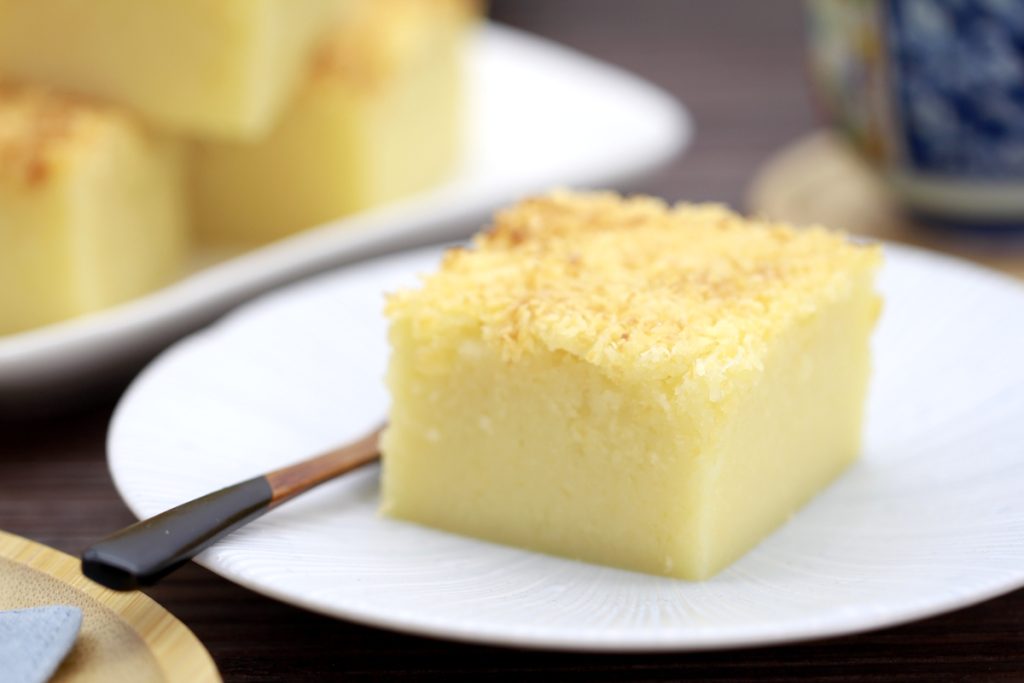
Butter Mochi (Hawaiian Mochi Cake – gluten-free)
Butter Mochi is one of those recipes that’s hard to pigeonhole. It looks like a simple tray bake, but has…
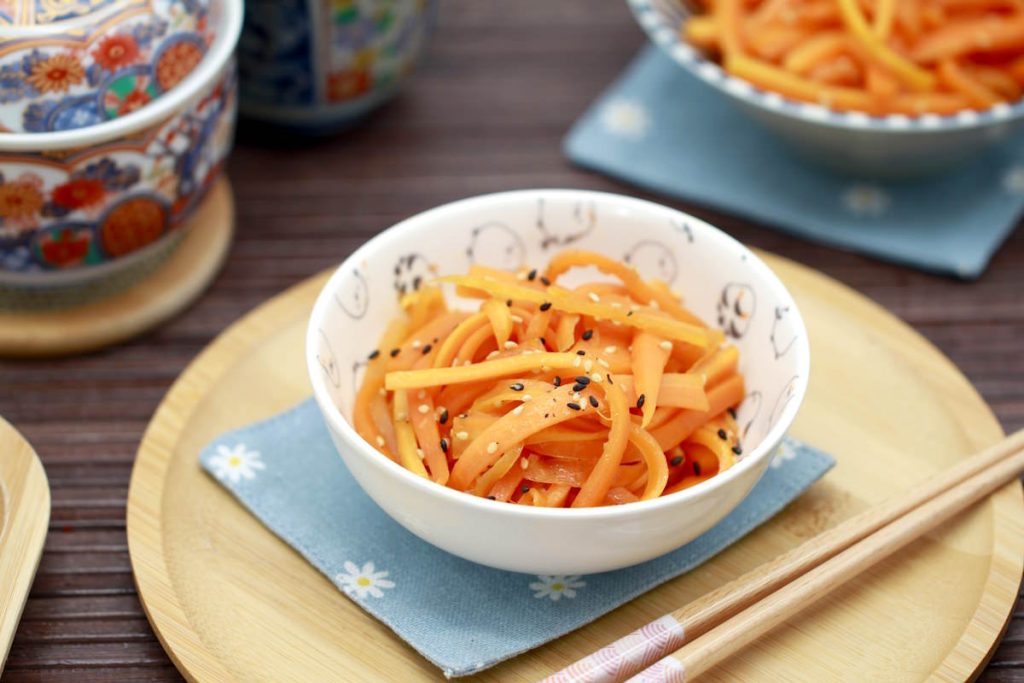
Make your own Ninjin no Kinpira: Japanese carrot side dish in the Kinpira style
Ninjin no Kinpira is a simple Japanese side dish made from finely sliced carrots, which are briefly stir-fried and then…
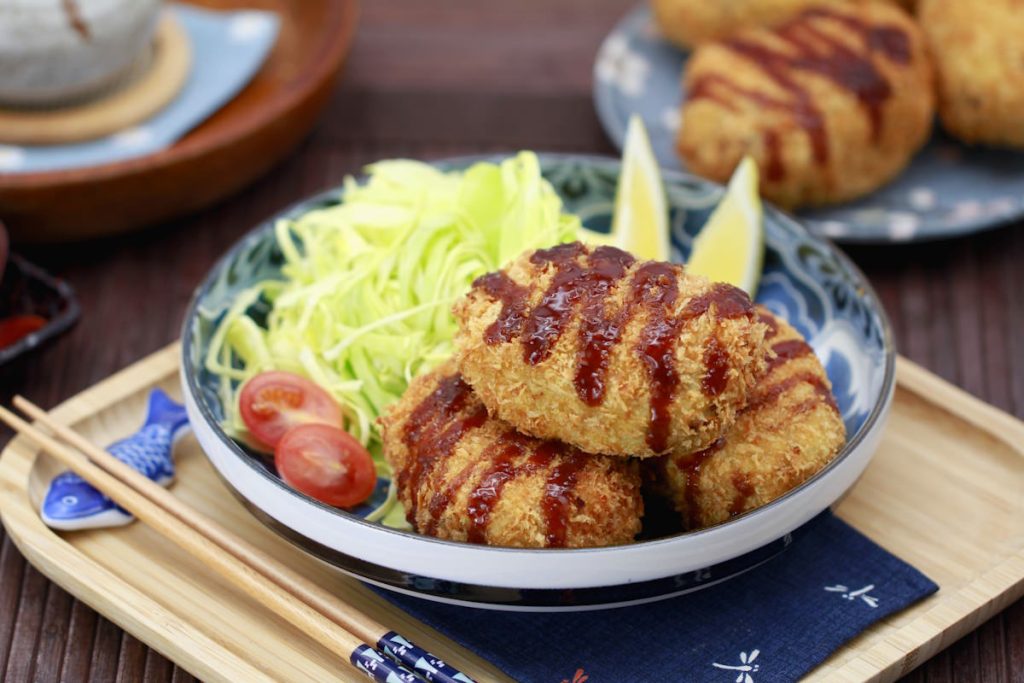
Korokke: Make your own Japanese croquettes | delicious street food from Japan
Korokke are among the best-known everyday fried dishes in Japanese cuisine. They combine simple ingredients with a straightforward technique and…