Language:


Did you know that you can pickle fresh vegetables using miso paste and Mirin? This variation on Japanese Tsukemono is known as misozuke. It’s super easy to make and will surprise you with an unmistakable Umami flavour!
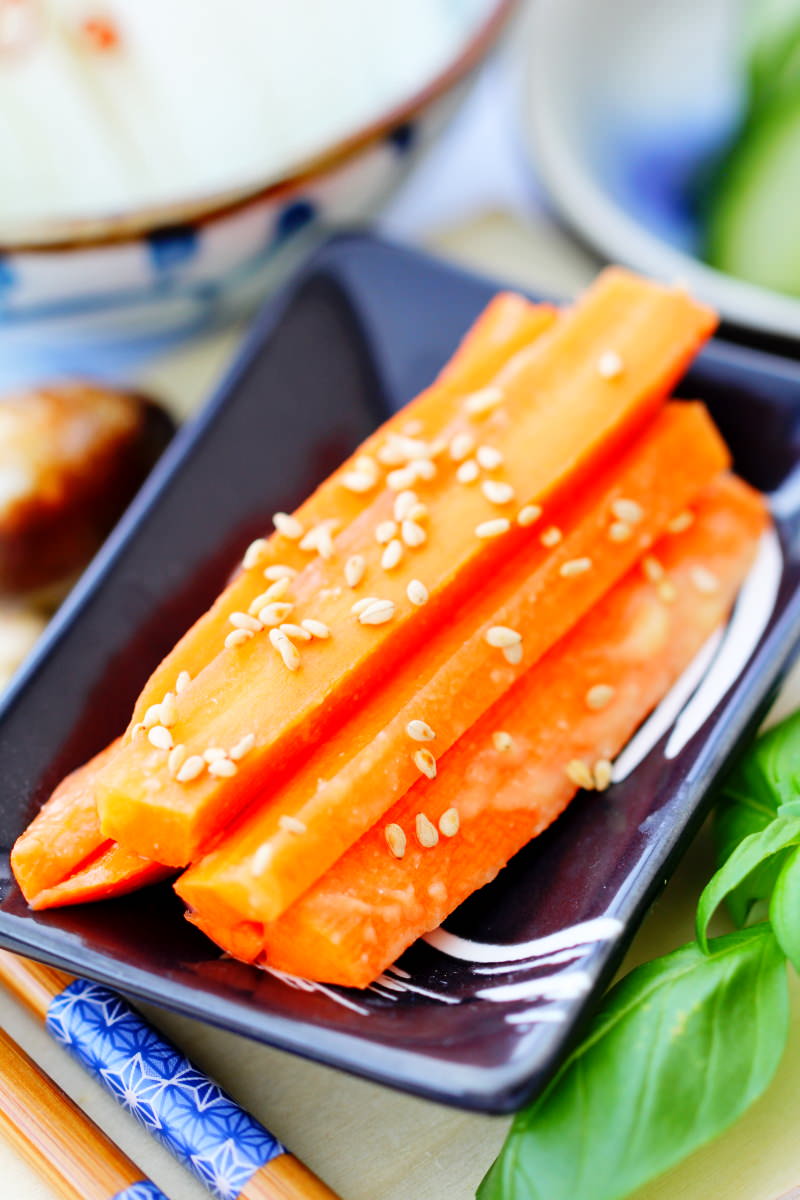
Misozuke, which literally means ‘pickling (zuke) in Japanese soya bean paste (Miso)’, is one of the simplest types of Japanese pickled vegetables, collectively known as Tsukemono. Tsukemono was prepared in Japan from very early on as a means of preserving food . Over the years, this has become an important part of the Japanese diet. However, it is essential to bear in mind the preparation time, as the vegetables need to be left to marinate in the fridge for at least 2 days!
To turn the fresh carrots in this recipe into a flavourful side dish, we use Shiro miso paste – a light-coloured paste made from fermented soya beans – which is a must-have for seasoning a wide variety of Japanese dishes (both savoury and sweet) dishes. For this light Miso paste, soya beans undergo a shorter fermentation period, which gives it a milder and rather sweeter flavour compared to darker Miso pastes:
CUSTOMER FAVOURITE
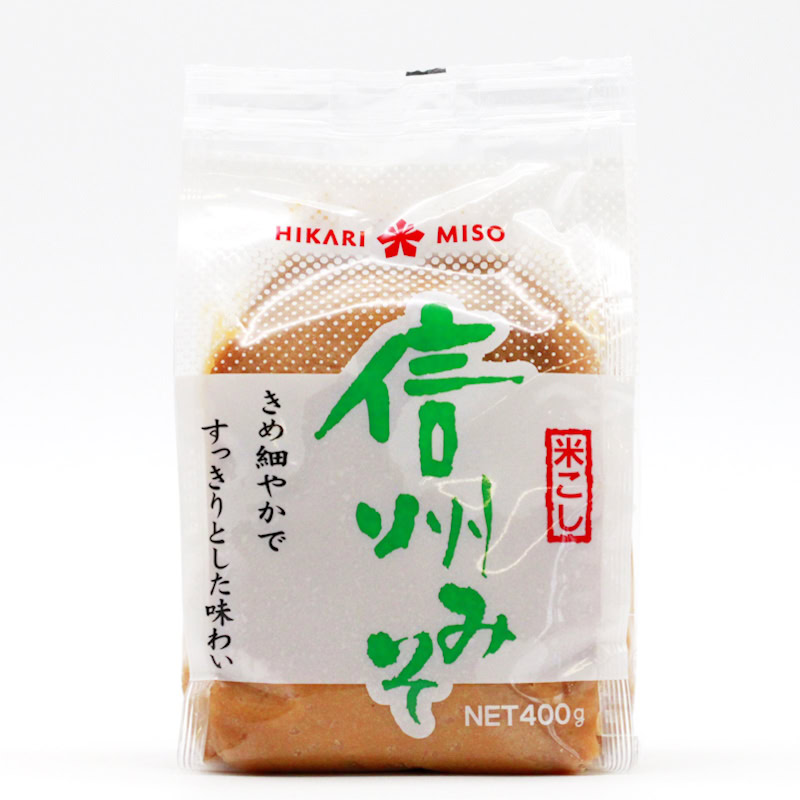
Miso Paste Shinshu Shiro 400 g (aus Japan)
Helle japanische Miso Paste für Suppen, Marinaden & Dressing. Diese Shinshu Shiro Miso Paste von Hikari ist eine helle, mild fermentierte Würzpaste aus Sojabohnen. Sie…
In stock
Mirin, on the other hand, is a sweet rice wine that is widely used in Japanese cuisine. This sweet seasoning sauce, which is brewed from fermented rice, harmonises with every conceivable other ingredient and intensifies the flavour of many Japanese dishes: Mirin lends sauces, dressings and marinades a delicious sweetness and ensures a balanced, aromatic smoothness.
Thanks to its excellent natural flavour, the Hon Mirin variety in particular is used as an essential basic ingredient in countless dishes:
CUSTOMER FAVOURITE
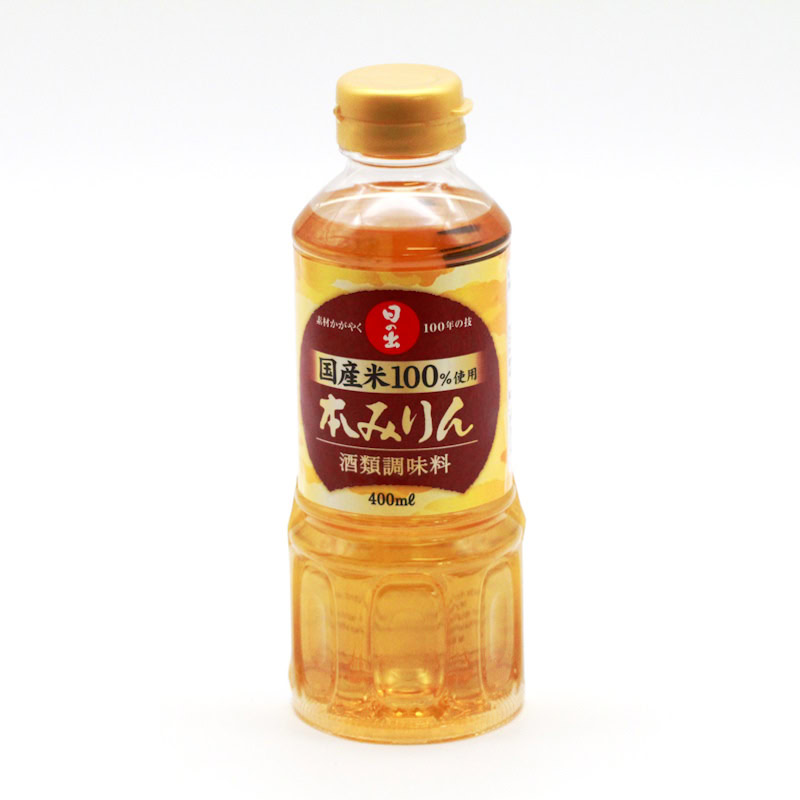
Hon Mirin 400ml (der Echte, aus Japan)
Japanischer süßer Kochwein für Teriyaki, Karaage & japanische Saucen. Hon Mirin von Hinode ist ein traditioneller japanischer Kochwein aus Reis und Koji mit natürlicher Süße…
In stock
The great thing about misozuke is that you can simply enjoy the pickled vegetables with freshly cooked rice. Incidentally, the radishes and carrots pickled in Miso are perfect for anyone following a vegetarian or vegan diet! Other well-known types of Tsukemono include:
- Shiozuke – salt,
- Misozuke – Miso and
- Amasuzuke – sugar and vinegar.
In Japan, Tsukemono is practically a staple of Japanese meals. They are usually served with rice and are considered an essential accompaniment to Japanese meals! And the best bit? Homemade misozuke-style Tsukemono made from carrots is ready in just a few steps:
Misozuke
serves 6 | 10 minutes | 44 kcal
🖨️ Print PDF 📌 Save to PinterestDid you know that you can pickle fresh vegetables with Miso paste and Mirin? This variation of Japanese Tsukemono is known as misozuke. It’s super easy to make and will surprise you with its unmistakable Umami flavour!
Ingredients (6 portions)
500 g carrots (or other vegetables such as gherkins, daikon radish, kohlrabi or radishes)
1 tbsp Miso paste (im Shop ansehen)
1 tbsp Mirin (im Shop ansehen)
Method (10 minutes + 2 days in the fridge)
Step 1
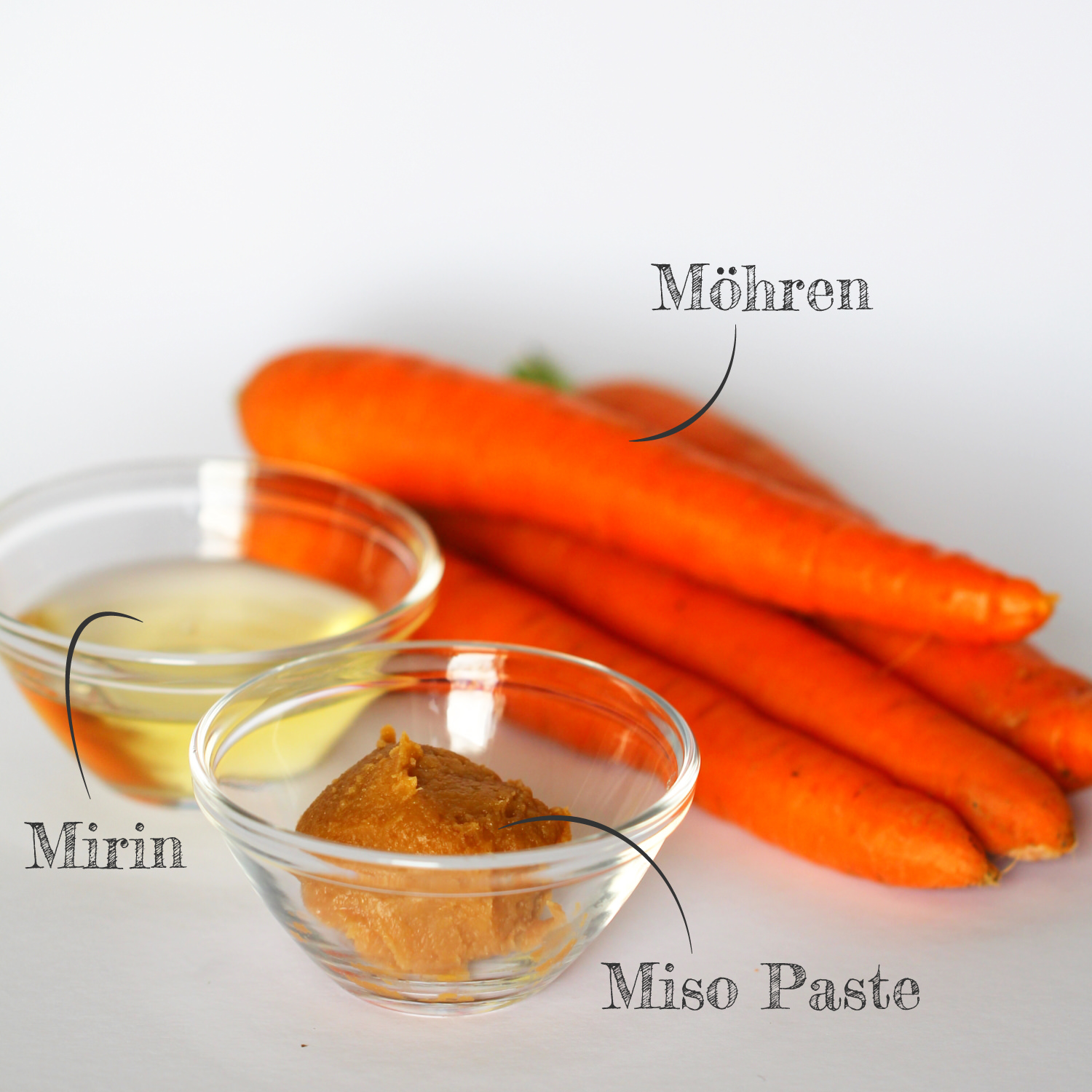
Prepare the ingredients for the Misozuke-style pickled carrots.
Step 2
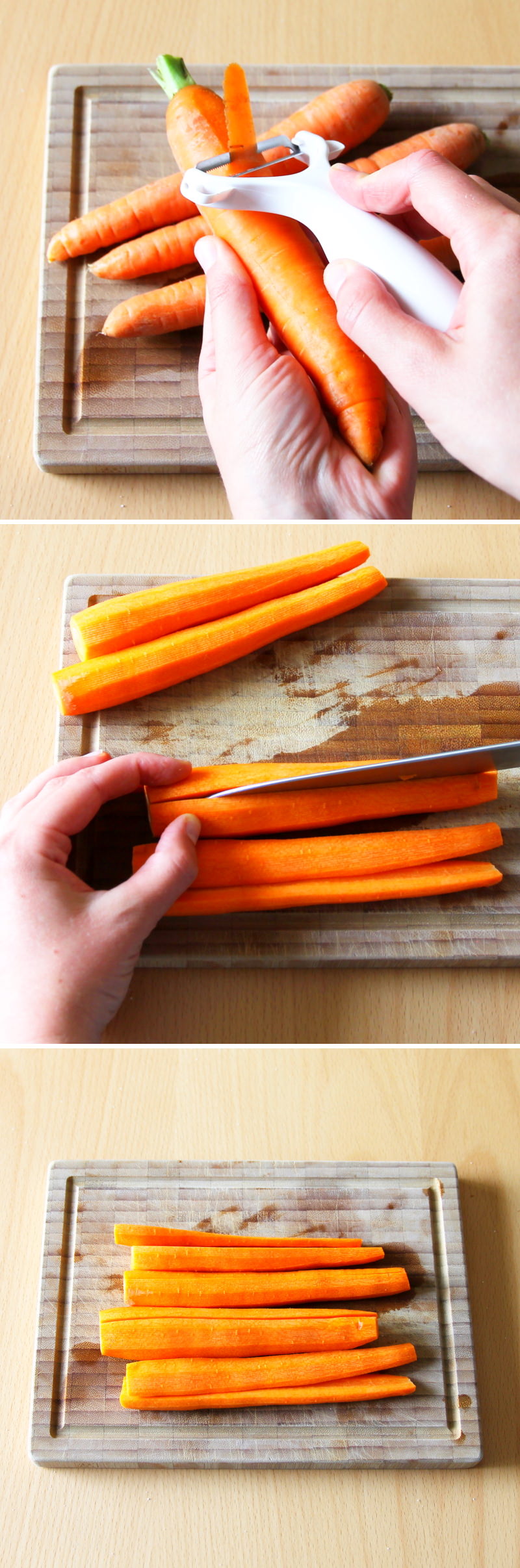
To begin with, peel the carrots , trim off the ends and cut them in half lengthways using a large, sharp knife.
Step 3
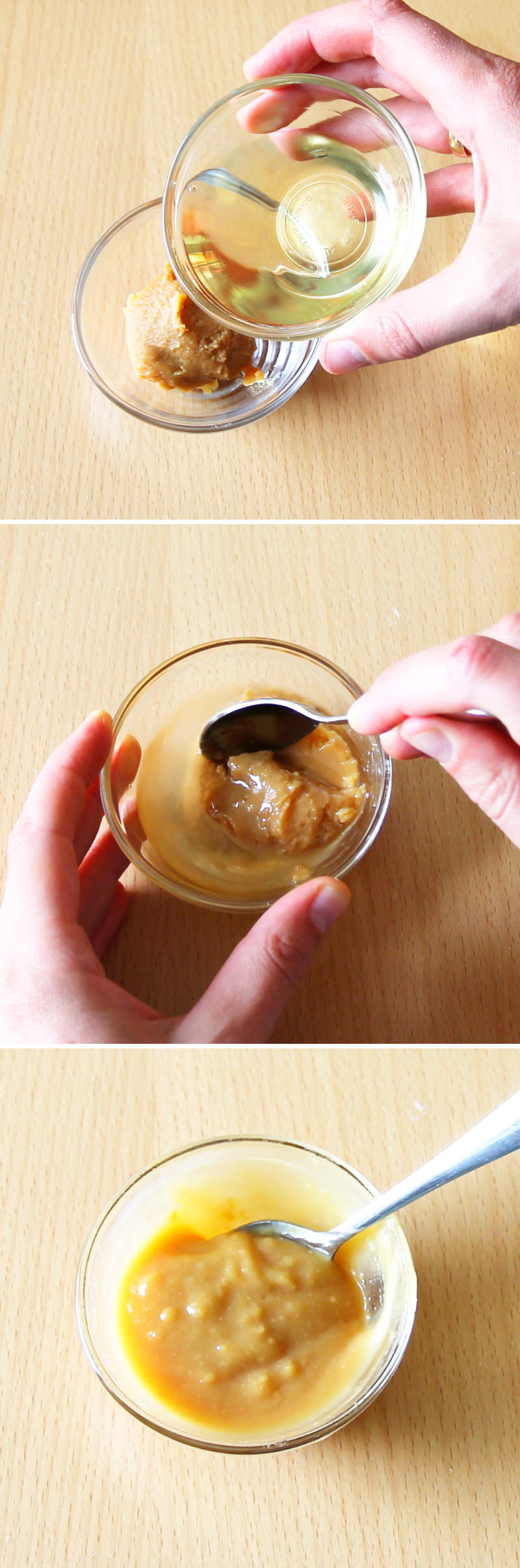
Mix the miso paste and the Mirin for the misodoko (marinade for misozuke) in a small bowl.
Step 4
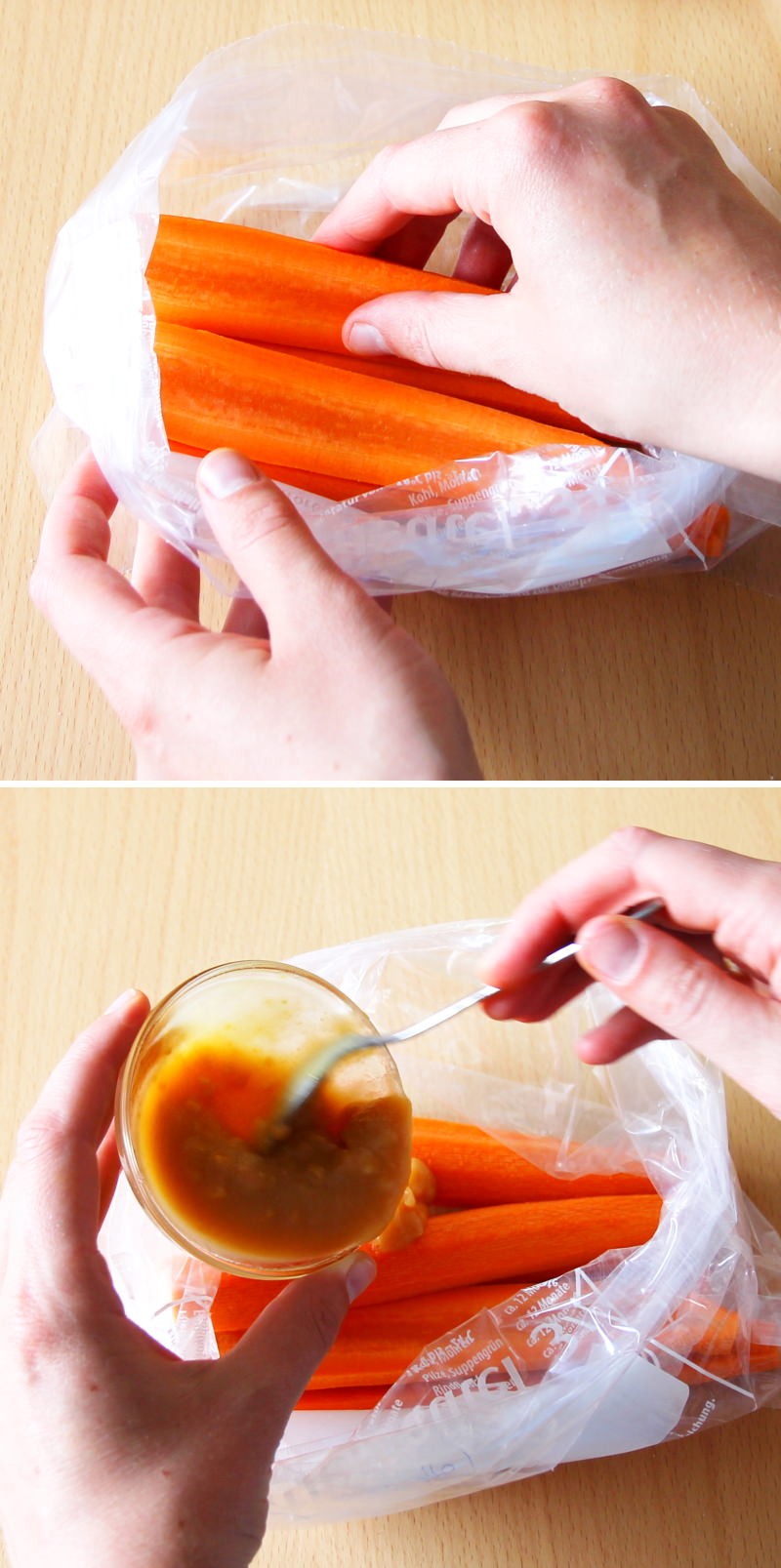
Place the carrots in a resealable plastic bag (e.g. a freezer bag) and add the misodoko.
Step 5
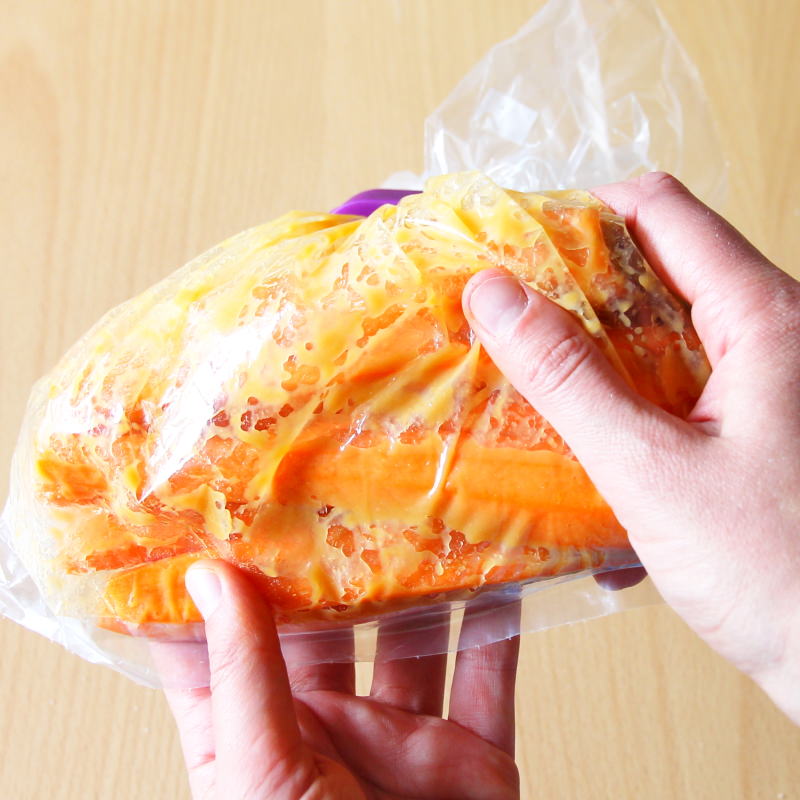
Let the air escape from the bag, seal the top and shake vigorously with both hands, massaging the contents in, so that everything is well mixed. Place the tightly sealed bag in the fridge for 2 days and give the contents a shake every now and then (ideally in the morning and evening).
Step 6
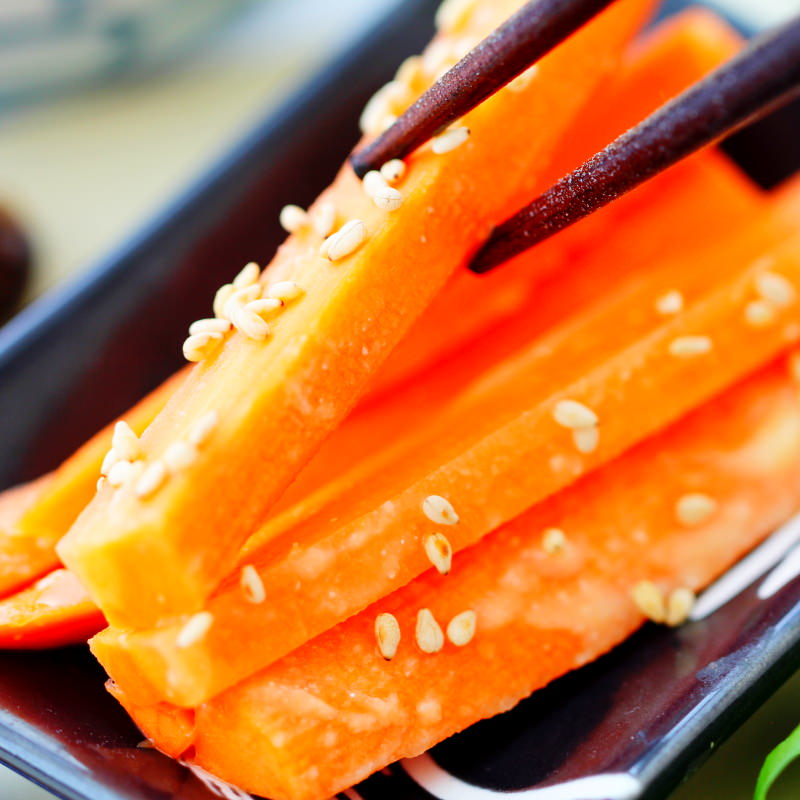
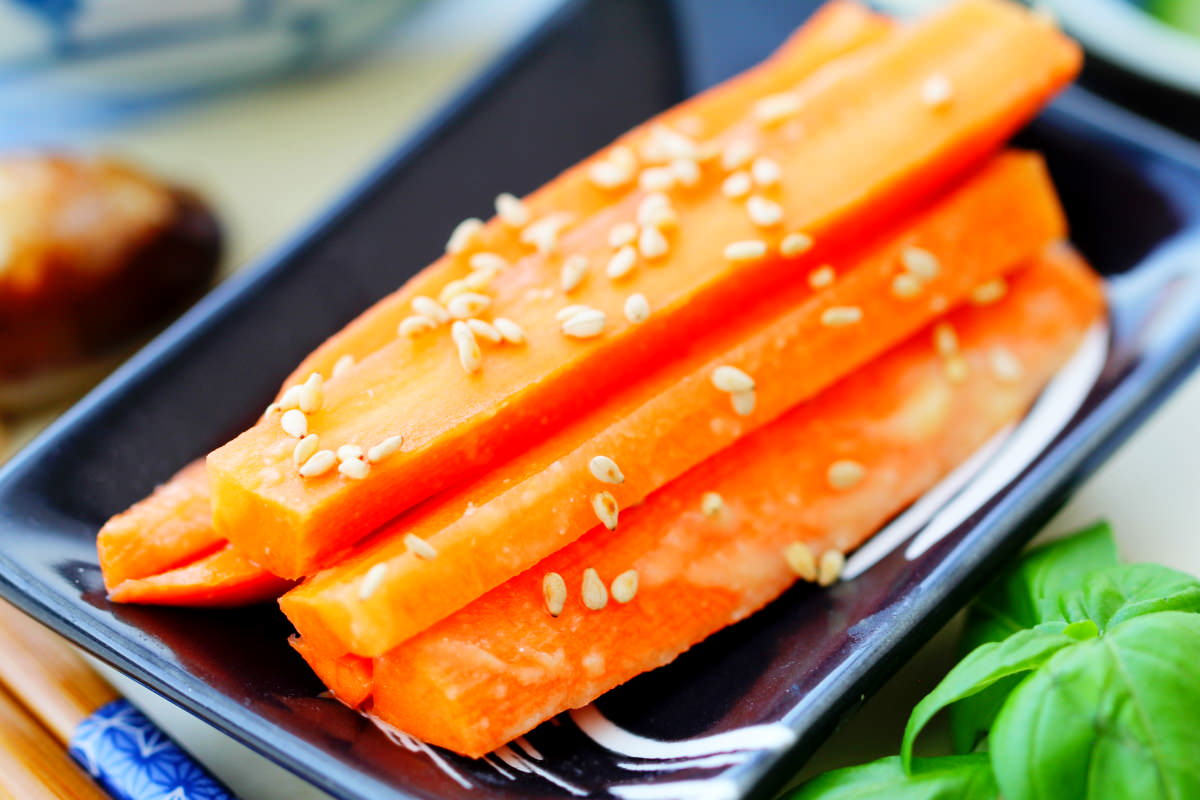
After two days, your homemade pickled carrots are ready and will keep in the fridge for a further 5 days. To serve, remove individual carrot sticks from the bag, cut them into bite-sized pieces with a knife and serve in a small bowl (feel free to use a little sesame (im Shop ansehen) as a garnish). Done – Itadakimasu!
This delicious side dish goes perfectly with many of our tasty main courses. Here’s a small selection of our best main courses that pair well with it: