

Language:


Shabu Shabu is more than just a dish – it’s a culinary tradition that brings people together. This Japanese hot pot dish is all about sharing a meal, laughing and enjoying fresh ingredients. Two delicious broths are heated in a special two-compartment pot, whilst a selection of meat, vegetables and dips is laid out on the table. Everyone can prepare their own ingredients and enjoy them straight from the pot. Whether for a festive meal with friends or a cosy family evening – Shabu Shabu makes every occasion special. Take a look at our guide here:
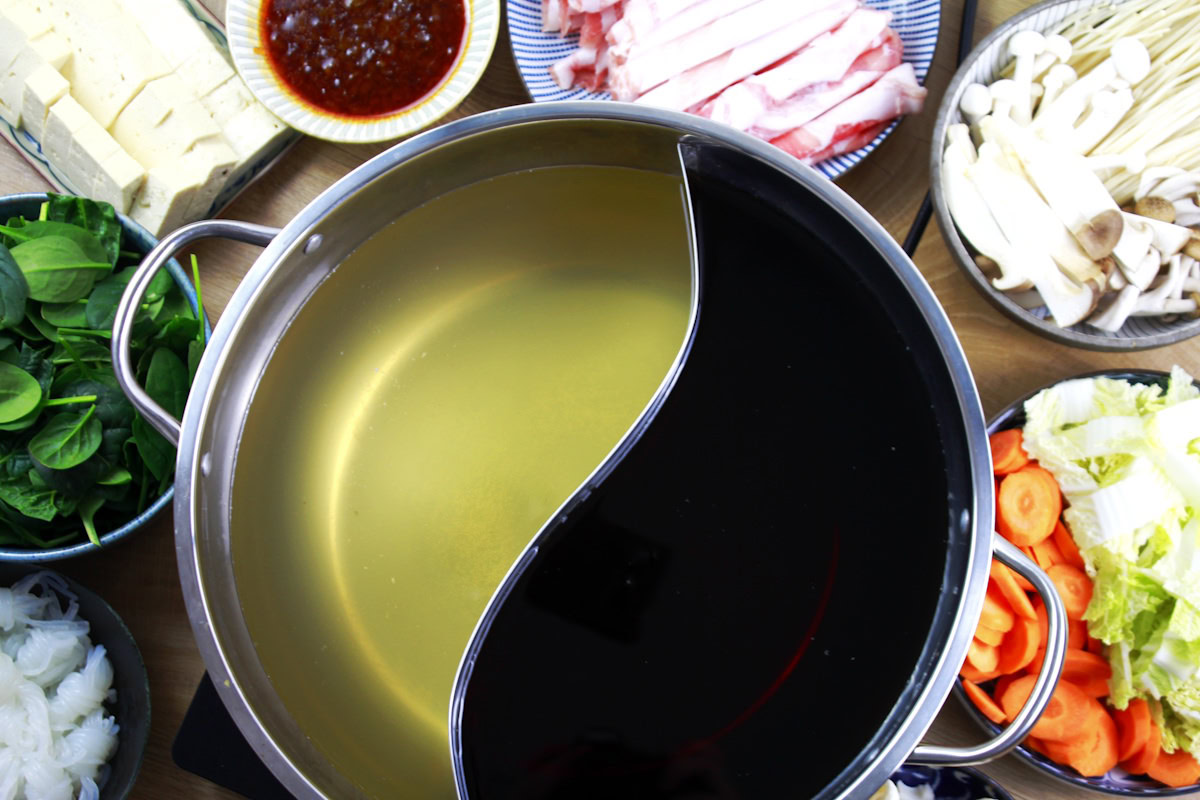
Shabu Shabu is a culinary experience that uniquely combines togetherness and enjoyment. During my visit to ‘Syabu-yo ” in Ikebukuro, I initially had my doubts as to whether the dish would appeal to our children. Would they really want to try traditional ingredients such as napa cabbage, Tofu or lotus root?
But the joy of cooking together and experimenting at the table exceeded all expectations. In the end, even exotic ingredients were no longer a problem – a perfect example of how this dish brings people together.
What is Shabu Shabu?
Shabu Shabu is a Japanese hot pot dish in which thinly sliced meat and fresh vegetables are cooked in a mild, clear broth and then dipped into flavourful sauces. The name describes the ‘splash-splash’ sound made when meat or vegetables are swirled through the hot broth with chopsticks. It is reminiscent of fondue, but is much more versatile and lighter.
What makes Shabu Shabu so special?
- Interactive dining: Everyone at the table can prepare the ingredients themselves and cook them to their own liking.
- Fresh ingredients: The focus is on high-quality, fresh food.
- Conviviality: Cooking together encourages conversation and creates a relaxed atmosphere.
- Versatility: Shabu Shabu adapts to every taste – from traditional to vegan or family-friendly.
TOP RECOMMENDATION
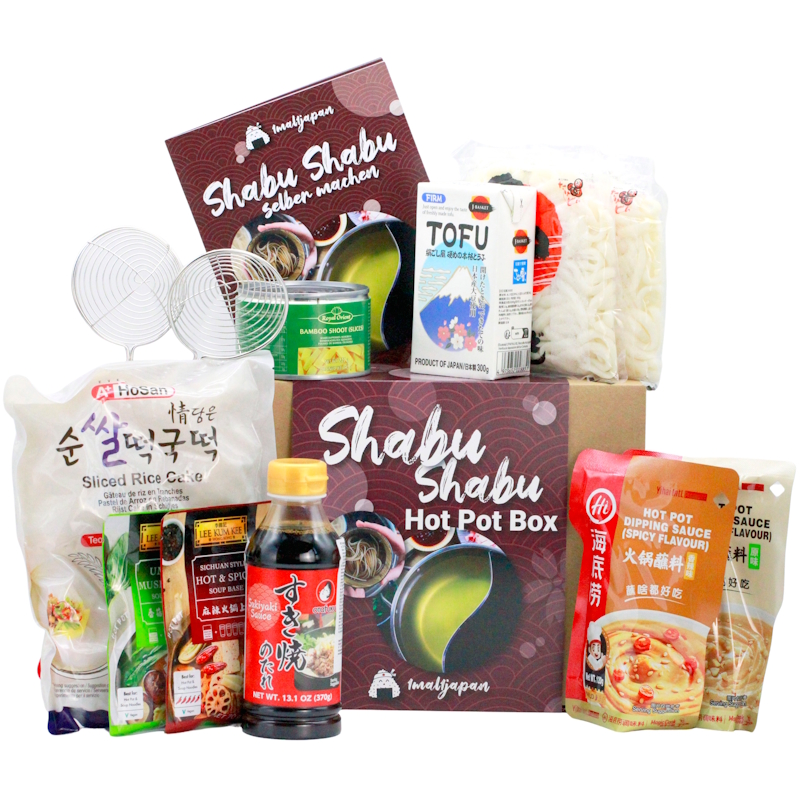
Shabu Shabu Hot Pot Box | Asian Fondue & Korean BBQ
13-tlg. Set für Shabu Shabu & Asian Fondue, inkl. Anleitung + Equipment. Shabu Shabu leicht gemacht: Mit dieser Box verwandelst du dein Zuhause in einen…
Shabu Shabu: Origins and Development
The recipe has its roots in Chinese cuisine. The concept of ‘Shuàn Yáng Ròu’, in which meat and vegetables are cooked in a hot broth, has a long tradition and inspired the Japanese variant. Centuries ago, this method of preparation was already prized in China, particularly in cold regions, where it provided warmth and nourishment.
It became popular in Japan in the 1950s after it was first served in a restaurant in Osaka. The name itself describes the characteristic sound made when meat is dipped into the hot broth. Unlike the Chinese hot pot, Shabu Shabu is characterised by the use of clear broths and high-quality ingredients that bring out the natural flavours.

Did you know?
Shabu Shabu stands out from other hot pot traditions thanks to its simplicity and elegance. Compared to the spicy Korean jeongol or the aromatic Thai Suki, the Japanese version has a more subtle flavour. It brings the natural flavours of the ingredients to the fore and offers a structured sequence for cooking and enjoying the meal.
Making Shabu Shabu yourself: step by step
With the right preparation, Shabu Shabu is easier than it seems at first glance. This dish thrives on fresh ingredients, clear broths and aromatic dips. Everything is prepared on a portable hob right at the table, which turns dining together into an interactive experience.
An overview of the key ingredients for Shabu Shabu for 4 people:
- Broths: approximately 1 litre of Dashi broth and 1 litre of sukiyaki broth
- Meat: 600 g beef (thinly sliced)
- Vegetables: 600 g cabbage, Shiitake mushrooms, lotus root, carrots
- Noodles: 4 portions of Udon, Ramen or glass noodles
- Tofu: 1 block of firm Tofu
- Dips: sesame dip and onion dip
My tip: Do have a look at our new Shabu Shabu Hot Pot Box, as it contains everything you need for a convivial shabu shabu meal!
The following 5 steps will guide you easily through each stage of preparation:
- Step 1: Base stock
- Step 2: Thinly sliced meat and fish
- Step 3: Vegetables, mushrooms and Tofu
- Step 4: Dipping sauces
- Step 5: Noodles
Step 1: Base stock
The stock is the heart of Shabu Shabu and provides the foundation for the flavour. Unlike many other Asian hot pots, the broth here is usually kept deliberately subtle to bring out the natural flavours of the ingredients. But which broths are best suited? Here’s an overview of the most well-known varieties:
Dashi
The classic choice for Shabu Shabu is Dashi (im Shop ansehen) , a mild Dashi broth made from dried seaweed (Kombu) and katsubushi (bonito flakes). It has a subtle Umami flavour that perfectly complements the ingredients without overpowering them. Dashi is unsalted and is often combined with flavourful dips such as sesame or ponzu sauce (click here for the recipe for Dashi broth).
Sukiyaki stock
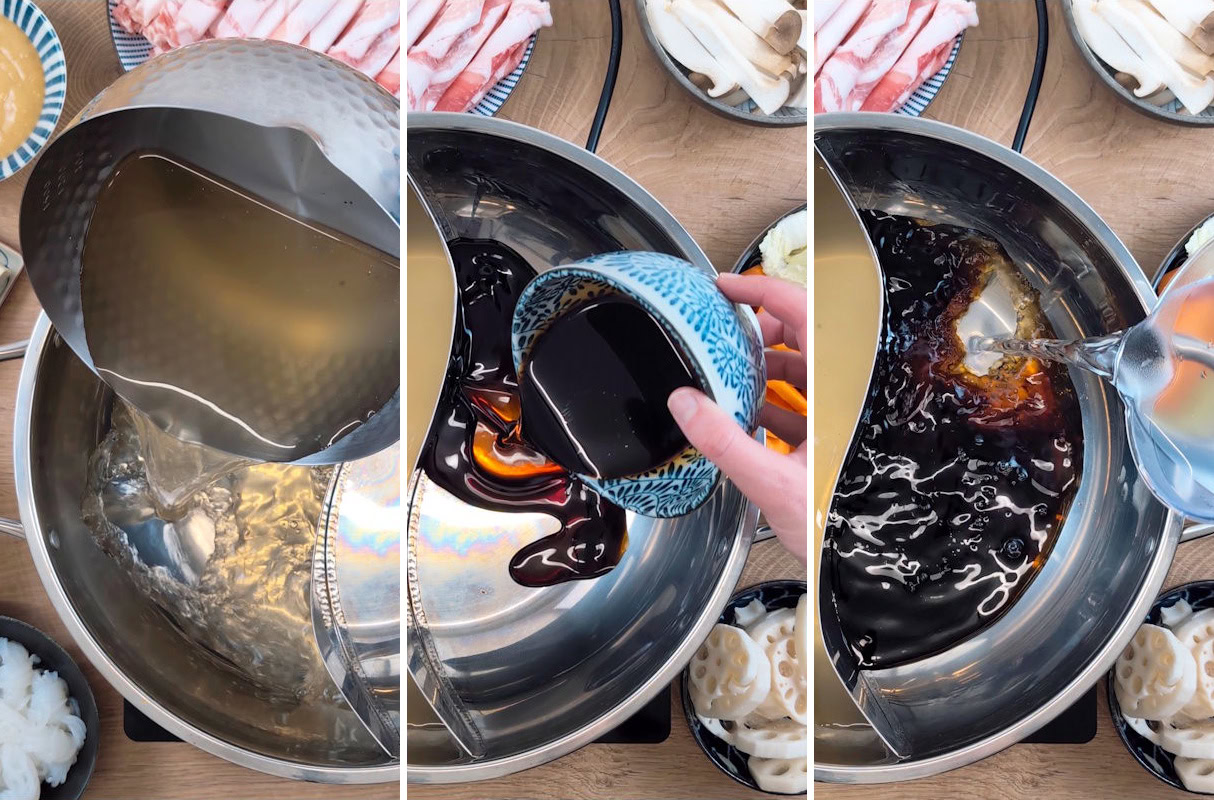
For anyone who prefers a richer base, sukiyaki broth (im Shop ansehen) is a great option. It’s made with soya sauce, Mirin and sugar, and offers a sweet yet savoury flavour. This broth is particularly well-suited if you’re looking for a more intense flavour experience.
Chicken stock
A versatile and readily available option is chicken stock. It adds a gentle, savoury depth to the pot and pairs excellently with meat and vegetables. Perfect for anyone who wants to enjoy hot pot with a more familiar flavour.
No post found!
Yuzu and salt soup stock
A refreshing alternative is the yuzu and salt stock. With its citrusy note from the use of yuzu zest and a pinch of salt, it is particularly light and brings out the flavours of the ingredients. It is an excellent choice for a summery Shabu Shabu.
Spicy Miso Broth
For fans of spicy dishes, the spicy Miso broth offers an exciting change of pace. The combination of fermented soya bean paste (Miso), chilli and spices gives this broth a pleasant heat and a deep Umami flavour. It’s particularly well suited to hearty meats and robust vegetables.
Whether you prefer the classic Kombu Dashi or want to experiment with spicy variations – the choice of broth determines the character of your Shabu Shabu. It forms the base in which all the ingredients are cooked and is the key to a successful experience.
Step 2: Thinly sliced meat and fish
Shabu Shabu is a dish that impresses with the quality and variety of its ingredients. At its heart are wafer-thin slices of meat and fish, which are not only easy to cook but also enrich the flavour of the broth. But which cuts are best suited, and how do you prepare them? In this chapter, you’ll learn everything you need to know.
Popular cuts of meat: from beef to lamb
Beef is the undisputed number one choice when it comes to hot pot. A survey revealed that 56 per cent of respondents prefer beef, whilst pork comes in second place with 44 per cent. The choice of meat often depends on regional preferences: in Aichi Prefecture, for example, beef is traditionally the first choice, whilst in other regions pork is more popular.
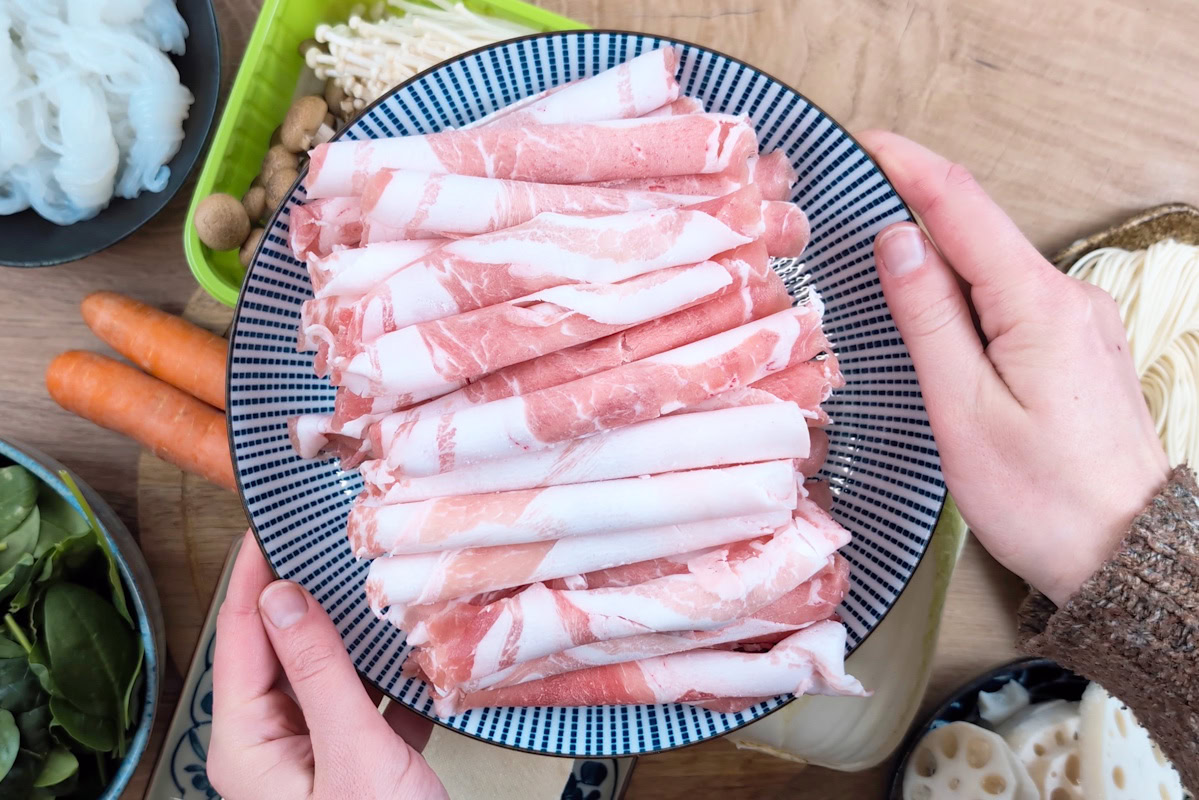
Here is an overview of the most popular types of meat:
- Beef: Marbled cuts, such as ribeye or sirloin, are particularly prized as they remain tender and juicy when cooked. The flavour is rich and intense.
- Pork: Shoulder or belly are particularly suitable, as they offer a balanced mix of fat and lean meat. Pork has a milder, sweeter flavour than beef.
- Lamb: Popular in Hokkaido, lamb has a slightly tangy flavour that harmonises perfectly with the broths.
Tip
For Shabu Shabu, you should slice the meat paper-thin – ideally no thicker than 2 mm. If you don’t have an Asian shop nearby, that sells pre-sliced meat, you can freeze the meat briefly and then cut it into thin slices with a sharp knife.
Fish and seafood: Fresh flavours for the broth
Fish and seafood are a delicious alternative or addition to meat. Yellowtail (buri) is particularly popular, especially in winter when its rich, fatty texture really comes into its own. Here are the most popular fish and seafood options:
- Yellowtail (buri) : The fatty belly gives the broth a rich Umami flavour. Slices about 4 mm thick are ideal.
- Prawns: King prawns or snow crabs in particular turn this recipe into a luxurious experience.
- Sea bream, tuna and eel (sashimi-grade): These fish should be particularly fresh, as they are only cooked briefly.
- Squid, prawns and scallops: They add delicate flavours and an interesting texture to the hot pot.
Tips for preparation
- Quality comes first: Whether meat or fish, the ingredients should be fresh and of high quality. Asian supermarkets often stock meat specially prepared for hot pot.
- Proper preparation: Take the meat and fish out of the fridge about 20 minutes before eating so that they reach room temperature. This ensures they cook more evenly.
- Meat before fish: Start with the meat, as it enriches the broth. Fish and seafood should only be added later to prevent them from overcooking.
</ seg>
The choice of meat or fish is crucial to the character of your Shabu Shabu. Whilst beef provides a rich flavour, pork and lamb add their own distinctive notes. Fish and seafood offer a light, maritime alternative that rounds off the dining experience. Combine different varieties to make the most of the range on offer!
The choice of meat or fish is crucial to the character of your Shabu Shabu. Whilst beef provides a robust flavour, pork and lamb bring their own distinct flavours. Fish and seafood offer a light, maritime alternative that rounds off the dining experience. Combine different varieties to make the most of the range on offer!
Step 3: Vegetables, mushrooms and Tofu
Vegetables, mushrooms and Tofu are essential ingredients and give the meal a pleasant balance of freshness, texture and flavour. They complement the meat and broth perfectly and also offer a delicious alternative for vegetarians. Here you can find out which ingredients are particularly suitable and how best to prepare them.
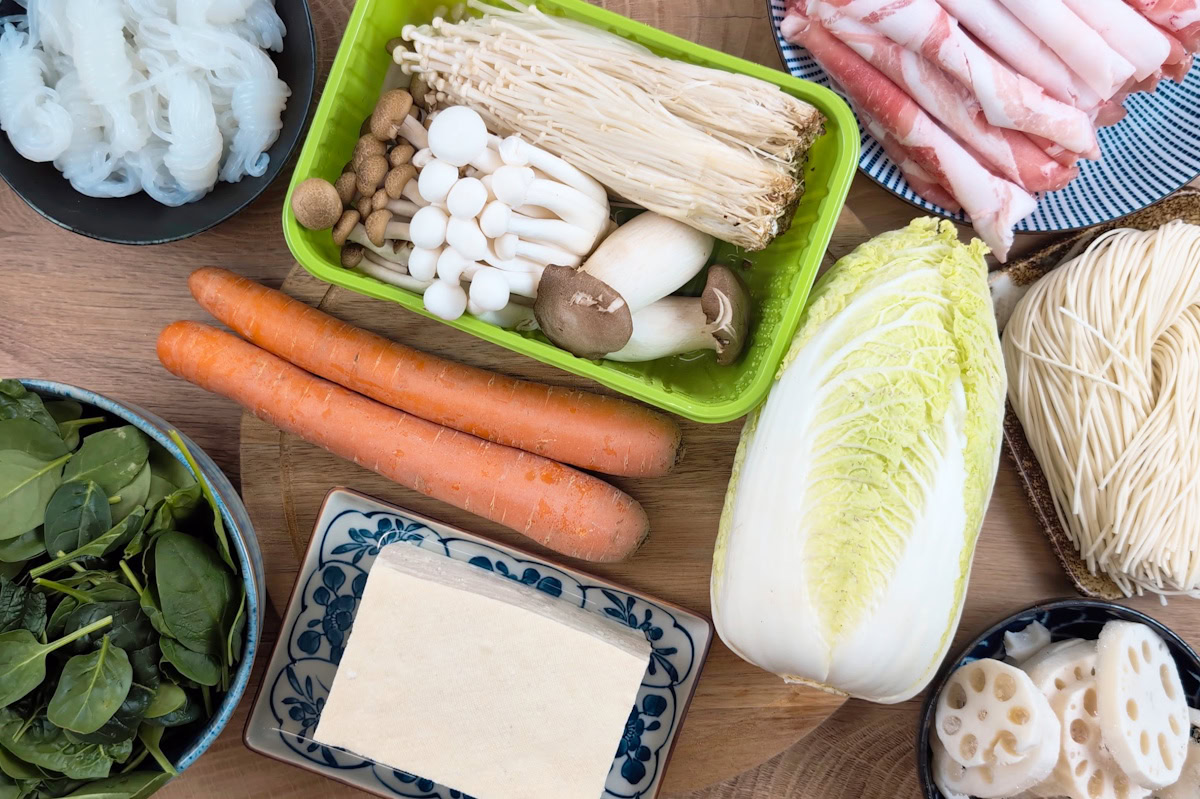
The most popular vegetables
There’s a wide variety of vegetables to choose from, so feel free to experiment. The following are particularly typical and easy to prepare (if you can’t find certain ingredients, try locally available alternatives such as kale or spinach):
- Napa cabbage (hakusai): A classic in Shabu Shabu. The tender leaves soak up the broth beautifully, whilst the thicker stalks remain al dente.
- Chrysanthemum leaves (shungiku): With their slightly bitter flavour, they are a special ingredient available in Japanese and Asian supermarkets.
- Long spring onions (negi): They add a mild pungency and a pleasant crunch.
- Carrots: Thinly sliced or cut into decorative shapes, they add sweetness and colour to the pot.
- Other options: Cabbage, broccoli, courgette, sweetcorn or other Asian leafy vegetables can expand the selection.
Mushrooms: For Umami and texture
Mushrooms play a central role in Japanese cuisine and are ideal for Shabu Shabu. Clean mushrooms thoroughly before cooking and cut larger varieties into bite-sized pieces:
- Shiitake: With their intense Umami flavour, they are one of the most popular types of mushroom.
- Enoki: The long, tender stems offer an interesting texture and cook quickly.
- Shimeji: They have a firm texture and a mild, nutty flavour.
- Alternatives: Button mushrooms or oyster mushrooms are also suitable and are available in many supermarkets.
Tofu: A versatile source of protein
Tofu is a staple of Japanese hot pot and an excellent accompaniment to meat and vegetables:
- Firm Tofu: Retains its shape in the hot broth and absorbs the flavours of the broth. Cut the Tofu (im Shop ansehen) into even cubes so that it cooks evenly and is easy to serve.
- Grilled Tofu or Tofu Puffs: These variations add extra texture and are particularly suitable for vegetarians.
- Kirimochi (rice cakes): This chewy, slightly sweet ingredient is often added to the pot to add variety (im Shop ansehen).
Preparation and order
- Washing and cutting: Wash the vegetables thoroughly and cut them into bite-sized pieces. Hard ingredients such as carrots and cabbage stalks should be sliced thinly to reduce cooking time.
- Preparation: Arrange the ingredients on platters so that they are within easy reach at the table.
- Order of cooking: Start with firmer vegetables such as carrots and napa cabbage stalks, as they take longer to cook. Leaves and tender ingredients such as chrysanthemum leaves should be added later to prevent them from overcooking.
Vegetables, mushrooms and Tofu make Shabu Shabu a balanced dish that can easily be adapted to personal preferences. Whether you use traditional ingredients or local alternatives – the variety and freshness of these components make every bite a delight.
Step 4: Dipping Sauces for Shabu Shabu
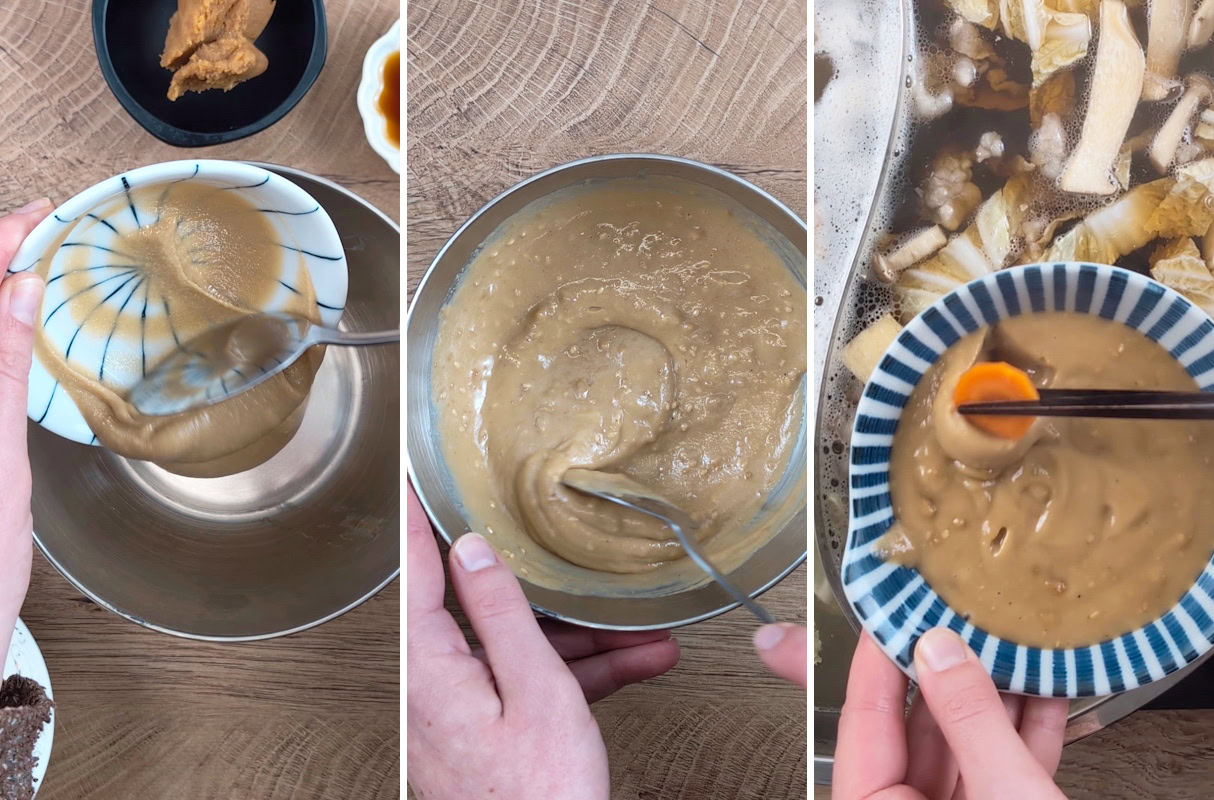
The dipping sauces turn cooking together into a culinary experience that caters to every taste through individual customisation. Two sauces are essential: the creamy, nutty sesame sauce (goma dare) and the tangy, fresh ponzu sauce. Both complement meat, vegetables and Tofu wonderfully and invite you to experiment with additional spices.
The classics: sesame sauce and ponzu sauce
- Sesame sauce (Goma Dare):
This creamy sauce made from toasted sesame seeds has a sweet, nutty flavour that pairs perfectly with the delicate flavours of meat and Tofu. It is available in Japanese or Asian supermarkets, but can also be easily made at home. - Ponzu sauce:
Ponzu sauce is a lemony, fresh soy sauce whose slight acidity makes it an excellent accompaniment to vegetables and fish. Its citrusy note is often complemented by sudachi, yuzu or lime (click here for the recipe for homemade ponzu sauce</ a>).
You can buy ready-made ponzu and sesame sauces in Asian supermarkets or online. However, homemade versions often taste more intense and fresher.
My top tip: onion dip
The onion dip adds a spicy, savoury note and goes particularly well with vegetables and pasta.
Ingredients:
1 onion
1 tbsp sesame oil
1 tbsp gochujang paste
1 tbsp oyster sauce
1 tbsp Sake
4 tbsp soya sauce
2 tbsp sugar (more or less to taste)
</ seg>
Sauté the onions in sesame oil until translucent, then add the remaining ingredients and allow to reduce slightly. Leave to cool and serve.
Method:
Sauté the onions in sesame oil until translucent, then add the remaining ingredients and allow to reduce slightly. Leave to cool and serve.
The dipping sauces (for example, peanut dips or a spicy version) are at the heart of Shabu Shabu and ensure that every piece of meat or vegetable becomes a flavour highlight. Whether you stick to the classics or experiment with new flavours – the variety of sauces makes this part of the meal a personalised experience.
Step 5: Noodles for Shabu Shabu
The grand finale is called ‘Shime’ (締め) in Japan, which means ‘finale ”. After enjoying the meat, vegetables and dips, the focus shifts to making the most of the remaining broth. Noodles are a popular choice for this – they absorb the flavours of the broth perfectly and transform it into a hearty soup.
Choosing the right noodles
The choice of noodles depends on your personal taste and the type of broth. Here are the four most popular options:
- Udon noodles:
These thick, soft wheat noodles (im Shop ansehen) are a classic choice and pair perfectly with the subtle flavours of the broth. They absorb the broth particularly well and create a creamy mouthfeel. - Soba noodles:
Made from buckwheat, soba noodles offer a slightly nutty flavour and a slightly firmer texture. They’re ideal if you’re looking for a lighter option that’s still filling. - Ramen noodles:
These thin, supple wheat noodles have a familiar texture and go particularly well with spicy broths such as sukiyaki or Miso. - Shirataki noodles:
These transparent konjac noodles (im Shop ansehen) are virtually calorie-free and have a firm, springy texture. They’re an excellent option for anyone watching their diet or looking for a lighter alternative.
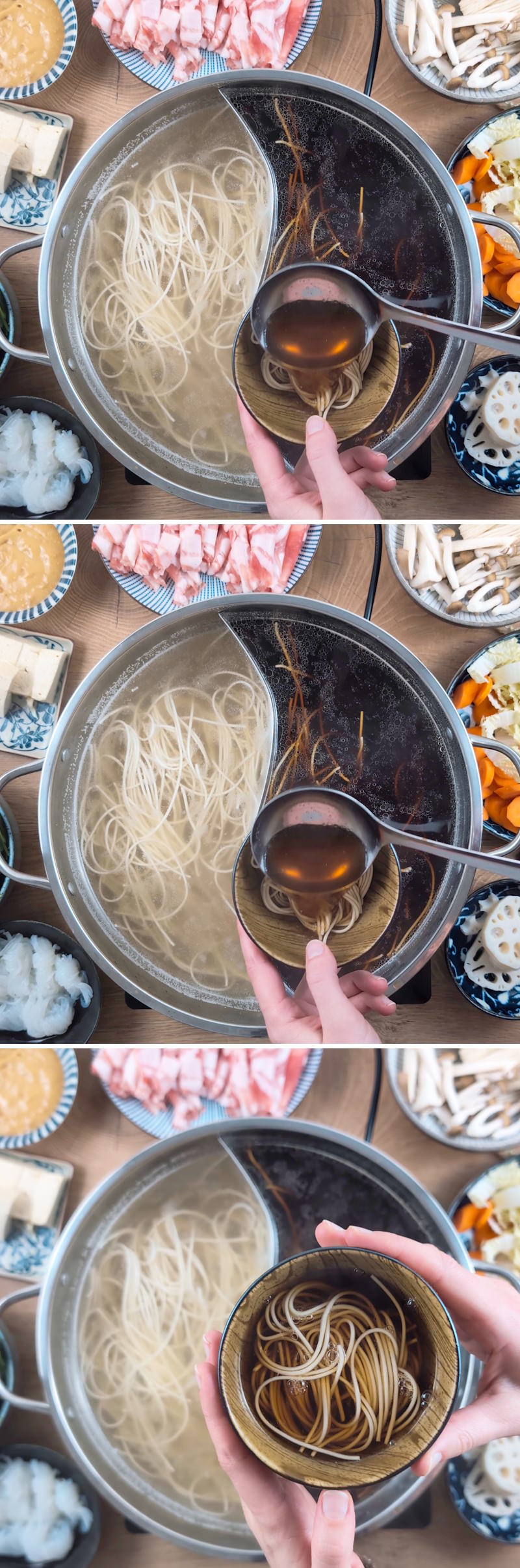
Once the meat and vegetables have been eaten, remove any leftovers from the broth and bring it back to a simmer. Then add the noodles directly to the pot. Shirataki and Udon noodles can be added straight away, whilst soba and ramen noodles should usually be pre-cooked.
Most noodles only need a few minutes to soak up the flavours of the broth. As Shabu Shabu broth is traditionally unsalted, you should season the noodles to taste once they’re cooked. Add a pinch of salt, a little pepper or some soya sauce directly into the soup bowl before serving the noodles and broth.
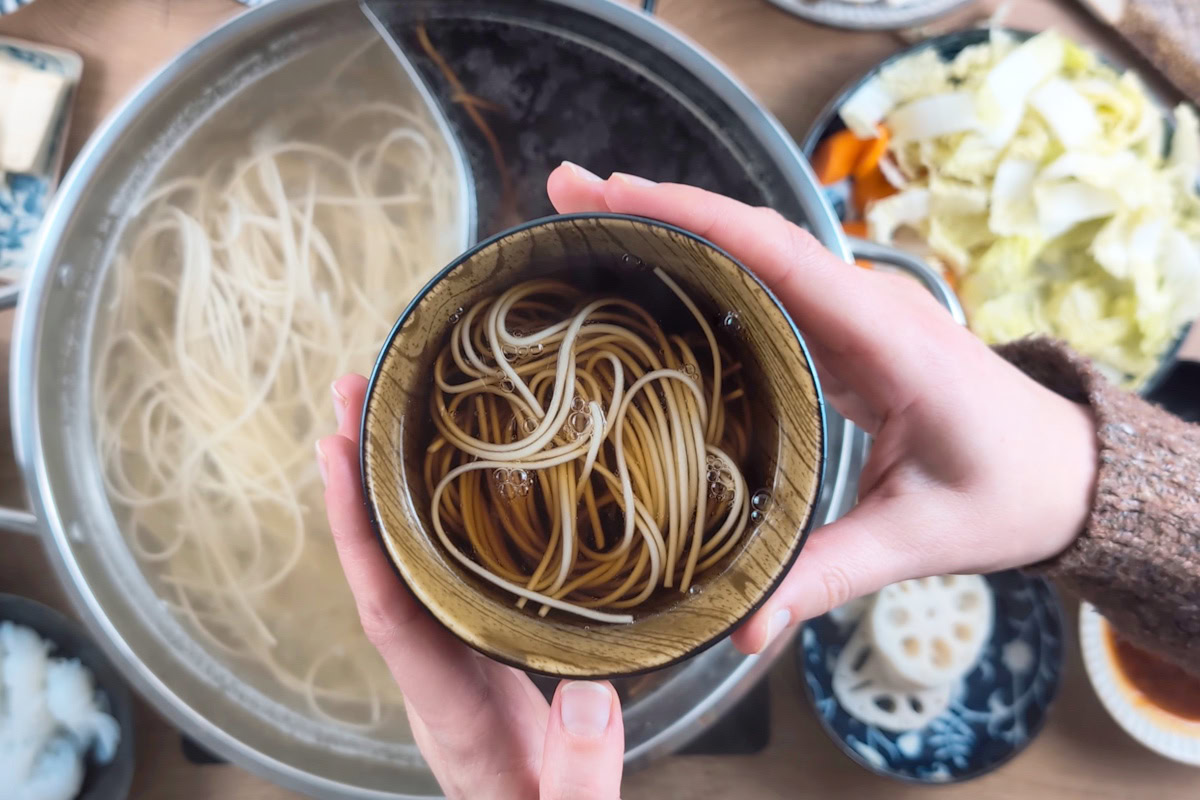
Arrange the noodles in individual bowls and pour the aromatic broth over them. Garnished with spring onions, sesame seeds or a dash of chilli oil, this final course becomes an unforgettable highlight.
Serving noodles at the end of the meal not only provides a filling element but also creates a harmonious finale that captures the flavours of the entire meal. Whether creamy Udon, nutty soba or light shirataki – every choice offers a delicious finish!
Suggestions to suit every taste
| Variation | Main ingredients | Broth |
| Traditional version (Authentic Japanese, ideal for purists) | Thinly sliced beef Napa cabbage Shiitake mushrooms Lotus root Firm Tofu | Dashi |
| Vegetarian version (Perfect for vegetable lovers) | Pumpkin Courgette Pak choi Glass noodles | Clear vegetable stock |
| Vegan version (Combine with vegan dips for extra flavour) | Seitan or tempeh Various Asian leafy vegetables Tofu puffs | Clear vegetable stock |
| Family-friendly version (Child-friendly thanks to mild, familiar ingredients) | Broccoli Corn on the cob Mild chicken slices Baby carrots | Chicken stock (mild) |
7 tips for the perfect Shabu Shabu evening
Shabu Shabu is more than just a meal – it’s an interactive experience that brings family and friends together around the table. With these tips and the right preparation, your hot pot evening is guaranteed to be a success.
- Setting the table:
Place the pot on a portable gas hob in the centre of the table. Arrange the ingredients on platters and prepare small bowls for dips and cooked ingredients. - Cooking order:
Start with firm vegetables such as napa cabbage and carrots before adding softer leafy greens and meat. - Cooking meat properly:
Gently dip thin slices of meat into the broth and cook for just a few seconds until they turn a pale pink. - Personalised dipping:
Prepare sesame and ponzu sauces and have ingredients such as grated daikon or chopped spring onions to hand, so you can customise the dips to your liking. - Removing scum:
Whilst cooking, skim off scum and impurities with a fine sieve to keep the stock clear. - Use the stock to finish the meal:
Use the remaining stock to cook noodles such as Udon or soba, and enjoy them to round off the meal. - Cooking together:
Appoint one person to cook the meat for everyone so that everyone can enjoy it at the same time – a convivial highlight for everyone at the table.
Pot types and accessories
The pot plays a central role in the preparation of Shabu Shabu. It is not only a functional component, but also an element that influences the shared enjoyment and atmosphere of the meal. Choosing the right pot and the appropriate accessories ensures that everything runs smoothly and authentically. Here are the various options and alternatives available to you:
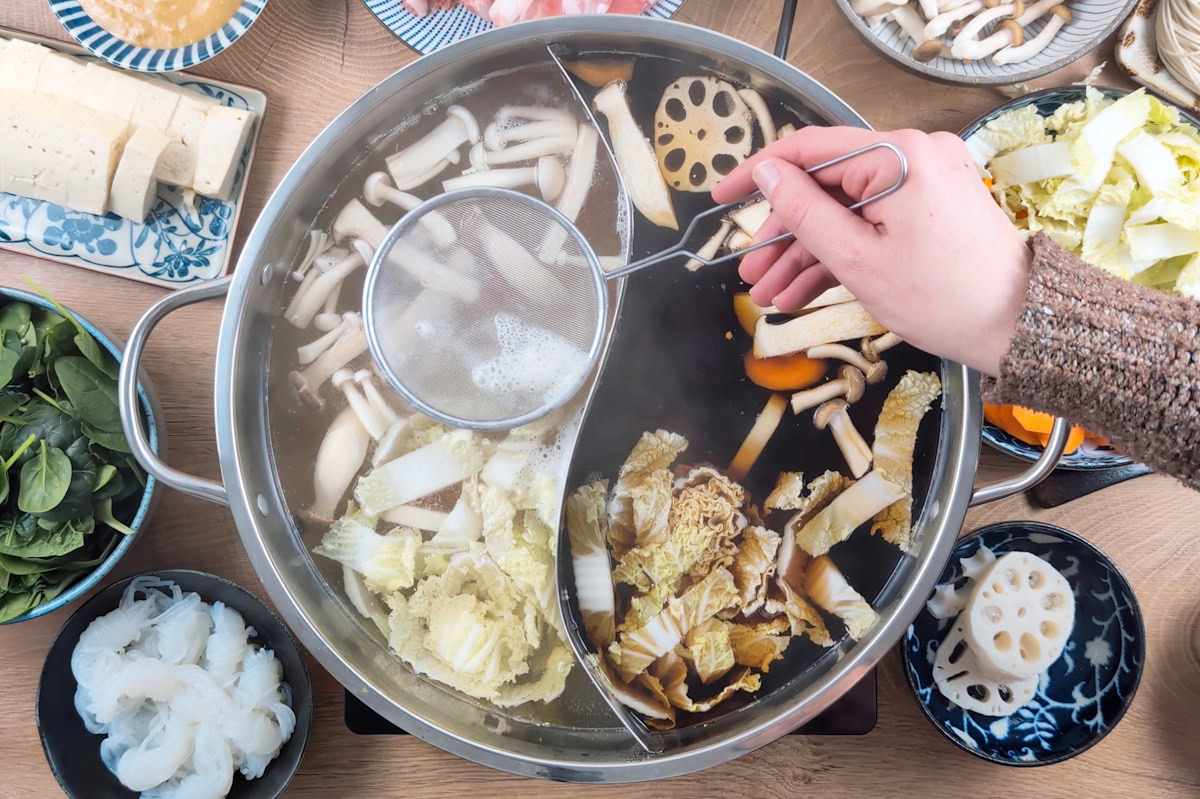
Two-part pots – Variety on the table
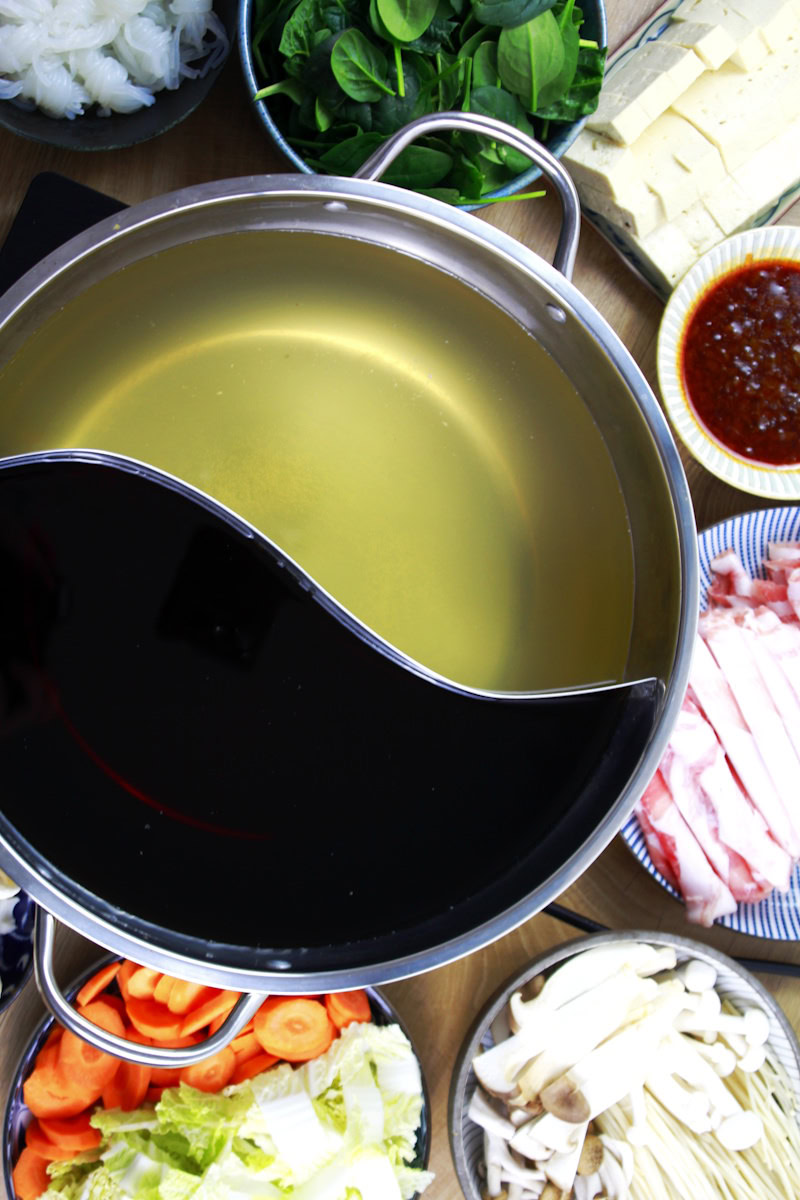
Two-compartment pots , also known as Yin-Yang pots, are an excellent choice if you want to serve different broths at the same time. They allow you to serve a mild broth such as Kombu Dashi alongside a stronger option such as sukiyaki broth. This is particularly handy if you’re entertaining guests with different tastes or want to add some variety to the evening.
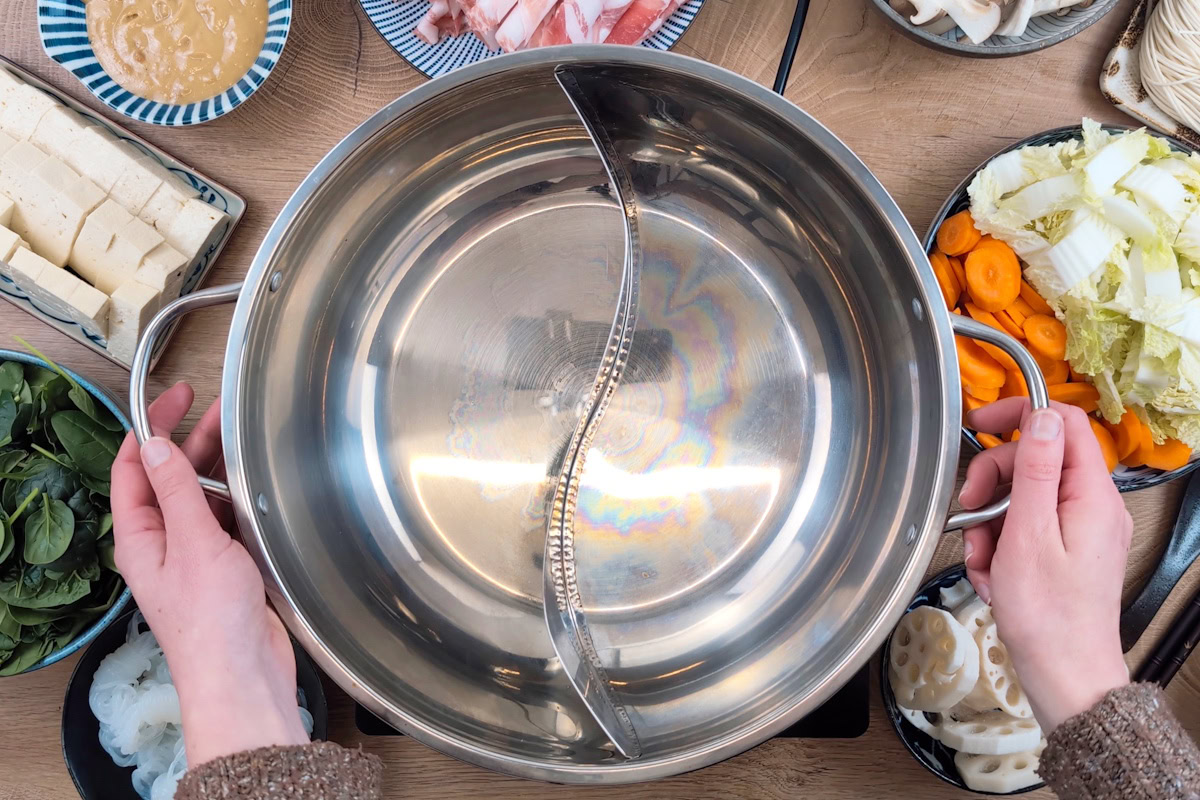
Advantages of split pots:
- Variety: Two broths mean twice as many possibilities for combining ingredients.
- Flexibility: Ideal when both mild and spicy broths are required.
- Sense of community: Guests can choose from different flavours and try them out.
Materials: Which option suits you best?
</ seg>
The choice of material for your Shabu Shabu pot affects both the preparation and the serving experience. Here are the most common materials:
The choice of material for your Shabu Shabu pot influences both the preparation and the serving experience. Here are the most common materials:
- Stainless steel:
A stainless steel pot is lightweight, durable and easy to clean. It heats up quickly and is a practical choice for beginners or occasional users.
Recommendation: Perfect for quick preparation and ease of use. - Cast iron:
Cast-iron pots retain heat particularly well and ensure the broth heats up evenly. They are ideal for longer meals, as the temperature remains constant over an extended period.
Recommendation: Traditional flair for authentic evenings. - Ceramic:
Ceramic pots, often known as donabe (土鍋), offer a visually appealing and traditional look. They retain heat exceptionally well and are particularly suitable for smaller groups.
Recommendation: An authentic choice for cosy and stylish occasions.
Alternatives: If you don’t have a Shabu Shabu pot to hand!
If you don’t own a special Shabu Shabu pot, there are some creative alternatives that work just as well:
- Two smaller pots:</ strong>
Use two separate pots to offer different broths. This is particularly useful if you don’t have a yin-yang pot.
Tip: Make sure both pots are stable on the hob. - Yin-Yang insert:
An insert that fits inside a larger pot divides it into two compartments. These inserts are readily available in Asian shops or online.
Advantage: A cost-effective way to create a two-compartment setup. - Multifunctional cooking pots:
A heavy stainless-steel pot or a Dutch oven is well suited for a single stock. This option offers flexibility and is ideal if you only want to serve one flavour.
TOP RECOMMENDATION
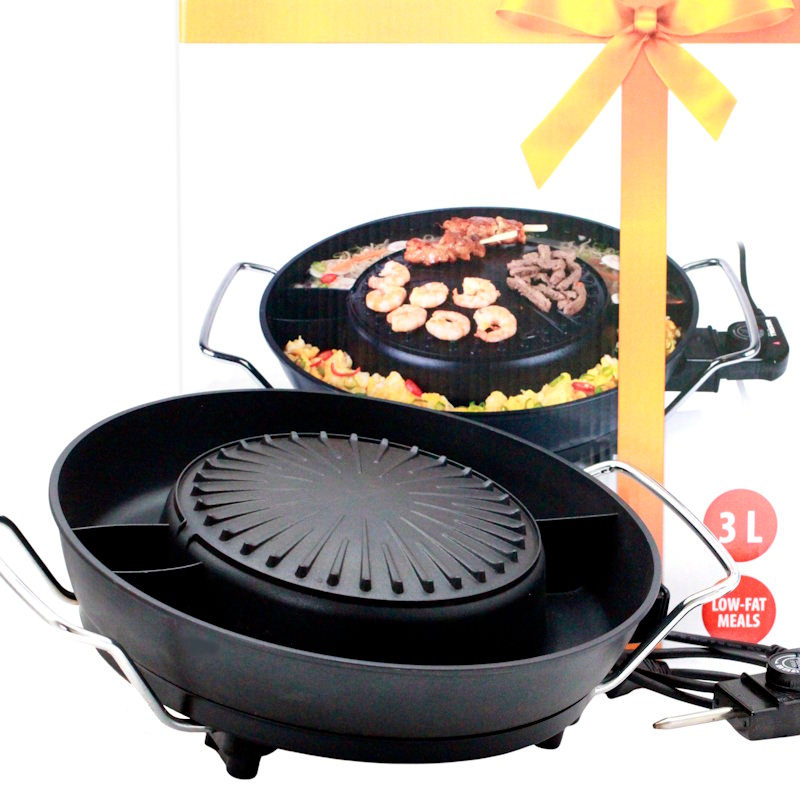
Korean BBQ Grill – elektrischer Tischgrill mit Hot Pot Funktion (2-in-1) | für Shabu Shabu & Fondue
Dieser elektrische Korean BBQ Grill kombiniert Tischgrill und Hot Pot in einem Gerät. Auf der Grillfläche können Fleisch, Gemüse oder Meeresfrüchte gebraten werden, während im…
In stock
Essential accessories
In addition to the pot, you’ll need a few handy utensils:
- Long cooking sticks: For safely cooking meat and vegetables.
- Fine sieve: For skimming off foam and impurities from the broth .
- Ladle: For serving the broth or topping up whilst eating .
- Serving bowls: For dips and cooked ingredients.
With the right equipment and a little preparation, your Shabu Shabu evening will be an unforgettable experience for all your guests. Whether you opt for a traditional donabe, a modern electric hotpot or simpler alternatives – the key lies in the joy of cooking and enjoying the meal together.
Shabu Shabu isn’t just a dish, but an experience. It offers scope for creativity, togetherness and enjoyment. Whether traditional, vegan or child-friendly – with fresh ingredients, the right equipment and delicious dips, Shabu Shabu is guaranteed to be the highlight of your evening.</ strong>
Shabu Shabu
serves 4 | 60 minutes | 549 kcal
🖨️ Print PDF 📌 Save this pinShabu Shabu brings Japanese cuisine straight to your table – with fresh ingredients, aromatic broths and a convivial cooking experience. Simple, versatile and perfect for evenings spent together.
Ingredients (serves 4)
For the broths:
Dashi broth:
2 Dashi broth sachets (im Shop ansehen)
1 l water
Sukiyaki broth:
300 ml sukiyaki sauce (im Shop ansehen)* (or homemade: soya sauce, Mirin, sugar, Sake)
1 l water
For the ingredients:
600 g thinly sliced beef (hot pot beef, available in the frozen food section of Asian shops)
200 g Chinese cabbage
200 g spinach
100 g enoki mushrooms, fresh
100 g Shiitake mushrooms, fresh
1 large carrot
150 g lotus root (peeled and thinly sliced; available in the frozen food section of Asian shops)
400 g Shirataki glass noodles (im Shop ansehen), ramen noodles or udon noodles (im Shop ansehen)*
200 g rice cakes, sliced (im Shop ansehen)*
1 block Tofu (approx. 200 g) (im Shop ansehen)*
For the dips:
Sesame dip:
4 tbsp tahini sesame paste (im Shop ansehen)
2 tbsp Miso paste (im Shop ansehen)
2 tbsp Shoyu (im Shop ansehen)
1 tbsp Mirin (im Shop ansehen)
1 tsp </ strong>rice vinegar
Onion dip:
1 onion
1 tbsp sesame oil
1 tbsp gochujang(Korean chilli paste)
1 tbsp oyster sauce
1 tbsp Sake
4 tbsp soya sauce
2 tbsp sugar(more or less to taste)
Useful equipment:
Shabu Shabu pot *
Korean BBQ grill ]*
Hot pot strainer *
Fine-mesh 2-in-1 strainer
Santoku knife
Yukihiara pot
Preparation (60 minutes)
Step 1
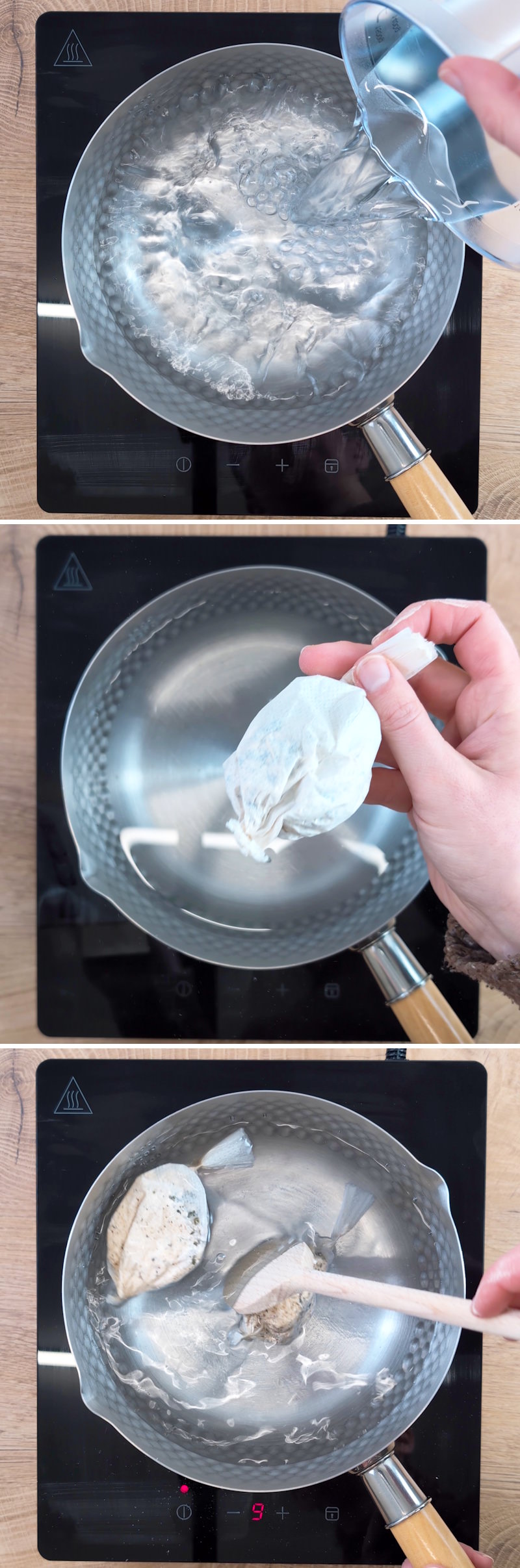
Place the Dashi broth sachet in one litre of cold water. Heat the water slowly to around 60°C, taking care not to let the temperature get too high. Once it reaches 60°C, remove the pan from the heat and leave the stock to infuse for about 30 minutes so that the Dashi stock bags can fully release their Umami flavour. Set the finished stock aside.
Step 2
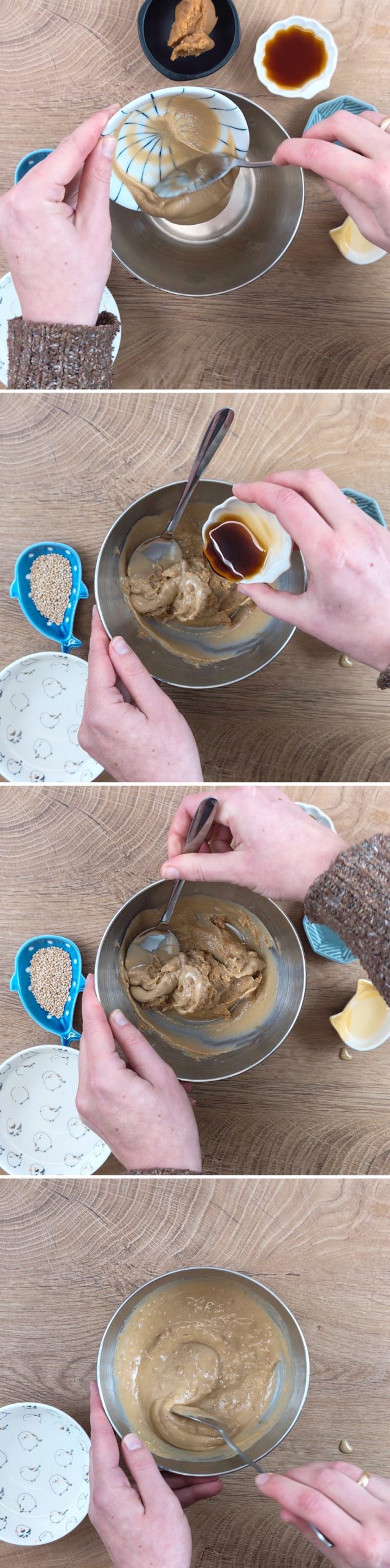
Now it’s time for the dips! For the sesame dip: In a bowl, mix together tahini, Miso paste, soya sauce, Mirin and rice vinegar. Stir everything well until you have a smooth mixture. To achieve the desired creamy consistency, thin the mixture with Dashi or water as required.
Step 3
</ seg>
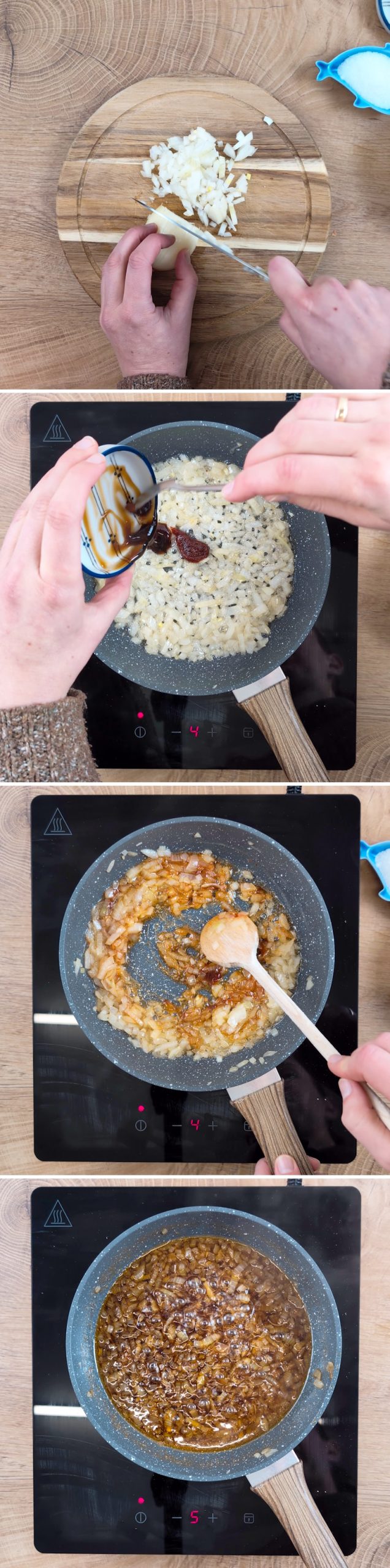
For the onion dip: Finely dice the onions . Heat sesame oil in a small frying pan and fry the onions in it, until they are translucent and lightly caramelised. Add gochujang, oyster sauce and Sake, then stir well. Finally, add soya sauce and sugar , and let the mixture simmer gently over a low heat (for about 5 minutes) until it has thickened slightly. Remove the sauce off the heat and leave it to cool.
Step 4
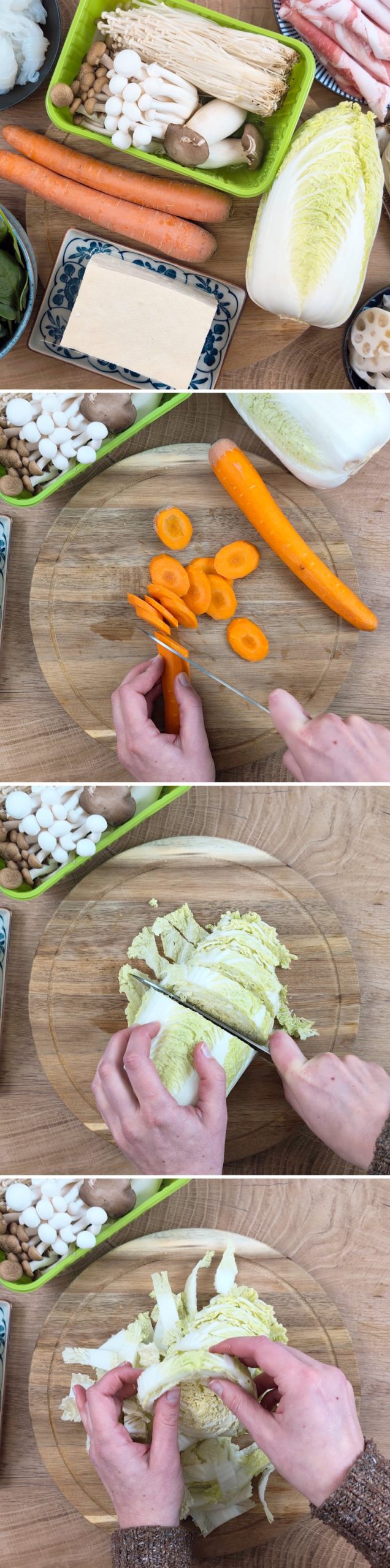
Wash the vegetables thoroughly. Peel the carrots and slice them thinly. Cut the Chinese cabbage into bite-sized pieces. Spinach </ strong>and lotus should be washed and drained well.
Step 5
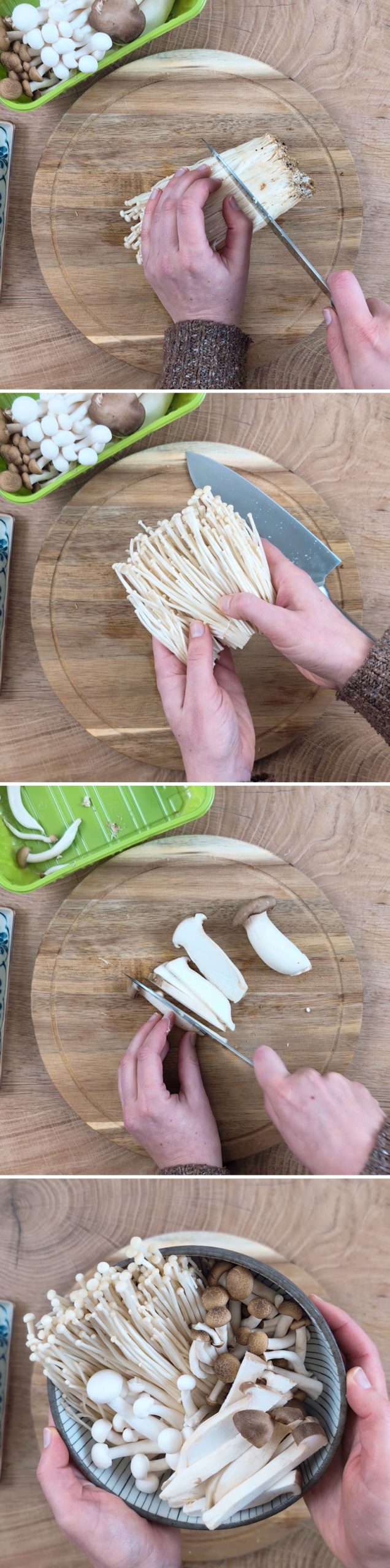
Clean the mushrooms , remove the stalks and separate them.
Step 6
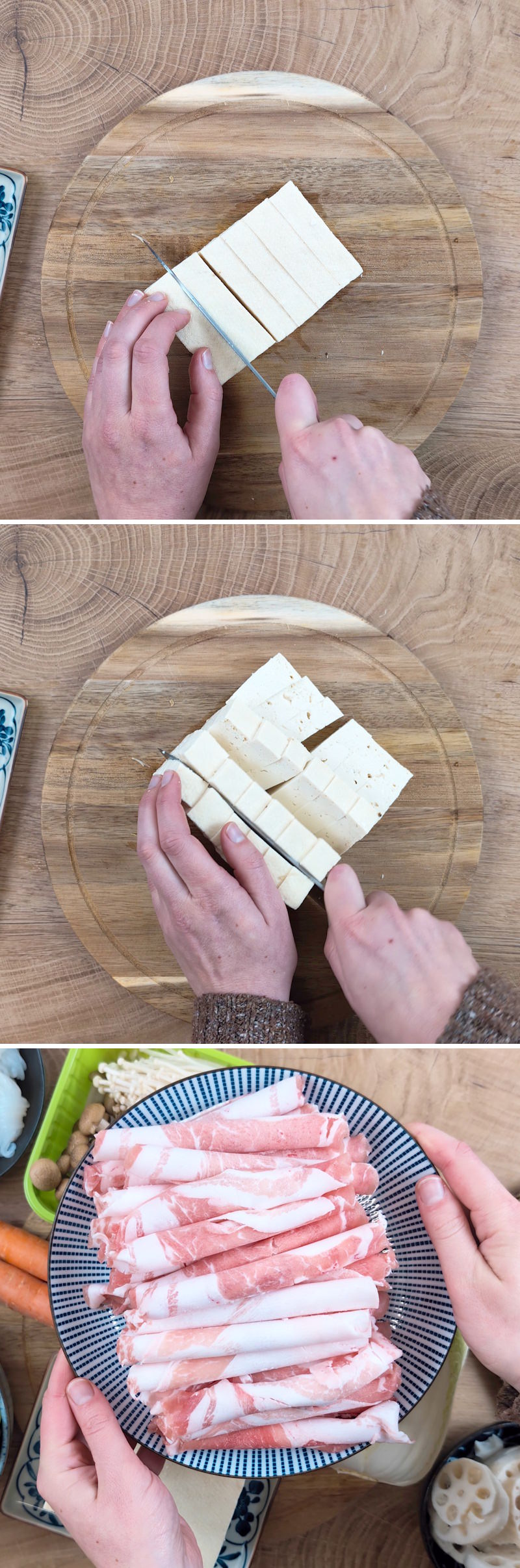
Drain the firm Tofu and cut it into even cubes.
If you already have thinly sliced hot pot meat from an Asian shop, this is perfect. Alternatively, you can slice the meat yourself. To do this, place the meat in the freezer for about 30 minutes so that it is slightly frozen, then slice it into wafer-thin slices with a sharp knife.
Arrange the prepared ingredients attractively on serving platters.
Step 7
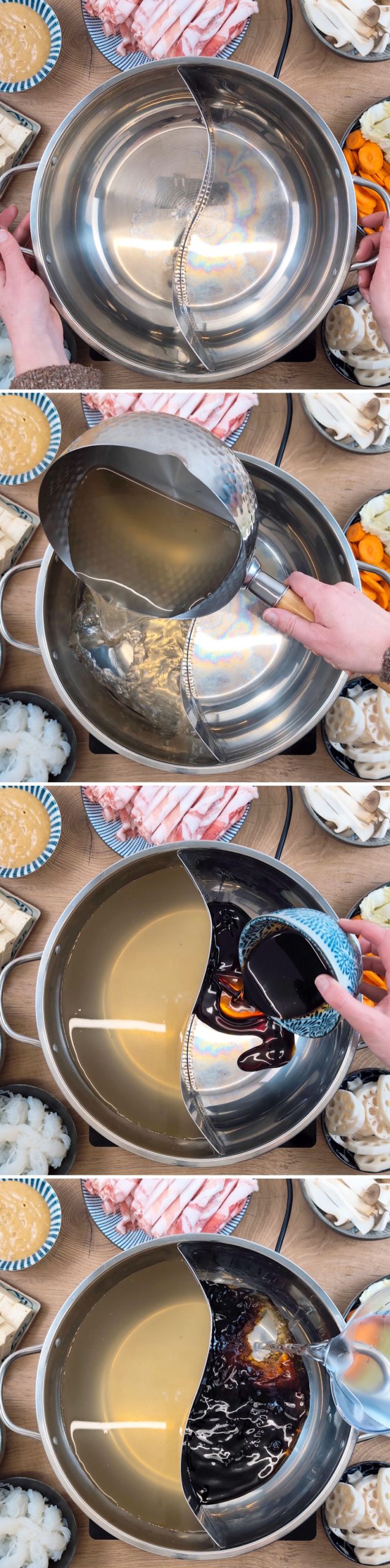
Place your two-part hot pot</ strong> in the centre of the table. Pour the strained Dashi broth into one side and the sukiyaki broth into the other. Gently heat the broths over a medium heat. Arrange the serving platters with the prepared ingredients, as well as small bowls and dips for each guest, on the table.
Step 8
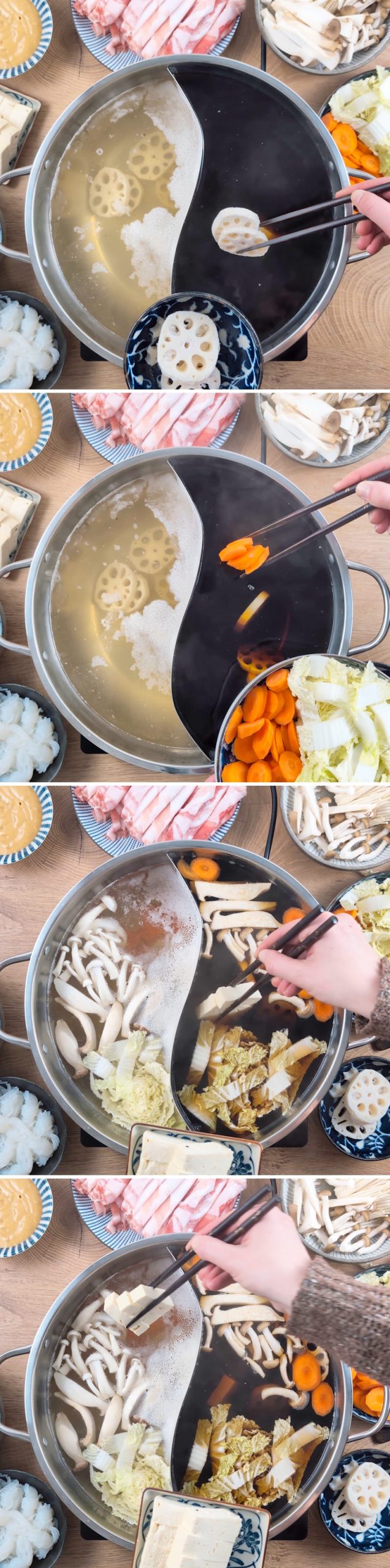
Start with the harder vegetables such as carrots and lotus root. These ingredients take a little longer to soften in the hot stock. Add them to the stock first and let them simmer gently until they reach the desired consistency.
Step 9
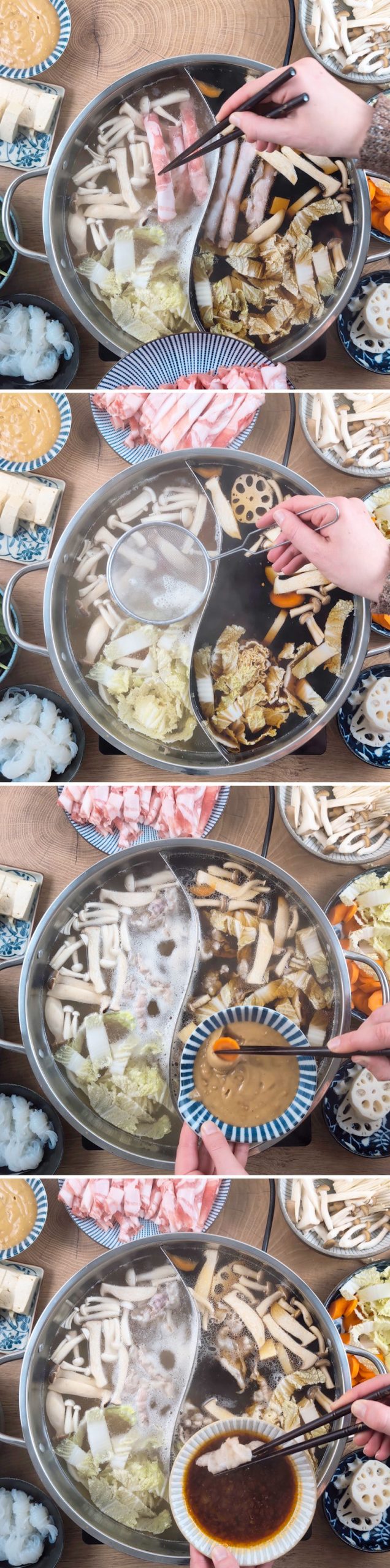
Pick up a thin slice of meat with your chopsticks and dip it into the hot broth. </ strong>It is sufficient to cook the meat for just a few seconds until it is tender and slightly pink. Pork should always be cooked thoroughly before eating.
Whilst you are preparing the meat and vegetables, a fine foam often forms on the surface of the broth. Use a fine-mesh sieve to skim off the foam regularly. This keeps the broth clear and its flavour pure. You can then enhance the cooked ingredients with the prepared dips and enjoy them.
Step 10
At the end of the meal, you can use the aromatic broths as a soup base. Add shirataki glass noodles, Ramen or Udon to the broth and leave them to soak for a short while. Serve the finished noodle soup straight from the hot pot.
Tip: The best thing about Shabu Shabu is the shared experience. Whilst you’re cooking the ingredients in the hot broth right at the table, you can chat, laugh and try out different combinations. Each guest can help themselves as they please and discover their own individual tastes. Cooking and enjoying together – that’s what makes Shabu Shabu an unforgettable culinary experience. Itadakimasu!
Fancy some more delicious inspiration from Japan? Here you’ll find our best recipes that go really well with Shabu Shabu:
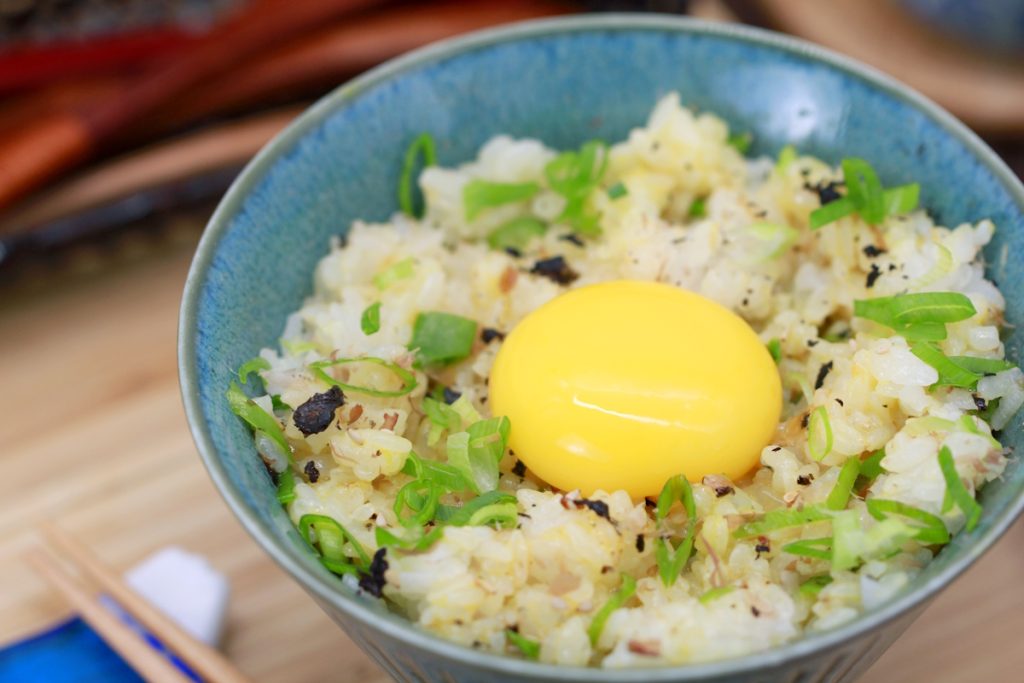
Tamago Kake Gohan: Japanese breakfast rice with egg, Furikake & Katsuobushi | TKG
In this recipe, I’ll show you a particularly flavourful version of Tamago Kake Gohan (TKG)…
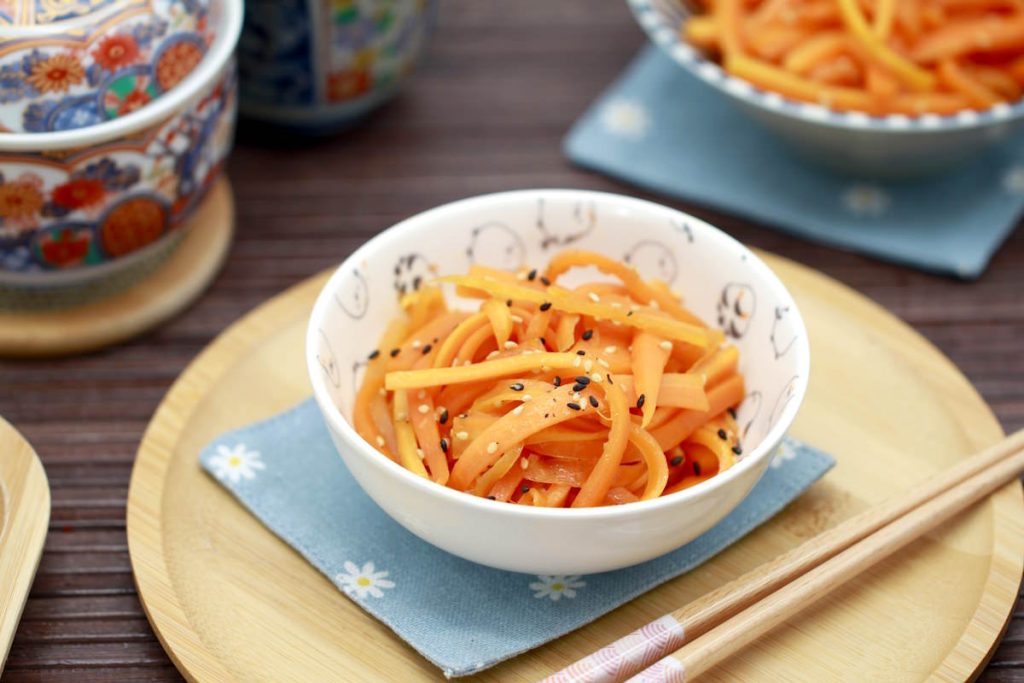
Make your own Ninjin no Kinpira: Japanese carrot side dish in the Kinpira style
Ninjin no Kinpira is a simple Japanese side dish made from finely sliced carrots, which…
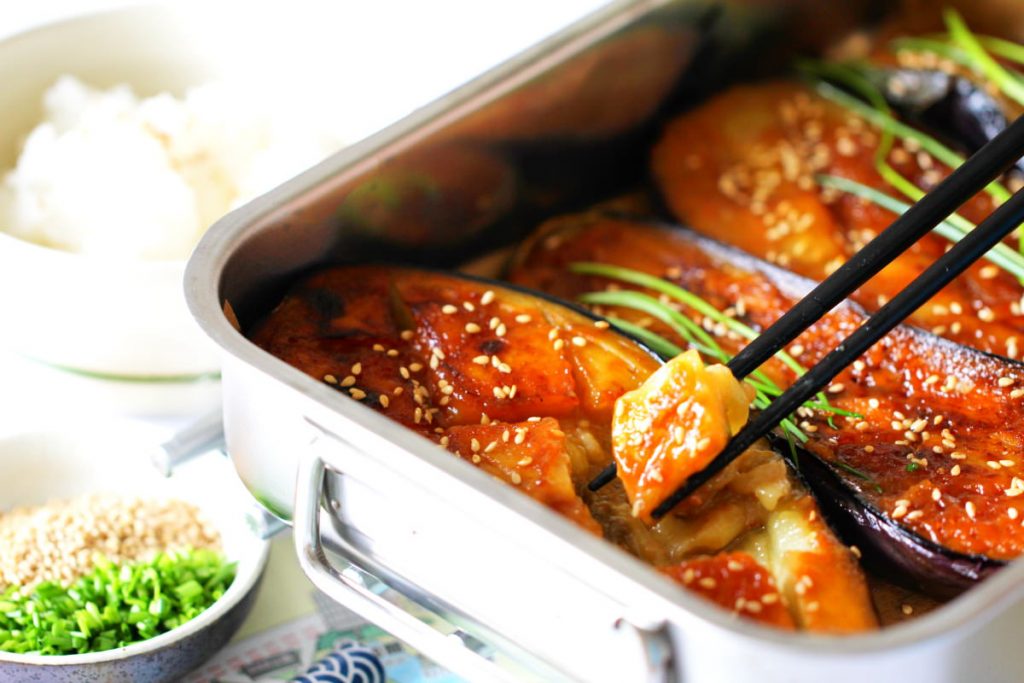
Nasu Dengaku: Oven-baked aubergines glazed with Miso – simple & irresistible
Nasu Dengaku is a true classic of Japanese cuisine and perfect as a side dish…
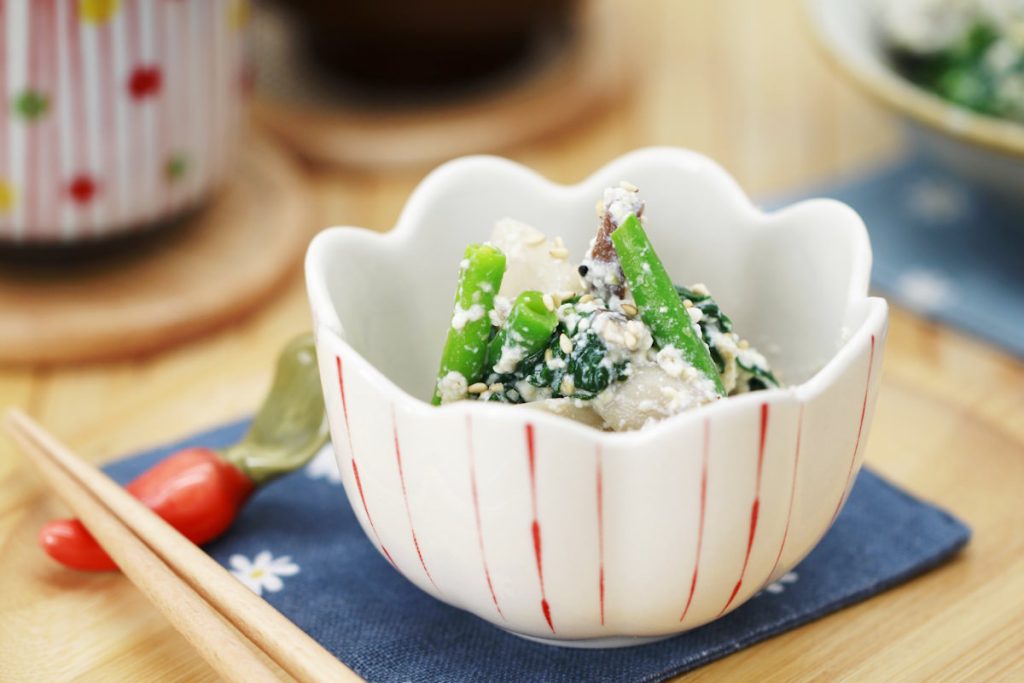
Mushroom and spinach salad with sesame and Tofu dressing: Recipe for Yasai no Shira ae
Mushroom and spinach salad with sesame and Tofu dressing, also known as Yasai no Shira…
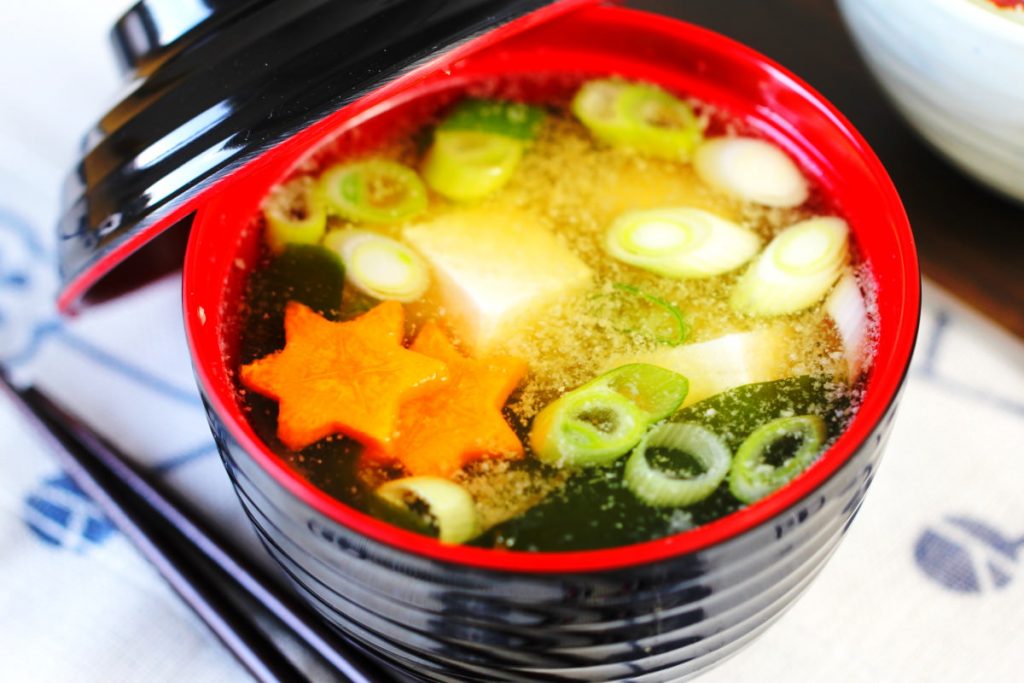
Misoshiru in a flash: basic recipe for miso soup with Wakame & Tofu
Miso soup is much more than just a side dish in Japan – it’s a…
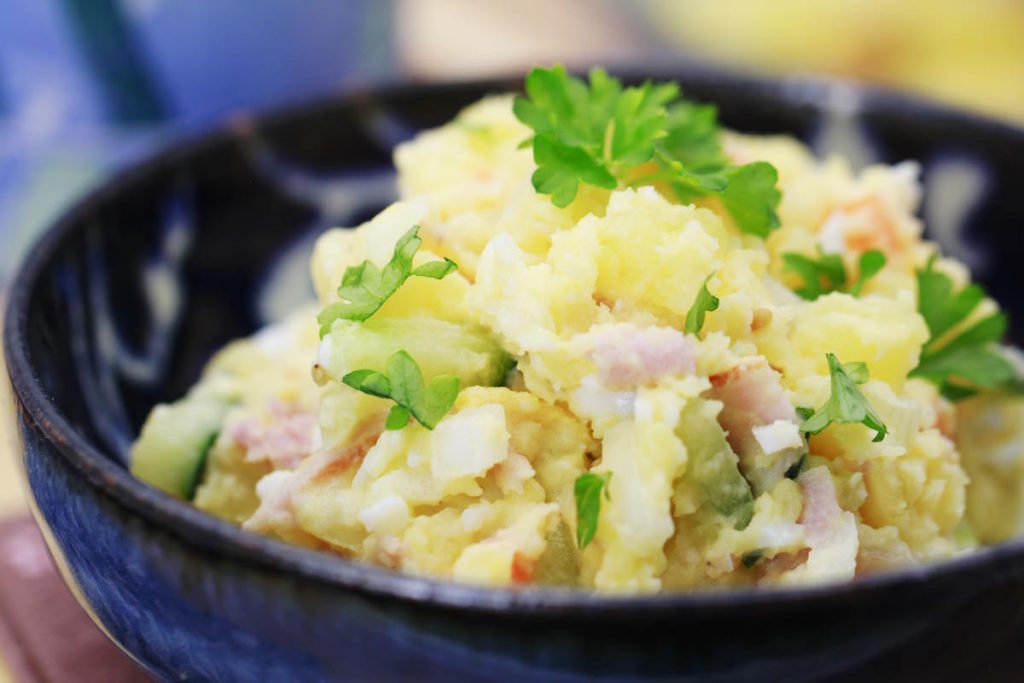
Make your own Japanese potato salad: fresh, creamy and irresistible!
If you’re looking for a delicious side dish that’s both familiar and excitingly new, then…
Have you tried this recipe yet? Let me know in the comments – I’m really looking forward to hearing from you.