

Language:


Hey ramen fans! Get ready for a real taste sensation with my super-simple recipe for 4 different ramen Tare sauces that you can whip up in under 30 minutes. Whether it’s Shoyu, Miso Goma, Shio or Buta Abura – each of these sauces brings its own delicious flavour. Perfect for your next Ramen session at home! Let’s discover together how these Tare sauces take your Ramen soup to the next level. Whether you’re cooking for friends or simply fancy a tasty bowl of Ramen, these recipes are just the ticket. Let’s set off on a culinary journey through Japan!
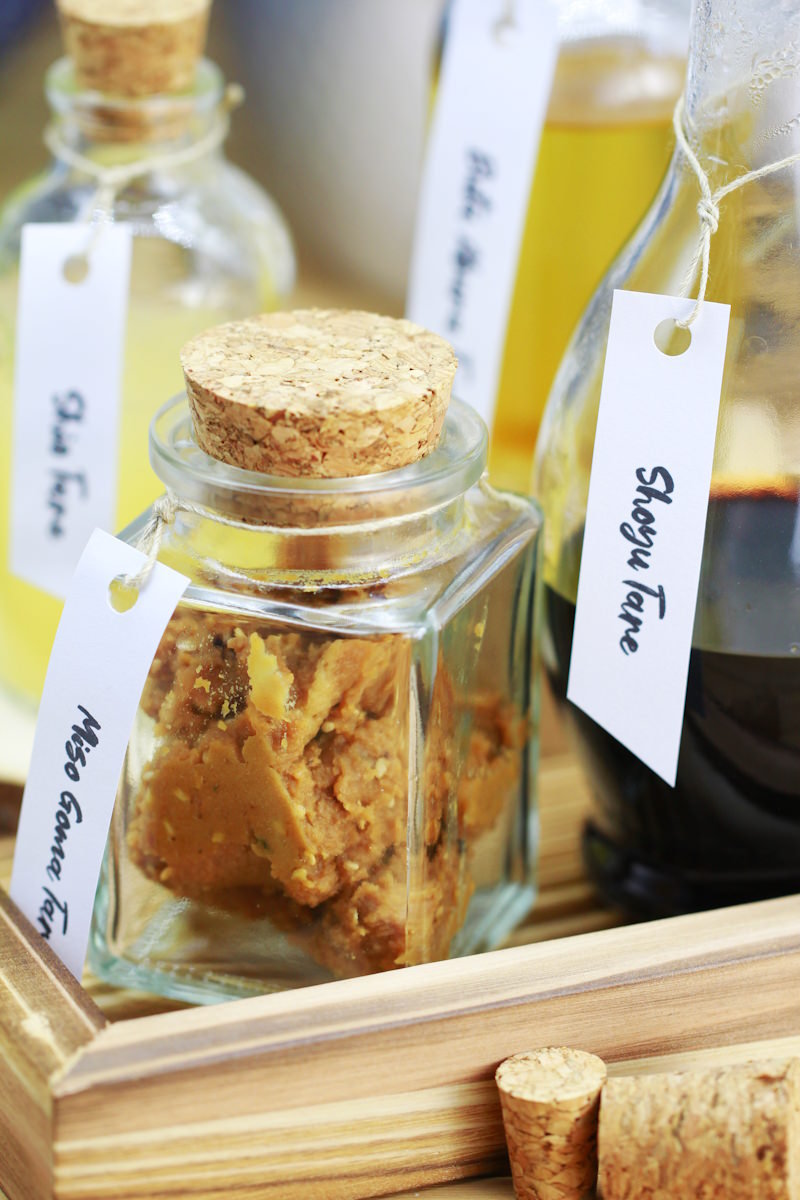
Ramen tare is the heart of every ramen soup and gives it its characteristic flavour. This savoury base forms the foundation upon which the delicious flavours of a ramen soup are built. In Japanese cuisine, Tare is indispensable for bringing out the nuances of flavour and giving the various ramen varieties their uniqueness.
What exactly is Ramen Tare?
Tare is a concentrated sauce that is mixed into the broth to give the Ramen soup its distinctive flavour and depth. There are various types, each producing different flavours depending on the ingredients and preparation method. The right choice can perfectly complement the type of broth and the season to create a harmonious and delicious soup.
What role does this seasoning play in Japan?
Ramen originated in China and was brought to Japan in the early 20th century, where it quickly gained popularity. Initially, ramen was a simple meal for workers, but over time it developed into a culinary symbol of Japan.
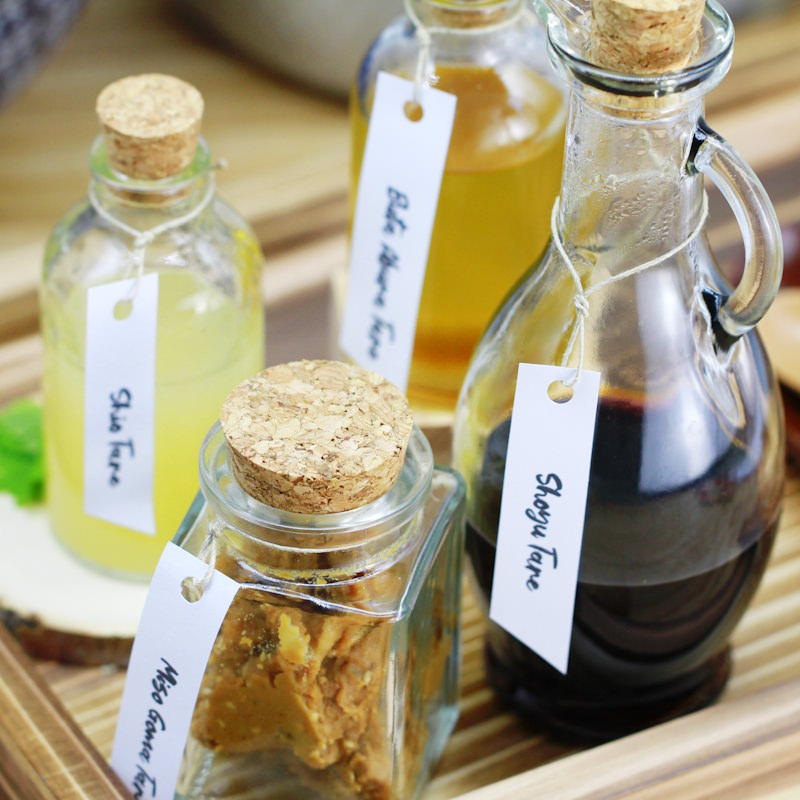
Tare plays a central role in the preparation of Ramen and is responsible for the deep, rich flavour of the broth. Over the years, various variations have developed, each with unique ingredients and flavours that adapt to regional preferences.
In Japanese food culture, Ramen is far more than just food – it is an experience enjoyed in various social and cultural contexts. Whether for a quick lunch, a late-night snack or on special occasions such as New Year celebrations, Ramen and its Tare are indispensable.
Make 4 authentic Ramen Tare yourself:
Today I’ll show you how to make four different Ramen Tare yourself in less than 30 minutes. These authentic recipes are quick and easy to prepare, so you can create a delicious Ramen base in no time at all.
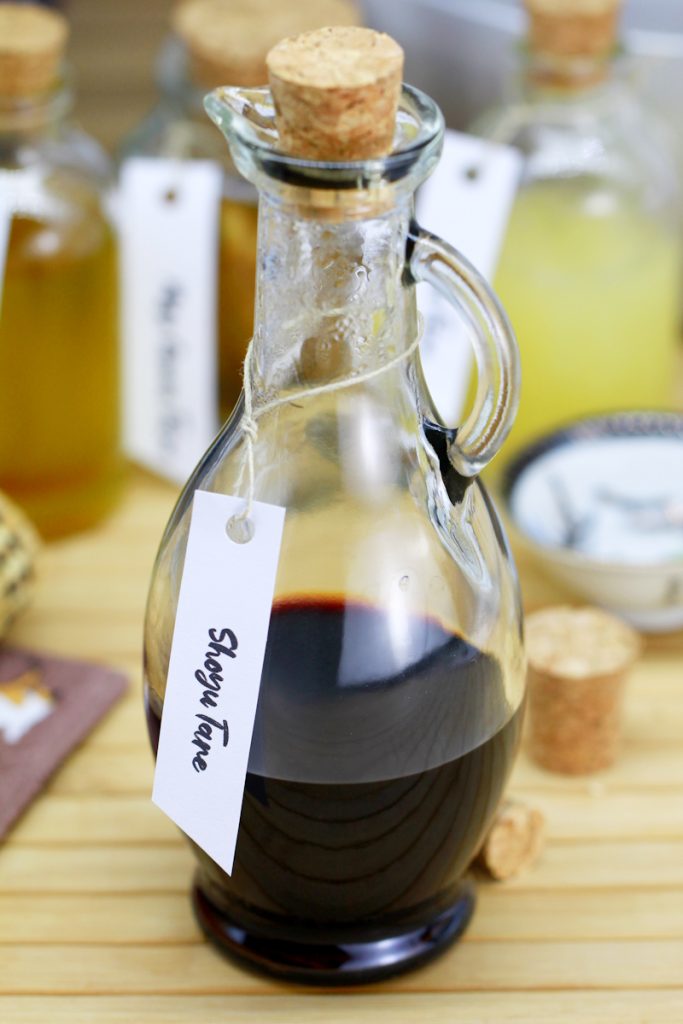
Shoyu Tare
This soy sauce-based Tare gives the Ramen soup a deep, savoury note. The combination of soy sauce, Mirin and Sake creates a balanced flavour profile that pairs perfectly with chicken or pork stock. Ideal for the autumn and winter seasons, when hearty soups are particularly appreciated.
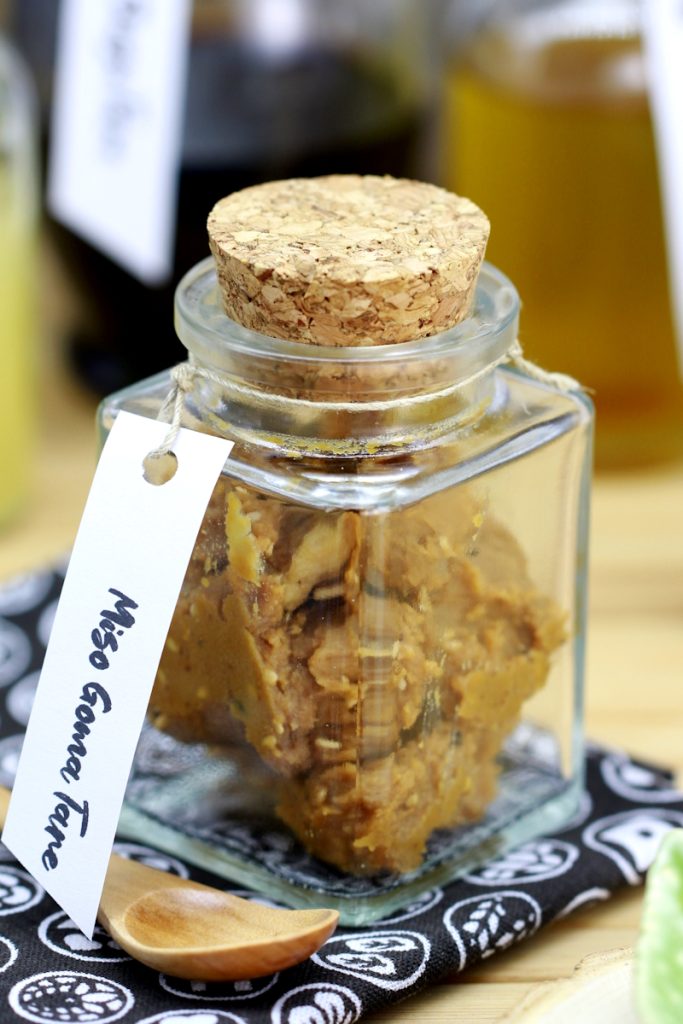
Miso Goma Tare
Miso and sesame are the main ingredients in this Tare. It adds a creamy and slightly sweet note to the soup, ideal for a rich and satisfying meal. The fermented Miso flavour is perfectly complemented by the nutty sesame. This Tare goes excellently with chicken or vegetable stock and is particularly popular in winter.
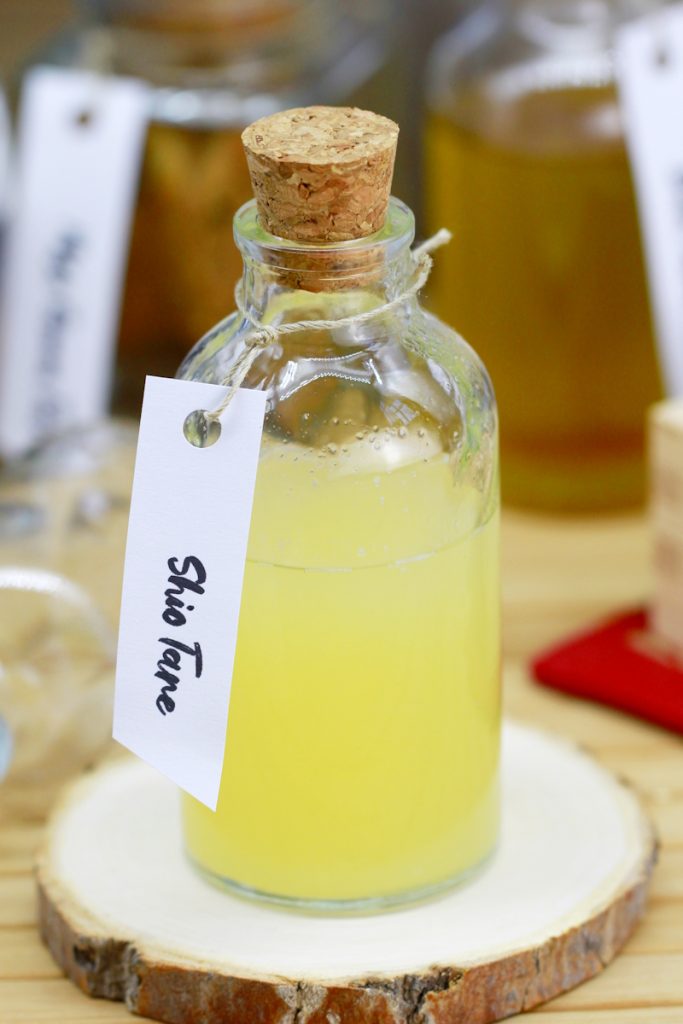
Shio Tare
This salt-based Tare is light and clear, ideal for those who prefer a milder and more subtle flavour. With ingredients such as salt, Dashi and a little soy sauce, the soup gains a pleasant Umami depth. Shio Tare is excellent with fish or chicken stock and is a perfect choice for spring and summer, when lighter soups are preferred.
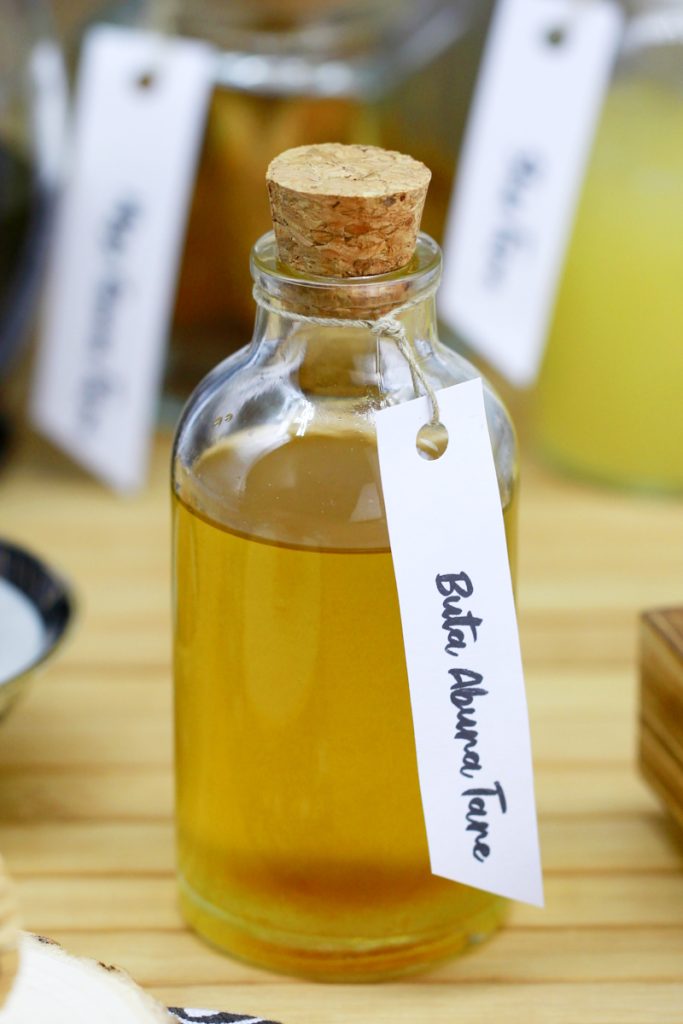
Buta Abura Tare
This Tare is based on pork fat and adds a rich, Umami-packed element to the Ramen soup. The combination of pork fat, garlic and soy sauce creates a particularly hearty and satisfying base. This Tare pairs best with robust pork or beef broths and is ideal for cold winter days when a particularly nourishing soup is called for.
Each of these Tare can be prepared in just a few minutes and gives your Ramen soup an authentic touch. Start with the base of your choice and complement it with fresh ingredients such as noodles, vegetables, meat and egg to create a complete, delicious meal.

Tip
By adding various spices and herbs, you can enhance or vary the flavours. For a spicier touch, you can add chilli or pepper, whilst ginger and garlic provide more depth and heat. Herbs such as coriander or chives can add freshness and a light aroma.
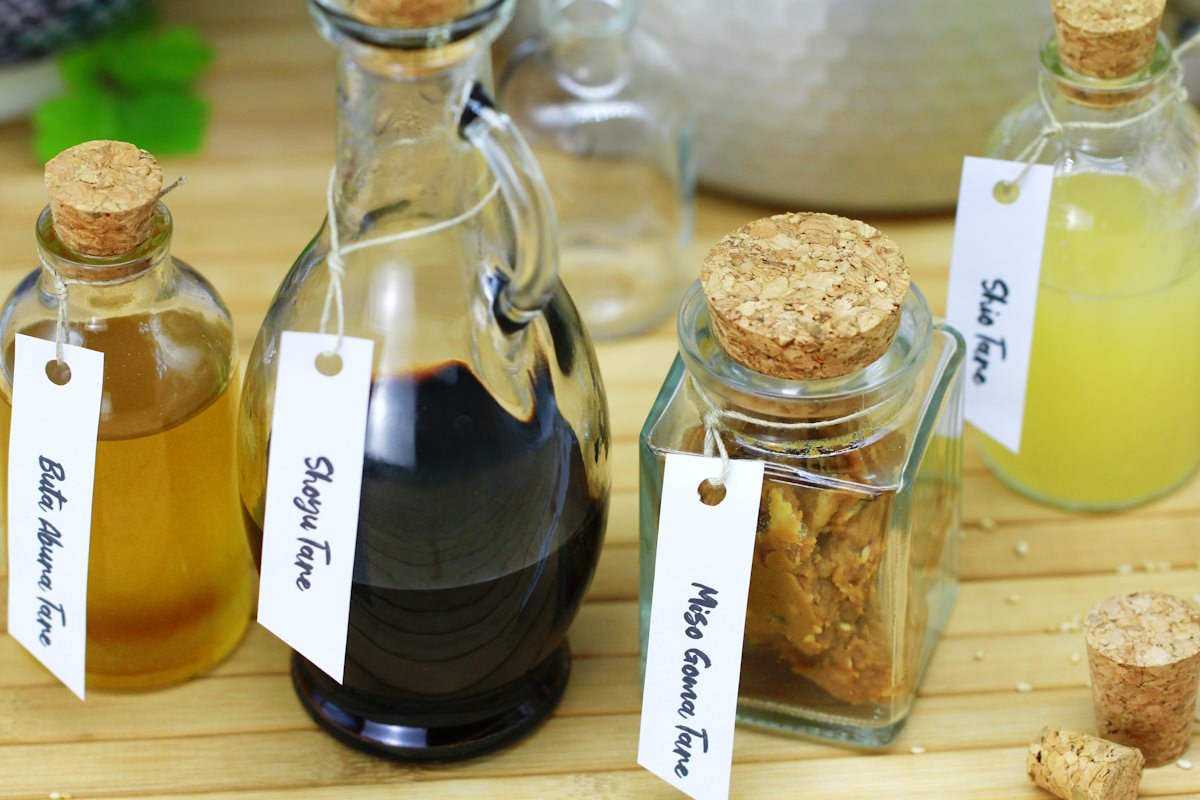
With these four Tare recipes, you can prepare a variety of Ramen soups in less than 30 minutes that will delight your family and friends. Be inspired by the diversity of Japanese cuisine and enjoy authentic flavours in the comfort of your own home.
CUSTOMER FAVOURITE
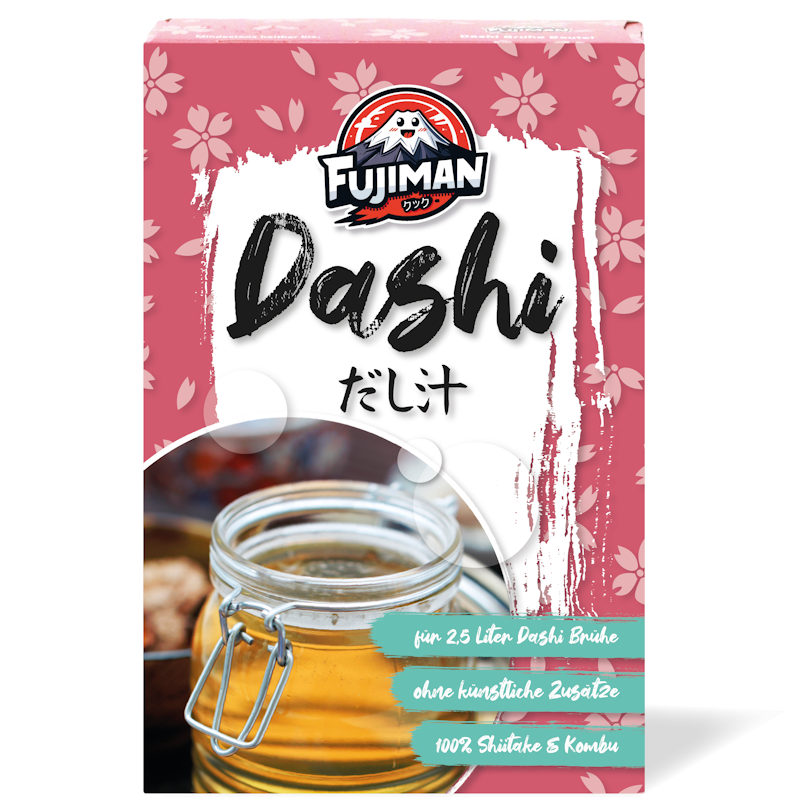
Dashi Brühe Beutel 5 x 8 g (küchenfertig, vegan, ohne MSG), Fujiman
Vegane Dashi Brühe für Miso Suppe, Ramen & japanische Küche. Diese Dashi Brühe Beutel von Fujiman enthalten eine pflanzliche Mischung aus Kombu und Shiitake und…
In stock
Do you have any questions about the Ramen Tare recipe, or would you like to share your successes with the community? Simply leave a comment below this post. Have fun experimenting and enjoy!
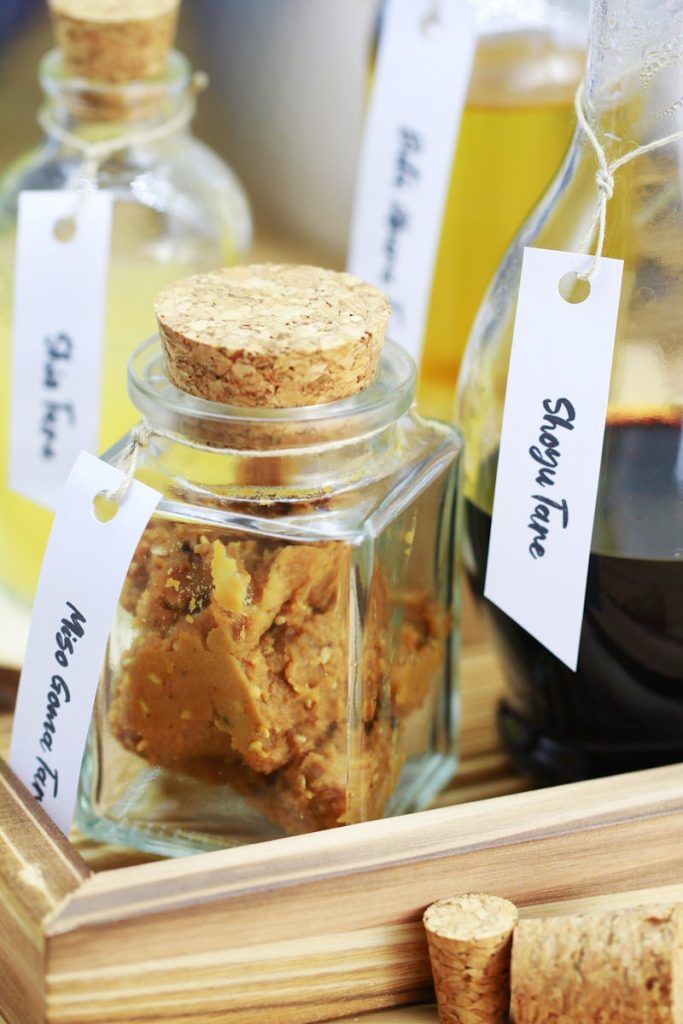
4 x Ramen Tare
serves 4 | 30 minutes | 42 kcal
🖨️ Print PDF 📌 Save pinWhether it’s Shoyu Tare, Miso Goma Tare, Shio Tare or Buta Abura Tare – each of these sauces brings its own delicious flavour. Perfect for your next ramen session at home! Let’s discover together how these Tare sauces take your ramen soup to the next level.
Ingredients (serves 4)
For Shoyu Tare:
150 ml soya sauce (im Shop ansehen)
20 ml Mirin (im Shop ansehen)
20 ml Sake (im Shop ansehen)
1 Dashi broth sachet (im Shop ansehen)
10 g sugar
For Miso Goma Tare:
30 g light Miso paste (im Shop ansehen)
30 g red Miso paste
30 g sesame paste (alternatively tahini) (im Shop ansehen)
1 tsp toasted sesame seeds (im Shop ansehen)
½ tsp pepper (preferably sansho)
For Shio Tare:
2 lemons
70 g salt
4 g Kombu, dried seaweed, approx. 5 x 10 cm in size (im Shop ansehen) – optional
Please note: Please start this recipe the day before!
For Buta Tare:
100 g pork belly
50 ml neutral cooking oil (e.g. rapeseed oil)
3 spring onions
2 garlic cloves
finely chopped ginger or chilli peppers to taste – optional
Useful utensils:
Yukihiara pot
Santoku knife (im Shop ansehen)
Yukihiara pot (im Shop ansehen)
2-in-1 strainer & skimmer (im Shop ansehen)
Garlic press (auf Amazon* kaufen)
Shoyu Tare
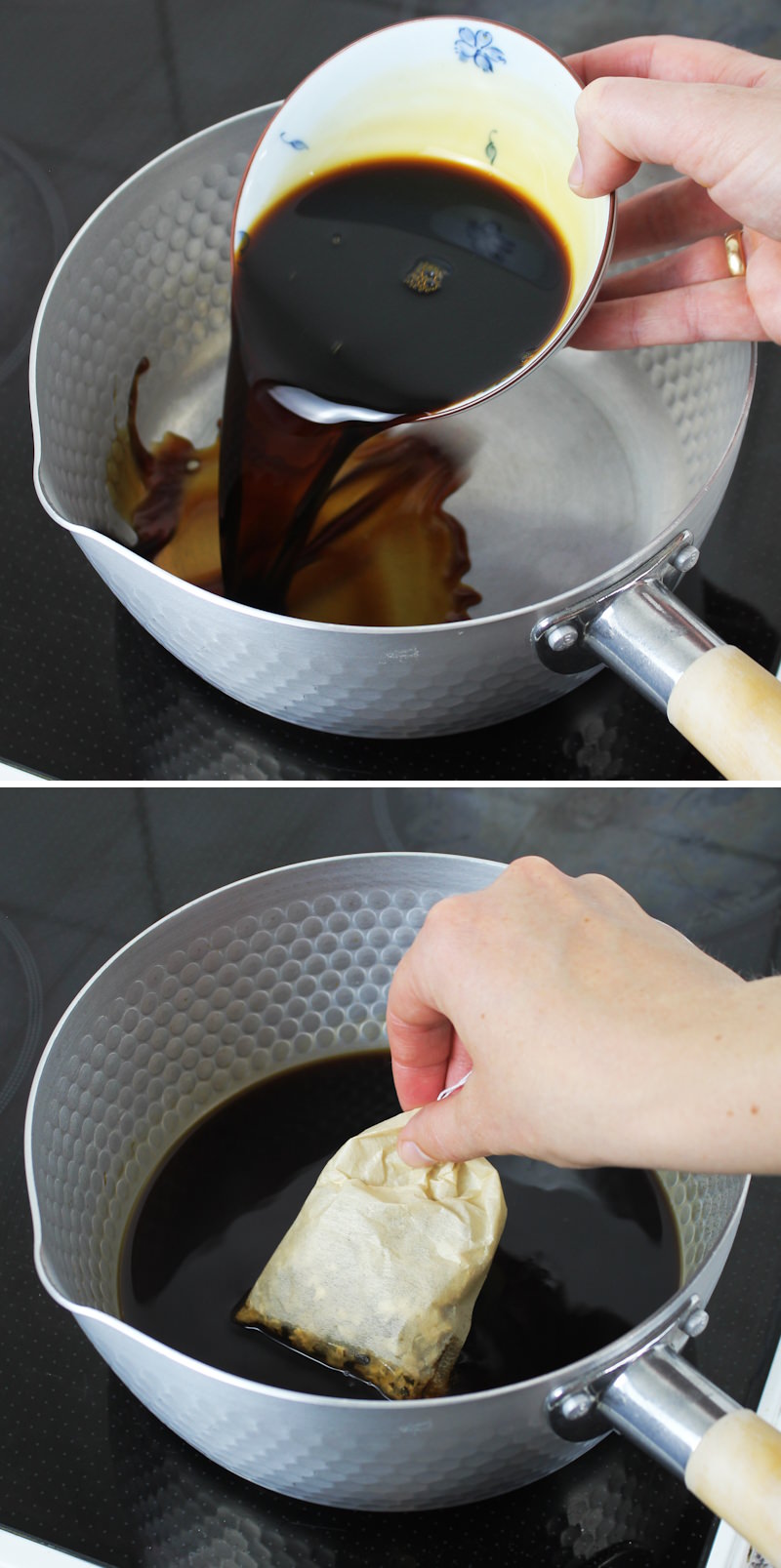
Step 1
Combine soy sauce, Mirin and sake in a small saucepan. Bring everything to the boil and – once it has come to a boil – turn off the heat. Now add the Dashi stock bag and let everything steep on the hob for 15 minutes.
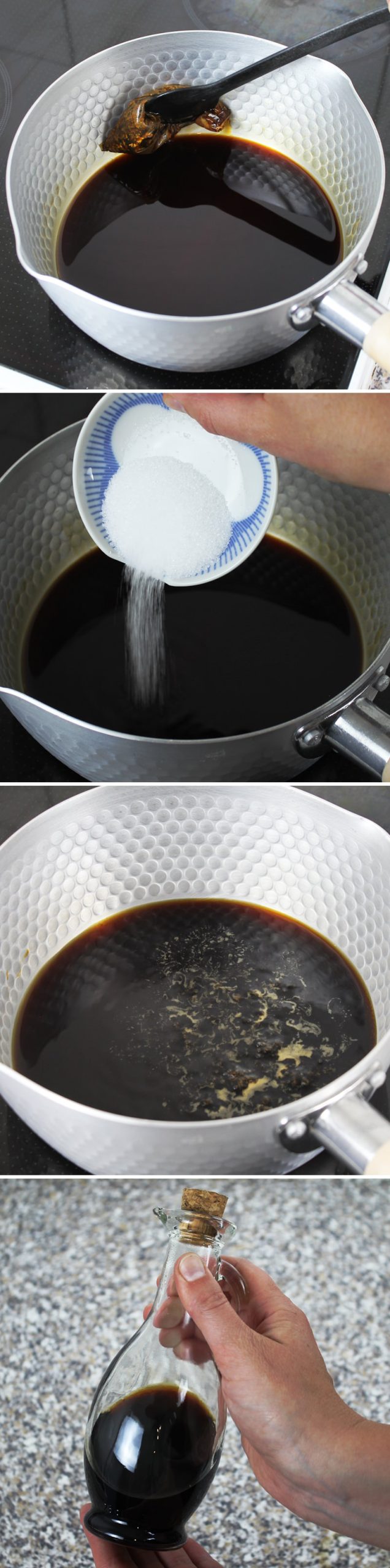
Step 2
Remove the Dashi packet from the saucepan and add the sugar . Bring the Tare back to the boil and let it simmer gently for 10 minutes. The Shoyu Tare is now ready – you can use it straight away or store it in an airtight container in the fridge for up to 4 weeks.
Serve approximately 50 ml of Tare per 500 ml of Ramen broth.
Tip: Shoyu Tare is an excellent base for Ramen, but also makes a great sauce for other dishes such as steamed vegetables or marinated meat.
Miso Goma Tare
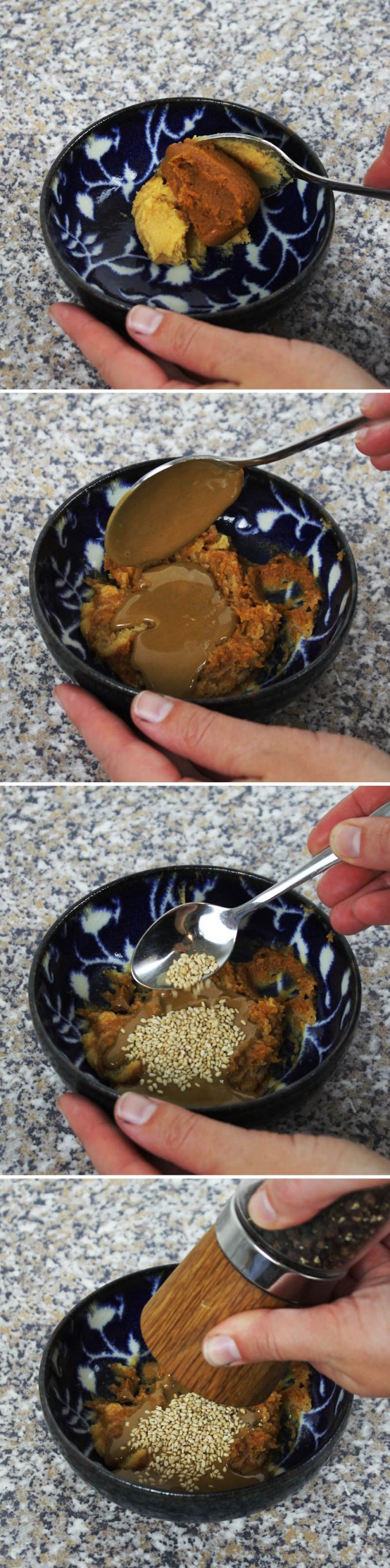
Step 1
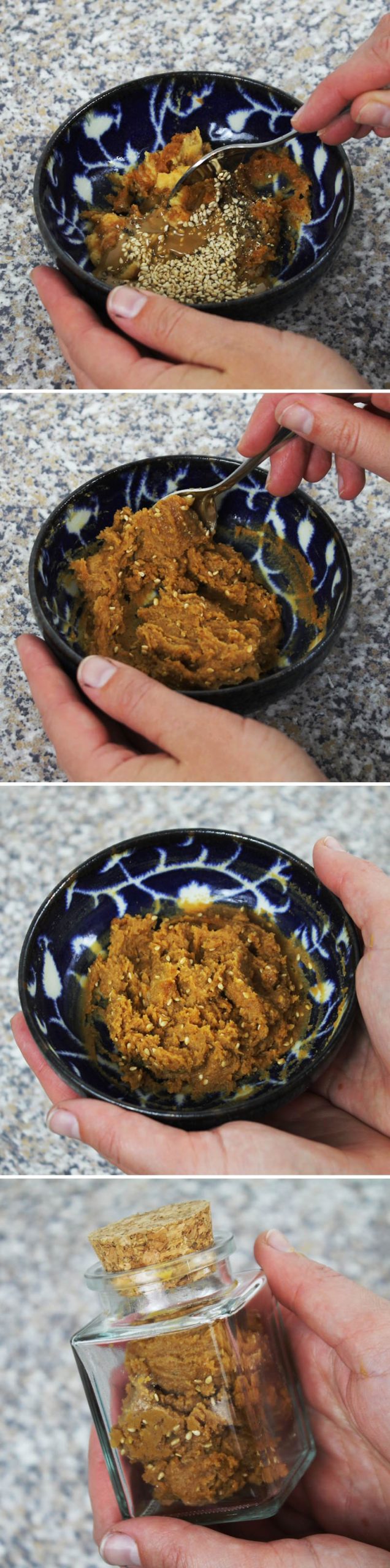
Place the white and red Miso in a medium-sized bowl. Add the sesame paste (or tahini) . Use a spoon to mix all the ingredients thoroughly until a smooth, thick paste forms. For a slightly lemony heat, add a little ground sansho pepper (or black pepper). Now add the toasted sesame seeds.
Step 2
Stir everything together well.
The Miso Goma Tare is now ready. You can use it straight away (about 1 tablespoon per portion of Ramen) or store it in an airtight container in the fridge for up to 2 weeks.
Serve about 25 g of Tare per 500 ml of Ramen broth.
Tip: The Miso Tare is excellent as a marinade for meat or vegetables. Or serve it as a dip for fresh or lightly steamed vegetables.
Shio Tare
Step 1
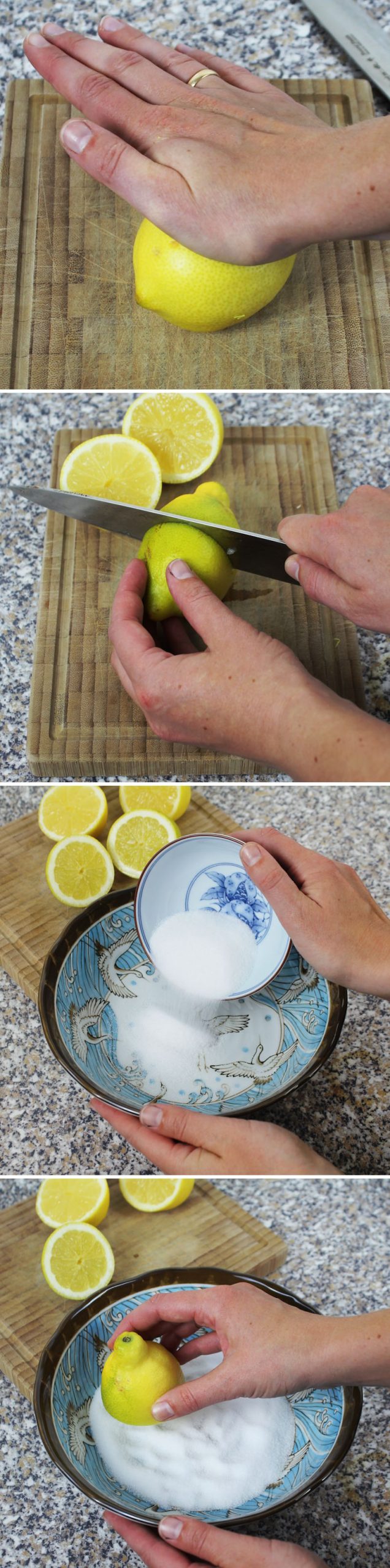
Wash the lemons thoroughly, then roll them gently over the work surface with the palms of your hands. Cut the fruit in half.
Pour the salt into a large, shallow bowl and spread it out evenly.
Step 2
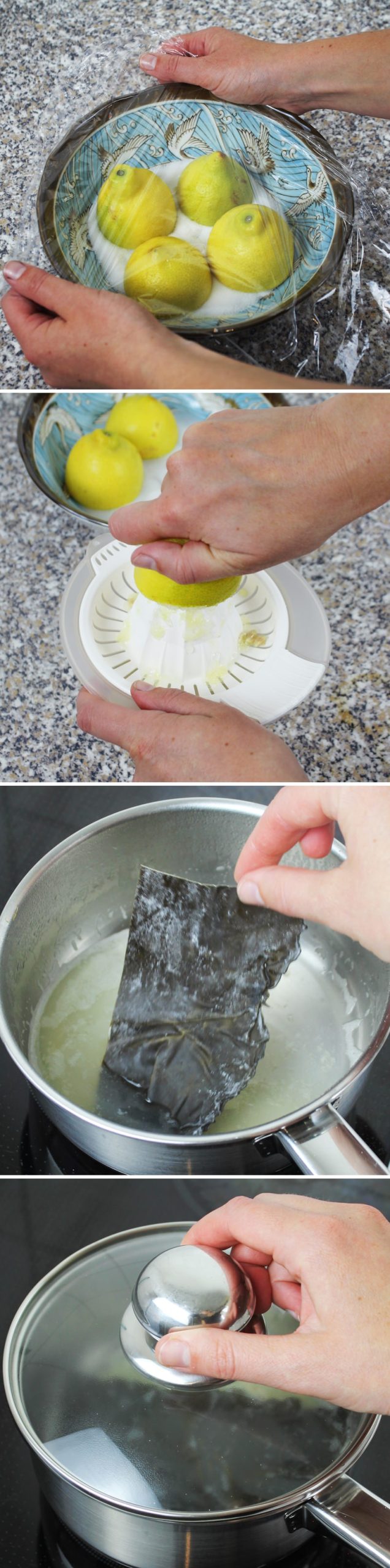
Place the four lemon halves in the salt with the cut sides facing down. Cover with cling film and leave to marinate in the fridge for 8 hours or overnight.
Step 3
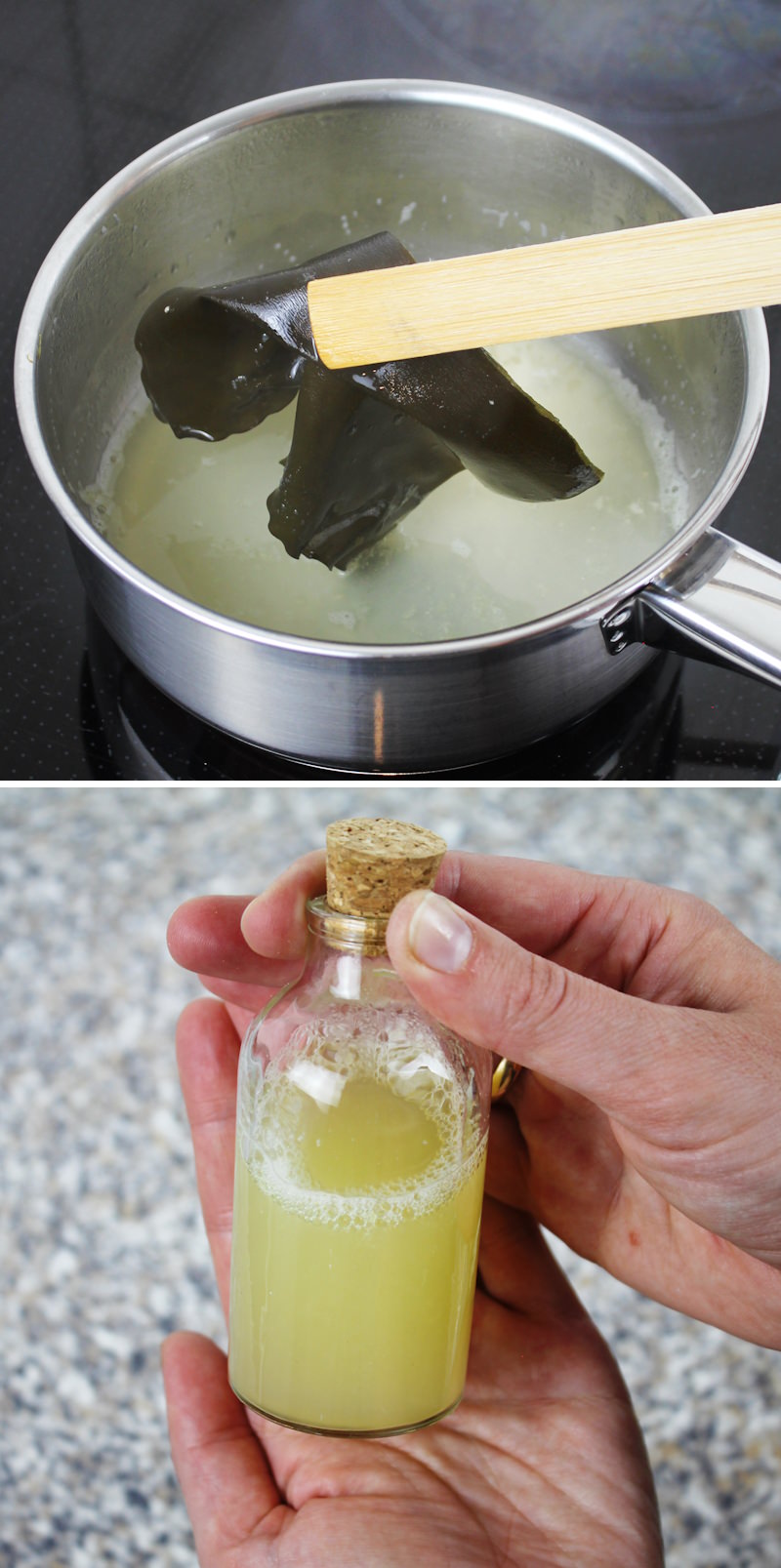
The next day, squeeze the lemons thoroughly, pour the juice into a saucepan and bring to the boil. Turn off the heat and add the Kombu . Cover and leave the stock to infuse for 20 minutes. Remove the Kombu and, if desired, add a dash of rice vinegar .
The shio tare is now ready – you can use it straight away or store it in an airtight container in the fridge for up to 8 weeks.
Serve approximately 25 ml of Tare per 500 ml of Ramen broth.
Buta Abura Tare
Step 1
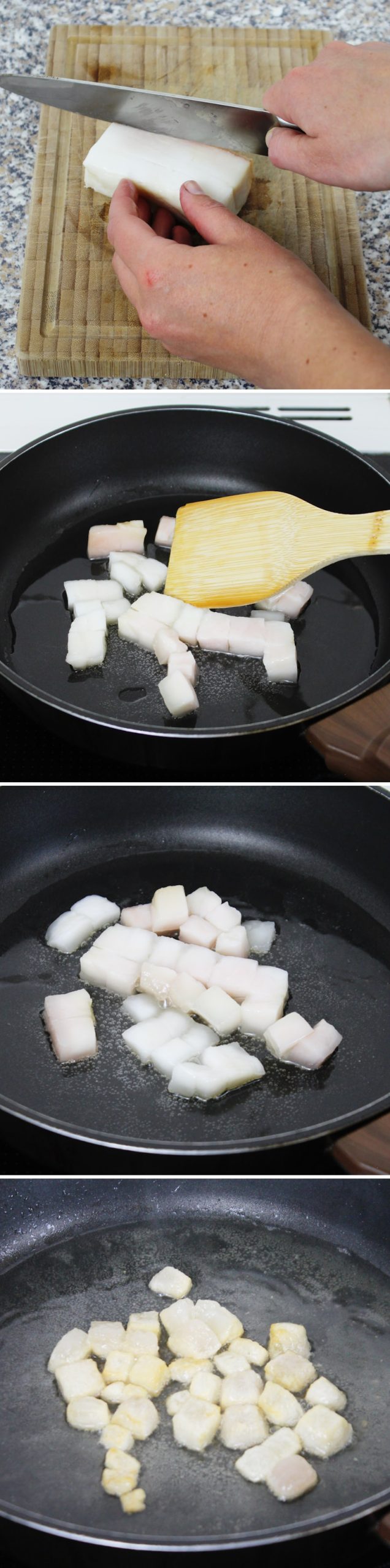
To begin with, cut the bacon into small cubes. Mix them with the neutral oil in a frying pan. Heat the mixture over a medium heat until it is hot but not smoking. Let the contents of the pan sizzle gently for 5 minutes so that the fat is rendered from the bacon.
Step 2
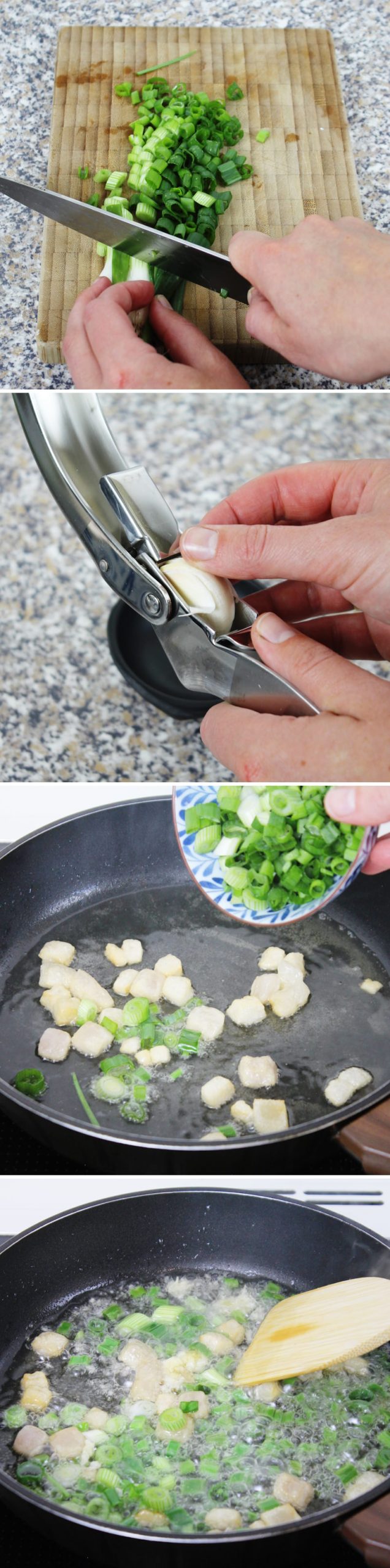
In the meantime, wash and slice the spring onions into thin slices. Crush the garlic cloves with a garlic press. Add the spring onions and garlic to the hot oil mixture. If you like, you can also add extra spices now, such as a piece of chopped ginger or a few chilli peppers, to make the Tare spicier.
Step 3
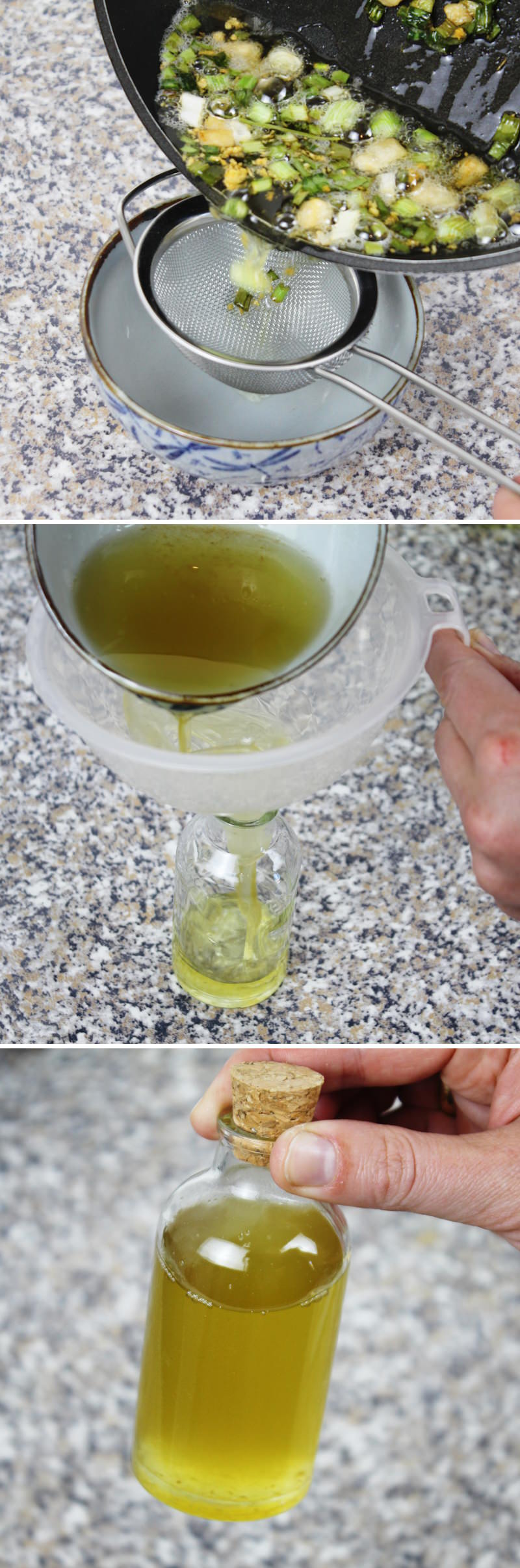
Reduce the heat to low and let everything fry, stirring occasionally, until the spices are deep golden and give off a nutty aroma. Carefully strain the hot aromatic oil through a fine sieve into a heatproof container.
The aromatic oil can be refrigerated after preparation and stored for several days , with the flavours developing further over time. Serve approximately 25 ml of Tare per 500 ml of Ramen broth.
Tip: You can keep the roasted spices and use them as a garnish for your Ramen soup.
Storage
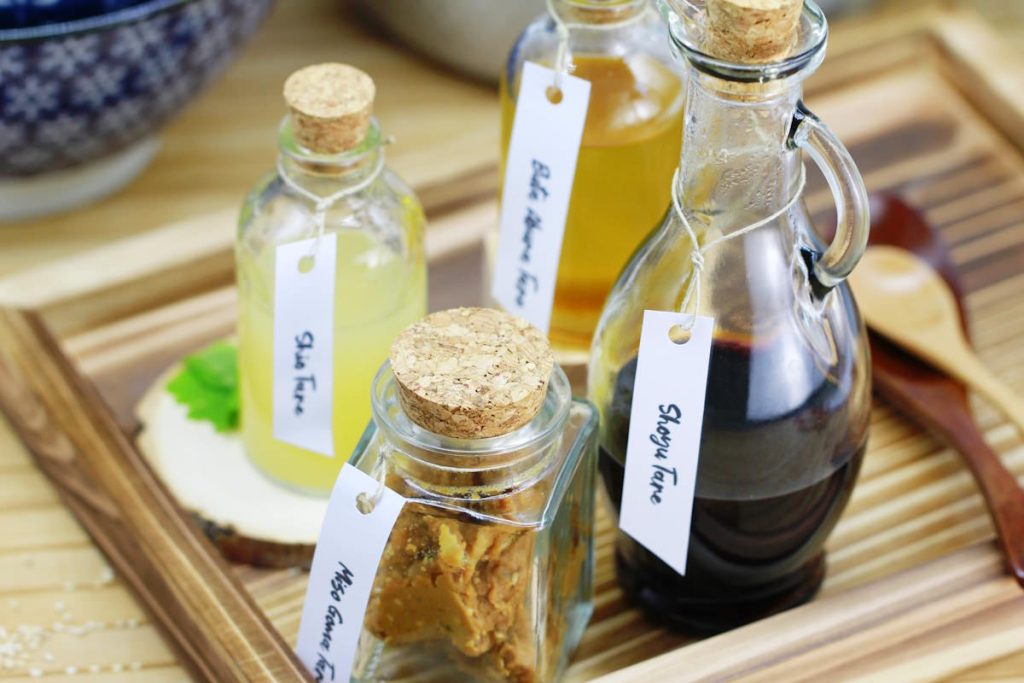
Homemade Tare is easy to store and can be kept for future Ramen meals. To preserve its freshness, store the Tare in an airtight container in the fridge, where it will keep for up to two weeks. For longer storage, you can also freeze the Tare; it will keep for up to three months. To reheat, simply take the required amount of Tare out of the freezer and heat it slowly in a saucepan over a medium heat, or add it directly to the hot broth. Make sure to stir the Tare well to ensure the flavours are evenly distributed. This way, you’ll always have a delicious, homemade base for your Ramen ready.
Ramen Tare is undoubtedly the perfect start to an authentic Japanese ramen meal. It’s best served with a small but exquisite selection of side dishes and main courses. I have put together a selection of our best recipes here that go perfectly with the various Tare varieties:
No post found!